

(DISCLAIMER: I am not a doctor, and you should consult your healthcare professional before starting any health regimen. Some links are commissioned and supports the blog)

Key Takeaways
- Dilute essential oils before skin use, don’t put them on the throat inside your mouth.
- Never ingest essential oils unless a qualified clinician directs you.
- Keep oils away from kids and pets, and store them locked and upright.
- Stop right away if you notice stinging, rash, nausea, or headache.
- Oils work best as an add-on to hydration, humid air, rest, and throat-soothing basics.
- Seek care fast for trouble breathing, drooling, high fever, or symptoms lasting more than a few days.
A sore throat has a way of turning the whole day smaller. You swallow and wince. You talk and your voice scratches like sandpaper. At night, the air feels too dry, and every breath seems loud.
Essential oils for sore throat can fit into a comfort routine, offering sore throat relief especially through aromatherapy when you want your home to smell clean and soothing while you rest. They can’t treat the cause of a throat infection, and they don’t replace medical care, but used the right way, they can help you feel a little more human.
First, figure out what kind of sore throat you have
Not all sore throats feel the same, and that matters. Some are sharp and sudden, others are slow and scratchy, like your throat forgot how to make saliva. The cause often points to what helps most.
Most sore throats come from respiratory tract infections like the common cold. In that case, time, rest, and comfort care do the heavy lifting. If your throat is sore because of post-nasal drip, the irritation is often from mucus sliding down the back of the throat. Moisture, warm drinks, and gentle clearing scents can feel nice, but they won’t “fix” the drip by themselves.
Dry air is another common culprit, especially in winter heat or strong AC. This kind of soreness often feels worse overnight and better after a shower. Allergies can cause a similar scratch from an allergic reaction, along with itchy eyes, sneezing, and a tickle that won’t quit. If that sounds familiar, this guide on essential oils for seasonal allergy reliefcan help you match your oil choices to the season.
Don’t forget the quieter causes: voice strain after a long day of talking, reflux that creeps up at night, or even mouth breathing during sleep. When reflux is in the mix, strong minty oils can feel pleasant in the air, but the bigger win is often lifestyle support like raising your head at night and avoiding late meals.
Essential oils aren’t a cure for any of these. Think of them like a soft blanket. Helpful for comfort, not a replacement for proper care.
Signs you can try home care, and signs to call a doctor
If your sore throat is mild and you can eat, drink, and breathe normally, home care is a reasonable first step.
Call a clinician or seek urgent care if you notice any of these red flags:
- Trouble breathing, wheezing, or noisy breathing
- Drooling, or you can’t swallow fluids
- High fever, severe chills, or sudden worsening
- White patches on the tonsils (such as in strep throat), or a strong one-sided throat pain
- Stiff neck, severe headache, or a new rash
- Swollen glands that keep getting bigger or more painful
- Signs of dehydration (very dark urine, dizziness, dry mouth)
- Symptoms lasting more than 3 to 5 days, or repeated sore throats
Use extra caution (and check in with a clinician) if you’re pregnant, have asthma, take immune-suppressing meds, or live with an immune condition.
A quick throat comfort checklist that works with essential oils
Before you reach for any bottle, set the stage with basics that actually support your throat’s surface.
- Gargle warm salt water (not hot), then spit.
- Sip warm tea with honey (only if over age 1).
- Run a humidifier, or sit in a steamy bathroom.
- Drink plenty of fluids, and choose soft foods.
- Use lozenges if they feel soothing.
- Rest your voice, and avoid smoke or strong scents.
- Sleep with your head slightly raised.
Once those are in place, essential oils can act like background comfort: calming, freshening, and easier to breathe around.
The best essential oils for sore throat comfort, and why people use them
When people reach for essential oils during a sore throat, they usually want one of three feelings: soothing, fresh and clean, or cooling and open. The right pick depends on what you can tolerate and who’s in the house.
A good rule is to keep your choices simple. One oil can be enough. A gentle blend can be enough. More drops don’t equal more comfort, and too much aroma can irritate an already cranky throat.
If you’re building a small, practical collection, this guide to top essential oils for natural first aid kits is a useful reference, especially for everyday bumps and seasonal discomforts.
Soothing picks: lavender, Roman chamomile, and frankincense
Lavender oil (Lavandula angustifolia) smells like a clean pillow and a quiet room. People use it when the sore throat comes with stress, poor sleep, and that worn-out, tight feeling in the neck. It’s often one of the more broadly tolerated oils, but it still needs dilution on skin.
Roman chamomile (Chamaemelum nobile) has a soft, apple-like scent. The vibe is gentle and comforting, like warm tea steam. Many people use it in evening diffusion or a diluted neck rub when they want to settle down. Skip it if you’re sensitive to ragweed-family plants, since some people react.
Frankincense (Boswellia carterii or similar species) smells resinous and warm, almost like a quiet forest chapel. It’s commonly used to create a grounded, steady feeling during rest. People often pair it with lavender for bedtime diffusion, or use it diluted on the upper chest (never on broken skin).
Who might skip these?
- Some people in early pregnancy prefer to avoid essential oils unless approved by a clinician.
- Anyone with a history of strong fragrance sensitivity should start with very low diffusion.
Bright and uplifting pick: lemon essential oil
Lemon essential oil offers a bright, citrusy scent that can refresh the air and mood during sore throat discomfort. People often diffuse it lightly for a clean, invigorating lift, always diluted for any skin contact.
Fresh and clearing picks: peppermint, eucalyptus, and tea tree
These are the oils people reach for when sore throat discomfort tags along with stuffy sinuses or a “cotton head” feeling. They can feel sharp and bright, which is wonderful for some, and too intense for others.
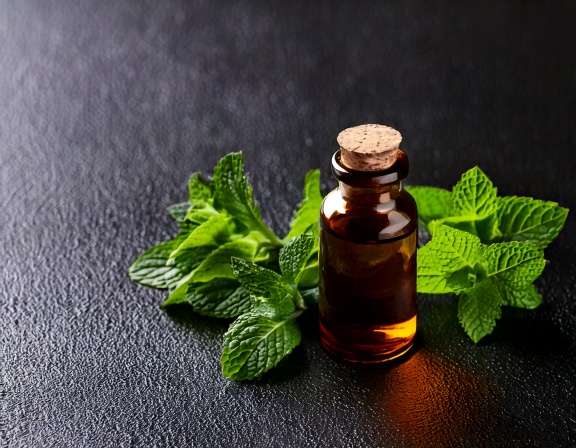
Peppermint oil (Mentha piperita) smells like a candy cane snapped in half. In the air, peppermint oil can feel cooling and crisp thanks to its menthol content. But it can also irritate sensitive airways, and it’s not a good fit for young kids.
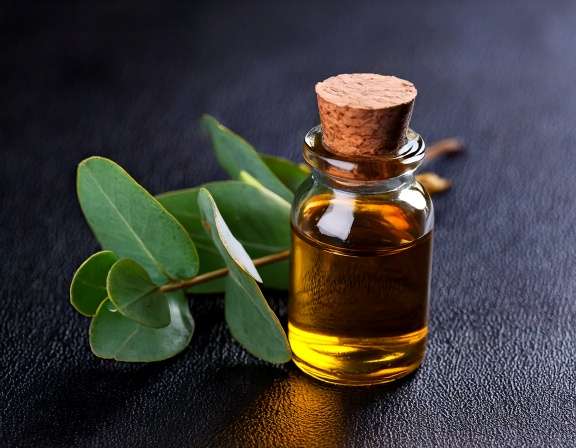
Eucalyptus oil (often Eucalyptus globulus or radiata) smells clean, green, and brisk. Many people like eucalyptus oil in a diffuser when congestion is part of the picture. If you want a deeper guide on timing, amounts, and comfort-first uses, see eucalyptus oil for congestion relief.
Tea tree oil (Melaleuca alternifolia) smells medicinal and sharp. Tea tree oil is commonly used in “clean air” routines and diluted topical blends for congestion support, but it can irritate sensitive skin. Tea tree oil should be considered external use only, and it’s especially important to keep it away from mouths, pets, and kids.
Who should be cautious or skip these?
- Children: avoid peppermint and eucalyptus for young children, and don’t diffuse strong oils in small, closed rooms.
- Asthma or reactive airways: strong vapors can trigger coughing.
- Sensitive skin: tea tree can be too much, even diluted.
Spicy/Warm picks: thyme, oregano, cinnamon, ginger, and clove
For those seeking a warming sensation alongside sore throat relief, these bolder oils bring heat and intensity. People turn to thyme oil for its antibacterial properties, oregano oil for antiviral properties, cinnamon oil and ginger oil for anti-inflammatory properties, and clove oil for its antimicrobial effects in wellness routines. Use them sparingly in diffusion or highly diluted topicals, as their strength can overwhelm. Always patch test and consult a professional for safe use.
How to use essential oils safely when your throat hurts
When your throat is already irritated, the goal is low and gentle. Essential oils are concentrated plant compounds. Used carelessly, they can cause burning skin, watery eyes, headaches, or nausea, and that’s the opposite of comfort.
Start with quality basics: choose oils from reputable brands, keep caps tight, and store bottles away from heat and sunlight. If you’re trying an oil for the first time, do a patch test before putting it anywhere near your neck.
Patch test in plain steps:
- Mix the oil into a carrier oil (like jojoba, olive, or coconut oil).
- Dab a small amount on the inner forearm.
- Wait 24 hours. If you get redness, itching, or swelling, don’t use it.
Also, keep expectations realistic. Oils can support relaxation, freshen the room, and help you feel cared for. They don’t diagnose infections, and they don’t replace a medical exam.
Simple ways to use them: diffuser, steam, and a diluted neck rub
1) Diffuser (easy, low-contact)
Add 3 to 6 drops total to your room diffuser for an average-sized room. Run it for 30 to 60 minutes, then take a break. If the scent feels heavy or you start coughing, stop and ventilate the room.
If congestion is part of your sore throat story, a gentle diffuser blend can be comforting. This sinus decongestant essential oil blend shows how some people combine fresh and soothing notes, but you can also keep it simple with one oil.
2) Steam bowl (use caution)
Fill a bowl with hot water, then add 1 drop of essential oil (not more). Keep your face at arm’s length, close your eyes, and inhale gently for up to 1 to 2 minutes for steam inhalation. Stop right away if it stings, makes you cough, or feels too intense. Steam is not a good choice for kids.
3) Diluted neck or upper chest rub (adult use)
For safe topical application, use a 1 percent dilution for adults, which is about 1 drop essential oil per 1 teaspoon carrier oil. People choose these oils for their antibacterial properties and anti-inflammatory properties. Rub onto the sides of the neck or upper chest, not the throat front, and never on broken skin. Wash your hands after.
4) Pillow-corner scent (extra gentle)
Put 1 drop on a cotton ball and tuck it inside a pillowcase corner, not where skin touches directly. This works well with lavender. If the scent feels strong, move it farther away.
Safety rules that matter most (especially for kids, pregnancy, and pets)
A sore throat can make you impatient, but essential oil safety can’t be rushed. Always dilute essential oils for skin contact.
- Don’t ingest essential oils. This includes adding them to water, tea, or honey.
- Don’t apply oils inside the mouth, on tonsils, or on the front of the throat.
- Never use undiluted oils on skin. “Neat” application can burn.
- Keep oils away from eyes and mucous membranes.
- Oils like lemon essential oil can cause photosensitivity, so avoid sun exposure after topical use.
- If you feel dizzy, nauseated, or get a headache, stop and get fresh air.
- Diffuse in well-ventilated spaces, and take scent breaks.
For kids, keep it even simpler. For children under 10, use extra-low dilution, avoid strong oils like peppermint oil and eucalyptus oil unless a clinician advises you, and never apply oils near the face. Babies and toddlers need special caution.
For pets, be careful with diffusion. Cats are especially sensitive to oils like tea tree oil. Use oils only in rooms pets can leave, keep airflow moving, and don’t force a pet to stay near a diffuser.
Conclusion
When your throat is raw, comfort is built in small, steady steps. Try an evening routine that doesn’t ask much of you: drink water, make warm tea with honey (if appropriate), run a humidifier, then choose one gentle essential oil method like a short diffuser session or a diluted neck rub with carrier oil. Turn the lights down, rest your voice, and let your body do its quiet repair work.
Essential oils for sore throat can support a calmer night, but comfort is the goal, not a cure. If symptoms feel severe, unusual, or last beyond a few days, trust that signal and call a clinician. Getting help early is a form of self-care too.
Stay Connected for More Natural Living Inspiration
If you enjoyed this post about herbal wellness and love discovering natural ways to refresh your home and wellness, don’t miss out on future recipes and clean-living tips! Subscribe to the blog for weekly DIYs, wellness inspiration, and herbal remedies delivered straight to your inbox.
Don’t forget to visit my Amazon storefront for the links to my favorite essential oils, herbal teas, and natural recipes. I also create YouTube ambiance videos for sleeping; a channel I created to help people who have trouble sleeping. The link to all social media content is here.
Thanks for coming by!

Leave a Reply