
(DISCLAIMER: I am not a doctor, and you should consult your healthcare professional before starting any health regimen. Product links are commissioned and supports the blog)

Key Takeaways
- Best starter oils: peppermint essential oil, ginger, and lemon essential oil are the usual first picks for mild nausea.
- Safest method: inhalation is typically the easiest and lowest-risk way to try an oil.
- Dilution basics: for adults, aim for about 1 percent dilution for nausea support on skin.
- Patch test first: especially if you have sensitive skin or allergies.
- Be careful with peppermint: it can worsen reflux, it’s not for infants, and pregnancy use should be guided by a provider.
- Don’t take essential oils by mouth: only do this under guidance from a qualified clinician, many oils can be harmful when swallowed.
- Know when to get medical help: even with nausea relief attempts, severe pain, dehydration, blood, high fever, head injury, or symptoms lasting longer than 24 to 48 hours need real medical attention.
Nausea has a way of stealing your focus. One minute you’re fine, then you’re stuck in a car, on a plane, stressed before a big event, or dealing with morning sickness.
Essential oils for nausea can be a comforting natural remedy for some people, mainly because scent can calm the nervous system and soften queasiness. Still, they’re not a cure, and they’re not for every situation. Safety matters more than a “stronger blend.”
Most people use oils two ways: inhalation (smelling the aroma) and topical use (on skin with proper dilution). If you keep it simple and gentle, essential oils can fit nicely alongside basics like fresh air, slow sips of water, and bland snacks.
Do essential oils actually help nausea, and why they might
Smell has a direct line to the brain, a core principle of aromatherapy. When you breathe in an aroma, scent signals travel through the olfactory system and connect to areas involved in mood, memory, stress response, and appetite. That’s a big reason nausea can shift when your environment changes. A stale room, strong perfume, or anxiety spike can flip your stomach fast.
Essential oils don’t “turn off” nausea like a switch. What they can do is change the experience around nausea, easing tension in stomach muscles, especially when stress, motion, or food smells play a role. For some people, that’s enough to take the edge off. For others, the same scent can feel like too much.
Research on aromatherapy for nausea is mixed, but a couple of oils show up again and again:
- Peppermint aromatherapy is often studied for post-operative nausea in settings like post-op care and general queasiness. Some studies suggest it may help some people feel less nauseated, while others show no clear difference. Either way, it’s commonly reported as helpful for mild nausea and motion-related discomfort, especially when used briefly.
- Ginger aromatherapy also has a history of use for upset stomach. Evidence suggests ginger can be supportive for chemotherapy-induced nausea in some situations, although results vary depending on the cause of nausea and how it’s used.
There’s also the expectation effect, often called placebo, but that word doesn’t mean “fake.” It means your brain can adjust symptoms based on comfort, routine, and belief. When you’re nauseated, feeling calmer and more in control can reduce the spiral.
If a scent makes your nausea worse, trust that signal. The “right” oil is the one your body can tolerate in that moment.
When essential oils make the most sense (and when they do not)
Essential oils are most useful when nausea is mild, comes in waves, or is linked to triggers you can’t fully avoid.
They can be a helpful add-on for:
- Motion sickness (cars, boats, flights)
- Stress nausea (before meetings, crowds, hard conversations)
- Mild queasiness after heavy or rich meals
- Mild medication-related nausea (only if your provider says it’s ok)
On the other hand, skip oils and focus on medical care when nausea comes with bigger warning signs. Get help right away if you notice severe or one-sided belly pain, fainting, blood in vomit or stool, signs of dehydration (very dark urine, confusion, no urination), high fever, a recent head injury, or vomiting that won’t stop. Also call a clinician if symptoms last longer than 24 to 48 hours, especially in kids and older adults.
Nausea in pregnant women is its own category. Some people do fine with gentle inhalation, but others get scent-sensitive fast. Talk with your midwife or doctor first, then start low and keep it simple.
The best essential oils for nausea (what to use, and how to use it)
A good nausea routine isn’t a complicated recipe. It’s more like a “quiet corner” for your senses. Pick one oil that feels tolerable, use it in tiny amounts, and stop if you feel worse.
Below are the most practical options, along with easy ways to use them and who should be cautious.
Peppermint essential oil for nausea and motion sickness
Peppermint smells sharp, cool, and instantly “clean.” Many people like it because it can cut through that hot, sticky nausea feeling. It’s also one of the fastest oils to notice, which is great when you’re stuck in a car or standing in a line trying not to gag.
For a quick inhale, keep it basic. Put 1 drop on a tissue, hold it about 6 inches away, then waft the scent toward you. Take 2 to 3 slow breaths, then pause. If it still feels good after a minute, repeat once.
Diffuser use works best in short sessions, especially if you’re sensitive. Try 10 minutes on, then take a break.
Peppermint is strong, so start with less than you think you need. It can also aggravate reflux or GERD, so if nausea comes with heartburn, skip it. Avoid peppermint around infants and very young kids, and keep it away from eyes and the face.
If you want more general peppermint safety ideas for home use, this guide on top essential oils for natural first aid is a helpful reference point.
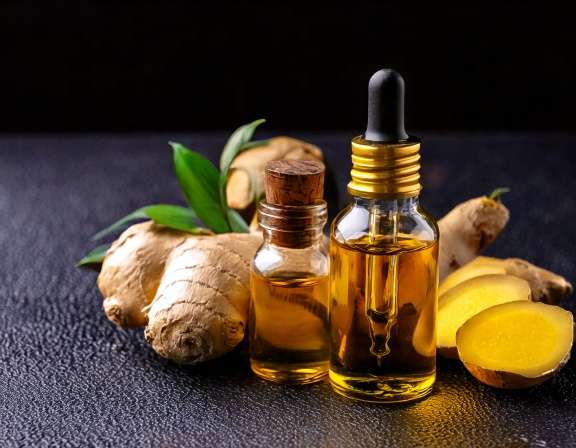
Ginger essential oil for stomach upset and queasiness
Ginger essential oil smells warm, spicy, and a little earthy. It tends to feel “grounding,” which is why people reach for it when nausea comes with nervous energy or a heavy, unsettled stomach.
You can inhale ginger the same way as peppermint, but many people also like it diluted on the skin. A simple adult dilution is 1 percent, which is about 1 drop per teaspoon of carrier oil (like fractionated coconut oil, jojoba oil, or sweet almond). Rub a small amount on the abdomen in a gentle clockwise motion, or apply to wrists if that feels better.
Skin sensitivity is the main caution here. Don’t use on broken skin, and stop if you feel burning. Also check with your provider if you take blood thinners or have a bleeding disorder, since ginger has a strong wellness history in that area.
For more detailed ideas, this post on ginger essential oil for nausea and motion sickness goes deeper into practical uses.
Lemon (and other citrus) when nausea comes with headaches or stuffy air
Lemon essential oil smells bright, clean, and light. It’s a nice option for nausea relief when nausea feels tied to “air problems,” like a closed room, cooking smells, fatigue, or a headache-y day where everything seems too intense.
Inhalation is usually the simplest. Put 1 drop on a cotton ball and take a few slow breaths. In a diffuser, lemon plays well with ginger (fresh plus warm) or lavender (fresh plus calm). Keep the diffuser session short, and crack a window if you can.
Topical caution matters with citrus. Some citrus oils, especially cold-pressed types, can be phototoxic. That means they may raise your risk of sun sensitivity if applied to skin. If you use lemon on skin, keep it very diluted and avoid sun exposure on that area for a while.
Also think about pets. Cats, in particular, can be sensitive to diffused oils. Use good ventilation and give pets an easy exit from the room.
Lavender when nausea is tied to stress, anxiety, or poor sleep
Lavender essential oil smells soft, floral, and calming. It’s a good pick when nausea feels like a side effect of a stressed-out body, tight shoulders, or a night of bad sleep. In those cases, “settling the stomach” often starts with settling the nervous system.
Try a simple inhale routine. Add 1 drop to a cotton ball or tissue. Sit down, relax your jaw, and take slow breaths in and out. Keep it gentle and steady for about 30 to 60 seconds. If the scent starts to feel heavy, stop and switch to fresh air.
Lavender can feel too floral for some people, especially when nauseated. It can also be mildly sedating, so save it for times when you’re safe to relax.
Spearmint and cardamom for people who cannot tolerate peppermint
Peppermint isn’t everyone’s friend. If it feels “too cold” or too intense, spearmint essential oil is often easier. Spearmint essential oil smells sweeter and lighter, with less of that sharp punch.
Cardamom essential oil is different. It’s spicy-sweet and warm, and it can feel comforting when nausea comes with food aversions or nervous fluttering. Think of it like a cozy kitchen scent that doesn’t crowd your head.
A quick decision tip helps:
- Choose spearmint if you want a gentle mint.
- Choose cardamom if you want warm and soothing.
Start with inhalation before skin use. Keep diffusion light, especially around kids. If you’re pregnant, check with your provider before using these oils.
Simple, safe ways to use essential oils when you feel sick
When nausea hits, more oil isn’t better. Strong smells can backfire fast. Instead, treat essential oils like salt in soup: a tiny amount can help, and too much ruins it.
Ventilation matters, so open a window if you can. Also set a timer. Short exposure reduces the chance of headache or scent overload, whether through inhalation or topical application. If symptoms worsen, stop immediately and switch to fresh air.
Quality matters too. Use therapeutic-grade, 100% pure oils that list the botanical name, have clear sourcing, and smell clean. Finally, store oils up high, lids tight, away from sunlight. Keep them away from kids and pets, even if you “only use a drop.”
Inhalation first, tissues, inhalers, and short diffuser sessions
Inhalation is usually the fastest option, and it avoids many skin issues. It’s also easier to stop if you feel worse.
Here are three easy methods:
- Tissue method (fastest)
Put 1 drop on a tissue. Hold it 6 inches away. Waft the scent and take 2 to 3 slow breaths. Pause for a minute before repeating. - Aromatherapy inhaler (best for travel)
Add 5 to 10 drops total to the inhaler wick (follow your inhaler’s directions). Inhale gently once or twice, then cap it. Don’t huff it like smelling salts. - Essential oil diffuser (best at home)
Use 2 to 4 drops in water. Diffuse for 10 to 20 minutes, then take a break. Keep the room aired out.
If you have asthma, COPD, or migraines, go extra slow. In those cases, a diffuser may be too much, while a single drop on a tissue might be fine.
Topical use without mistakes, dilution, patch tests, and what to avoid
Topical application can feel comforting because it adds a “ritual” element, a gentle rub on wrists or abdomen. Still, skin needs respect.
For adults, a simple nausea-support rule is 1 percent dilution. That’s about 1 drop essential oil per 1 teaspoon carrier oil. If you have sensitive skin, start even lower.
Before you apply broadly, do a patch test:
- Mix your diluted oil.
- Apply a small amount to the inner forearm.
- Wait 24 hours and watch for redness, itching, swelling, or skin irritation.
If all looks good, apply to areas like wrists, back of neck, or abdomen. Avoid the face, nostrils, eyes, and any broken or irritated skin.
Don’t swallow essential oils or add them to water “to drink.” Internal use needs qualified guidance, because improper use can be dangerous.
If nausea comes with constipation or sluggish digestion, gentle abdominal massage and warm compresses can help too. Apply to pressure points. This post on natural digestion support with essential oils offers more digestion-focused ideas.
Conclusion
Nausea can make the world feel smaller, but small comforts still count. Start with inhalation, pick one oil (peppermint, ginger, lemon, or lavender essential oil), and use the smallest amount that feels pleasant. If a scent annoys you, switch it out, your body’s giving you useful feedback.
Pair essential oils with basics that actually move the needle for nausea relief: fresh air, slow sips of water, and bland food like crackers or toast. Most importantly, keep an eye on red-flag symptoms and get medical care when needed. Save the safety tips, then try a simple one-oil tissue inhale the next time queasiness creeps in, or explore fennel seed oil, and see how your body responds to gentle support.
Stay Connected for More Natural Living Inspiration
If you enjoyed this post about herbal wellness and love discovering natural ways to refresh your home and wellness, don’t miss out on future recipes and clean-living tips! Subscribe to the blog for weekly DIYs, wellness inspiration, and herbal remedies delivered straight to your inbox.
Don’t forget to visit my LinkTree for the links to my favorite essential oils, herbal teas, natural recipes, YouTube ambiance videos for sleeping; a project I created to help with insomnia symptoms and the second channel, Rooted in Nature YouTube Channel both channels feature herbal recipes for wellness and home.
Thanks for coming by!



Leave a Reply