
(DISCLAIMER: I am not a doctor, and you should consult your healthcare professional before starting any health regimen.)

A warm shower, a clean towel, and the green, herbal scent of rosemary can turn a few quiet minutes into a comforting act of self-care. A diluted oil blend gives your fingertips a little slip as you slowly massage along the scalp.
Many people reach for essential oils for hair growth because they want a simple ritual that supports a cared-for scalp and healthier-looking hair. Rosemary has the strongest human evidence among the oils here, while peppermint, lavender, cedarwood, and thyme fit best as supportive scalp-care ingredients. The practical steps below cover helpful oils, safe dilution, application, easy recipes, and realistic expectations.
Key Takeaways for Using Essential Oils on Your Scalp
- Rosemary is the most researched option among these essential oils for hair growth.
- Essential oils belong in a carrier oil, such as jojoba, grapeseed, or sweet almond oil.
- A 1% to 2% dilution is a comfortable starting point for many adults.
- A patch test helps you get familiar with a new blend before using it on your scalp.
- Regular, gentle scalp massage can become a relaxing part of wash day.
- Sudden shedding, patchy areas, or unusual scalp changes deserve personal guidance from a qualified clinician.
Essential Oils for Hair Growth: Which Ones Are Worth Trying?
Essential oils can add scent, comfort, and intention to a scalp-care routine. The slow massage itself also invites you to notice how your scalp feels over time.
For a broader introduction to blends and application ideas, explore this guide to essential oils for hair growth. Use oils as a supportive part of your routine, with patient expectations and a gentle hand.
Rosemary Oil Has the Strongest Support for Scalp Care
Rosemary is the leading choice in this group because it has human research behind it. In a frequently cited 2015 six-month randomized trial published in Skinmed, Panahi and colleagues compared rosemary oil with 2% minoxidil in 100 men with androgenetic alopecia.
Both groups had higher hair counts after six months, and the study found no significant difference between their results at that point. That study gives rosemary a useful place in a scalp ritual, though it doesn’t promise the same outcome for every person or hair concern.
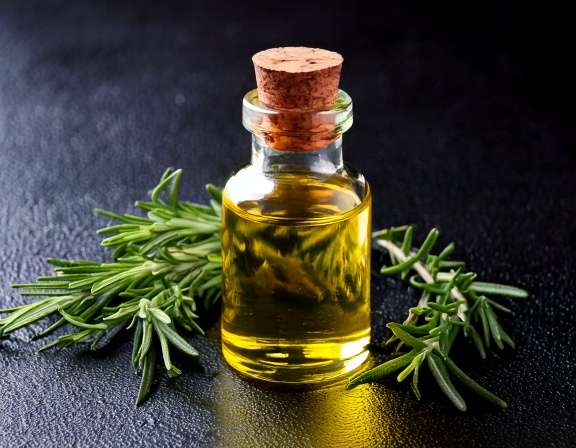
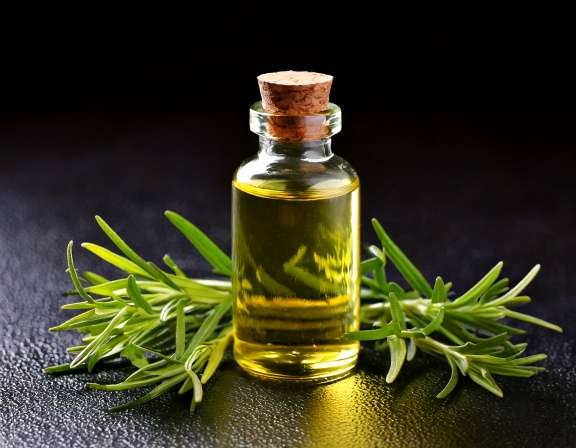
Start with a 1% to 2% rosemary blend, then use it consistently if your scalp feels comfortable. Its fresh, woody aroma also makes a simple massage feel like a small reset.
Peppermint Oil Brings a Cooling, Fresh Scalp Feel
Peppermint oil brings a brisk, minty sensation that many people enjoy before shampooing. A tiny amount can make a scalp massage feel fresh, especially during warm weather or after an active day.
Direct human research on peppermint for hair growth remains limited. Still, it works well as a supportive ingredient for people who enjoy its cooling character. Begin with one drop in a tablespoon of carrier oil, because peppermint’s sensation can feel strong. If your scalp feels uncomfortable, rinse with shampoo and return to a gentler blend another day.
Lavender, Cedarwood, and Thyme Work Best as Gentle Blend Ingredients
Lavender brings a soft floral scent that suits an evening routine. Cedarwood adds a dry, forest-like note, while thyme offers a warm, herbaceous aroma and calls for especially careful dilution.
These oils appeared with rosemary in a 1998 randomized, double-blind trial by Hay and colleagues for alopecia areata. Participants used thyme, rosemary, lavender, and cedarwood oils blended into jojoba and grapeseed oils. Nineteen of 43 people in the active blend group improved, compared with six of 41 in the control group.
The findings apply to the full aromatherapy blend, rather than proving an individual effect from each oil. For everyday home use, lavender and cedarwood can add a pleasant scent, while thyme belongs in very low amounts.
How to Use Essential Oils for Hair Growth Safely and Simply
Choose a carrier oil that feels pleasant on your hair and skin, then add essential oils drop by drop. For a simple adult home blend, begin with two to three total drops per tablespoon of carrier oil. Two to four drops is a practical upper range for a basic scalp blend.
Part your hair in several places and place small amounts directly along the scalp. Massage with your fingertips for one to two minutes using light circles. Leave the oil on for 20 to 60 minutes, then shampoo thoroughly.
Once or twice a week gives you time to enjoy the ritual and learn what suits your scalp. People with sensitive skin often appreciate beginning at the lower end of the dilution range.
Rosemary and Jojoba Scalp Massage Oil
Ingredients
- 1 tablespoon jojoba oil
- 2 to 3 drops rosemary essential oil
Jojoba is a light carrier oil that works beautifully in a simple scalp routine. Combine the ingredients in a small glass dish, then patch test the finished blend before regular use.
Apply it in sections along your scalp and massage for one to two minutes. Leave the blend on for 30 minutes beneath a loose towel or shower cap, then shampoo as usual. The herbal scent makes this an especially pleasant pre-wash ritual.
Refreshing Peppermint and Grapeseed Scalp Blend
Ingredients
- 1 tablespoon grapeseed oil
- 1 to 2 drops peppermint essential oil
Grapeseed oil has a light feel, which many people enjoy when their hair prefers less weight. Mix the ingredients well and start with one drop of peppermint for your first application.
Smooth a small amount along the scalp, then massage gently with your fingertips. Allow 20 to 30 minutes of contact time before rinsing well and shampooing. Its cool, clean scent can make a busy wash day feel more refreshing.
A Gentle Rosemary and Lavender Weekly Treatment
Ingredients
- 1 tablespoon sweet almond or sunflower oil
- 2 drops rosemary essential oil
- 1 drop lavender essential oil
This blend pairs rosemary’s crisp herbal aroma with lavender’s softer floral note. Mix the oils in a small bowl, then work the blend across the scalp in a few neat parts.
Massage for one to two minutes and leave it on for 30 to 45 minutes before washing it out. Sweet almond and sunflower oil both offer an easy base, and you can choose a different carrier oil that better suits your hair texture.
Build a Hair-Growth Routine That Fits Your Scalp
A steady routine matters more than using a large amount of oil. Choose one blend, use it regularly, and keep the massage gentle. Taking a photo before you begin gives you a more useful reference point than checking your hair day by day.
Review your photos and notes after several months. Along the way, pay attention to scalp comfort, how easily the blend washes out, and whether your hair prefers a lighter or richer carrier.
Jojoba and grapeseed oil feel light for many people. Argan oil has a silky texture, while coconut oil feels richer and may become solid in a cool room. Sweet almond oil offers soft slip, and sunflower oil is a simple, mild-feeling option.
Continue any clinician-recommended scalp care that already works for you. Essential oils can sit alongside a thoughtful hair routine, especially when you give each product its own place and timing.
Store essential oils and homemade blends in dark glass bottles when possible. Keep caps closed tightly and place them in a cool, dry cabinet away from direct sunlight.
A small, well-diluted blend used consistently gives your scalp more comfort than a heavily scented mixture.
Simple Safety Steps for Comfortable Essential Oil Use
Safe use helps aromatherapy stay enjoyable. Always combine essential oils with a carrier oil, and patch test a finished blend on the inner arm for 24 hours before applying it to the scalp.
Apply the blend carefully around the scalp and hairline, keeping it away from the eyes. Wash your hands after each application, especially before touching your face. Label homemade bottles with the ingredients and the date you mixed them.
At the first sign of discomfort, rinse the area thoroughly and set the blend aside. A gentler formula or a different carrier oil may feel better for future use.
Pregnant or breastfeeding readers, parents choosing products for children, and people with eczema, contact dermatitis, fragrance sensitivity, or asthma-related fragrance triggers can seek individualized guidance before beginning. The same thoughtful step applies to scalp pain, redness, scaling, oozing, sudden shedding, or patchy bald spots.
Anyone using minoxidil, prescription scalp treatments, or medicated shampoos can ask a clinician or pharmacist how to arrange their routine. Personal guidance helps you keep each product in a comfortable rhythm.
Frequently Asked Questions
How long should I use an oil blend before checking progress?
Take a starting photo, then check again after several months rather than day to day. Hair changes move slowly, while scalp comfort often gives earlier clues about whether a blend suits your routine. Consistency creates a clearer picture than frequent product switching.
Can I use a diluted essential oil blend on damp hair?
A blend can work on dry or slightly damp hair, though many people find dry roots easier to part and massage. Use a small amount along the scalp rather than coating the lengths. Shampooing after the suggested contact time helps keep the routine clean and simple.
How often should I wash out a scalp oil treatment?
Wash the blend out after its planned contact time, usually within 20 to 60 minutes. A thorough shampoo helps remove the carrier oil from the scalp and roots. Choose a schedule that fits your usual cleansing routine and leaves your hair feeling comfortable.
Can I combine several essential oils in one recipe?
Yes, as long as you keep the total number of essential-oil drops within a gentle dilution range. Rosemary and lavender pair beautifully, while thyme calls for extra restraint because of its strong aroma. Begin with a small blend so you can enjoy each scent without overwhelming your scalp.
A Simple Scalp Ritual to Keep
Essential oils for hair growth work best as part of a calm, regular scalp-care practice. Rosemary remains the most researched option in this group, while peppermint, lavender, cedarwood, and thyme bring their own aromatic character to diluted blends.
Dilution and patch testing help every recipe feel more comfortable and personal. Choose one simple blend, track how your scalp feels, and let the scent and slow massage become a welcome part of your week.
Stay Connected for More Natural Living Inspiration
If you enjoyed this post about herbal wellness and love discovering natural ways to refresh your home and wellness, don’t miss out on future recipes and clean-living tips! Subscribe to the blog for weekly DIYs, wellness inspiration, and herbal remedies delivered straight to your inbox.
Don’t forget to visit my Amazon storefront for the links to my favorite essential oils, herbal teas, and natural recipes. I also create YouTube ambiance videos for sleeping; a channel I created to help people who have trouble sleeping. The link to all social media content is here.
Thanks for coming by!

Leave a Reply