
(DISCLAIMER: I am not a doctor, and you should consult your healthcare professional before starting any health regimen.)

Essential oils lose their scent and character faster than they should when they sit in the wrong place. A sunny shelf, a loose lid, or a warm bathroom can shorten their life fast.
The fix is simple. With the right bottle, a tight seal, and a cool dark spot, even a small home can give oils a long shelf life. If you’re still building your collection, a beginner’s guide to essential oils can help you choose oils you’ll actually use up.
Key takeaways for storing essential oils the right way
- Choose amber or cobalt blue glass instead of plastic for long-term storage.
- Keep caps tight and threads clean so air stays out.
- Store bottles away from sunlight, stoves, radiators, and hot electronics.
- Move leftovers into a smaller bottle once a container is partly empty.
- Use a cool, dark, dry drawer, cabinet, or closet shelf.
- Citrus oils can benefit from a dedicated refrigerator if you have room.
Cool, dark, and tight does more work than any decorative display.
Choose bottles that protect the oil, not harm it
The bottle matters as much as the oil inside it. Pure essential oils need glass that blocks light and closures that keep air out. Plastic can react with oils over time, and worn lids can let good oil go flat early.
Why amber glass is the safest everyday option
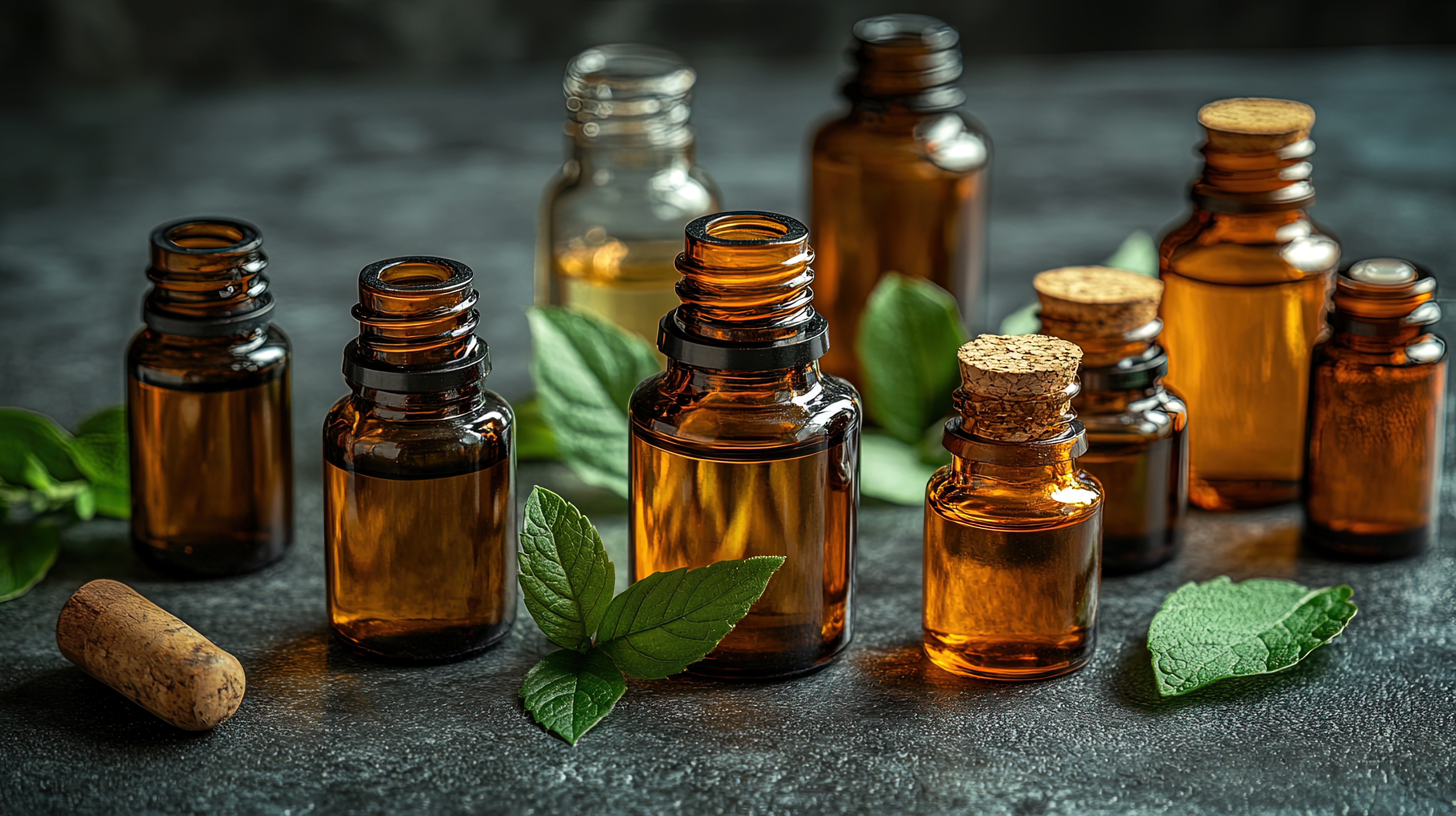
Amber glass blocks more light than clear glass, so it helps oils hold their scent and strength longer. It’s a smart pick for citrus oils, blends, and anything you don’t reach for daily. Cobalt blue glass also works, but amber is easier to find and widely used for storage.
When a smaller bottle makes more sense
Once a bottle is half empty, the air inside starts doing more damage. Transfer leftovers to a smaller dark glass bottle so the headspace shrinks. That matters for expensive oils and for oils you use in small amounts.
Lids, droppers, and seals that help oils stay fresh
Choose tight screw caps with clean threads. Skip rubber droppers for long-term storage, because they wear down and can get sticky. If a neck is cracked or a lid no longer fits snugly, retire the bottle.
Keep essential oils away from light and heat
Sunlight and warmth are the fastest ways to age essential oils. Heat speeds oxidation, and the scent can turn flatter, sharper, or thinner. That is why windowsills, bathroom shelves, and counters beside a stove are rough places for long-term storage.
Best places in a small home to store oils
A drawer, closet shelf, shaded pantry spot, or bedroom cabinet works well if the space stays cool and still. A lidded box inside a cabinet is even better, because it cuts down light and dust.
Spaces that seem fine but quietly damage oils
Open shelving near a window looks tidy, but light reaches the bottles all day. Bathrooms also swing between steamy and cool, which is hard on oils. A car glove box is worse. It turns into a hot box fast.
Set up a shelf or drawer that keeps oils organized and stable
A small home needs a storage system that saves space and keeps bottles easy to reach. Use a tray, divider, box, or narrow rack so bottles stay upright and don’t rattle around.
Simple shelf setup ideas for tiny spaces
A slim cabinet, lidded basket, or portable case can hold more than you think. If you store oils in a box, choose one that keeps out light and doesn’t slide around easily.
How to keep bottles upright, labeled, and easy to grab
Upright bottles help prevent leaks and keep caps cleaner. Face the labels up, and write the purchase month on each bottle so you know what to use first. Keep oils out of reach of kids and pets.
How to organize oils by how often you use them
Put everyday oils in front, and store rare oils toward the back. That way you handle each bottle less, and the shelf stays neat without much effort.
Storage mistakes that make essential oils go bad faster
Small habits can shorten shelf life fast.
- Leaving caps loose after a quick sniff.
- Storing oils in clear glass on an open shelf.
- Setting bottles near a stove, heater, or sunny window.
- Using droppers or lids that no longer seal well.
- Reopening bottles over and over without closing them right away.
Signs an oil may no longer be fresh
A tired oil often smells flatter, sharper, or more sour than it used to. The color may darken or turn cloudy. Citrus oils usually show age faster than thicker oils like patchouli or vetiver.
What to do with oils that are past their best
If the scent is off, don’t put it on skin. Use it for cleaning, drawer freshening, or small scent projects if it still smells usable. For older oils you want to use up, tips for mixing essential oil blends can help you keep the ratios simple.
Three easy ways to use oils that still smell fine:
- Citrus counter spray: Mix 1 cup distilled water, 1/2 cup white vinegar, and 10 drops lemon or sweet orange in a spray bottle. Shake before each use, and avoid natural stone.
- Linen refresh spray: Combine 2 oz witch hazel, 2 oz distilled water, 8 drops lavender, and 4 drops bergamot in a small mister. Shake well and spray lightly on fabric, not silk.
- Drawer scent pad: Add 3 drops cedarwood and 3 drops lavender to a cotton pad or felt square. Place it in a drawer or lidded tin, then refresh when the scent fades.
A simple storage routine that helps oils last longer
A quick routine keeps good storage from becoming a forgotten chore. Close the lid as soon as you pour or smell the oil. Wipe the neck if a drop escapes, then return the bottle to the same cool, dark spot.
Once a month, check for leaks, sticky caps, or a shelf that gets warmer than it should. If you only use an oil once in a while, buy a smaller bottle next time.
Conclusion
Essential oils last longer when they stay cool, dark, tightly sealed, and organized. That sounds plain, but it works because it keeps light, heat, and air from wearing the oil down.
Start with one small change, maybe moving bottles out of the bathroom or switching your most-used oils to amber glass. In a small home, a smart setup can keep every bottle fresher and easier to use when you need it.
Stay Connected for More Natural Living Inspiration
If you enjoyed this post about herbal wellness and love discovering natural ways to refresh your home and wellness, don’t miss out on future recipes and clean-living tips! Subscribe to the blog for weekly DIYs, wellness inspiration, and herbal remedies delivered straight to your inbox.
Don’t forget to visit my Amazon storefront for the links to my favorite essential oils, herbal teas, and natural recipes. I also create YouTube ambiance videos for sleeping; a channel I created to help people who have trouble sleeping. The link to all social media content is here.
Thanks for coming by!

Leave a Reply