(DISCLAIMER: I am not a doctor, and you should consult your healthcare professional before starting any health regimen.)

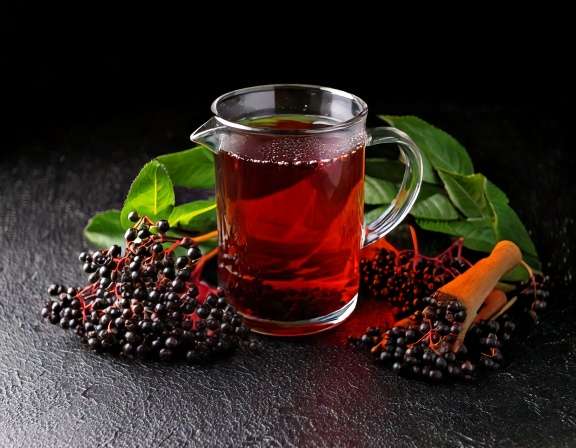
Steam curls above a ruby-dark cup, carrying the scent of fruit and warm spice. Elderberry tea can make a comforting part of a quiet morning or a slow evening, especially when you want a caffeine-free herbal drink.
Most people want three clear answers before pouring a cup: what it may offer, how to prepare it well, and how to use it thoughtfully. The guidance below keeps the focus on properly prepared ingredients, realistic expectations, and an enjoyable caffeine free herbal tea ritual.
Key Takeaways
- Elderberry tea may offer comforting, short-term support during seasonal sniffles and sore-throat days.
- Fully processed dried berries or reputable tea blends make preparation simple and reliable.
- A 20-minute simmer brings out the berries’ deep flavor and follows common safety guidance.
- Tea, syrups, capsules, and extracts differ in strength, so their serving directions aren’t interchangeable.
- Personal health needs, medicines, pregnancy, and breastfeeding deserve individual guidance from a qualified health professional.
Elderberry Tea Health Benefits: What This Herbal Drink May Offer
Elderberry tea is an herbal infusion made with the fruit of the elder tree, often black elder, or Sambucus nigra. The dried berries turn water wine-red and bring a tart, berry-like taste that pairs naturally with cinnamon, ginger, citrus, and honey.
For generations, people have enjoyed elderberry in teas, syrups, preserves, and seasonal kitchen remedies. Its berries contain anthocyanins and other polyphenols, plant compounds with antioxidant activity. These antioxidants may contribute to the fruit’s wellness properties, making elderberry an appealing ingredient in a balanced routine.
Preliminary research suggests that some elderberry products may offer short-term support for certain cold and flu symptoms. However, current evidence doesn’t show that tea is reliably immune boosting or that it strengthens the immune system. Research also hasn’t established that a cup can reduce inflammation or treat a respiratory infection.
A warm cup can still be a comforting natural remedy people enjoy during colder seasons. For a broader look at botanical drinks, explore the benefits of herbal tea.
Plant compounds and realistic expectations
A cup of elderberry tea offers warmth, hydration, and naturally occurring compounds released during simmering. Those qualities can feel especially welcome when the weather turns cold and dry.
Still, tea works differently from a measured supplement. It belongs alongside sleep, nourishing food, fluids, and appropriate care for symptoms that feel severe, persistent, or worsening. Enjoy it for its flavor and gentle seasonal comfort, while keeping expectations practical.
How this infusion compares with syrup and supplements
This infusion is usually a diluted beverage. Elderberry syrup, capsules, gummies, and liquid extracts may contain more concentrated elderberry, plus ingredients such as sugar, glycerin, alcohol, vitamin C, or other herbs.
Research involving extracts or capsules can’t automatically describe the effects of a homemade cup. Strength depends on the elderberry species, berry form, processing method, and serving size. Dried elderberries may vary in concentration, too, so choose products with clear ingredients and straightforward directions.
If you enjoy ready-to-mix options, this guide to herbal tea concentrates for beginners explains how concentrated drinks differ from regular infusions.
The Best Brew Method for a Safe, Flavorful Cup
Start with a reputable elderberry tea blend or fully processed berries from a trusted supplier. Look for products that identify the botanical ingredient and provide preparation guidance on the package.
For one cup, place 1 teaspoon of berries in 1 cup of water. Bring the mixture to a boil, then lower the heat and simmer for at least 20 minutes. Gaia Herbs uses this one-teaspoon-to-one-cup method, giving the berries time to release their color and flavor.
For a simple simmer and strain method, pour the finished tea through a fine mesh strainer. Add cinnamon, fresh ginger, lemon, or raw honey to suit your taste. Honey belongs only in cups for people older than 12 months.
Store leftover tea in a covered container in the refrigerator and enjoy it within 48 hours. Reheat it gently on the stovetop, or serve it hot or iced.
A full simmer gives elderberry tea a fuller taste and keeps preparation centered on properly heated, processed berries.
Classic Elderberry Cinnamon Tea
This simple cup tastes like berry compote warming on the stove. Cinnamon softens the berry’s tart edge without hiding its fruit character.
Ingredients
- 1 teaspoon dried elderberries
- 1 cup water
- 1 small cinnamon stick
- 1 teaspoon honey, optional
- 1 thin lemon slice, optional
Add the berries, water, and cinnamon stick to a small saucepan. Bring to a boil, then simmer gently for 20 minutes. Strain into a mug and stir in honey if desired. Finish with lemon for a brighter cup.
Ginger Lemon Elderberry Tea
Fresh ginger brings a clean, warming note that works well with the berry’s dark-fruit flavor. This recipe is especially pleasant on cool afternoons.
Ingredients
- 1 teaspoon dried elderberries
- 1 cup water
- 2 thin slices fresh ginger
- 1 teaspoon fresh lemon juice
- Honey to taste, optional
Simmer the berries and ginger in water for 20 minutes. After straining, add lemon juice and honey. Let the freshly brewed tea sit for a minute so the flavors settle together.
Berry Herbal Tea Blend
This blend gives elderberry a softer, rounder flavor profile with familiar dried fruit and floral notes. Choose hibiscus flowers and rose hips from a tea supplier with clear labeling.
Ingredients
- 1 teaspoon dried elderberries
- 1 teaspoon dried hibiscus
- 1 teaspoon dried rose hips
- 1 1/4 cups water
- Orange peel, optional
Simmer the berries in water for 20 minutes. Add hibiscus, rose hips, and orange peel during the final five minutes. Strain well, then sweeten lightly if you prefer a gentler tartness.
How to choose a prepared elderberry tea
A prepared tea bag can be convenient, but the label tells you what kind of drink is in your cup. Check whether the blend contains berries, elderflowers, or both. Elderflowers have a lighter floral profile, while berries create the deeper color and fruitier taste many people expect.
Choose a product that names the plant material, lists other herbs and sweeteners, and provides clear steeping instructions or simmer directions. Loose leaf tea and tea bags vary in strength and processing. Look for clearly labeled organic elderberries and other organic ingredients only when the package makes those claims. Following the directions for the exact product gives you a more consistent result than borrowing serving amounts meant for a syrup or capsule.
Elderberry Tea Safety Notes: What to Know Before You Sip
Elderberry has a long place in home kitchens, and proper preparation makes that tradition easier to enjoy. Use commercially processed tea products or dried elderberries that are ripe and sold for food use. Keep raw or unripe berries, leaves, stems, bark, and mixed foraged plant parts out of your teapot.
These parts of the elder plant can contain cyanide-producing compounds, including sambunigrin. They may cause nausea, vomiting, or diarrhea when consumed raw. For safety, avoid raw leaves, stems, bark, and unripe fruit.
Thorough cooking helps reduce these compounds, including sambunigrin, which is why a patient simmer matters. The European Medicines Agency and the NCCIH both emphasize ripe or processed fruit and thorough heating.
A 20-minute simmer is a practical home method for dried berries. It also gives the beverage a fuller body and a more satisfying berry taste.
There is no universal serving amount for this beverage. Blends differ by species, berry weight, plant part, freshness, and concentration. Follow the label on your chosen product, and keep portions moderate. A moderate serving may fit a routine during cold and flu season, but it isn’t a substitute for medical care.
High amounts can feel rough on a sensitive stomach. Raw plant parts may contain sambunigrin, so careful preparation remains essential.
Who should check with a health professional first
People who use prescription or over-the-counter medicine can ask a pharmacist, doctor, or qualified herbal professional before making elderberry a regular habit. This is especially helpful for anyone using blood-pressure medicine or managing heart-rhythm concerns.
Pregnancy and breastfeeding call for individual guidance because safety information remains limited. A professional who knows your health history can help you choose an approach that fits your needs.
This beverage complements appropriate care. Prompt medical evaluation is the right next step for serious symptoms, breathing difficulty, dehydration, chest pain, or symptoms that continue to intensify.
How often can you drink elderberry tea?
Research doesn’t provide one reliable tea-specific daily amount. A sensible approach is to enjoy it as an occasional or moderate herbal beverage and follow the package directions for your particular blend.
Pay attention to how you feel with any new herbal tea. If an unexpected reaction appears, pause the tea and ask a qualified health professional for advice. That simple habit supports a relaxed and personal approach to herbal wellness.
Frequently Asked Questions
Does this drink contain caffeine?
Pure berry tea is naturally caffeine free. Check blended products, since some contain black tea, green tea, yerba mate, or other caffeinated ingredients. The ingredient label provides the clearest answer.
Can elderberry flowers and berries go in the same tea?
Yes, many commercial blends pair elderflowers with elderberries. Flowers add a light, honeyed floral character, while berries bring deeper color and tart fruit flavor. Follow the product’s steeping instructions, since ingredients may steep or simmer differently.
Can children drink elderberry tea?
A parent or caregiver can check with a pediatric health professional before offering herbal products to a child. Choose commercially prepared, age-appropriate products when advised, and keep the blend simple. Honey is suitable only for children older than 12 months.
Can I make this tea with fresh berries?
Fresh ripe berries require careful identification, preparation, and thorough heating. Fully processed dried berries or a reputable tea blend offer a simpler option for everyday brewing. Directions for elderberry syrup aren’t interchangeable with tea preparation. Avoid berries from an unfamiliar elder tree, along with any leaves, stems, bark, or unripe fruit.
Is elderberry tea a good choice before bed?
Because pure berry tea contains no caffeine, it can fit nicely into an evening routine. Cinnamon or a small amount of honey can make the cup especially cozy. If you use a blend with green or black tea, enjoy it earlier in the day.
A Comforting Cup, Made With Care
This berry infusion can bring fruit-forward flavor, warming steam, and possible short-term seasonal symptom support to your routine. Research is still developing, so enjoy it as a well-prepared herbal tea rather than a cure-all.
Choose fully processed berries or a clearly labeled blend, and simmer dried berries for at least 20 minutes. Keep raw elder plant parts out of the cup. When medicines, pregnancy, or breastfeeding are part of your picture, professional guidance adds peace of mind.
A quality blend, a patient simmer, and a favorite mug make elderberry tea a lovely part of balanced self-care.
Stay Connected for More Natural Living Inspiration
If you enjoyed this post about herbal wellness and love discovering natural ways to refresh your home and wellness, don’t miss out on future recipes and clean-living tips! Subscribe to the blog for weekly DIYs, wellness inspiration, and herbal remedies delivered straight to your inbox.
Don’t forget to visit my Amazon storefront for the links to my favorite essential oils, herbal teas, and natural recipes. I also create YouTube ambiance videos for sleeping; a channel I created to help people who have trouble sleeping. The link to all social media content is here.
Thanks for coming by!

Leave a Reply