

(DISCLAIMER: I am not a doctor, and you should consult your healthcare professional before starting any health regimen. Product links are commissioned and supports the blog)

Key Takeaways:
- Start with gentle classics like eucalyptus oil, lavender oil, and rosemary oil, then consider peppermint oil or tea tree oil if you tolerate stronger scents.
- Use steam or a diffuser first, because they’re often the easiest on sensitive skin.
- Dilute for topical use every time, even if you “never react.”
- Patch test on your forearm, and wait at least 24 hours if you’re prone to irritation.
- Keep oils away from eyes and the inside of your nose, no rubbing under nostrils, and never put oils in a neti pot.
- Skip essential oils for young kids (especially menthol-heavy oils), and check with a clinician if you’re pregnant, nursing, have asthma, or have seizure history.
- Call a clinician for high fever, severe facial pain, shortness of breath, symptoms past 10 days, or a pattern of “better then worse.”
It starts the same way every time. You wake up with pressure behind your eyes, a stuffy nose that feels glued shut, and a dull headache that follows you from room to room. Even your teeth might ache. When your sinuses feel like stuffed, swollen tunnels, you’ll try almost anything for a little air.
Essential oils for sinus infection used in aromatherapy can support comfort, especially when you want gentle help with airflow, moisture, and that tight “full” feeling in your face. Still, they don’t replace medical care. Sinus infections can be viral or bacterial, and the right plan depends on how severe your symptoms are and how long they’ve lasted.
In this guide, you’ll get simple, practical methods (steam, diffuser, and diluted topical use) plus clear do-not-do warnings. Think of essential oils like a warm cup of tea for your senses, helpful for soothing, not a cure-all.
When you’re congested, your nose is already on edge. Start low and slow, because strong aroma can feel like too much.
Sinus infection basics, what you’re feeling and why oils might help
Your sinuses are small, air-filled pockets in your face. They sit behind your cheeks, between your eyes, and above your eyebrows. On a good day, they’re quiet. They warm and moisten the air you breathe before it reaches your nasal passages, and they drain mucus through tiny openings into your nasal passages.
During a sinus infection (sinusitis), those delicate linings swell, leading to sinus congestion. As a result, drainage slows down. Mucus gets thicker, the openings narrow, and pressure builds like a balloon that won’t release air. That “full face” feeling is often inflammation plus trapped mucus, not just “a lot of snot.”
Common symptoms include:
- nasal congestion and trouble breathing through your nose
- thick drainage, sometimes with a smell or taste
- sinus pressure in cheeks, forehead, or behind the eyes
- headache that worsens when you bend over
- postnasal drip and a scratchy throat
- fatigue, and sometimes fever
Timing matters. Many sinus infections start with a virus, often right after a cold. In the first week, viral causes are common. Bacterial sinusitis becomes more likely when symptoms last over 10 days, feel severe (high fever, strong facial pain), or improve and then suddenly worsen again, potentially signaling chronic sinusitis.
So where do essential oils fit? They can’t act as antibiotics, and they don’t guarantee an infection will “go away.” However, aroma can support a sense of clearer breathing, offer the anti-inflammatory benefits many people seek from oils, help you relax, and make warm steam feel more comforting. Some scents also freshen stale indoor air, which is a nice bonus when you’re stuck at home.
If you want broader ideas for congestion comfort beyond sinus pressure, this guide on top oils for respiratory congestion relief pairs well with the routines below.
Sinus infection vs allergies vs a cold, quick clues that change what you do
Symptoms overlap, so think in patterns, not single signs.
Allergies, or allergic rhinitis, often bring itchy eyes, sneezing fits, and clear, watery drip. Fever is uncommon. A cold may cause sore throat, mild fever, and body aches, then congestion that shifts over a few days. Sinus infection symptoms can feel deeper, with facial pressure and thicker drainage.
A few quick clues:
- Itchy eyes and lots of sneezing points toward allergies.
- Body aches and a scratchy throat early often points toward a cold.
- Fever and strong fatigue can happen with viral illness, and sometimes with sinus infection.
- Thick, stuck mucus and face pressure can show up in both, but it’s common in sinusitis.
- Duration matters: symptoms that drag past 10 days deserve more attention.
Because signs can blur together, focus on comfort care while watching for red flags.
When essential oils are a good idea, and when they can backfire
Strong scents can irritate inflamed tissue. If your nose burns when you walk past perfume, treat essential oils the same way. In addition, intense aroma can trigger coughing, or worsen asthma symptoms in some people.
Less can feel like more when you’re congested. Your nose may not smell well, yet the vapor still hits sensitive airways.
A simple rule helps: start with 1 drop in steam or use a low diffuser setting, then increase only if it feels comfortable. If you feel wheezy, tight-chested, or “scratchy” in your throat, stop and switch to plain steam or a humidifier.
The best essential oils for sinus infection comfort, and how to choose the right one
Choosing an oil is like choosing a tea. Peppermint is espresso-strong. Lavender is a soft blanket. Eucalyptus is a brisk walk in cool air. Match the scent to what your body can handle that day.
Here are reliable options for sinus infection comfort, with plain-English notes (no miracle claims, just how they tend to feel):
- Eucalyptus radiata: Crisp and clean, high in 1,8-cineole (eucalyptol), often gentler than other eucalyptus types. This eucalyptus oil gives many people a “clear breathing” vibe without feeling overwhelmed.
- Eucalyptus globulus: Sharper and stronger. It can feel intense, and it’s not a good choice around young children. If you’re sensitive, skip it and choose radiata.
- Peppermint oil: Cooling and bold. It can feel like a menthol breeze, which some people love for head pressure sensations. Because it’s powerful, use less than you think.
- Tea tree oil (Melaleuca alternifolia): Sharp, clean, and medicinal-smelling. People often use it to make a room smell “fresh,” though the aroma can be too strong when you’re sick.
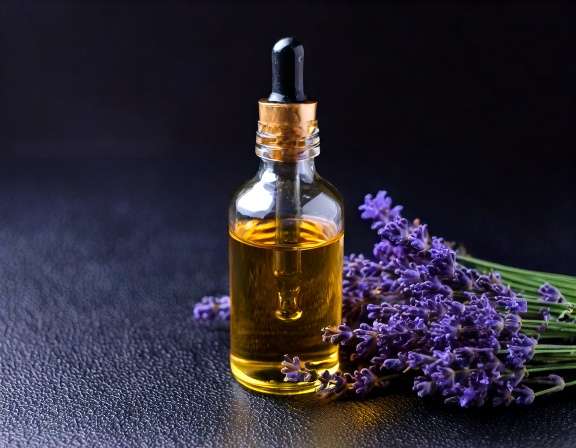
- Lavender oil: Soft, floral, and calming with anti-inflammatory qualities. It’s a great choice when congestion steals your sleep or when facial tension makes you clench your jaw.
- Rosemary ct cineole: Herbal and bright. This rosemary oil is often chosen for a clarifying, “open” feel when you diffuse or inhale gently.
- Frankincense oil: Resinous, warm, and grounding. It’s popular at bedtime when you want calm breathing and a settled nervous system.
- Lemon: Light, clean, and sunny. Lemon doesn’t “open sinuses” like menthol oils, yet it can make a space feel fresher, which is helpful when you’re stuck indoors.
If eucalyptus is your main go-to, this deeper guide to eucalyptus essential oil for congestion and sinuses can help you choose types and use it with care.
Quality also matters. Look for:
- the botanical name on the label
- chemotype when relevant (for example, rosemary ct cineole)
- a product labeled essential oil, not “fragrance oil”
Fragrance oils smell nice, but they aren’t the same material. When you’re already inflamed, you want fewer surprises.
A simple “pick by symptom” guide (pressure, stuffiness, sleep, cough)
For pressure and a stuffy head, try eucalyptus radiata with lavender in steam or a diffuser. If bedtime congestion keeps you awake, lavender with frankincense tends to feel gentler and more settling.
When you have a thick, stuck feeling, rosemary ct cineole plus eucalyptus radiata can smell more “clearing,” especially in short diffuser sessions. If you need the mildest option, start with lavender alone, then add one drop of eucalyptus radiata only if your nose tolerates it.
For a coughy, tickly night, skip very strong peppermint at first. Instead, try a softer blend and keep the room humid.
Oils to avoid or use with extra care when you’re congested
Some oils are famous online for being “strong,” yet strong isn’t always good when your tissues are swollen.
Use extra care, or avoid, when you’re sick:
- Cinnamon bark, clove, oregano oil, thyme: These “hot” oils can burn skin and overwhelm breathing fast.
- Very heavy blends: Too many drops can irritate your throat and trigger coughing.
- Direct nose use: Don’t put oils inside nostrils, don’t add them to a neti pot, and don’t swipe them under your nose.
Also think about your home. Diffusing around pets needs caution, especially cats. Keep good ventilation, offer pets a way to leave the room, and use short sessions.
How to use essential oils safely for sinus relief, step by step
The safest routine is the one you can repeat without irritation. For most people, that means steam and diffusion first, then topical use only if you dilute well.
Before any method, set yourself up for success. Drink water, run a humidifier if your air is dry, and keep tissues nearby. Then use essential oils as a small add-on, not the main event.
Wash hands after handling oils, because eyes get rubbed without thinking. In addition, avoid contact with lips and any broken skin. If irritation happens, stop right away and rinse skin with plenty of carrier oil first, then soap and water.
Below are four methods that work well for sinus infection comfort.
Steam inhalation that feels like a warm towel for your nose
Steam inhalation is simple, and it can feel like someone placed a warm cloth across your face. Add essential oils only after you know plain steam feels good. These oils, like eucalyptus radiata or lavender, offer antimicrobial properties that support relief.
First, pour hot water into a bowl after it’s off the boil. Next, add 1 drop of eucalyptus radiata or lavender. (If you tolerate it well, you can use up to 2 drops total, not more.) Then lean over the bowl at a safe distance, place a towel over your head like a tent, and close your eyes.
Breathe normally for 3 to 5 minutes. Take breaks if you feel lightheaded. Afterward, sit up slowly and rest a few minutes.
Safety notes matter here. Steam can burn skin fast, so keep your face back. Skip this method for young children. Also avoid steam if you feel wheezy or tight-chested.
Diffuser and bedtime setup for easier breathing at night
Diffusers are helpful because they don’t require you to hover over a bowl when you’re exhausted, and they gently interact with your respiratory system. Still, more drops don’t equal better sleep.
For a standard water diffuser, use 3 to 5 drops total. Run it for 30 minutes, then turn it off. If your diffuser has an intermittent mode, that’s often a better choice overnight.
A gentle night blend: lavender plus eucalyptus radiata. Keep it soft, because bedtime airways can get reactive.
A humidifier can also help because moisture keeps mucus from turning into glue. Aim for a slightly cool room, clean bedding, and a propped pillow.
If you want a ready-made idea for a stronger daytime session, this DIY sinus decongestant diffuser blend is worth saving, but keep the dose low when you’re actively irritated.
Topical dilution made simple, a chest and neck rub that won’t sting
Topical application can feel comforting, yet it’s where many people overdo it, especially compared to over-the-counter nasal sprays. When you’re sick, your skin may be more reactive. Start lower than you think you need.
A simple adult dilution: 1 percent, which is about 6 drops per 1 ounce (30 ml) carrier oil. If you’re sensitive, cut that in half.
Good carriers include jojoba, sweet almond, and fractionated coconut oil. After mixing, apply a small amount to your upper chest and the sides of your neck. Avoid the face. Don’t put it under your nostrils, and never go near your eyes.
Patch test first. If you feel burning, wash the area with carrier oil, then soap and water. Clothing can also hold aroma close to your nose, so use a small amount.
If it stings, it’s not “working.” It’s irritation, and irritation makes congestion feel worse.
Quick blends you can rotate through the day (gentle, medium, strong)
Keep blends simple, because your body is already busy. These offer a decongestant effect without overwhelming your senses.
Gentle: lavender plus eucalyptus radiata. Use this in steam, an aroma inhaler, or a short diffuser session when your head feels heavy.
Medium: eucalyptus radiata plus rosemary ct cineole. This works well for daytime diffusion when you want a brighter, clearer scent.
Strong (use very low dose): peppermint plus eucalyptus radiata. Try this only if menthol doesn’t make you cough. One drop of peppermint goes a long way, especially in steam.
No matter the blend, pause between sessions. Your nose needs rest, not nonstop aroma.
Conclusion
When a sinus infection hits, comfort can feel urgent. A simple 48-hour routine often helps ease sinus congestion while your body does its work: hydrate often, use warm steam with 1 drop of a gentle oil, run short diffuser sessions, and apply a diluted chest and neck rub. Add rest whenever you can, because hydration and sleep support your immune system and healing more than any bottle does.
Essential oils belong in the support role. Used with restraint, they can make breathing feel less tight and nighttime a little calmer. If they irritate you, stop and switch to plain humidity and saline.
Watch for red flags and get medical help fast if you have trouble breathing, swelling around the eyes, high fever, severe one-sided facial pain, stiff neck, confusion, symptoms longer than 10 days, or worsening after early improvement. Above all, trust what your body tells you. Gentle support beats harsh “fixes” every time.
Stay Connected for More Natural Living Inspiration
If you enjoyed this post about herbal wellness and love discovering natural ways to refresh your home and wellness, don’t miss out on future recipes and clean-living tips! Subscribe to the blog for weekly DIYs, wellness inspiration, and herbal remedies delivered straight to your inbox.
Don’t forget to visit my Amazon storefront for the links to my favorite essential oils, herbal teas, and natural recipes. I also create YouTube ambiance videos for sleeping; a channel I created to help people who have trouble sleeping. The link to all social media content is here.
Thanks for coming by!


Leave a Reply