

(DISCLAIMER: I am not a doctor, and you should consult your healthcare professional before starting any health regimen.)

Bug sprays with harsh chemicals like DEET are everywhere, but concerns about exposure have fueled a shift to natural bug spray solutions. More people want safe, effective options for families and pets, especially as we spend more time outside. Essential oils for mosquitoes, ants, and other insects keep popping up as popular alternatives, but not all recipes work the same.
In this guide, you’ll find easy, proven recipes using essential oil for insects that actually keep bugs away. Whether you’re looking for a safer DEET alternative or want to stay bite-free with natural ingredients, you’ll get practical instructions that really work. If you’re new to oils or want to use them more safely, check out must-have essential oils to get started with confidence.
Why Choose Natural Bug Sprays Over DEET?
Natural bug spray options are catching on for good reason. With families eager to avoid harsh chemicals, essential oils for mosquitoes, ants, and other insects offer a simple and safer DEET alternative. Making the switch isn’t just a wellness trend, it’s about protecting your skin, health, and even the world around you.
Health Concerns With DEET
DEET, a chemical found in many mainstream bug sprays, can be effective against bugs, but it isn’t without risk. People report reactions like skin irritation, burning eyes, and even headaches after exposure. Young children and pets are especially sensitive, and the thought of daily chemical exposure worries many parents. For those with allergies, sensitivities, or simply a desire for peace of mind, using a natural bug spray is a much safer choice.
The Environmental Advantage
When you spray DEET on your skin, it doesn’t just stay there. Rain, sweat, and washing can wash it into soil and waterways, where it lingers. Studies have found traces of synthetic repellents in water sources, which can harm wildlife and disrupt local ecosystems. In contrast, most essential oil-based sprays break down quickly and don’t leave a toxic trace. They’re a better fit for those who care about leaving a lighter footprint, making natural bug spray the go-to for eco-conscious households.
Benefits for Families and Pets
Natural bug spray shines for families and pet owners. Most DEET products warn against use on infants or pets because of strong side effects, while essential oil blends (when diluted and used properly) can be gentle enough for young kids or furry friends. For those already exploring gentle, plant-based wellness, essential oils for mosquitoes or ants can serve double-duty as repellents and fresh-smelling aromatherapy aids.
Lifestyle Boosts and Everyday Ease
Natural repellents fit into holistic, healthy living routines. They’re easy to make at home, customizable with favorite scents, and don’t leave sticky or greasy residue. If you like knowing exactly what touches your skin or want to try other ways to use plant extracts, try making your own sprays with simple oils you probably already use in soothing blends for allergies.
Addressing Common Concerns
Some people worry natural bug spray isn’t strong enough. Truth is, when made with the right essential oils for mosquitoes and other pests, these blends can offer reliable protection for daily outdoor living. Oils like citronella, lavender, and lemongrass deliver real power without the harsh chemicals, making them smart picks for your natural wellness kit. Whether you’re spending time with kids, pets, or guests with scent sensitivities, you can feel good about spraying these blends around your home, camping gear, and picnic blankets.
Choosing a natural bug spray is more than a switch, it’s a statement. You can protect yourself and those you love from bites, support a healthier environment, and skip the chemical overload that comes with traditional bug repellents.
Understanding Key Essential Oils for Insect Repellent
When choosing a natural bug spray, the type of essential oil you use makes all the difference. While some oils just smell nice, only a handful have a real track record for keeping bugs away. Science backs up certain essential oils for mosquitoes, ants, and other household pests, proving you can skip the chemicals and still get results. Knowing which oils target which bugs is the first step toward recipes that truly work and keep your family bite-free. Here are the stars of the show and smart ways to use them safely.
Top Essential Oils for Mosquitoes: Focus on oils like citronella, lemon eucalyptus, lavender, and their scientific backing as mosquito repellents. Include safety tips and application best practices.
Some essential oils are especially effective when it comes to repelling mosquitoes. Here’s a lineup of the most trusted picks, along with their scent profiles and benefits:
- Citronella
This classic is probably the most famous natural mosquito repellent. It has a crisp, lemony scent and shows real power in scientific studies. Citronella oil disrupts the mosquito’s ability to locate humans by masking scents that attract them. It’s best used in bug sprays or diffusers outdoors. - Lemon Eucalyptus
With a fresh, slightly sweet aroma, lemon eucalyptus oil has gained ground as a true DEET alternative. Studies show its key compound (PMD) can protect against mosquitoes for several hours. Lemon eucalyptus is strong, so always dilute it before use. Pregnant women and children under three should avoid this oil. - Lavender
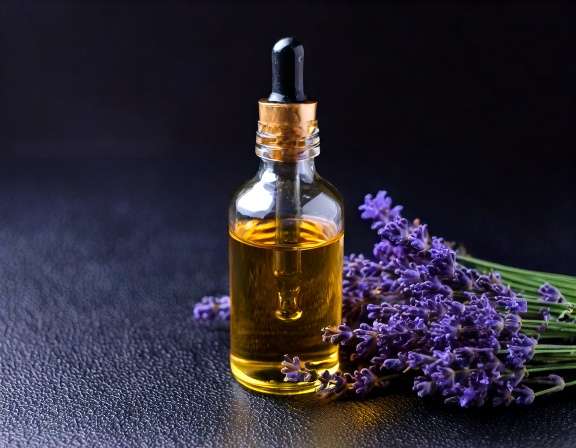
Known for its calming scent, lavender oil does more than relax you—it helps fend off mosquitoes too. Lavender contains linalool, a natural compound bugs hate. Plus, it soothes irritated skin if you’ve already been bitten. Safe for most adults and children when diluted properly.
Best practices for using essential oils for mosquitoes:
- Always dilute essential oils with a carrier oil (like coconut or jojoba) before applying to your skin.
- Apply the natural bug spray to exposed skin or clothes, avoiding eyes, mouth, and open cuts.
- Test any blend on a small patch of skin first to check for irritation.
- Reapply every 1 to 2 hours when outdoors.
- Essential oils don’t last as long as chemical sprays, so carry your bottle for easy reapplication.
- For even more tips on safe essential oil use, check out how to use essential oils safely.
Using these essential oils does more than keep bugs at bay, it brings peace of mind and a whiff of nature’s best to every outdoor gathering.
Best Essential Oils for Ants and Other Common Insects: Highlight peppermint, tea tree, and clove as options for ants and other bugs. Explain mechanisms and appropriate usage.
If ants or other crawling critters are the problem, turn to these powerful plant extracts:
- Peppermint
With its crisp, cool scent, peppermint oil is a powerhouse against ants and flies. Ants rely on scent trails to find food, and peppermint confuses and disrupts those trails. Mix with water and spray entry points, windowsills, and cracks for protection. - Tea Tree
Popular for its cleansing powers, tea tree oil also packs a punch against ants, fleas, and even lice. It works by drying out and repelling insects on contact. Always dilute before use, and keep away from pets’ bedding as tea tree can be toxic to animals in high doses. - Clove
Warm and spicy, clove oil contains eugenol, a compound that ants and wasps find overwhelming. Use a few drops on cotton balls placed near problem areas or mixed into a spray for direct treatments.
How to use essential oils for ants and other pests:
- Combine 10-15 drops of oil with water in a spray bottle for broad coverage.
- For targeted treatments (like in cupboards), place oil-soaked cotton balls near ant trails.
- Avoid overuse in spaces shared with pets or small children, as strong oils can be irritating.
- Keep oils off polished furniture and sensitive surfaces to avoid damage.
Want more options you can trust? Look into how to use essential oils safely for more ideas and practical advice. With the right essential oil for insects, you’ll feel good choosing a method as natural as your outdoor adventures.
DIY Essential Oil Bug Repellent Recipes That Actually Work
Creating your own natural bug spray can save money, give peace of mind, and keep your home and skin healthy. Many essential oils for mosquitoes, ants, and other pests double as pleasant-smelling room sprays, so you can stay protected without harsh side effects. These tested recipes use simple ingredients and are safe for families and pets when used correctly. Keep these essential oil blends on hand for every situation from backyard barbecues to cozy nights indoors.
Mosquito Repellent Body Spray
Say goodbye to itchy bites without coating your skin in chemicals. This body spray offers a clean, effective DEET alternative, perfect for both adults and older children.
Ingredients:
- 2 ounces witch hazel (or vodka for extra staying power)
- 2 ounces distilled water
- 15 drops citronella essential oil
- 10 drops lavender essential oil
- 5 drops lemon eucalyptus essential oil (adults only, skip for kids under 3)
- 5 drops tea tree essential oil
- 1 teaspoon carrier oil (fractionated coconut or jojoba)
Instructions:
- Pour witch hazel, distilled water, and carrier oil into a 4-ounce spray bottle.
- Add each essential oil.
- Shake well before each use.
- Spray onto exposed skin, avoiding your eyes, mouth, and broken skin.
- Reapply every one to two hours for best coverage.
Dilution Tip:
For most blends, stick to a 2-5 percent dilution rate. That means about 12 drops of oil per ounce of carrier for adults, less for children. For more on making oils safer for sensitive skin, check out Essential oils for allergy relief.
Ant Deterrent Essential Oil Spray
Tired of ant trails showing up on your counters or in picnic zones? This practical spray works for both indoor and outdoor use.
Ingredients:
- 1 cup water
- 1/4 cup white vinegar
- 15 drops peppermint essential oil
- 10 drops tea tree essential oil
- 5 drops clove essential oil
Instructions:
- Mix all ingredients in a spray bottle.
- Shake before each use.
- Spray along windowsills, baseboards, cracks, doors, and picnic table legs.
Quick Usage Guide:
- For heavy ant traffic, spray twice a day until the problem goes away.
- For picnic areas or outdoor tables, mist before setting up food.
- Avoid direct contact with pets’ bedding; keep out of reach of small children.
All-Purpose Insect Repellent Room Spray
Need a way to keep flies, spiders, and even gnats in check, without harsh fumes? This blend does the trick and leaves your home smelling fresh.
Ingredients:
- 1 cup distilled water
- 1/2 cup vodka or witch hazel
- 10 drops lemongrass essential oil
- 8 drops eucalyptus essential oil
- 8 drops lavender essential oil
- 6 drops peppermint essential oil
Instructions:
- Combine all ingredients in a spray bottle.
- Shake well before use.
- Mist around window frames, doorways, and high-traffic areas.
Pro Tips:
- Spray fabric, but try a small test patch first.
- Avoid using near open aquariums or birds’ cages.
It’s easy to start with ingredients that overlap your wellness routine. Many of these essential oils for mosquitoes or ants pull double duty for other home remedies, so you’re never stuck with a single-use product. By using a natural bug spray like these, you’re skipping harsh chemicals without sacrificing real, tested results.
Tips for Safe and Effective Application of Natural Bug Spray
Getting the most out of your natural bug spray means knowing how and when to use it for the best results. While essential oils for mosquitoes and ants offer a safer DEET alternative, a few simple precautions make the difference between happy, bite-free skin and unexpected irritation. These practical tips help you use your homemade blends with total confidence, indoors, outdoors, and around the whole family.
Proper Dilution Matters
Essential oils pack a punch just a few drops go a long way. For any natural bug spray, always dilute your oils in water, witch hazel, or a carrier oil like coconut or jojoba. This simple step keeps your skin safe, prevents stinging, and ensures you don’t waste precious oil.
- For adults, use a 2-5 percent dilution: about 12 drops of essential oil per ounce of carrier.
- For children, stick to 1 percent or less: about 6 drops per ounce.
- Never apply undiluted essential oils directly to your skin.
Mixing your blend right is key for both comfort and effectiveness. If you’re new to working with oils, check out tips for natural sinus congestion relief with essential oils for more about dilute-and-test routines.
Patch Test for Skin Safety
Just because it’s natural doesn’t mean it’s irritation-proof. Before spraying a fresh blend everywhere, patch-test a small amount on your inner arm. Wait about 30 minutes and look for redness, itching, or bumps.
- No reaction? You’re good to go.
- If you notice any discomfort, try using less essential oil or switching to a milder oil lavender is a gentle option.
A patch test keeps surprises at bay, especially for sensitive or allergy-prone skin.
Safe Use With Children and Pets
Little kids and pets need more care when it comes to natural bug spray. Their skin is thinner and more sensitive, so always use milder blends and lower concentrations.
- Avoid strong oils like clove or tea tree around babies, toddlers, cats, and small dogs.
- Focus on lavender or diluted peppermint for safe protection.
- Never spray near your child’s face or hands (they’ll likely rub their eyes).
- Keep sprays away from pets’ sleeping areas and food.
When in doubt, spray a scarf or your child’s pant cuffs not bare skin. Use a gentle hand, and watch closely the first time any new blend is used.
When and How Often to Reapply
Essential oil-based sprays usually last 1–2 hours (sometimes a bit less if you’re sweating or swimming). Chemical sprays cling longer, but going natural just means you’ll want to reapply more often for steady protection.
- Spray exposed skin, shoes, hats, or clothing before heading outside.
- Reapply every 90 minutes, especially after water play, exercise, or sweating.
- Carry a travel-size bottle for outdoor adventures.
A regular refresh keeps bugs at bay and helps you stay comfortable all day.
Always Know the Best Practices
Using essential oils for mosquitoes and essential oils for ants safely should always be a priority. Make sure your blends are right for your skin, your kids, and your pets. If you’re looking for step-by-step guidance, don’t miss the resource on essential oils for beginners. It covers blending basics, safe storage, and how to avoid the most common mistakes with oils.
A little bit of care and attention makes homemade natural bug spray a smart, safe, and practical DEET alternative for everyone in your home.
Frequently Asked Questions About Essential Oil Bug Repellents
People are switching to natural bug spray for safety, but they still want it to work as well as traditional options. Essential oils for mosquitoes and ants are a hot topic, but questions about effectiveness, safety, stains, and lasting power often come up. Get clarity on how these natural solutions stack up against chemical repellents and what you need to know for home, family, and pets.
Do Essential Oils Work as a DEET Alternative?
Many essential oils for mosquitoes and other insects really do offer strong protection when blended and applied correctly. Oils like citronella, lemon eucalyptus, lavender, and peppermint have natural compounds that repel bugs. They disrupt scent trails and make you less attractive to biting insects.
Here’s why people trust them as a DEET alternative:
- Science-backed: Studies prove certain oils repel mosquitoes for several hours
- Customizable: Mix to suit your scent and avoid chemical exposure
- Multi-use: Enjoy added benefits for skin or stress relief
No method is one-size-fits-all, and essential oils won’t last as long as synthetic sprays. However, regular reapplication keeps protection high without harsh side effects.
If you’re curious about more ways oils benefit wellness, even beyond bug control, you might also like learning about natural cough relief with essential oils.
Are Essential Oil Bug Sprays Safe for Babies and Pets?
Safety is top of mind, especially with infants, toddlers, cats, and dogs. Most natural bug spray blends use diluted oils to lower irritation. Still, not all oils are gentle enough for young or furry family members.
Keep these safety moves in mind:
- Use mild oils (lavender, gentle peppermint) and avoid harsher ones (tea tree, clove, undiluted eucalyptus) for babies and pets
- Stick to lower concentrations (1 percent dilution or less)
- Never spray near eyes, mouth, paws, or bedding
- For extra care, spray on clothing or gear instead of skin or fur
Always do a skin patch test for kids and check for pet reactions the first time you use a new spray. When in doubt, consult a vet or pediatrician.
Can Essential Oil Sprays Stain Clothes or Fabrics?
Essential oil bug sprays can sometimes leave marks—mostly if you use oils with darker colors (like clove) or pair them with oily carriers. Most natural bug spray recipes use clear, light oils that leave little to no trace when diluted well.
To play it safe:
- Test your blend on a hidden part of clothing first
- Use alcohol-based mixers (like vodka or witch hazel) over heavy carrier oils for lighter sprays
- Spray from a distance and let it dry before putting on new clothes
- Avoid direct contact with silk, suede, or sensitive fabrics
Mistakes are easy to avoid with a quick test, so take a second to check before spraying everything down.
How Long Does Protection from Essential Oils Last?
The biggest difference between natural and chemical sprays is how long they keep bugs away. Essential oils for mosquitoes and ants tend to wear off faster, usually lasting 1–2 hours, sometimes less if you’re sweating or swimming.
To keep coverage strong:
- Reapply your natural bug spray every 90 minutes
- Spray again after heavy sweating, water play, or rain
- Carry a travel-size bottle for on-the-go use
Essential oils might not offer all-day protection, but regular reapplication keeps you bite-free. The refreshing scent is a bonus, calming nerves and supporting mood as you enjoy the outdoors.
What Other Perks Do Essential Oils Offer?
Choosing natural bug spray gives you more than just protection. Many essential oils pull double duty as solutions for tension, headaches, or skin support. For example:
- Lavender soothes stings and calms busy minds
- Peppermint helps with headaches as well as ants
- Eucalyptus supports easy breathing on top of biting insect control
Staying informed lets you pick the best DEET alternative for your home and lifestyle. Whether you’re camping, gardening, or just keeping bugs out of the house, essential oil for insects helps you do so naturally and with peace of mind.
Conclusion
Switching to natural bug spray with essential oils means keeping your family safe, cutting out harsh chemicals, and helping the environment, all at once. These easy recipes bring strong protection against mosquitoes, ants, and more, using oils you can trust on skin, clothes, and around your home. By utilizing ingredients like lavender, eucalyptus, and peppermint, you not only create an effective repellent but also infuse your surroundings with pleasant natural aromas.
Furthermore, making your own bug spray is a cost-effective way to ensure you have a supply on hand without the worry of toxic side effects. As you embrace these eco-friendly alternatives, you contribute to a more sustainable lifestyle while ensuring that your outdoor activities remain enjoyable and pest-free.
Try making your own blends for bites and bugs. With the right essential oils for mosquitoes or essential oils for ants, you get both wellness perks and practical bug control in one step.
Stay Connected for More Natural Living Inspiration
If you enjoyed this post about herbal wellness and love discovering natural ways to refresh your home and wellness, don’t miss out on future recipes and clean-living tips! Subscribe to the blog for weekly DIYs, wellness inspiration, and herbal remedies delivered straight to your inbox.
Don’t forget to visit my Amazon storefront for the links to my favorite essential oils, herbal teas, and natural recipes. I also create YouTube ambiance videos for sleeping; a project I created to help with insomnia symptoms and the second channel, Rooted in Nature YouTube Channel both channels feature herbal recipes for wellness and home. The link to all social media content is here.
Thanks for coming by!



Leave a Reply