
(DISCLAIMER: I am not a doctor, and you should consult your healthcare professional before starting any health regimen.)

Key Takeaways
- Oregano essential oil is a strong, herb-based oil rich in carvacrol and thymol.
- The most talked-about oregano essential oil benefits relate to germ support, immune support, and sinus comfort.
- It’s powerful on skin, so dilution isn’t optional, it’s the difference between helpful and irritating.
- It works well in simple routines like steam inhalation, spot care, and DIY cleaning sprays.
- Skip internal use unless a qualified professional guides you, this oil isn’t the same as cooking oregano.
Oregano is one of those herbs that feels familiar. It’s in pizza sauce, pasta, and roasted veggies. But oregano essential oil is a different animal, it’s concentrated, spicy, and strong enough that a single drop can change the smell of a whole room.
That strength is why it’s showing up everywhere lately, wellness routines, natural cleaning, and even some skin and scalp care. If you’re curious about oregano essential oil uses, or you’ve heard people talk about oregano essential oil benefits and want the real-world version (plus the safety side), this guide keeps it clear and practical.
What Is Oregano Essential Oil?
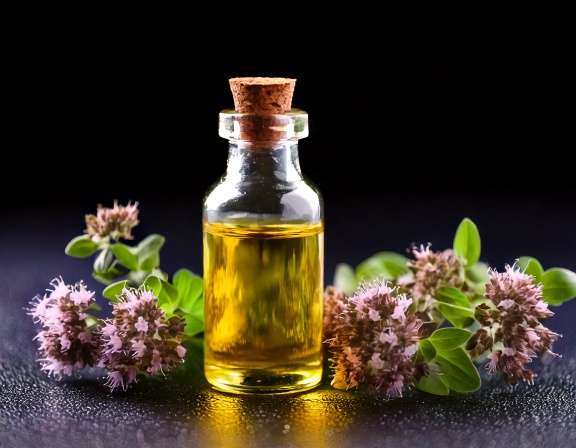
Oregano essential oil is a concentrated oil taken from the oregano plant, most often Origanum vulgare. It’s made by capturing the plant’s aromatic compounds, the same compounds that give oregano its bold smell and that sharp, “medicinal-herby” bite.
People often confuse it with oregano-infused olive oil or oregano herb extracts. Those can be gentler. Essential oil is concentrated and behaves differently on skin and in the air. Think of the dried herb as a cup of tea, and the essential oil as a shot of espresso.
A big reason oregano essential oil gets so much attention is its natural chemistry. It contains compounds that plants use for self-defense, which helps explain why it’s known for strong antimicrobial activity.
Botanical source and extraction
Oregano is a hardy plant in the mint family. The leaves and flowering tops are usually the parts used for oil. Harvest timing matters, many producers harvest around the flowering stage, when aromatic compounds are often at their peak.
The oil is typically made through steam distillation:
- Steam passes through plant material.
- Heat releases volatile compounds (the “aroma” part of the plant).
- Those compounds cool and separate into essential oil and hydrosol.
This process doesn’t “water down” the oil. It concentrates it. That’s why oregano essential oil is one of the oils that needs extra respect in daily use.
Key chemical constituents
Oregano essential oil can vary by region, growing conditions, and chemotype, but these are common key components:
- Carvacrol: Often the star of the show. It’s linked with antimicrobial activity and gives oregano oil much of its sharp scent.
- Thymol: Another strong phenol that can support germ-fighting actions, also known to be irritating if used undiluted.
- p-Cymene: A softer aromatic compound that influences scent and can affect how other compounds behave.
- Gamma-terpinene: A terpene that adds to the herbal-spicy profile and appears in many essential oils.
When you see oregano essential oil benefits discussed, most claims trace back to these constituents, especially carvacrol and thymol.
Oregano Essential Oil Benefits
Let’s be honest, oregano essential oil has a reputation. People reach for it when they want something that feels “serious.” The benefits most people look for fall into three buckets: immune support, respiratory comfort, and skin support.
A quick reminder before we get into it: benefits depend on how you use it. Smelling it, applying it (diluted), and using it in cleaning are very different experiences, with different safety limits.
Immune system support
Oregano essential oil is commonly used in wellness routines during high-stress seasons, travel, or when everyone around you is sniffling. The reason comes back to its chemistry. Carvacrol and thymol are studied for how they interact with microbes, and oregano oil is widely described as antimicrobial.
In everyday life, “immune support” often looks like using oregano oil in ways that reduce exposure and support comfort:
- Diffusing it for short periods to freshen the air during cold season
- Adding it to a cleaning routine to help reduce funky smells and germy surfaces
- Using diluted topical blends for targeted skin concerns (more on that soon)
Some people also like oregano oil because it has a warming feel on the skin when properly diluted, which can feel comforting during a tense, run-down week. That said, warming is not the same thing as healing, and more is not better with this oil.
Respiratory and sinus relief
If you’ve ever opened a bottle of oregano essential oil and felt your eyes widen, you already understand why people connect it with breathing comfort. The aroma is strong, spicy, and clearing.
For sinus and chest comfort, the most common home method is steam inhalation or gentle diffusion. Done right, it can help you feel like the airways “open up,” even if it’s mainly the sensation of that intense herbal vapor.
A simple approach many people use:
- Add hot water to a bowl.
- Add 1 drop of oregano essential oil (not more for beginners).
- Keep your face back from the steam, breathe normally for 30 to 60 seconds.
- Stop if your eyes or throat feel irritated.
Another option is a diffuser, but oregano oil can overpower a room fast. If you diffuse, keep it low (1 to 2 drops total) and short (10 to 20 minutes), especially in shared spaces.
Avoid diffusing oregano oil around babies, and be cautious with pets. Strong oils can bother sensitive lungs.
Skin support for breakouts and “funky” spots
One of the most practical oregano essential oil uses is spot care, because it’s often chosen for areas that feel like they need a “germ-focused” approach. People commonly use it for occasional blemishes, post-workout skin funk, and areas prone to yeast-like issues.
The catch is irritation. Oregano oil is a “hot” oil for many people. If you apply it without enough carrier oil, it can cause redness, stinging, or a lingering burn.
Used correctly, a very diluted blend can be helpful as part of a bigger routine, meaning gentle cleansing, clean pillowcases, and not picking at skin. Oregano oil is not a magic eraser, but it can be a useful tool when you respect its limits.
How to Use Oregano Essential Oil Safely
Oregano essential oil has a lot of fans, and it also has a lot of “I tried it once and never again” stories. Almost all of those stories come down to one thing: using too much, too directly, too fast.
Start low, go slow, and treat oregano oil like a concentrated ingredient, not a casual fragrance.
Here are the safety basics that matter most:
- Dilute every time for skin use. A common starting point is 1 to 2 drops per 1 teaspoon of carrier oil.
- Patch test before broader use, especially if you’ve reacted to essential oils before.
- Avoid eyes, inner nose, ears, and any sensitive areas.
- Don’t use on broken skin.
- Keep away from children, and store it where curious hands can’t reach.
- Skip internal use unless a qualified professional guides you. “Natural” doesn’t mean “safe to swallow.”
Topical application guidelines
For daily body care, most people do best with a 1 percent dilution or less. Oregano oil is not the oil to freestyle.
A practical way to think about it:
- 1 percent dilution: about 1 drop essential oil per 1 teaspoon (5 mL) carrier oil
- 2 percent dilution: about 2 drops per 1 teaspoon carrier oil (often too strong for oregano for many people)
Good carrier oils include:
- Coconut oil (solid, barrier-like, nice for spot blends)
- Jojoba oil (light, skin-friendly feel)
- Olive oil (easy, affordable, pantry option)
Patch test idea: apply a tiny amount of your diluted blend to the inside of your forearm. Wait 24 hours. If you see redness, itching, or burning, don’t use it.
Also, oregano oil can be sensitizing over time. Even if your skin tolerates it today, daily use for weeks can backfire. Many people prefer short-term, targeted use.
Aromatic and internal use tips
For aromatic use, oregano oil works best when it’s not the only oil in the mix. Blending it with gentler oils can make it more pleasant and less harsh.
Simple diffuser guidance:
- Use 1 drop oregano essential oil alone for small spaces, or 1 to 2 drops total in a blend.
- Diffuse for 10 to 20 minutes, then take a break.
If you want a “clean air” smell without the punch, pair oregano with oils like lemon or lavender. The room will still feel fresh, just less like you’re standing over a simmering pot of marinara.
Internal use needs extra caution. Essential oils are concentrated and can irritate mucous membranes. They can also interact with medications and health conditions. If you’re pregnant, nursing, managing a chronic condition, or taking prescription meds, don’t experiment with internal use.
Everyday Uses of Oregano Essential Oil
Once you understand dilution and intensity, oregano oil becomes easier to work with. The best oregano essential oil uses are the ones that fit into normal life, quick cleaning mixes, small-batch self-care, and short breathing routines.
It also helps to decide what you want from it. Is it for the smell? Surface cleaning? A targeted skin blend? When you’re clear on the goal, you’re less likely to overdo it.
Home cleaning and disinfecting
Oregano essential oil is popular in DIY cleaning because it has a strong, sharp scent and is linked with antimicrobial activity. It also pairs well with vinegar and citrus oils.
A simple countertop spray idea:
- Water and white vinegar as the base (many people do a half-and-half mix)
- Add a small amount of castile soap if you want more “lift” (optional)
- Add 5 to 10 drops oregano essential oil per 16-ounce bottle (start lower)
Shake before each use, and test on a small spot if you’re using it on stone, sealed wood, or delicate finishes. Vinegar can damage some surfaces, so choose the right base for your home.
For trash cans, gym bags, and “mystery odor” areas, oregano oil can be helpful because it doesn’t just mask smells. It smells like something clean and strong, like you opened the windows and scrubbed everything down.
Skincare and beauty applications
In beauty routines, oregano oil is mostly a supporting player. It’s not the gentle, all-over facial oil. It’s more like the spice in the recipe, powerful in tiny amounts, unpleasant when dumped in.
Common beauty uses (always diluted):
- Spot blend for blemishes: dab a tiny amount of a 1 percent dilution on the area, not the whole face
- Scalp spot care: mix into a carrier oil and apply only to small areas, then shampoo out well
- Foot care: a diluted blend can be used after washing and drying feet, especially if you deal with persistent odor
Two tips that save skin:
- Don’t apply oregano oil blends right after shaving, exfoliating, or using retinoids or acids. Skin is already stressed.
- Keep it away from the eye area, even if the issue is nearby.
If you want the “clean” effect without the risk, you can use oregano oil in a foot soak by mixing it into a dispersant (like a small amount of unscented liquid soap) before adding it to water. Never drop essential oils straight into bath water and assume they’ll mix, they tend to float and can hit skin in one concentrated spot.
Conclusion
Oregano essential oil is bold, and that’s the point. The oregano essential oil benefits people talk about most are tied to its strong plant compounds, and its most useful roles are immune-season routines, breathing comfort, targeted skin support, and simple home cleaning.
Start with small amounts, keep your dilution tight, and treat it like a powerful ingredient instead of an everyday lotion. If you build the habit of safe use, oregano essential oil can earn a steady place in your cabinet without the regret stories.
Stay Connected for More Natural Living Inspiration
If you enjoyed this post about herbal wellness and love discovering natural ways to refresh your home and wellness, don’t miss out on future recipes and clean-living tips! Subscribe to the blog for weekly DIYs, wellness inspiration, and herbal remedies delivered straight to your inbox.
Don’t forget to visit my Amazon storefront for the links to my favorite essential oils, herbal teas, and natural recipes. I also create YouTube ambiance videos for sleeping; a channel I created to help people who have trouble sleeping. The link to all social media content is here.
Thanks for coming by!

Leave a Reply