

(DISCLAIMER: I am not a doctor, and you should consult your healthcare professional before starting any health regimen

If you’ve ever wished for a more natural way to care for everyday bumps and scrapes, you’re in the right place. Building your own herbal first aid kit lets you create a practical, plant-based resource packed with remedies you can trust. This simple guide covers everything you need for a natural first aid kit, from essential herbs and recipes to safety tips and a checklist for a holistic approach.
Whether you’re a beginner or already exploring herbal medicine, you’ll find steps to make your DIY herbal first aid kit useful and safe. Learn the best plant-based essentials, like calendula salve and comfrey for healing, so you feel confident treating minor cuts, burns, and more at home. For more resources on herbal first aid kits and the benefits of natural remedies, check out the Herbal First Aid Kits category for extra tips and inspiration.
Why Choose a Herbal First Aid Kit?
Switching to a herbal first aid kit puts safer, cleaner remedies right at your fingertips. Instead of synthetic chemicals and long ingredient lists, you’ll have nature’s basics for minor wounds, stings, and scrapes. The benefits go far beyond the peace of mind you get knowing exactly what you’re putting on your skin.
Natural First Aid That Puts You in Control
With a DIY herbal first aid kit, you decide what’s in every remedy. These kits use plant-based first aid essentials, like dried herbs and oils, as the foundation for fast, gentle healing. You avoid harsh preservatives or artificial fragrances that are found in many store-bought products.
- Gentle on Skin: Herbal ingredients are often less irritating and work with your body’s natural healing.
- Simple Ingredient List: You can recognize every item—in most cases, they’re kitchen or garden staples.
- Customizable: Tweak recipes to fit allergies, sensitivities, or family needs.
Safer Choices, Fewer Toxins
Choosing a herbal first aid kit means you can skip questionable ingredients. Most natural first aid kits avoid parabens, phthalates, synthetic fragrances, and dyes. This approach helps reduce toxic exposure in your daily life. If you’re curious about reducing chemical risk even further, see these practical articles on toxin-free living for tips that work in every room of the house.
Sustainable and Eco-Friendly
Herbal remedies for first aid aren’t just effective, they’re often better for the planet too. Plant-based ingredients minimize waste, and you can reuse containers year after year. Sourcing locally or growing your own herbs also cuts down on packaging and supports environmental health.
Some simple steps that highlight the sustainability of your holistic first aid kit checklist include:
- Refill glass jars and tins instead of buying new plastic.
- Compost leftover herbs or plant scraps.
- Source herbs from your garden, a local farmer, or organic suppliers.
Building Trust With Proven Essentials
A beginner herbal medicine kit stocked with calendula salve, comfrey for healing, and easy-to-make tinctures introduces you to natural wound care remedies. It can feel like putting together a “home pharmacy”, but one that fits your values and puts safety first.
When you choose herbal options, you tap into plant remedies that have been trusted for generations. Modern studies now back up what herbalists have known all along: herbs like calendula, yarrow, and lavender help your body recover without unwanted chemicals.
Making this switch is simple, clean, and empowers you to care for yourself and family naturally.
Core Components of a Beginner Herbal Medicine Kit
Building a DIY herbal first aid kit is easier than you think when you know which remedies and supplies make the biggest impact. Whether you want gentle plant-based wound care, safe essential oils, or a holistic first aid kit checklist, starting with these essentials puts you in control of your own health and safety. Here’s what you should gather first for your beginner herbal medicine kit.
Top Herbal Remedies for First Aid
The backbone of any beginner herbal medicine kit is a handful of multipurpose herbs. When fresh or dried, these herbs help manage the most common bumps, scrapes, and irritations:
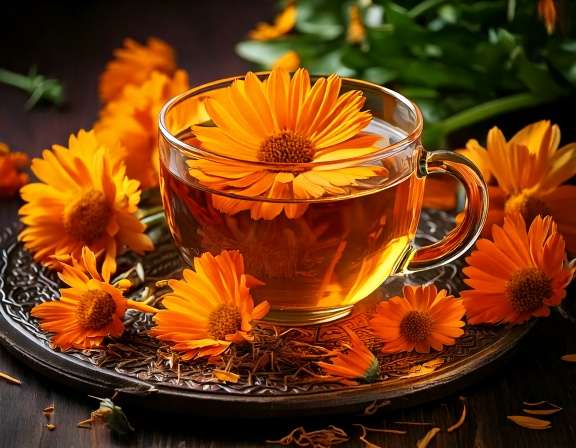
- Calendula: This flower is a superstar for skin healing. Use calendula salve on minor cuts, burns, and scrapes. It eases inflammation and speeds up natural wound care, making it a must-have in any plant-based first aid kit.
- Comfrey: Known for its nickname “knitbone,” comfrey supports tissue repair. Comfrey poultices are great for bruises, sprains, and sore muscles but should not be used on deep or open wounds.
- Lavender: Lavender provides both antibacterial and calming qualities. Add it to ointments or use as a compress for burns, stings, and bites. Its scent also helps ease anxiety during minor injuries.
- Yarrow: This wildflower works as a natural coagulant—meaning it helps stop bleeding. Yarrow tincture or powder can be sprinkled on cuts to slow bleeding and help wounds close.
- Plantain: Often found in backyards, plantain leaves are perfect for bug bites, rashes, and minor skin infections. Crushed fresh leaves or a plantain salve draw out toxins and soothe irritation.
Including these herbs in your kit ensures you have safe, time-tested herbal remedies for first aid on hand.
Essential Oils to Include
Essential oils make a great addition to a natural first aid kit because they’re potent yet easy to store and use with the right guidance. Here are some safe, effective staples:
- Tea tree oil: Naturally antibacterial, tea tree oil works well for cuts, scrapes, and blemishes. Always dilute before applying it to the skin.
- Lavender essential oil: Not only is this oil soothing for burns and skin irritation, but it’s also calming for stress during emergencies.
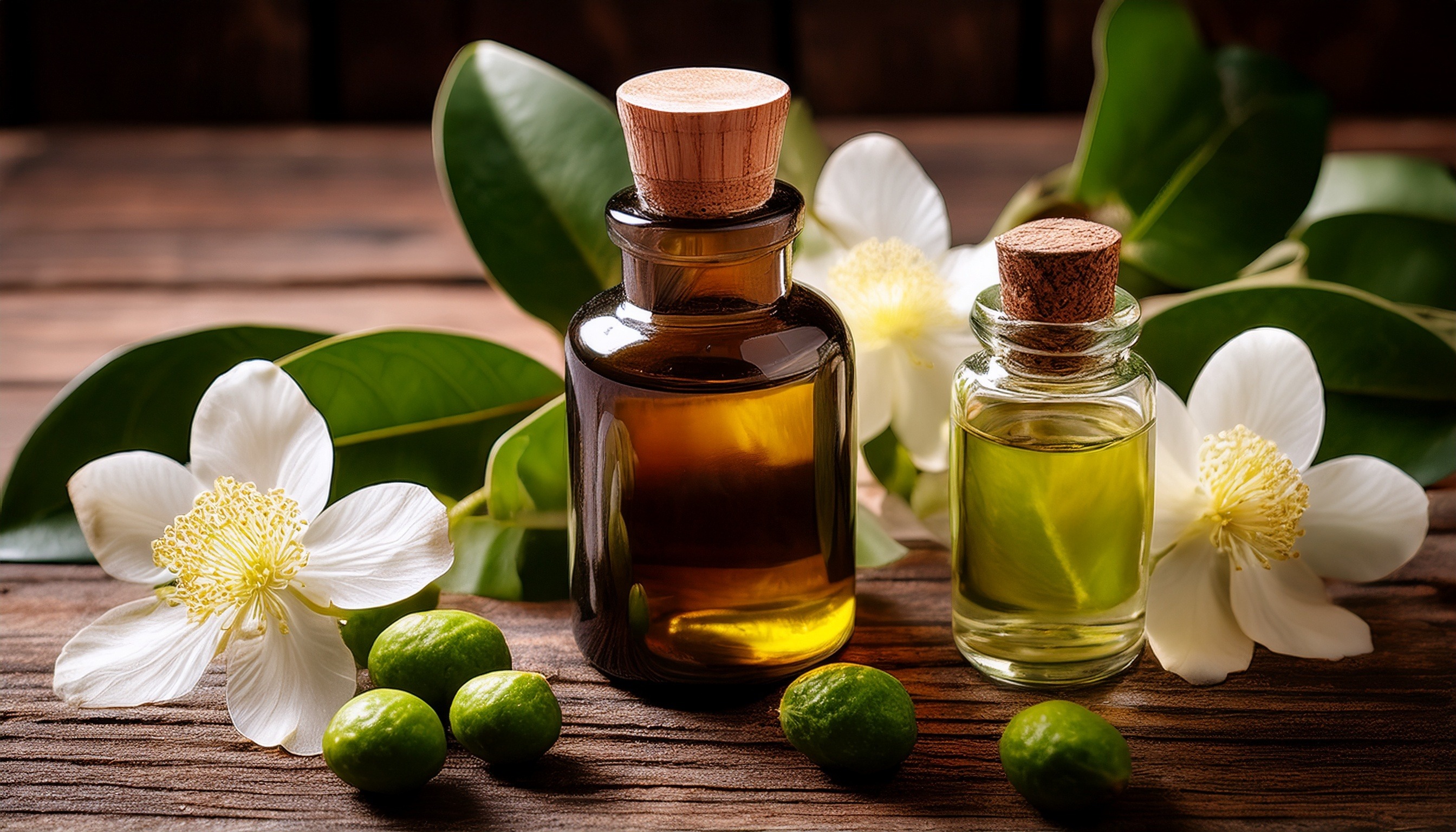
- Niaouli: Gentle and less irritating than tea tree, niaouli oil can be used for skin support and gentle disinfection.
If you’re new to using essential oils, it’s helpful to check out these essential oils for beginners to understand safe use, dilution, and the most useful oils to add to your herbal tincture starter kit.
Other Must-Have Supplies
Your herbal first aid kit works best with a few well-chosen supporting items that make preparation and application easier. These basic supplies help you stay ready for common accidents:
- Bandages: Include different sizes of adhesive bandages, gauze pads, and wrap bandages for covering wounds after applying a calendula salve or herbal compress.
- Sterile cotton balls or pads: Perfect for cleaning wounds or applying herbal infusions.
- Glass jars and tins: Use reusable containers for homemade balms, ointments, and salves so your remedies stay fresh.
- Alcohol (for tinctures): Vodka or high-proof grain alcohol is crucial for making herbal tinctures that store well and extract beneficial plant compounds.
- Small spray bottle: Handy for misting diluted essential oils or herbal solutions onto skin without direct contact.
- Popsicle sticks or clean spatulas: Make scooping balms and creams more sanitary.
Ready to keep building your holistic first aid kit checklist? These core components set you up for home healing that is safe, clean, and empowers you to handle life’s little emergencies with confidence. For more ideas and recipes, check the comprehensive guide to Herbal First Aid Kit Essentials.
Herbal First Aid Kit Recipes: Salves, Tinctures & Infusions
Making your own herbal first aid kit recipes puts reliable, plant-based solutions at your fingertips. With just a few natural ingredients, you can create salves, tinctures, and infusions that support quick home care for cuts, scrapes, burns, and more. These natural wound care remedies are tried-and-true favorites in any DIY herbal first aid kit. Let’s walk through simple recipes to get you started, using staples like calendula and comfrey for healing and recovery.
Soothing Calendula Salve Recipe
Calendula salve deserves a place in every natural first aid kit. This gentle, skin-loving balm soothes scrapes, minor burns, and dry, irritated patches. You only need a handful of ingredients and a little time.
To make calendula salve:
- Place about 1 cup dried calendula flowers in a clean glass jar.
- Pour enough olive oil (or sweet almond oil) to fully cover the flowers.
- Set the jar in a sunny window for 1-2 weeks, shaking daily to help infuse the oil.
- Strain the oil through cheesecloth, discarding the flowers.
- In a double boiler, gently heat the infused oil with 1 ounce of beeswax pellets.
- Stir until the beeswax melts, then pour the mixture into small tins or glass jars.
- Let cool and solidify, then label and store in your kit.
Calendula’s natural anti-inflammatory and skin-repairing compounds make this a reliable addition to your plant-based first aid essentials.
Comfrey Healing Balm for Bumps and Bruises
Comfrey is known as “knitbone” for good reason. While it shouldn’t be used on deep or open wounds, it speeds up healing for sprains, bruises, and sore muscles.
To make comfrey balm:
- Combine 1 cup dried comfrey leaf with 1 cup carrier oil (olive or sunflower oil) in a jar.
- Let infuse in a warm place for 1-2 weeks.
- Strain out the leaves, saving the oil.
- Gently melt the infused oil with 1 ounce beeswax in a double boiler.
- Pour into tins and allow to set.
Apply this balm to bruised or achy areas (but not broken skin). Comfrey’s allantoin boosts tissue repair for safer, natural wound care remedies at home.
Simple Herbal Tincture Starter Kit
Herbal tinctures use alcohol to extract and preserve helpful plant compounds. These quick-acting blends fit any holistic first aid kit checklist and act as the backbone of natural home care.
A step-by-step method for basic tinctures:
- Fill a clean glass jar halfway with dried herbs (yarrow, plantain, or echinacea are excellent choices for first aid).
- Cover with high-proof vodka (at least 80 proof) so herbs are fully submerged.
- Seal and store in a cool, dark place for 4-6 weeks, shaking gently every few days.
- Strain through cheesecloth and bottle the tincture in amber dropper bottles.
- Label with the herb and date.
A few drops in water or applied topically (depending on the herb) delivers fast relief for everyday issues like minor bleeding, itching, or inflammation.
Making Infusions for Quick Soothing
Herbal infusions are simply strong teas made from medicinal plants. They’re great for washing wounds, soaking irritated skin, or making cold compresses.
Here’s how to make a basic herbal infusion:
- Steep 1-2 tablespoons dried herb (like chamomile, lavender, or calendula) in a cup of boiling water for 15-20 minutes.
- Strain and use the cooled liquid as needed on the skin.
Stash some dried herbs and a jar in your beginner herbal medicine kit so you’re always ready to make infusions for cleansing and soothing wounds.
By exploring simple recipes and starting your own herbal tincture starter kit, you ensure your DIY herbal first aid kit is practical, safe, and tailored to natural family care.
Safety, Storage & Usage Tips for Your DIY Herbal First Aid Kit
Putting together your own herbal first aid kit brings peace of mind, but how you use and store those plant-based remedies matters just as much as what’s inside. Safe storage, proper usage, and knowing the shelf life of your homemade blends help you get the best results, keep your family safe, and avoid waste. Here’s how to keep your holistic first aid kit checklist working its best every time.
Keeping Your Kit Safe: General Guidelines
A DIY herbal first aid kit is only as safe as the care you take using it. Focus on clear labeling, keeping things clean, and double-checking for allergies before trying any new herbal remedy for first aid.
- Label every container with the name of the remedy, main herbs used, and the date you made it.
- Use clean hands and tools when applying salves, ointments, or tinctures, to help prevent contamination.
- Patch test new mixtures on a small spot first, especially with children or those with sensitive skin.
- Watch for signs of irritation such as redness, itching, or unusual swelling and discontinue use right away.
Proper Storage for Longer Shelf Life
Herbal remedies last longer and work better when you store them out of sunlight and heat. A dedicated box or bag can keep everything tidy, safe, and ready when you need it.
- Store tins, jars, and bottles in a cool, dark place, away from direct sunlight.
- Use glass containers with tight lids for most salves and tinctures, which protects them from air and moisture.
- Stash your kit out of reach of young children and pets.
- For on-the-go use, smaller travel tins or sturdy pouches can help stop leaks and spills in backpacks or cars.
Check your supplies every few months. If something smells odd, changes color, or grows mold, it’s time to toss it and make a fresh batch.
Understanding Shelf Life for Homemade Remedies
Each remedy in your beginner herbal medicine kit has its own lifespan. Storing items properly helps them last, but knowing when it’s time to replace them keeps your kit reliable.
Here’s a quick guide:
- Salves & balms (oil-based): Up to 1 year if sealed and kept cool.
- Tinctures (alcohol-based): 3-5 years if stored in amber glass away from heat and light.
- Water-based infusions: Use within 24-48 hours or refrigerate short-term.
- Dried herbs: About 1 year, as long as they stay dry and free of moisture.
Mark the date you make or buy each item, so there’s no guesswork.
Child-Safe Practices
Kids can benefit from natural first aid kits, but their skin is more sensitive and some herbs or oils can be too strong. Always keep the following in mind:
- Store your DIY herbal first aid kit out of children’s reach, or lock it up if needed.
- Use extra care with essential oils, many are too strong for kids under 2. Dilute essential oils four times more for young children than for adults.
- Avoid giving tinctures or remedies taken orally to children unless a trusted source or practitioner says it’s safe.
- Teach older children which items are safe and how to ask for help before using anything on their own.
Know When to Seek Professional Medical Care
While a herbal first aid kit is a great tool for minor bumps and scrapes, it’s not a substitute for a doctor. Some situations need medical expertise, no matter how good your natural wound care remedies are.
Go to a professional if you notice:
- Deep cuts, severe bleeding, or wounds that won’t stop bleeding
- Burns that blister, cover large areas, or look charred
- Animal bites or puncture wounds
- Signs of infection such as pus, red streaks, or a fever
- Allergic reactions (swelling of the face, trouble breathing)
Mixing natural and modern care isn’t a competition. Use your herbal first aid kit for everyday care, but never wait if a situation gets serious.
Building safe habits, staying organized, and knowing your remedies ensures your DIY herbal first aid kit works the way you want it. That way, you have more confidence every time you reach for calendula salve, comfrey for healing, or that handy tincture starter kit.
Expanding Your Plant-Based First Aid Essentials
Once you have the basics of your DIY herbal first aid kit set up, it’s time to go beyond the starter salves and tinctures. Expanding your natural first aid kit opens the door to advanced herbal remedies, new learning resources, and ways to make your kit truly your own. A little extra preparation means you’ll have a solution ready for nearly any bump, bite, or sting that comes your way.
Advanced Herbal Remedies to Consider
Experienced herbalists often keep their kits stocked with remedies for more specialized needs. You don’t need to do it all at once. Add a few new items as you learn which plant-based first aid essentials work best for your household. Some strong additions include:
- Echinacea tincture: Supports immunity and can help at the first sign of a cold or infection.
- Arnica cream or gel: Relieves sore muscles, swelling, and bruises (not for use on broken skin).
- St. John’s Wort oil: Eases nerve pain and mild burns, including sunburns.
- Witch hazel extract: Acts as an astringent for minor wounds, bug bites, and inflamed skin.
- Goldenseal powder: Useful for fighting bacteria on minor wounds or scrapes.
Rotate these as you see fit, and continue prioritizing the plant-based first aid essentials that suit your environment and routines.
Customizing Your Herbal First Aid Kit
No two families are alike, and your natural first aid kit should support the healing needs of those you care for most. Start by looking at your own health history. Do you have sensitive skin? Allergies? Small children? Outdoor hobbies? Adjust your holistic first aid kit checklist with items like:
- Additional kid-safe remedies (think chamomile and calendula).
- An allergy blend with nettle or local honey.
- An extra supply of bug bite salve or poison ivy spray.
- More of certain herbal tinctures for sports injuries or travel.
Label, date, and track any changes you make. Keeping your kit personal makes first aid faster and much more effective when you need it most.
Resources for Learning More
As you get comfortable with your herbal remedies for first aid and try new recipes, digging a bit deeper helps you feel confident. Surround yourself with guidance from herbal reference books, workshops, podcasts, and helpful online sources.
If you want practical advice, check out easy-to-read Plant-Based Healing Insights to explore topics from home remedies to herbal safety and sustainable practices. These guides offer real-world examples and step-by-step tips that go beyond the basics, ensuring you never feel stuck or overwhelmed.
Don’t forget, the way you build your kit should match your values. Using more plant-based first aid essentials isn’t just about ingredients; it’s about connecting with nature, supporting sustainable wellness, and empowering yourself to handle whatever little mishaps come your way. Keep learning, experimenting, and tuning your kit to fit your needs.
With each addition to your DIY herbal first aid kit, you get a bit more freedom and peace of mind—knowing your cabinet has every remedy you might need, the natural way.
Conclusion
Building your own herbal first aid kit gives you simple, effective tools right when you need them. You gain control over the ingredients and learn to trust plant-based first aid essentials and natural wound care remedies. A well-stocked kit supports everyday bumps, scrapes, and stings with confidence.
Keep learning, add new remedies as you go, and share your kit ideas with others who care about natural solutions. For more details on treating specific minor injuries and using natural solutions, check out these burn relief tips for extra guidance. Thanks for choosing a practical, holistic approach, your future self will thank you.
Stay Connected for More Natural Living Inspiration
If you enjoyed these herbal tea blend recipes and love discovering natural ways to refresh your home and wellness, don’t miss out on future recipes and clean-living tips! Subscribe to the blog for weekly DIYs, wellness inspiration, and herbal remedies delivered straight to your inbox.
Tap here to visit my LinkTree store where you can purchase the herbal teas listed in this article.
Thanks for coming by!

Leave a Reply