
(DISCLAIMER: I am not a doctor, and you should consult your healthcare professional before starting any health regimen. Product links are commissioned and supports the blog)

Key Takeaways:
- Copaiba is a resin (oleoresin) essential oil from Copaifera trees, often used in aromatherapy and topical blends.
- Many people use copaiba to support a calmer mood, post-workout comfort, and irritated-looking skin.
- Copaiba is known for being high in beta-caryophyllene, a plant compound also found in black pepper and clove.
- A little goes a long way, start small, dilute for skin, and patch test first.
- Quality matters with resin oils, look for the Latin name, testing info, and clear labeling.
Want natural support for stress, sore muscles, and irritated skin, but don’t want a routine that feels like a second job? That’s where copaiba essential oil tends to win people over. It’s gentle, not too loud in a blend, and it fits into everyday life without much fuss.
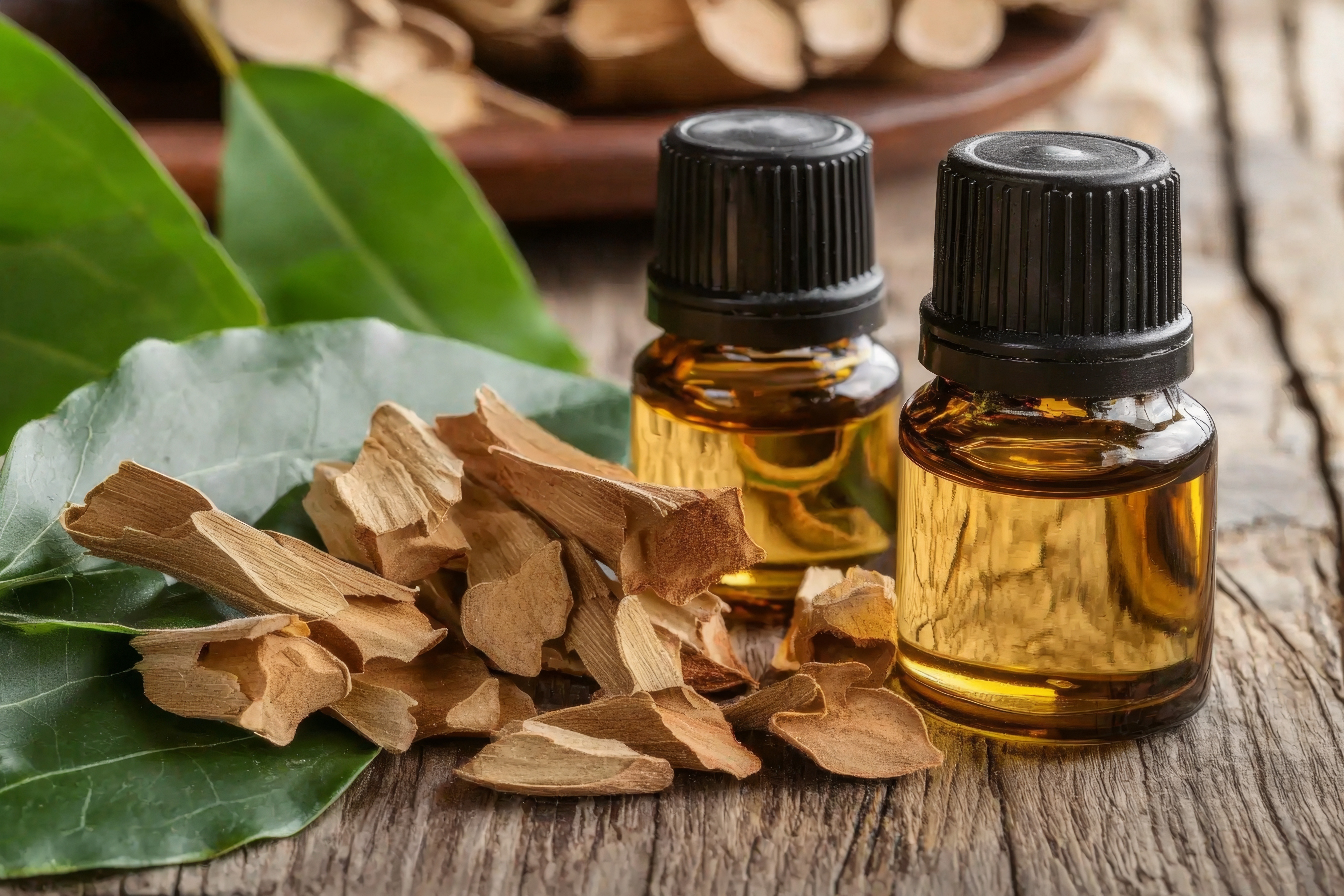
Copaiba is an oleoresin oil tapped from Copaifera trees (mostly in South America). You’ll see it in aromatherapy for a calmer vibe, and in topical blends for body comfort and skin-care routines.
This post covers common copaiba essential oil benefits people report, what early research suggests (in plain language), how to use it safely, and how to shop smart for a bottle that’s worth your money. This isn’t medical advice. For personal guidance, check with your healthcare professional, especially if you’re pregnant, nursing, or taking meds.
Meet copaiba, where it comes from, how it’s different from other oils
Copaiba doesn’t start as a flower or a leaf. It starts as a tree resin. You might see the word oleoresin on a label, which is just a simple way of saying “a natural mix of oil and resin” that comes from the plant. It’s thicker than many essential oils, and it has a slightly “coating” feel in blends.
Traditionally, copaiba oil is collected by tapping the tree trunk, kind of like tapping a maple tree. A small hole is made, the resin flows out, and it’s gathered carefully. Because it’s a resin product, sourcing and handling matter a lot. Poor practices can lead to inconsistent oils, or oils that don’t smell or perform the way you expect.
On labels, you might see different Copaifera species, such as Copaifera officinalis or Copaifera reticulata. Most people don’t need to memorize species names, but it helps to know they exist so you can buy the same type again if you love it.
People often compare copaiba to CBD because it has a similar “calm support” reputation. Copaiba isn’t cannabis, it isn’t CBD, and it won’t make you feel “high.” It’s simply another plant oil with its own active compounds and its own safety rules.
Aroma-wise, copaiba is mild, woody, and a little sweet. It can soften sharp scents (like peppermint) and round out blends that feel too bright or too floral. Since it’s a resin-based oil, quality and sourcing make a bigger difference than you might expect.
What’s in copaiba oil (beta-caryophyllene) and why that matters
Copaiba is well-known for being high in beta-caryophyllene (sometimes written as BCP). This is a natural plant compound found in other botanicals too, including black pepper and clove.
Researchers are studying beta-caryophyllene because it interacts with the body’s endocannabinoid system, which is one of the systems that helps the body stay in balance. You don’t need a science degree here, think of it like a set of “dimmer switches” the body uses to manage stress response, discomfort signals, and immune activity.
That doesn’t mean copaiba “treats” anything. It does explain why many people report that it feels soothing in a diffuser and comforting in a well-diluted massage oil.
If you’re curious about beta-caryophyllene in another oil, clove is a classic. This post on clove oil benefits for pain and oral health also mentions beta-caryophyllene as part of what makes clove so potent.
Copaiba vs frankincense vs lavender, when you might pick each one
These oils can all support a calming routine, but they feel different.
Copaiba is the “quiet friend.” It’s gentle, warm, and works well when you want soothing support without a strong perfume vibe.
Lavender is the familiar comfort blanket. It’s often the first pick for bedtime routines and stressy evenings, mostly because the scent is so widely loved.
Frankincense feels grounding and a bit meditative. Many people reach for it in skin-care blends, or when they want a deeper, resinous aroma that lingers.
No need to treat this like a competition. Most people end up owning all three, and grabbing whichever fits the moment.
Copaiba essential oil benefits people use it for (with realistic expectations)
Copaiba doesn’t have to be complicated to be useful. People tend to like it because it fits into real life: a busy morning, a tight neck after screen time, skin that feels cranky in winter.
A quick reminder: everyone’s body reacts differently to essential oils. Your friend’s “miracle oil” might be your “meh” oil, and that’s normal. If you have sensitive skin or allergies, take it slow and start with tiny amounts.
Also, when you see research mentioned online, it’s often early-stage (lab studies or small studies). That type of research can be interesting, but it doesn’t replace medical care. The practical win is using copaiba as a gentle support tool in routines you can actually stick with.
Calm and stress support (easy aromatherapy uses)
One of the most popular copaiba essential oil benefits is simple: people use it to help a space feel calmer. The scent is mild, which can be a relief if you get headaches from strong oils.
Try this, keep it simple:
- Copaiba + lavender for a softer bedtime scent.
- Copaiba + sweet orange for a calm-but-not-sleepy vibe.
Scent preference matters more than people admit. If you don’t like how a blend smells, you won’t use it. Start with small amounts, adjust, and give your nose a day or two to decide.
If you want more ideas for diffuser routines, this post on allergy relief diffuser blends with essential oils is a helpful example of how to keep blends simple and consistent.
Sore muscles and post-workout comfort (topical blend support)
Copaiba is a favorite in massage oils and recovery rubs because it’s usually gentle on the skin when diluted, and it layers well with other oils.
People reach for it after:
- Yard work that turns into an all-day project
- Leg day at the gym
- A stiff neck after hunching over a laptop
- Long car rides that leave your back feeling tight
Pairing ideas many people like:
- Copaiba + peppermint for a cooling feel (peppermint can feel intense on sensitive skin).
- Copaiba + eucalyptus when you want a fresh, clean scent in a body oil.
Keep your expectations realistic. Think “comfort and support,” not instant repair. A gentle massage, hydration, and sleep still matter.
Skin and scalp support for irritation and dryness
Because copaiba’s aroma is mild and it blends smoothly, it shows up a lot in face oils, body butters, and fragrance-free-ish routines. People often use it for dry patches, rough elbows, occasional redness, and an itchy-feeling scalp.
A few common, practical ways it’s used:
- Mixed into a plain, unscented moisturizer
- Added to a carrier oil for a simple body oil after showering
- Blended into a scalp oil (then shampooed out)
Patch test first, and avoid broken skin. Also, “natural” doesn’t mean “can’t irritate.” If your skin is already angry, the safest move is using less, not more.
Everyday wellness rituals people actually stick with
Copaiba shines in routines that don’t require a planner.
A few doable ideas:
- Wind-down diffuser habit: same scent combo each night, so your brain links it with slowing down.
- After-shower body oil: quick, warm towel-dry, then apply a diluted blend to damp skin.
- Winter hand-care: a tiny amount of diluted oil in unscented hand cream.
- Busy-day reset: a quick inhale from a tissue or personal inhaler when you need a moment.
If you like essential oils for mental clarity too, you might enjoy this guide on essential oil blends for mental clarity. Copaiba isn’t a “focus oil” in the same way rosemary might be, but it can pair well with sharper scents when you want balance.
How to use copaiba oil safely, without guesswork
Copaiba is often described as gentle, but safety still matters. Essential oils are concentrated. The goal is to get the benefits people use them for without making your skin (or your home) miserable.
Start with these basics:
- Dilute for skin, almost always.
- Patch test any new oil.
- Keep oils away from eyes, inner ears, and other sensitive areas.
- Be extra cautious with kids, and diffuse around pets only with care and good ventilation.
- Talk to a professional if you have asthma, chronic skin issues, or you’re pregnant or nursing.
For diffuser use, less is usually better. For topical use, your carrier oil does a lot of the work, it spreads the essential oil, slows absorption, and reduces irritation risk.
Simple dilution rules for topical use (and a quick patch test)
A beginner-friendly range for adults is often 1% to 2% dilution for body use. For sensitive skin, face, or neck, many people stay closer to 0.5% to 1%.
A simple example for a 1-ounce (30 ml) bottle:
- 1% dilution: about 6 drops of essential oil total.
- 2% dilution: about 12 drops total.
To patch test:
- Make your diluted blend first.
- Apply a small amount to your inner forearm.
- Wait 24 hours.
- Stop if you get redness, itching, burning, or swelling.
If you’re building a small home kit, it helps to learn safe basics across oils, not just copaiba. This post on top essential oils for a natural first aid kit is a solid reminder that dilution and common sense are part of the routine.
Diffusing, baths, and other popular methods (what to avoid)
For diffusing:
- Start low and keep sessions short (especially in smaller rooms).
- Ventilate the space.
- Take breaks. You don’t need scent running all day.
For baths, the big issue is simple: oil and water don’t mix. Drops can cling to skin in one spot and cause irritation. If you really want a scented bath, use a proper dispersant, or skip essential oils in the tub and apply a diluted body oil after the bath instead.
Avoid ingesting essential oils unless you’re under guidance from a qualified professional trained in that area. “Food-grade” on a label doesn’t automatically mean it’s safe to take internally.
Buying copaiba essential oil, spotting quality, and storing it right
Shopping for copaiba can feel confusing because the scent is subtle, and the oil is resin-based. That makes labeling and testing even more important.
Start with the bottle. Look for:
- A Latin name (Copaifera species)
- Clear info on what part is used (often listed as oleoresin)
- Sourcing details, like country of origin, when available
- Signs of testing (GC/MS reports or “third-party tested” language)
Also, don’t get pulled in by the phrase “therapeutic grade.” It’s not a regulated term. Price can vary based on sourcing and supply chain, but expensive doesn’t always mean better.
For storage, copaiba does best when treated like any other essential oil: keep it in a cool, dark place, cap it tightly, and avoid heat and sunlight. If the oil starts smelling “off” or the cap is crusty from old resin, it might be time to replace it.
Label checks that help you avoid low-quality oils
- Latin name listed (example: Copaifera officinalis).
- Oleoresin or resin source noted, not vague “oil blend” wording.
- Batch number or lot number for traceability.
- GC/MS testing available, or at least clearly stated.
- No “fragrance oil” language if you’re buying a pure essential oil.
- Know the difference between pure oils and pre-made blends, blends can be great, but they should say what else is inside.
Conclusion
Copaiba essential oil benefits tend to land in three areas people care about most: calm support, post-workout comfort, and gentle skin-care routines. It’s not a magic fix, but it can be a steady helper when you use it with realistic expectations.
If you’re new to copaiba, pick one small use case (like a wind-down diffuser blend or a diluted body oil) and stick with it for a week. Consistency beats a cabinet full of oils you never touch.
Start slow, dilute, and patch test, especially if your skin is sensitive. And if you’re shopping for your first bottle, choose quality and clear labeling over flashy claims. Share in the comments how you use copaiba, or what you want next, like sleep blends or a simple post-workout rub.
Stay Connected for More Natural Living Inspiration
If you enjoyed this post about herbal wellness and love discovering natural ways to refresh your home and wellness, don’t miss out on future recipes and clean-living tips! Subscribe to the blog for weekly DIYs, wellness inspiration, and herbal remedies delivered straight to your inbox.
Don’t forget to visit my LinkTree for the links to my favorite essential oils, herbal teas, natural recipes, YouTube ambiance videos for sleeping; a project I created to help with insomnia symptoms and the second channel, Rooted in Nature YouTube Channel both channels feature herbal recipes for wellness and home.
Thanks for coming by!



Leave a Reply