
(DISCLAIMER: I am not a doctor, and you should consult your healthcare professional before starting any health regimen.)

Key takeaways about clover herb
- Clover herb usually means red clover, the flower most often used for tea and herbal blends.
- People use it for gentle wellness support, especially for menopause comfort, skin care, and general antioxidant support.
- The blossoms matter most, since they’re the part most often used in home preparations.
- Safety matters, especially if you’re pregnant, breastfeeding, taking blood thinners, or managing a health condition.
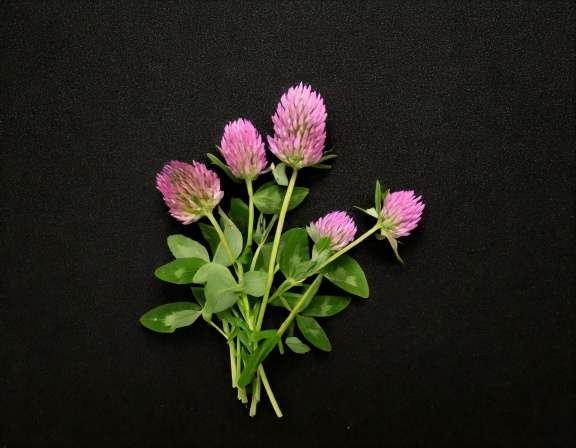
Clover herb is one of those plants that feels ordinary until you start looking closer. The version most people use for wellness is red clover, a flower-rich herb that shows up in teas, tinctures, and simple home remedies.
If you’ve wanted a beginner-friendly plant to try, this is an easy place to start. Clover blossoms have a long folk history, a mild flavor, and a calm, practical kind of appeal. The sections below cover what it is, what people use it for, easy ways to make it at home, and the safety points that matter most.
What clover herb is and how people use it
Clover grows in fields, lawns, and garden edges, so many people know it as a common plant before they know it as an herb. In wellness circles, the blossoms are the part that gets the most attention. They’re dried for tea, steeped into infusions, or blended into other herbal recipes.
Red clover has a long place in folk traditions. People have used it for gentle daily care, not as a fast fix or cure-all. That matters, because clover herb works best as a quiet addition to a routine, not a dramatic answer to every health concern.
Red clover, white clover, and the parts that matter most
Red clover is the best-known choice for herbal use. Its pink-purple flower heads are the part most often dried and brewed. White clover grows in the same family, but it is less common in wellness products and home tea recipes.
The flowers matter more than the stems or leaves because they carry the flavor and the plant compounds people are usually after. In plain terms, the blossoms are the useful, fragrant part of the plant. The rest of the plant may be part of the clover patch, but the flowers are what herbalists reach for first.
What gives clover herb its wellness value
Red clover contains isoflavones, a group of plant compounds that act a little like estrogen in the body. It also contains antioxidants and other plant nutrients. Those compounds are a big reason clover herb shows up in conversations about wellness.
Its value comes from its gentle chemistry and long use, not from a hard promise. That is why people often use it as part of a steady routine, especially in tea or other simple preparations.
Possible health benefits people look for in clover herb
Interest in clover herb often centers on a few common areas. Some uses come from tradition, while others have early research behind them. The evidence is still limited for many claims, so it helps to keep expectations realistic.
People often choose red clover because it fits into daily life without much effort. A cup of tea, a bath soak, or a mild floral garnish feels easy to live with. That simplicity is part of the appeal, especially for readers who prefer gentle herbal habits.
Menopause support and everyday comfort
Red clover is often used by women who want help with hot flashes or night sweats. That comes back to its isoflavones, which may interact with hormone-related pathways in the body.
Some women say it helps them feel more comfortable. Others notice no change at all. Research has mixed results, so it makes sense to treat clover herb as a possible helper, not a guaranteed fix.
Bone and heart support in simple terms
Clover herb also gets attention for possible support with bone health and heart health. Some studies have looked at bone density, cholesterol, blood pressure, and artery health.
The picture is still incomplete. However, that does not erase its place in a wellness routine. Clover herb fits best beside basic habits like balanced meals, movement, and regular medical care. It is a small piece of the puzzle, not the whole picture.
Skin support and antioxidant protection
People have also used clover herb for skin comfort. Traditional uses include irritated skin, rashes, eczema, and acne. The plant’s antioxidant compounds are part of why it’s often discussed as a skin-friendly herb.
That does not make it a cure for skin problems. Still, it has a soft, calming reputation that many herbal fans appreciate. For some, it belongs in the same category as a cool cloth and a quiet evening, simple comforts that ease the day.
Easy ways to use clover herb at home
Clover flowers are easy to work with if you keep things simple. Use clean blossoms from a pesticide-free source, and avoid flowers picked near roadsides or sprayed lawns. Dried red clover is the easiest option for beginners, but fresh blossoms can also be used in the kitchen.
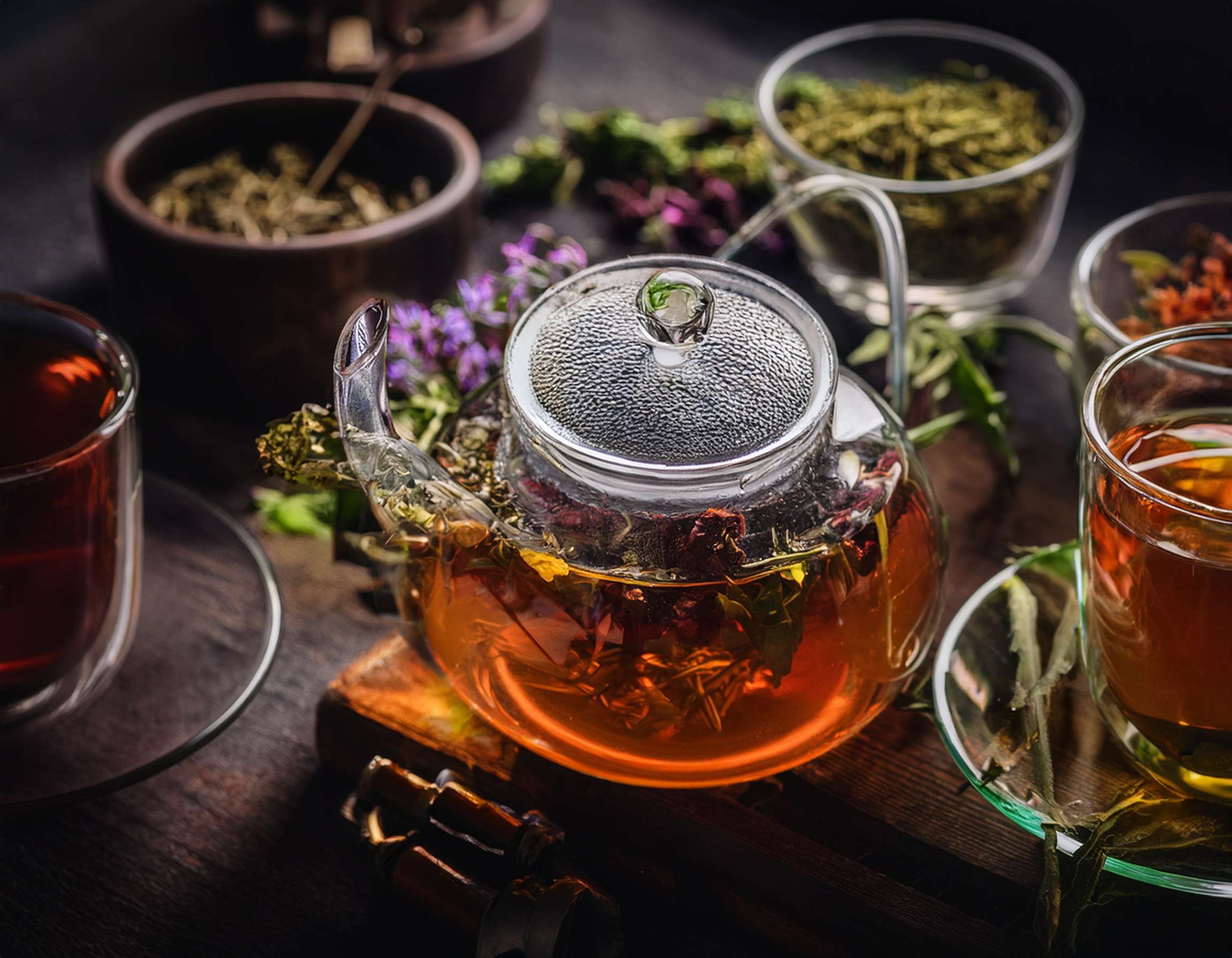
How to make a simple clover tea
Clover tea has a mild, floral taste with a light sweetness. It feels soft rather than sharp, which makes it a good choice for first-time herb users.
- Add 1 to 2 teaspoons of dried red clover blossoms to a cup.
- Pour in 1 cup of hot water, then cover the cup.
- Steep for 10 to 15 minutes.
- Strain and drink warm.
Clover tea is mild enough to sip slowly, which makes it easy to fit into a calm evening routine.
If you enjoy gentle herbal drinks, calming tea blends for stress offer another soothing cup to explore.
Other gentle ways to enjoy clover flowers
Clover honey is a simple kitchen project. Use fully dried blossoms, place a small amount in a clean jar, cover them with honey, and let the jar rest in a cool spot. Strain it later if you want a smoother finish. The result works well in tea, toast, or warm water.
Fresh blossoms on salads add a soft pop of color. Use only clean, pesticide-free flowers, and keep the amount small. The flavor is light, so it works best as a garnish, not a main ingredient.
An herbal bath bag is another easy option. Fill a muslin bag with dried blossoms, tie it closed, and drop it into warm bath water. The water picks up a soft floral scent, which makes the soak feel calm and simple.
How to choose, store, and use clover herb safely
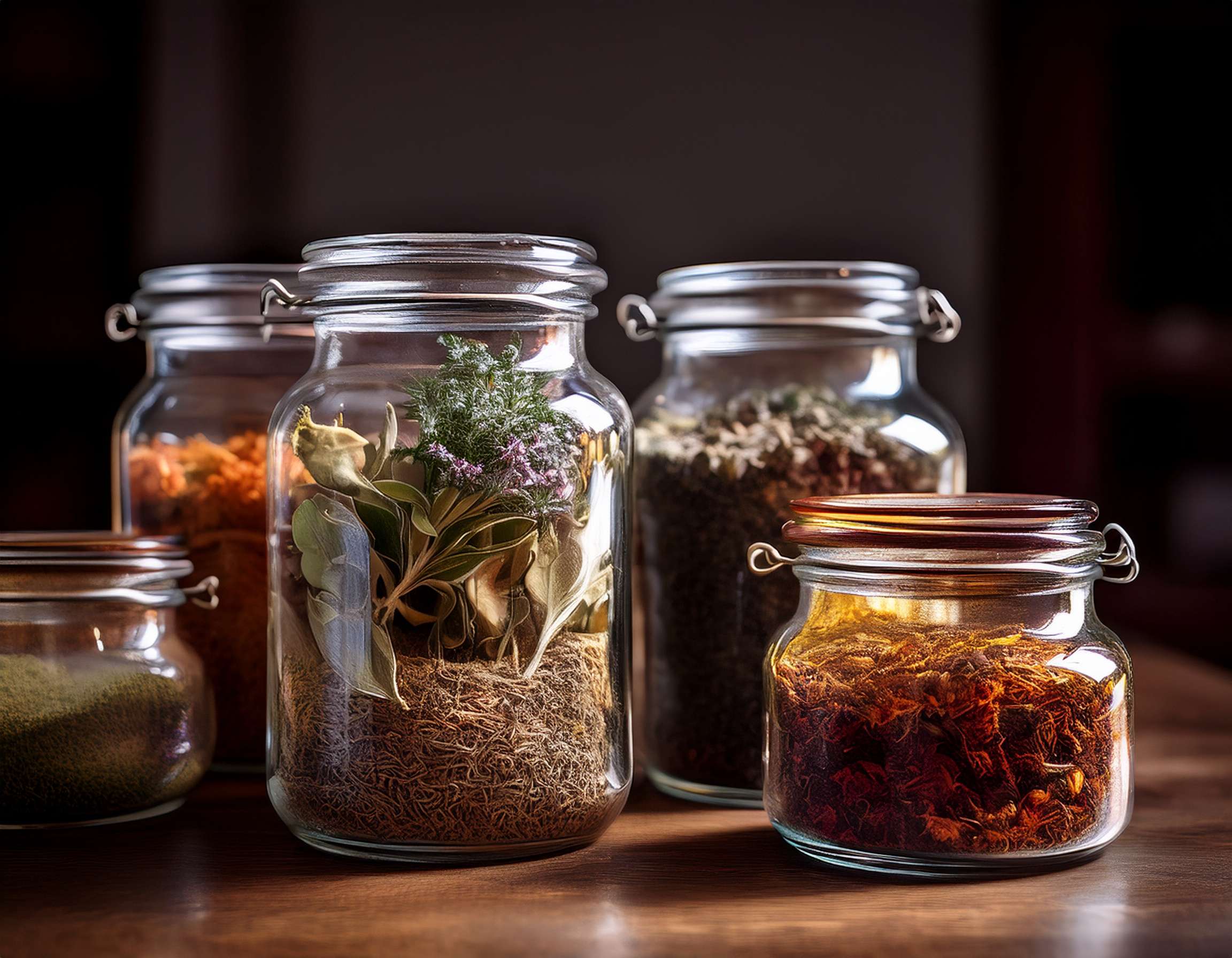
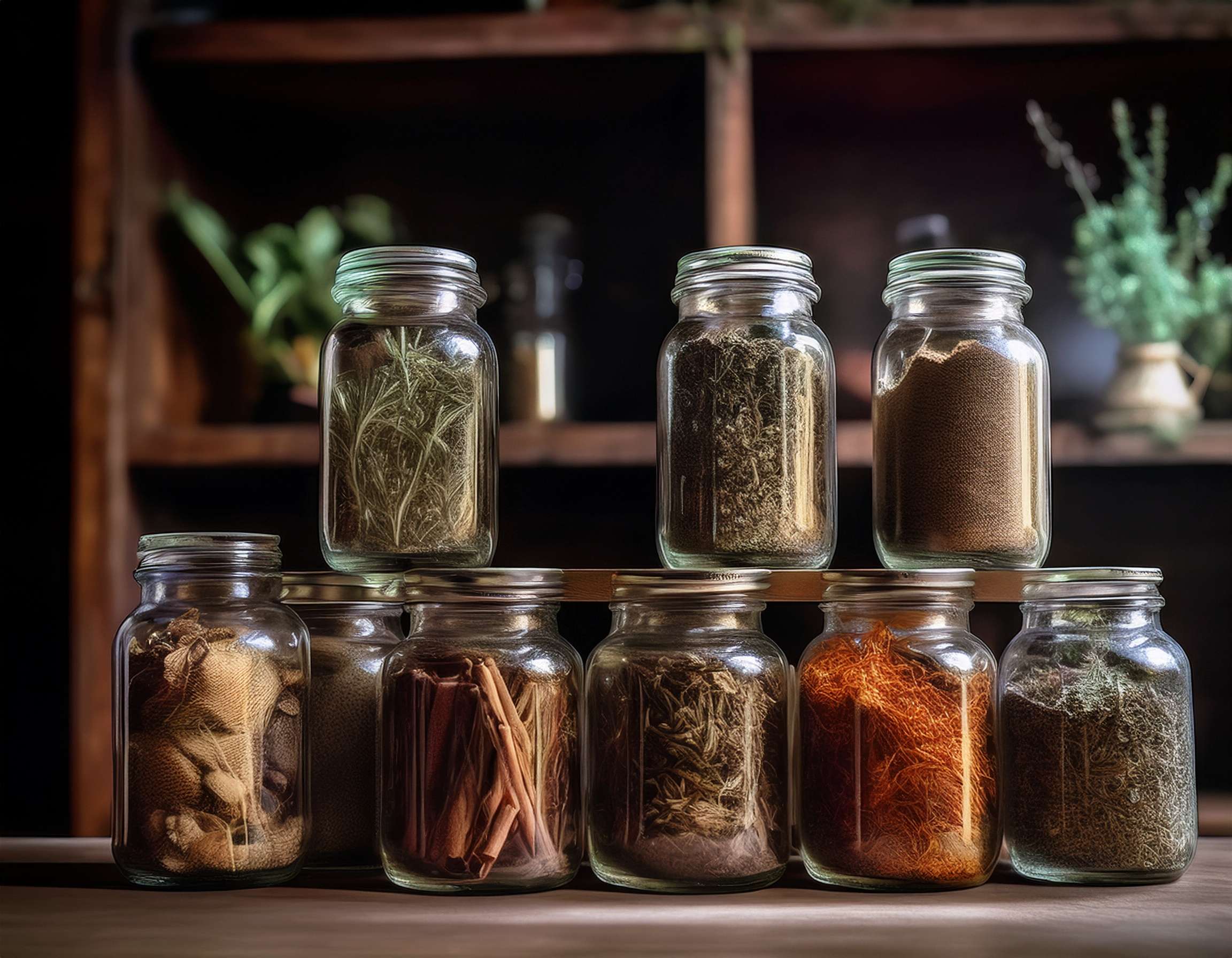
Quality starts with the blossoms. Good dried clover should look softly pink-red or purple, smell fresh and grassy, and feel fully dry to the touch. Avoid flowers that look dull, dusty, or damp. A sealed jar or bag that keeps out light and moisture is best.
Store dried blossoms in an airtight container in a cool, dark place. Fresh flowers should be used soon after picking. If they sit too long, they lose flavor and freshness fast.
Safety matters here. Pregnancy, breastfeeding, and blood-thinning medicines are the biggest concerns. Clover herb may also interact with hormone-related medicines or other prescriptions. Anyone with a health condition should check with a healthcare professional before using it regularly.
If you take medication, treat clover herb as a real herb, not a harmless garnish.
Conclusion
Clover herb has earned its place in herbal wellness because it is simple, gentle, and easy to use. Red clover is the version most people turn to, especially for tea, skin care, and day-to-day support.
A warm cup of clover tea, a floral honey, or a light bath soak can all fit into a mindful routine. The best results come from fresh, clean blossoms and careful use. If you want a low-stress place to begin, try a basic tea recipe first, then explore other herbs that fit your rhythm.
Stay Connected for More Natural Living Inspiration
If you enjoyed this post about herbal wellness and love discovering natural ways to refresh your home and wellness, don’t miss out on future recipes and clean-living tips! Subscribe to the blog for weekly DIYs, wellness inspiration, and herbal remedies delivered straight to your inbox.
Don’t forget to visit my Amazon storefront for the links to my favorite essential oils, herbal teas, and natural recipes. I also create YouTube ambiance videos for sleeping; a channel I created to help people who have trouble sleeping. The link to all social media content is here.
Thanks for coming by!

Leave a Reply