

(DISCLAIMER: I am not a doctor, and you should consult your healthcare professional before starting any health regimen.)

Key takeaways
- Clove comes from the dried flower buds of the clove tree.
- Its main active compound is eugenol, which helps explain clove’s strong scent and many traditional uses.
- People often use clove for cooking, tea, mouth comfort, and seasonal home routines.
- Culinary clove and clove essential oil are very different in strength and safety.
- Clove oil should be well diluted, patch tested, and kept away from eyes and sensitive skin.
- High intake is not a better choice, especially if you take blood thinners or have surgery coming up.
Few herbs feel as instantly familiar as clove. Its scent is warm, sweet, and a little sharp, like a cozy kitchen with a serious side. People use clove in baking, spiced tea, natural oral care, and aromatherapy. Yet the form matters a lot. Whole cloves, ground clove, clove tea, and clove essential oil are not the same thing.
That difference is where many people get tripped up. A pinch in food is mild. A drop of essential oil is highly concentrated. In this guide, you’ll get a practical look at clove’s benefits, common uses, safety notes, and simple ways to use it at home. If you want a closer look at wellness uses of clove essential oil, that resource pairs well with this overview.
A little clove goes a long way, especially when essential oil is involved.
What makes clove special in natural wellness
Clove comes from Syzygium aromaticum, an evergreen tree native to parts of Southeast Asia. The part most people know is the dried flower bud. Those buds are harvested before they open, then dried until they turn dark brown and hard.
That small bud carries a strong aroma because it’s rich in aromatic plant compounds. The best known is eugenol. In simple terms, eugenol is one of the key reasons clove smells spicy and feels warming. It also helps explain why clove has such a long history in oral care, food preservation, and home wellness.
Clove stands out because it does several jobs at once. It adds flavor, supports a sense of warmth, and brings a bold scent that doesn’t disappear in blends. That’s why it shows up in chai, mulled drinks, spiced baked goods, and many herbal traditions.
Whole cloves, ground cloves, tea, and essential oil are not the same
Whole cloves are the least processed form. They work well for simmering in tea, broths, or cider, then removing before serving. Ground clove is stronger by volume because more surface area touches the food. That makes it useful for baking and spice blends, but it’s easy to overdo.
Clove tea is much gentler than the essential oil. It usually comes from steeping whole cloves or blending clove with other herbs and spices. For most people, this is a simple, low-risk way to try clove at home.
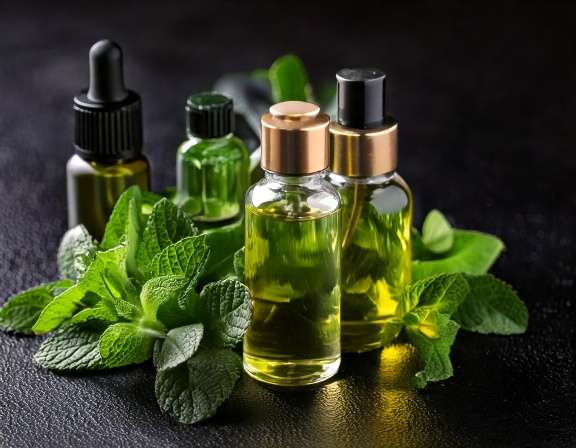
Clove essential oil is the strongest form by far. It’s concentrated, potent, and not meant to be used like a kitchen spice. You can’t swap it in drop for pinch. That mistake often leads to skin irritation or other problems.
Why clove has a warm, bold scent and flavor
Clove smells deep, spicy, and slightly sweet. It also has a dry, peppery edge. That mix makes it feel warming, almost like cinnamon with more bite.
Because of that profile, clove fits easily into seasonal drinks, oral care products, and aromatherapy blends. It pairs well with orange, ginger, cinnamon, and vanilla. In scent blends, it adds body and warmth. In food, it adds depth and a little drama.
Potential clove benefits people care about most
People often reach for clove because it feels practical. It lives in the spice cabinet, but it also has a long place in traditional wellness. The key is to keep expectations realistic and match the form to the use.
Clove and antioxidant support
Clove contains plant compounds with antioxidant activity. In plain language, antioxidants help the body deal with oxidative stress, which is a normal part of daily life. That sounds impressive, but it doesn’t mean clove is a cure-all.
What it does mean is simple. Using clove as part of a varied diet can add helpful plant compounds, much like other spices and herbs do. A warm cup of clove tea or a recipe with whole or ground clove can be one small part of a wellness routine.
Still, more isn’t always better. You don’t need large amounts to get value from a spice that’s naturally strong.
Why clove is often used for mouth and tooth comfort
Clove has a long history in oral care. Many people know it as a traditional home remedy for temporary tooth or gum discomfort. That link goes back, in part, to eugenol and clove’s numbing, warming feel.
Some people apply diluted clove oil near a sore area for short-term comfort. Others use clove in mouth rinses or natural oral care products. The goal is usually temporary relief, not treatment of the cause.
That distinction matters. If tooth pain is severe, keeps coming back, or comes with swelling, fever, or trouble chewing, dental care should come first. Clove may help bridge the gap, but it shouldn’t replace proper treatment.
How clove may support digestion and everyday comfort
Clove also has a place in digestive traditions. People often simmer it in tea or add it to meals after heavy foods. The reason is practical. Its warming nature can feel soothing when you’re dealing with mild gas, fullness, or that weighed-down feeling after eating.
A clove-based tea is usually gentler than oils or extracts. It can also pair well with ginger, fennel, or peppermint. If digestive comfort is your main goal, these best herbal teas for digestion offer more ideas for simple daily support.
Keep claims modest here. Clove may support comfort, but ongoing digestive symptoms deserve a proper medical check.
Simple ways to use clove at home
The easiest way to use clove is to start with food and tea. Those forms are familiar, easier to control, and much lower risk than concentrated oil.
Add clove to tea, cooking, and spice blends
Whole cloves work well in simmered drinks. Add one or two to black tea, chai-style blends, or warm apple cider. You can also drop a few into broth while it cooks, then remove them before serving.
Ground clove shines in baked goods, oatmeal, poached fruit, and spice rubs. It pairs especially well with cinnamon, nutmeg, ginger, and cardamom. Still, go light. Too much clove can take over a dish fast and leave a dry, bitter note.
For a simple home tea, steep 1 to 2 whole cloves with ginger slices in hot water for several minutes. Strain, sip, and see how your body responds.
Use clove in aromatherapy with care
Clove essential oil has a rich, spicy scent that can make a room feel warm and grounded. It blends well with orange, cinnamon, ginger, and even some wood oils. That said, clove oil is one of the stronger essential oils, so restraint matters.
Use only a small amount in diffusion. One drop, blended with softer oils, is often enough for a home diffuser. For topical use, dilute it very well in a carrier oil and patch test first.
If you keep a broader essential oils first aid kit, clove may have a place in it, but only if you respect its strength and use it carefully.
Try clove in simple seasonal home routines
Clove fits naturally into cooler weather routines. You can add whole cloves to a simmer pot with orange peel and cinnamon sticks. The house smells comforting without needing a synthetic air freshener.
Some people also use clove in cozy evening rituals, like a warm foot soak nearby, a mug of spiced tea, or a diffuser blend with orange and ginger. None of that needs to be fancy. Often, the best use of clove is the simplest one.
Clove safety, side effects, and when to be careful
Clove in food is one thing. Clove essential oil is another. That’s the main safety point to remember.
Small culinary amounts are usually well tolerated. Concentrated forms can irritate skin, mouth tissue, and the digestive tract if used poorly or in excess.
Important safety rules for clove essential oil
Clove essential oil should always be diluted before skin use. It can feel “hot” on the skin and may cause redness, stinging, or irritation, especially on the face or other delicate areas.
Patch testing matters. Apply a very diluted amount to a small area first and wait to see how your skin reacts. Keep it away from eyes, inside the nose, and other sensitive tissue.
Use extra caution with children, during pregnancy, around pets, and with anyone who has asthma or fragrance sensitivity. Some people react strongly to spicy oils, even when the dose seems small.
Also, don’t use clove essential oil internally unless you are under the guidance of a qualified professional. Kitchen spice is food. Essential oil is a concentrated extract, and the two should never be treated the same way.
Who should avoid too much clove
High intake of clove, clove oil, or clove supplements may not be a good fit for everyone. People who take blood thinners should be careful, because clove may affect bleeding risk. The same goes for anyone with surgery scheduled soon.
Those with liver concerns should also be cautious, especially with concentrated forms. If you’re pregnant, nursing, managing a chronic condition, or taking regular medication, talk with a healthcare professional before using large amounts or strong products.
As a general rule, stay with food-level use unless you have a clear reason to do more and know how to do it safely.
Clove earns its place in natural wellness because it’s versatile, aromatic, and easy to use in small ways. The best form depends on your goal, whole or ground clove for food, tea for gentle support, and essential oil for careful, limited use. Used thoughtfully, clove can add warmth and comfort to daily life without turning into too much of a good thing. Start small, pay attention to how you respond, and let the form guide the use.
Stay Connected for More Natural Living Inspiration
If you enjoyed this post about herbal wellness and love discovering natural ways to refresh your home and wellness, don’t miss out on future recipes and clean-living tips! Subscribe to the blog for weekly DIYs, wellness inspiration, and herbal remedies delivered straight to your inbox.
Don’t forget to visit my Amazon storefront for the links to my favorite essential oils, herbal teas, and natural recipes. I also create YouTube ambiance videos for sleeping; a channel I created to help people who have trouble sleeping. The link to all social media content is here.
Thanks for coming by!

Leave a Reply