
(DISCLAIMER: I am not a doctor, and you should consult your healthcare professional before starting any health regimen.)

Key Takeaways
- Clary sage (Salvia sclarea) is an aromatic plant oil often used for relaxation and women’s wellness routines.
- Some research suggests it may help with stress and mood, and it’s commonly used for menstrual and menopause comfort.
- Quality and safe dilution matter, start low and slow, and stop if you feel off.
- Diffusing and diluted topical massage are the most common approaches.
- Talk to a clinician first if you’re pregnant, breastfeeding, sensitive to hormones, or using hormonal meds.
Some days, your body feels like it’s running its own weather system. One hour you’re fine, the next you’re tense, teary, or too keyed up to sleep. That’s a big reason clary sage essential oil keeps coming up in women’s wellness chats. People love its herbal, slightly sweet scent, and many use it as a supportive tool for cycle comfort, stress, and menopause-related tension.
This post shares what clary sage is, why it’s popular, what research hints at, and how to use it in ways that respect your body’s signals. It’s supportive self-care, not medical advice, and your comfort matters, especially with scent and skin sensitivity.
What Is Clary Sage Essential Oil, and Why Do People Use It for Women’s Health?
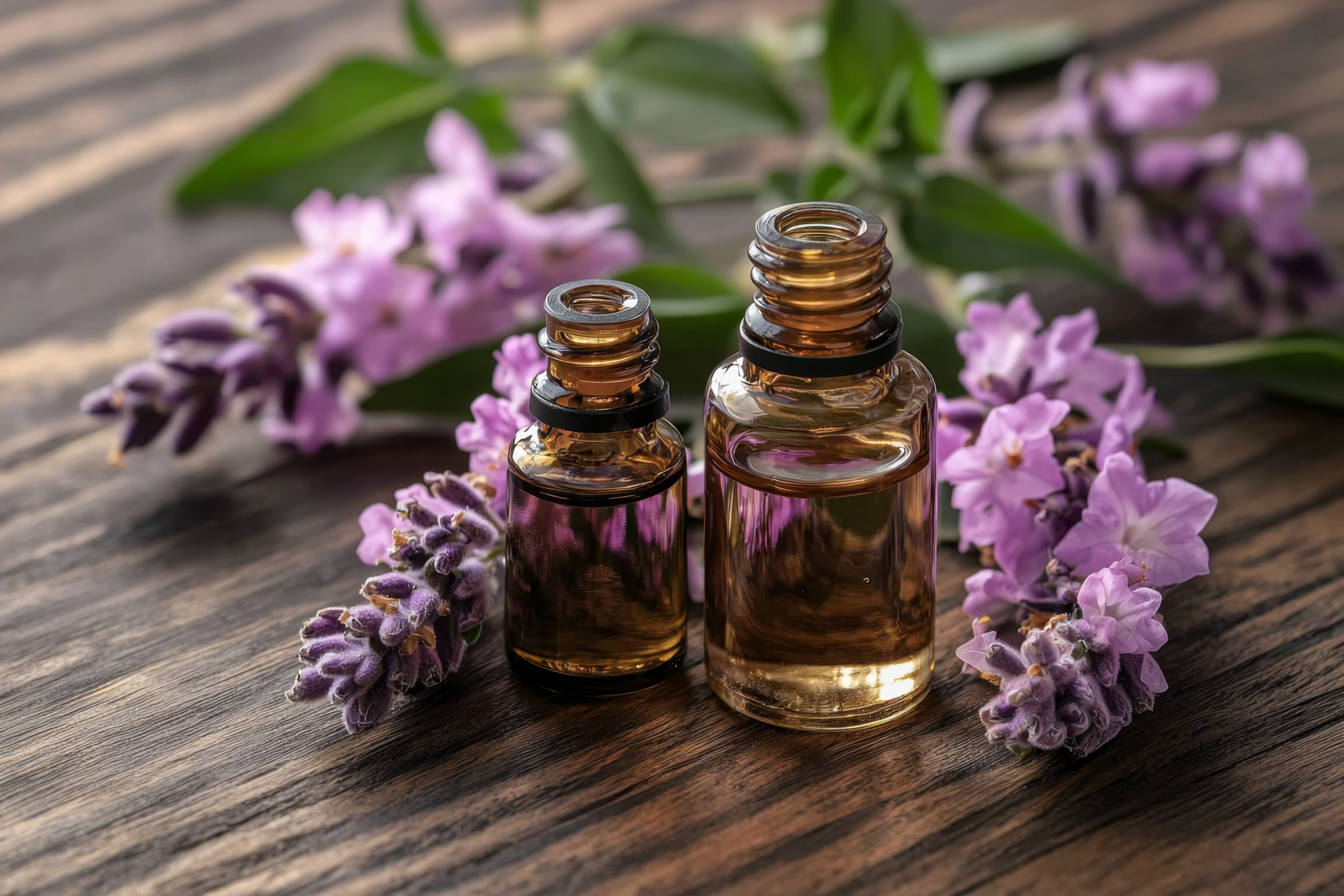
Clary sage essential oil comes from Salvia sclarea, a flowering plant in the sage family. It’s not the same plant as the sage you might cook with, and that difference matters for safety (more on that in a moment).
The essential oil is usually made by steam distillation of the flowering tops and leaves. Think of it like capturing the plant’s most aromatic compounds as a concentrated liquid. Because it’s concentrated, a little goes a long way, both for scent and for skin use.
What does clary sage smell like?
Most people describe clary sage as herbal, warm, and slightly sweet, sometimes with a soft, tea-like note. It can feel grounding, like stepping into a clean linen closet that also has dried herbs tucked in the corner. If you prefer crisp or citrus scents, you might like it blended with bergamot or lavender rather than used alone.
Why women reach for clary sage
Women often use clary sage essential oil as a supportive tool for:
- Cycle discomfort, including tension and crampy feelings
- PMS mood shifts, like irritability or feeling extra sensitive
- Stress and overwhelm, especially when your nervous system feels “wired”
- Sleep support, as part of a wind-down routine
- Perimenopause and menopause discomfort, like hot flash unease, tension, and restless nights
It’s important to keep expectations realistic. Aromatherapy works mainly through the sense of smell, which connects quickly to brain areas involved in mood and stress responses. That doesn’t mean an oil “fixes hormones” or treats a condition. It means scent and ritual can support relaxation, which can change how your body experiences discomfort.
A quick note on quality and storage
Essential oils aren’t regulated the same way as medications, so label reading matters. Look for:
- 100% pure essential oil, not “fragrance oil”
- The botanical name, Salvia sclarea
- A bottle that’s stored well (cool, dark place, cap closed tight)
And always remember dilution. Undiluted essential oils can irritate skin, even if they smell gentle.
Clary sage vs. sage: not the same oil
Clary sage (Salvia sclarea) is different from common sage (Salvia officinalis). They can smell related, but their chemical makeup isn’t the same. That means they can have different safety profiles, especially for certain health concerns.
Don’t swap one for the other in DIY recipes. If a blend calls for clary sage, use clary sage, not “any sage you have.”
How to choose a safer, better bottle
A practical checklist can save you from buying a pretty label that’s basically scented oil.
- Dark glass bottle (amber or cobalt)
- “Salvia sclarea” clearly listed
- Single essential oil, not a “perfume oil” or vague “aroma blend”
- Lot number or batch info if available
- Clear safety info (dilution guidance, basic cautions)
If the label avoids details, that’s a sign to walk away.
Top Women’s Wellness Benefits of Clary Sage Essential Oil (What the Research Suggests)
Clary sage is popular because many people experience it as calming and comforting. Research on essential oils can be tricky because studies may use different doses, methods, and participant groups. Still, some findings and clinical observations line up with the way people use clary sage in everyday routines.
The safest way to think about benefits is this: clary sage may support the body’s relaxation response. When you feel calmer, your muscles may loosen, your breathing may slow, and discomfort can feel less “loud.” That shift can matter during PMS, cramps, or menopause transitions.
A good approach is to treat it like a personal experiment. Keep notes for a week or two. If you notice headaches, nausea, or scent-related irritation, stop using it.
Menstrual cramps and cycle discomfort: relaxation support
Many women use clary sage in a diluted belly or lower-back massage during the first days of their cycle. The massage itself can help by increasing comfort and easing tension, and the scent can add a calming layer.
Clary sage isn’t a substitute for medical care if pain is severe or new. It’s more like turning down background noise so you can rest.
To make it work better, pair it with basics that often get skipped:
- A warm drink and steady hydration
- Gentle heat (used safely, and not right on top of fresh oil)
- Rest and lighter plans if possible
Safety reminders:
- Always dilute and patch test first.
- Don’t apply on broken, irritated, or freshly shaved skin.
- Wash hands after applying, oils travel fast to eyes.
PMS mood, stress, and feeling on edge
PMS isn’t “just mood.” It can feel like your patience is thinner, your thoughts race, and small problems feel big. Some studies suggest clary sage aromatherapy may support mood and relaxation in certain settings, which matches why it’s often used during PMS.
The most realistic way to use it is to attach it to a calming routine you’ll actually do:
- Inhale from a tissue for a few slow breaths
- Diffuse while you tidy for 10 minutes
- Use it during journaling, stretching, or a short walk
If PMS mood symptoms are intense, long-lasting, or affect daily life, don’t try to white-knuckle it with essential oils. Use them as support, and consider talking with a clinician.
Sleep support when your body won’t “power down”
Clary sage is often used at night because it’s associated with relaxation. It may be helpful for people who feel tense at bedtime, especially when stress shows up as tight shoulders or a busy mind.
Practical tip: don’t start with a strong diffuser session right before sleep. If a scent is too heavy, it can be distracting. Keep it light, and see how your body responds.
Libido, self-connection, and feeling more at ease
Desire can drop when stress is high, sleep is poor, or your body feels uncomfortable. Clary sage isn’t a magic switch, but it may help set a calmer mood, especially when paired with intentional self-care. Think of it like dimming harsh overhead lights before a relaxing evening, it helps the environment feel safer and softer.
If scent triggers headaches or nausea, skip it. Your nervous system gets a vote.
Perimenopause and menopause: sleep, tension, and hot flash discomfort
During perimenopause and menopause, many women use clary sage for tension, sleep changes, and hot flash discomfort. Some research suggests certain essential oils may influence stress markers and perceived comfort, though results vary person to person.
If hot flashes are a big concern, essential oils can be one tool among many. Common triggers like caffeine, alcohol, spicy foods, and overheated rooms often matter just as much.
For more menopause-focused ideas, see Best essential oils for hot flash relief.
How to Use Clary Sage Safely: Diffuser, Topical Blends, and Simple Routines
Essential oils are concentrated. Safe use is what turns a “natural” product into a helpful one.
Step-by-step: inhalation (simple and low-commitment)
- Add water to your diffuser up to the fill line.
- Start with 2 to 4 drops of clary sage total (less if you’re scent-sensitive).
- Diffuse for 30 to 60 minutes, then turn it off.
- Ventilate the room if the scent lingers too strongly.
If you don’t have a diffuser, you can put 1 drop on a tissue, hold it a few inches from your nose, and breathe slowly for 20 to 30 seconds. Short and gentle is the goal.
Step-by-step: topical use (where dilution matters most)
For most adults, start around a 1% dilution, then only increase if your skin tolerates it.
A plain-language guide:
- 1% dilution: about 1 to 2 drops per teaspoon of carrier oil (like jojoba, sweet almond, or fractionated coconut oil)
- Start at the low end if you have sensitive skin
How to patch test:
- Mix your diluted blend.
- Apply a small amount to the inner forearm.
- Wait 24 hours.
- If you notice redness, itching, or burning, don’t use it.
General safety basics:
- Avoid eyes, lips, and other mucous membranes.
- Don’t apply to broken skin.
- Keep oils away from kids and pets.
- Store tightly capped, out of heat and sunlight.
When to avoid clary sage or talk to a clinician first
Clary sage is often discussed in women’s wellness, so it’s smart to be cautious in situations where hormones and sensitivities are already complicated.
Check in with a healthcare professional before using clary sage if you are:
- Pregnant or trying to conceive
- Breastfeeding
- Managing hormone-sensitive conditions (or you’re being evaluated for one)
- Concerned about endometriosis or severe cycle pain
- Using hormonal medications (including certain birth control options)
- Prone to migraines triggered by scent
- Asthmatic or very scent-sensitive
- Scheduled for surgery soon (essential oils and supplements can matter in pre-op planning)
This isn’t about fear, it’s about making your routine fit your real life.
Easy diffuser ideas for calm and sleep
Try one blend at a time, so you know what agrees with you.
- Clary sage + lavender: 2 drops clary sage, 2 drops lavender
- Clary sage + bergamot: 2 drops clary sage, 2 drops bergamot
- Clary sage + cedarwood: 2 drops clary sage, 2 drops cedarwood
Diffuse in short sessions (30 to 60 minutes), and crack a door or window if the room feels “perfumed.”
Simple topical blend for belly or lower back (diluted)
This beginner blend is designed to stay gentle.
What you’ll need
- 2 teaspoons carrier oil (jojoba, sweet almond, or fractionated coconut oil)
- 4 drops clary sage essential oil (about a 1% dilution)
Directions
- Add the carrier oil to a small bowl or palm-sized glass bottle.
- Add the clary sage drops, cap (if using a bottle), and swirl to mix.
- Massage a small amount onto the lower belly or lower back for 1 to 2 minutes.
- Wash your hands after applying.
Cautions:
- Don’t place a heating pad directly over freshly applied oil. Wait at least 20 to 30 minutes, or use heat on top of clothing away from the application area.
- Stop if you feel dizzy, nauseated, or get a headache.
Conclusion
Clary sage essential oil has earned its place in many women’s routines because it can feel like a soft exhale, especially during stress, cycle discomfort, and menopause-related tension. It may help support relaxation and mood when used with realistic expectations and solid safety habits.
Start low and slow, pay attention to how your body reacts, and choose a routine you can repeat without fuss. If symptoms are severe, new, or persistent, check in with a healthcare professional, essential oils work best as support, not as a stand-in for care. Try one simple clary sage routine for a week, and jot down what changes, even small ones.
Stay Connected for More Natural Living Inspiration
If you enjoyed this post about herbal wellness and love discovering natural ways to refresh your home and wellness, don’t miss out on future recipes and clean-living tips! Subscribe to the blog for weekly DIYs, wellness inspiration, and herbal remedies delivered straight to your inbox.
Don’t forget to visit my LinkTree for the links to my favorite essential oils, herbal teas, natural recipes, YouTube ambiance videos for sleeping; a project I created to help with insomnia symptoms and the second channel, Rooted in Nature YouTube Channel both channels feature herbal recipes for wellness and home.
Thanks for coming by!
Leave a Reply