
(DISCLAIMER: I am not a doctor, and you should consult your healthcare professional before starting any health regimen.)

Key Takeaways
Clary sage can be a cozy, calming oil, but it’s still concentrated plant chemistry. If you want the short version before you try it, start here.
- Best-known uses: Many people use clary sage for stress, mood support, sleep routines, and menstrual cramps.
- Simple diffuser method: Try 3 to 5 drops in a diffuser for 30 to 60 minutes, then take a break.
- Easy topical option: Use it only diluted in a carrier oil (like jojoba or sweet almond), never straight on skin.
- Bath safety matters: Don’t drip oil into bath water, mix it with a dispersant first (like unscented castile soap).
- Pregnancy caution: Many sources recommend avoiding clary sage in pregnancy unless a qualified clinician approves.
- Know who should skip it: People with hormone-sensitive conditions, young kids, and those on sedatives or blood pressure meds should ask a clinician first.
- Patch test first: A quick patch test can save you from a rash, itching, or a surprise reaction.
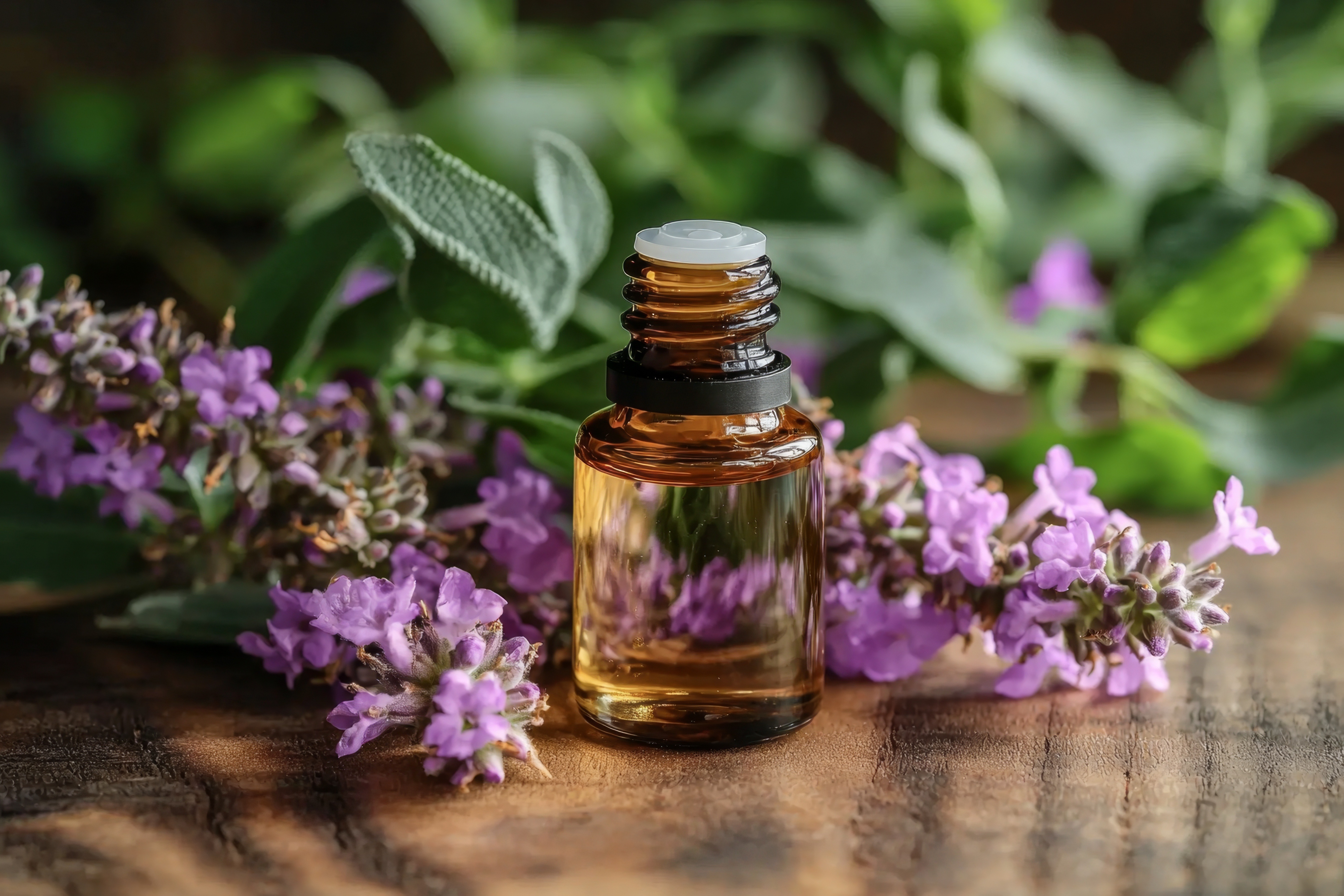
Clary sage essential oil comes from Salvia sclarea, a tall, leafy plant with soft purple blooms. Crack open a bottle and you’ll usually get an herbal scent first, then something sweet and slightly floral, almost like warm tea with a hint of dried flowers.
People use clary sage in natural living for a simple reason: it feels soothing. Some reach for it after a tense day, others use it during PMS, and many add it to a bedtime routine when their mind won’t shut off.
This post covers the clary sage essential oil benefits people report, what research hints at (without big promises), and the safest ways to use it at home. Safety matters here, especially if you’re pregnant, managing hormone-related conditions, or taking meds that affect sleep, mood, or blood pressure.
What clary sage essential oil is, and what’s inside it
Clary sage essential oil is usually steam-distilled from the flowering tops and leaves of Salvia sclarea. Steam distillation sounds gentle, but the end result is highly concentrated. It can take a lot of plant material to make a small bottle, which is why a “little goes a long way” isn’t just a saying here.
One reason clary sage feels different from bottle to bottle is that plants vary. Weather, soil, harvest timing, and distillation methods all change the final chemistry. So if one brand smells sweeter and another smells sharper, you’re not imagining it.
Clary sage is often discussed for a few main constituents:
- Linalyl acetate: Often linked with relaxing, soothing aromatherapy effects.
- Linalool: Common in calming oils, also found in lavender.
- Sclareol: A natural compound that gets attention in hormone-related discussions, though aromatherapy effects don’t equal hormone treatment.
These compounds help explain why clary sage is used for winding down, easing tension, and supporting comfort during the menstrual cycle. Still, essential oils don’t “fix hormones” in a predictable way, and anyone claiming that is overselling it.
Clary sage vs common sage: why they aren’t the same oil
Clary sage (Salvia sclarea) is not the same as common sage (Salvia officinalis). They may share a name, but their scent, chemistry, and safety profile can be very different.
Common sage essential oil may contain higher levels of thujone, a compound that raises more safety concerns for some people. That’s why you shouldn’t swap one for the other in DIY recipes, especially anything you plan to use on skin or around children.
If a recipe calls for clary sage, buy a bottle labeled clearly with the Latin name (Salvia sclarea). If a brand includes batch testing or third-party testing info, that’s a plus. You don’t need to become a chemist, you just want basic transparency.
Clary sage essential oil benefits for mood, stress, and sleep
Some oils smell “bright,” like citrus. Clary sage smells more like exhale energy. It’s the kind of scent people use when they want their shoulders to drop and their thoughts to slow down.
When it comes to clary sage essential oil benefits, mood support is one of the most common reasons people try it. In aromatherapy, inhaling certain plant compounds may influence how you feel by interacting with the olfactory system (your smell pathways) and areas of the brain tied to emotion. That’s not magic, it’s biology, but it’s also personal. The same scent that relaxes you might annoy someone else.
Small studies and lab research on key constituents (like linalool and linalyl acetate) suggest calming and soothing effects, but essential oils are not a replacement for mental health care, sleep medicine, or treatment for anxiety disorders. If your sleep is consistently poor, it’s worth checking for common causes like stress overload, caffeine timing, hormone shifts, apnea, or medication side effects.
If you enjoy floral oils for winding down, you might also like Neroli oil benefits for skin health and stress relief. Neroli has a different vibe, more bright-floral, but it’s another favorite for emotional comfort.
Calming support during a stressful day
For daytime stress, keep it simple. You’re aiming for “less tight,” not “knocked out.”
Add 3 to 5 drops of clary sage to your diffuser and run it for 30 to 60 minutes, then turn it off. Many people do better with short sessions than all-day diffusion. Open a window if the scent feels heavy, and keep the room ventilated.
If you like a pocket option, use an aromatherapy inhaler with 1 to 2 drops. Take a slow breath in, then step away. This works well before a tense meeting or when you’re stuck in traffic and your jaw won’t unclench.
Clary sage blends nicely with oils that feel soft and steady, like lavender, bergamot, or frankincense. If you diffuse around animals, use extra care. Pets can be sensitive to essential oils, and cats in particular are more vulnerable. Diffuse in a larger space, provide an exit route, and never force exposure.
A gentle bedtime routine for easier sleep
If your brain acts like a browser with 27 tabs open at night, clary sage can be a helpful “close a few tabs” cue. It works best when you pair it with a consistent routine.
Try one of these simple options:
First, diffuse clary sage 30 minutes before bed, then turn the diffuser off as you fall asleep. The goal is a calm setup, not hours of fragrance.
Second, make a diluted roll-on (or use a pre-made one you trust). Apply to wrists or upper chest, not near your eyes or nose. A 1 percent dilution is plenty for most people.
Third, use shower steam. Put 1 drop on a wet washcloth and place it on the shower floor, away from direct skin. Let the warm steam carry the scent while you breathe slowly.
If insomnia is chronic, intense, or tied to depression, anxiety, or panic, take that seriously. Oils can support a routine, but they can’t replace medical care.
Clary sage for menstrual cramps and hormone-related discomfort
Clary sage is a classic “cycle week” oil. People reach for it when cramps hit, when they feel puffy and tense, or when moods swing hard for no clear reason. The appeal is straightforward: clary sage tends to smell comforting, and massage plus aromatherapy can feel like real relief when your body’s tight.
The key is staying honest about what it can do. Clary sage isn’t a cure for PMS, endometriosis, fibroids, or severe pain. But it may help some people feel calmer, and that can matter because stress and muscle tension can make cramps feel worse.
A gentle belly massage can also support comfort in a totally non-mystical way. Massage increases circulation to the area, relaxes tight muscles, and signals your nervous system to shift out of “fight or flight.” Add a pleasant scent and warmth, and you’ve got a strong combo.
Some people also connect clary sage with menopause support. If hot flashes or mood shifts are part of your current chapter, you may like this related read on essential oils for hot flash relief during menopause.
How to use it for period cramps (topical and aromatherapy)
Topical use is usually the go-to for cramps because it pairs scent with massage. Keep your dilution conservative.
Start here:
- 1 percent dilution (sensitive skin): about 1 drop per 1 teaspoon of carrier oil.
- Up to 2 percent (short-term adult use): about 2 drops per 1 teaspoon of carrier oil, only if you tolerate it well.
Massage a small amount onto the lower belly or lower back. Add a warm (not hot) heating pad over clothing afterward if that feels good. Heat plus massage can be a simple comfort ritual.
Patch test if you’ve never used clary sage on skin. Apply a tiny diluted amount to the inner forearm, wait 24 hours, and watch for redness, itching, or bumps. Also avoid broken skin, and wash hands after applying so you don’t accidentally rub your eyes.
A diffuser can be a nice add-on when cramps make you cranky or restless. Keep diffusion sessions short and take breaks.
Clary sage essential oil benefits pregnancy: what to know before you use it
This needs to be clear: many sources recommend avoiding clary sage during pregnancy unless a qualified clinician approves it. Clary sage is often discussed in connection with uterine tone and hormone pathways, and that’s not something to experiment with on your own.
You may hear that some midwives use clary sage in late labor settings. That’s a specific situation, with timing, dosing, and clinical judgment. It does not mean it’s a safe DIY oil for pregnancy, especially in the first and second trimesters, or if you have any pregnancy complications.
If you want pregnancy-safe comfort tools, consider options that don’t involve essential oils at all, like gentle breathing exercises, a warm shower, rest with supportive pillows, or an unscented magnesium lotion (if your clinician says it’s ok). For anything scent-related, talk with your OB-GYN or midwife first, even if you’re “just diffusing.”
Safe ways to use clary sage oil at home (and common mistakes to avoid)
Most clary sage problems come from using too much, too often, or putting it on skin undiluted. Essential oils are not like body spray. Think of them more like strong kitchen spices. Great in tiny amounts, unpleasant fast when overdone.
For home use, pick one lane: diffuse or topical, and keep it light. Diffusing all day can cause headaches, nausea, or irritation for some people, even if the oil is high quality. A good rhythm is 30 to 60 minutes on, then several hours off.
People also worry about sun sensitivity. Clary sage is not known as a common phototoxic oil (unlike some citrus oils), but blends can include phototoxic ingredients. If you’re mixing oils and don’t know what’s in the blend, play it safe and avoid sun exposure on areas where you applied it.
Store clary sage like you would any delicate plant product: cap tight, away from heat and sunlight, and out of reach of kids and pets. Oxidized oils (old, poorly stored oils) can be more irritating on skin.
If you’re building a diffuser habit, you may also like these essential oil diffuser blends for allergy relief. Even if allergies aren’t your focus, it’s helpful inspiration for keeping blends simple.
Dilution, patch testing, and where not to apply it
A typical adult dilution range is 0.5 to 2 percent. If you’re new to oils, start at the low end. More drops do not mean more benefit, it often just means more irritation.
Patch testing is basic but worth it:
- Mix your diluted oil.
- Apply a small amount to the inner forearm.
- Leave it alone for 24 hours.
- If you react, wash with soap and water and stop using it.
Avoid applying clary sage near eyes, inner nostrils, ears, and private areas. Also skip “neat” use (straight from the bottle). Even oils that feel gentle can cause a rash when used undiluted.
Baths are a common mistake. Oil and water don’t mix. If you want a clary sage bath, mix your drops into a dispersant first (like unscented castile soap or a proper solubilizer), then add to the tub. Never add essential oil directly to bath water.
Who should skip it or ask a clinician first
Clary sage isn’t the best choice for everyone. Talk with a licensed health professional before using it if you fall into any of these groups:
- Pregnant or breastfeeding people
- Children
- Anyone with endometriosis or estrogen-sensitive cancers, or other hormone-sensitive conditions
- People taking sedatives, sleep meds, or meds that cause drowsiness
- People on blood pressure medications
- Anyone with a seizure disorder, asthma sensitivities, or a strong allergy history
If you’re unsure, keep it simple: don’t use it until you’ve asked. There are plenty of other low-risk comfort options you can use in the meantime.
Wrapping it up
The most talked-about clary sage essential oil benefits come down to a few real-life wins: feeling calmer, supporting a bedtime routine, and adding comfort during your cycle. Used with care, it can be a small but steady support in a natural living routine.
Keep your safety basics tight. Dilute it, patch test it, diffuse in short sessions, and take pregnancy guidance seriously. Start small, jot down how you feel after a few uses, and stop right away if irritation shows up.
Stay Connected for More Natural Living Inspiration
If you enjoyed this post about essential oils and love discovering natural ways to refresh your home and wellness, don’t miss out on future recipes and clean-living tips! Subscribe to the blog for weekly DIYs, wellness inspiration, and herbal remedies delivered straight to your inbox.
Tap here for more essential oil products, essential oil blends, natural recipes, plus some ambience videos for your sleeping pleasure.
Thanks for coming by!



Leave a Reply