
(DISCLAIMER: I am not a doctor, and you should consult your healthcare professional before starting any health regimen. Product links are commissioned and supports the blog)

Key Takeaways:
- Mood support: Many people find the spicy aroma feels comforting and uplifting.
- Seasonal wellness support: Often used in diffusers during colder months to make the air feel fresher.
- Freshening the home: Helps cover stale smells with a warm, clean scent.
- Skin routine support (when very diluted): Some people add tiny amounts to support oily or blemish-prone routines, usually for body, not face.
- Scalp and hair routine support (when properly diluted): Used to support a refreshed scalp feel in rinse-off products.
- Blends beautifully: Pairs well with sweet orange, lemon, vanilla-like notes, and woody oils.
- Safety first: Always dilute, patch test, keep away from eyes and mucous areas, and use extra caution around kids, pets, and during pregnancy.
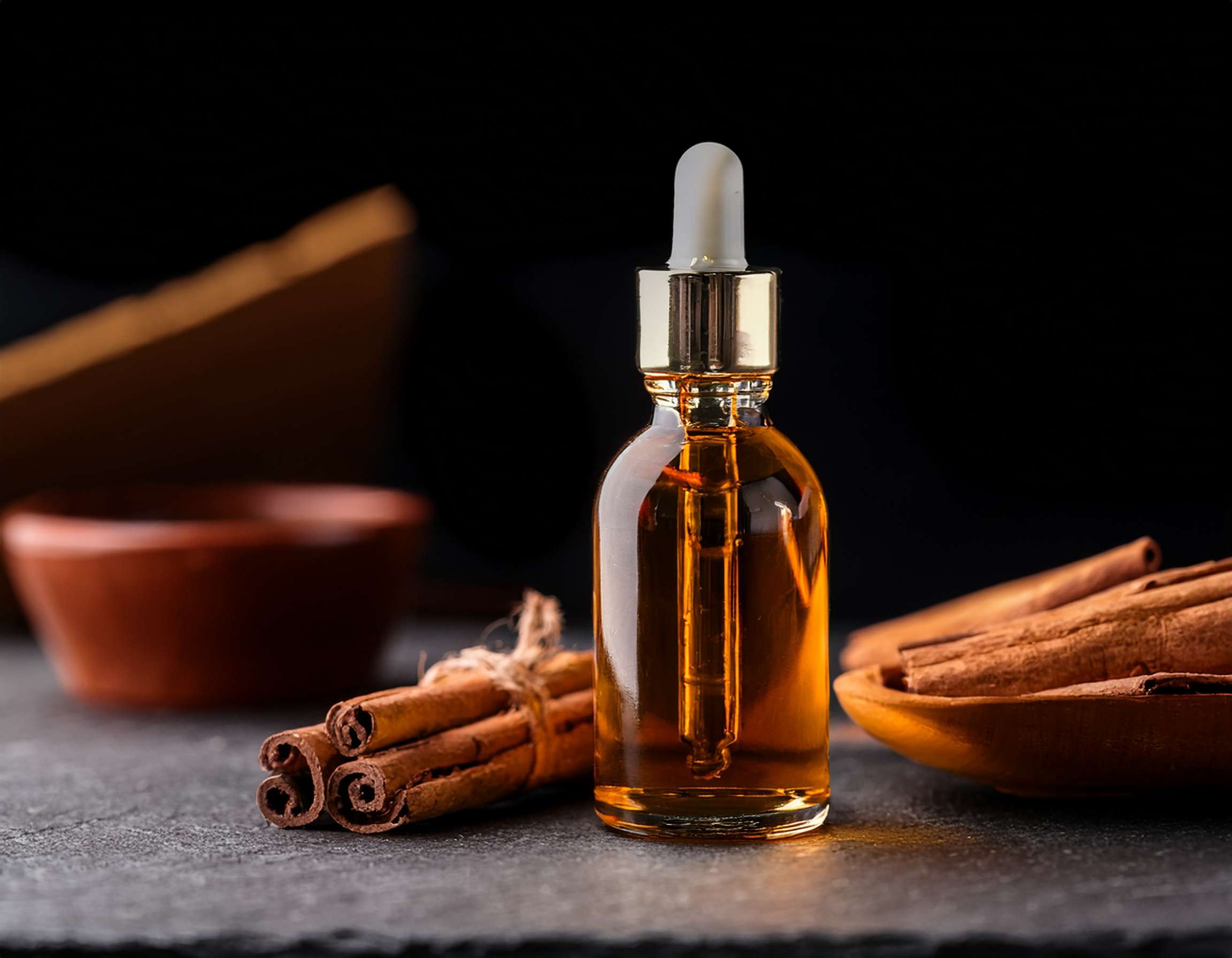
Cinnamon essential oil is the kind of scent that turns heads. One whiff and it’s like you just walked into a kitchen where something warm is baking. That strong smell comes from natural plant compounds that are concentrated during distillation, which is also why cinnamon oil needs respect. It’s powerful in a tiny bottle.
People use cinnamon essential oil in everyday wellness routines for simple reasons. It can make a space feel cozy, help a room smell cleaner, and add a little “wake up” energy when you’re dragging. Some also try it for skin and scalp goals, but only when it’s heavily diluted and used with care.
It’s also a “hot” oil, which means it can irritate skin fast if you use too much, use the wrong type, or skip dilution. Benefits can vary by person and by oil quality, so safe use matters just as much as the fun parts.
How cinnamon essential oil works in everyday wellness routines
Cinnamon essential oil tends to feel “warming” because of the way its aroma reads to the brain and body. The scent is spicy, sweet, and sharp all at once, so it can feel stimulating even if you’re only using it in the air. Think of it like turning on a light in a dim room. Nothing magical happened, but your whole mood can shift.
Aroma matters more than people admit. Smell is closely tied to memory and emotions, so cinnamon can feel nostalgic or grounding for some people. That’s why it shows up so often in winter blends and “cozy home” routines.
Also, not all cinnamon oils are the same. You’ll usually see cinnamon bark or cinnamon leaf. Both can smell strong, but the skin risk can be different. And with cinnamon oil, stronger isn’t automatically better. If an oil leaves your skin red and angry, it’s not supporting your routine, it’s derailing it.
Cinnamon bark vs cinnamon leaf oil: what’s the difference and why it matters
Cinnamon bark oil (often from Cinnamomum verum or Cinnamomum cassia) is usually the bold one. It tends to smell richer and “hotter,” and it’s also more likely to irritate skin. For many people, cinnamon bark oil is best saved for diffuser use only.
Cinnamon leaf oil often smells a bit greener and less sweet. Some people find it slightly gentler, but it still needs careful dilution. “Gentler” here doesn’t mean safe to use straight. It just means the margin for error may be a little wider.
When you’re shopping, check the label for:
- The botanical name (so you know what you’re actually getting)
- Whether it says bark or leaf
- Basic quality markers like batch info and a clear ingredient list
A stronger oil isn’t “better” if it causes irritation. The best oil is the one you can use safely and consistently.
The most common cinnamon essential oil benefits people notice
Most of the cinnamon essential oil benefits people talk about are sensory and routine-based, which is exactly where this oil shines.
Many people notice a cozy mood boost. Cinnamon can make a space feel warmer, even if your heater is doing all the real work. Some also like it as a morning scent because it feels bright and energizing, like opening the curtains.
It’s also a popular choice for freshening a room. Cinnamon doesn’t smell like soap or bleach, but it can help cover cooking odors or that closed-up winter-house smell. If you like blends, cinnamon plays well with citrus oils and soft, sweet scents. A tiny amount can make a simple orange blend smell more “rounded,” like adding a pinch of spice to tea.
If you enjoy other spicy oils, you might also like reading about How clove essential oil supports wellness routines. Clove and cinnamon often end up in the same family of cozy diffuser blends, and they share the same need for caution on skin.
Cinnamon essential oil benefits for skin and hair (with safe ways to use it)
Let’s be honest, cinnamon oil has a reputation. Some people swear it’s the secret to glowing skin and a happy scalp, while others try it once and never want to see the bottle again. The difference is usually dose and dilution.
Cinnamon essential oil isn’t a beginner-friendly skin oil. If you’re set on using it topically, keep the goal simple: support the look and feel of skin and scalp as part of a routine, not as a treatment. Start low, go slow, and favor rinse-off use over leave-on when you can.
If you’re not sure you want it on your body at all, that’s fine. One of the safest ways to enjoy it is still the diffuser. You get the scent, the cozy vibe, and the “fresh home” feel without testing your skin’s patience.
Cinnamon essential oil benefits for skin: glow-support routines for oily or dull-looking skin
When people talk about cinnamon essential oil benefits for skin, they usually mean this: it may help support the look of clearer skin when oiliness, dullness, or the occasional blemish is part of the picture. The idea is that cinnamon’s strong plant compounds can make a routine feel more purifying.
The catch is that cinnamon oil can also cause stinging and redness fast, especially on the face. For most people, the face is not the place to experiment.
Safer ways to work it in:
- Use cinnamon oil in a diffuser for a spa-like vibe while you do your usual skin care.
- If you want topical use, stick to body-only blends (like elbows, knees, or a small area on the body), and keep it very low.
A conservative dilution range for leave-on products is often 0.1% to 0.5%. That can be as little as 1 drop per 2 tablespoons (or more) of carrier oil, depending on drop size and total volume. If measuring feels confusing, err on the side of using less, not more.
Common carrier oils people use include jojoba, sweet almond, fractionated coconut oil, and grapeseed oil. If you feel heat, burning, or see redness, wash the area with soap and water and stop using it.
Cinnamon essential oil benefits for hair: scalp and “healthy hair” support without the burn
Cinnamon essential oil benefits for hair are usually about the scalp. Some people like it because it makes the scalp feel refreshed and “awake,” which can feel nice during a deep clean hair day. The problem is that scalps can get irritated quickly, and cinnamon oil can turn a self-care moment into an itchy mess.
The safest approach is to keep cinnamon oil in rinse-off products, and keep the dilution very low. For example, you can add a single drop to a palmful of shampoo, mix it in your hands, then apply and rinse well. Don’t do this daily, and don’t do it if you already have a reactive scalp.
Never apply cinnamon oil straight to your scalp. Also, be careful in the shower because cinnamon vapors can irritate eyes.
If you’re building a broader hair routine, this guide on How essential oils boost scalp health is a helpful companion. It covers other oils that many people find easier to work with than cinnamon.
Safety rules you really need to follow with cinnamon oil
Cinnamon essential oil is one of those oils where the safety advice isn’t “just in case.” It’s the main event. Irritation is the big risk, and it can happen even if you don’t think you used much.
A quick note that clears up a common mix-up: photosensitivity is more common with certain citrus oils (especially expressed oils). Cinnamon oil’s issue is usually irritation and sensitization, not sunburn.
If you want to enjoy cinnamon oil with the least risk, use it in a diffuser, keep the drops low, and diffuse in a well-ventilated space for short periods. If you’re looking for blend ideas that stay simple, you might like Immunity-boosting essential oil diffuser recipes. You can always swap cinnamon in at a very low amount if it fits your scent preferences.
Dilution, patch tests, and who should skip it
Dilution is non-negotiable for skin use. Even diluted, patch testing is still smart.
A simple patch test:
- Mix your diluted blend (start very low).
- Apply a small amount to the inner forearm.
- Leave it alone for 24 hours (no re-applying).
- Stop if you notice redness, itching, burning, swelling, or a rash.
Some people should avoid cinnamon oil on skin, or skip it entirely, unless a qualified clinician says it’s okay:
- Kids (especially young children)
- Pregnancy and breastfeeding
- Sensitive or allergy-prone skin
- Eczema-prone skin or broken skin
- People with asthma or scent-triggered breathing issues
- Homes with pets, especially cats (diffuse with extra caution, or avoid)
If you have a medical condition or you’re on medication, check with a clinician before using strong essential oils. When in doubt, choose a gentler oil and keep cinnamon as a kitchen spice where it belongs.
Common mistakes that cause irritation (and how to avoid them)
Most cinnamon oil problems come from the same few choices. Avoid these and you’ll dodge a lot of trouble.
- Using it neat (undiluted): This is the fastest way to get a burn-like reaction.
- Adding it to a bath: Oil and water don’t mix, so the oil can sit on skin in concentrated spots.
- Using it on the face, lips, or near the eyes: These areas are more sensitive, and cinnamon can travel.
- Layering multiple “hot” oils: Cinnamon plus clove plus oregano might smell bold, but it can be too much for skin.
- Using heat on top of it (like heating pads): Heat can increase irritation.
- Making strong sprays: Airborne droplets can sting eyes and bother lungs.
If you love the cinnamon vibe but your skin hates it, you still have options. Use fewer drops in the diffuser, choose cinnamon leaf instead of bark when it makes sense, or use cinnamon as a spice in food and keep the oil for scent-only use.
Conclusion
Cinnamon essential oil benefits are mostly about mood, scent, and routine support. It can make your home feel warmer, help a space smell fresher, and add a bright kick to simple diffuser blends. With skin and hair, it’s a different story, it can fit some routines, but only with very low dilution and a lot of care.
If you want a simple starter routine, try a diffuser blend with 1 drop cinnamon (leaf if you have it) plus 3 drops sweet orange, and run it for 15 to 20 minutes. Your next step is even simpler: learn basic dilution, do a patch test, choose a quality bottle, and store it safely out of reach.
Stay Connected for More Natural Living Inspiration
If you enjoyed this post about herbal wellness and love discovering natural ways to refresh your home and wellness, don’t miss out on future recipes and clean-living tips! Subscribe to the blog for weekly DIYs, wellness inspiration, and herbal remedies delivered straight to your inbox.
Don’t forget to visit my Amazon storefront for the links to my favorite essential oils, herbal teas, and natural recipes. I also create YouTube ambiance videos for sleeping; a channel I created to help people who have trouble sleeping. The link to all social media content is here.
Thanks for coming by!


Leave a Reply