
(DISCLAIMER: I am not a doctor, and you should consult your healthcare professional before starting any health regimen. Product links are commissioned and supports the blog)

Key Takeaways
- Lavender (Lavandula angustifolia) smells softer, sweeter, and more floral scent, ideal for sleep and relaxation.
- Lavandin (Lavandula x intermedia) smells sharper, cleaner, and more “herbal-camphor.”
- Lavender usually fits bedtime routines and skin-friendly blends better.
- Lavandin often shines in laundry, cleaning blends, and post-workout rubs.
- For kids, diffuse less, diffuse shorter, ventilate well, and skip overnight diffusing.
You’ve probably bought a bottle labeled “lavender,” brought it home, and thought, “Why does this smell… kind of strong?” That’s where the Lavender vs Lavandin Essential Oil question starts.
They’re related as members of the mint family, they’re both purple-flower favorites, and they’re both used for calm and comfort. But they don’t smell the same, they don’t always feel the same in a blend, and they don’t belong in the same “use it for everything” box, especially when kids are in the house.
Lavender vs lavandin: what they are (and why they’re not the same)
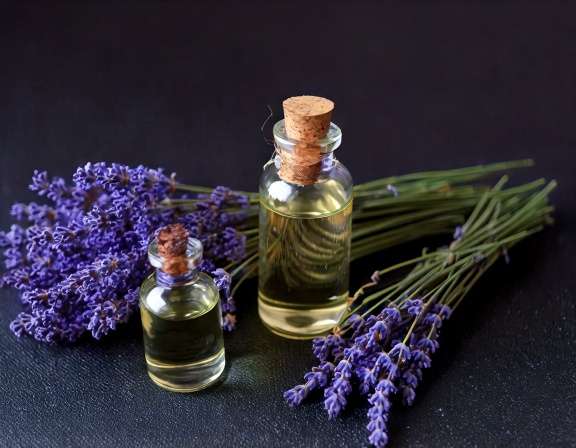
True lavender essential oil, also known as English lavender, usually comes from Lavandula angustifolia. It’s the classic “soft lavender” people picture, the cozy scent that feels like a warm blanket and clean sheets at the same time.
Lavandin essential oil comes from Lavandula x intermedia, a hybrid plant created through cross-pollination between Lavandula angustifolia and Lavandula latifolia (also called spike lavender). A popular variety is Lavandin Grosso. Hybrid plants often grow more vigorously, and lavandin typically produces a high oil yield per harvest. That higher yield is one reason lavandin is often more affordable and common in large-scale products like soaps, detergents, and household cleaners. Both oils are steam distilled to extract their essence.
The other big difference is the natural chemical makeup. Both oils often contain linalool and linalyl acetate (two well-known lavender-like aroma compounds), but lavandin tends to have a more brisk, “snap-you-awake” edge due to its natural camphor. This changes the scent and can change how it feels to use.
One more thing that matters in real life: essential oils vary by region, harvest time, and distillation style. So the best way to think about lavender vs lavandin is like coffee beans. Same family, different flavor, and each batch can still surprise you.
Scent differences you can actually smell (and how they show up in blends)
If you’re trying to spot the difference with your nose, don’t overthink it. Smell each bottle, then imagine where you’d want that scent in your day.
Lavender essential oil, derived from the flowering tops, often smells:
- sweet and floral
- smooth and round with a herbaceous aroma
- gently herbal, without a “bite”
Lavandin essential oil often smells:
- brighter and more sharp
- greener and more “soapy-clean”
- with a medicinal scent or camphor-like (especially right after you open the bottle)
A simple analogy helps. Lavender is like a soft cotton T-shirt you’ve worn for years. Lavandin is like freshly washed linen that still has crisp folds.
This difference matters in DIY blends, where both serve as a middle note in a blend’s structure. In a bedtime diffuser blend, lavandin can feel a little too “cleaning-product” for some people, even if it’s perfectly fine as an oil. In a bathroom spray, though, that same crispness can be exactly what you want.
Also, pay attention to age and storage. Oxidized oils can smell harsher and may be more irritating on skin. Keep caps tight, store away from heat and sun, and don’t hang onto a bottle for years just because it’s “mostly full.”
Best uses: when to choose lavender, and when lavandin makes more sense
Most people don’t need both oils, but it’s helpful to know what each does best before you commit.
When lavender is usually the better pick
Lavender is often the easier choice for calm-focused routines, with Lavender Bulgarian as a preferred pick thanks to its soothing properties that help ease nervous tension. The scent is less sharp, so it tends to fit bedtime, meditation, or “I’ve had a long day” moments without taking over the room. It also offers anti-inflammatory benefits.
It’s also a popular option for skin-adjacent DIY in skin care, like adding a drop to a pre-made, unscented lotion or mixing into a properly diluted rollerball with a carrier oil. (Always patch test, and follow safe dilution rules.)
Think of lavender as the oil you reach for when you want comfort, softness, and a scent that doesn’t argue with other notes like vanilla, cedarwood, or frankincense. Lavender 40/42 serves as a standard for consistent scent in large batches or soaps.
When lavandin is the better pick
Lavandin earns its spot when you want a scent that reads fresh, clean, and strong due to its higher 1,8 cineole content, especially in products that compete with other odors.
It’s commonly used for:
- laundry blends (wool dryer balls, linen sprays, repelling moths in closets)
- mop water and surface cleaners (in a safe, well-formulated recipe)
- post-workout massage oils, because that brisk note can feel energizing
Lavandin can also be a smart “budget lavender” for large batches of DIY cleaning products, where you’d rather not use your pricier true lavender.
If you’re sensitive to strong scents, or you’re blending for relaxation, start with lavender first. If your goal is “make the whole room smell freshly cleaned,” lavandin often gets there faster.
Kid-safe diffusing rules for lavender and lavandin (simple and conservative)
Diffusing around kids doesn’t need to feel scary, but it should be treated like salt in cooking. A little goes a long way, and too much ruins the whole thing.
Here are conservative, kid-friendly rules that work well for most families:
- Skip diffusing for very young babies. Many safety-focused aromatherapy references suggest avoiding essential oil diffusion for infants, especially under 3 months. When in doubt, wait.
- Use fewer drops than you think. For a standard water diffuser, start with 1 drop, then reassess. For older kids in a larger room, 1 to 2 drops is often plenty.
- Diffuse for short bursts, not all evening. Aim for 10 to 20 minutes, then turn it off, even when using it for sleep and relaxation. Don’t diffuse overnight in a child’s bedroom.
- Ventilation matters. Keep a door cracked or air moving, and don’t diffuse in tiny, closed rooms.
- Give kids a way out. If a child says it smells “yucky” or they want it off, listen. Their bodies are smaller, and they can hit scent overload faster.
- Watch for signs it’s too much. Coughing, watery eyes, headaches, unusual crankiness, or “my throat feels weird” are cues to stop and air out the space.
When it comes to Lavender vs Lavandin Essential Oil for family diffusing, lavender is usually the gentler-smelling option. Lavandin’s sharper profile can be overpowering faster, so if you use it, go even lighter. And if your child has asthma, frequent wheezing, or scent-triggered headaches, talk with a qualified clinician before making diffusing part of daily life.
Conclusion: picking the right “lavender” for your home
Lavender vs lavandin isn’t about which oil is “good” or “bad”; it’s about matching the scent and strength to the job. Choose true lavender when you want a soft, soothing floral scent that’s bedtime-friendly. Choose lavandin when you want crisp, clean, and powerful herbal power for laundry or house blends. In Lavender vs Lavandin Essential Oil, keep kid-safe diffusing simple, light, and short, because with essential oils, less usually works better.
Stay Connected for More Natural Living Inspiration
If you enjoyed this post about herbal wellness and love discovering natural ways to refresh your home and wellness, don’t miss out on future recipes and clean-living tips! Subscribe to the blog for weekly DIYs, wellness inspiration, and herbal remedies delivered straight to your inbox.
Don’t forget to visit my Amazon storefront for the links to my favorite essential oils, herbal teas, and natural recipes. I also create YouTube ambiance videos for sleeping; a channel I created to help people who have trouble sleeping. The link to all social media content is here.
Thanks for coming by!

Leave a Reply