
(DISCLAIMER: I am not a doctor, and you should consult your healthcare professional before starting any health regimen.)

Key Takeaways
- Reduce stress and feel a calmer mood, even on busy days.
- Support immune health and easier breathing during cold season.
- Enjoy gentle focus without caffeine or jitters.
- May help maintain healthy blood sugar in adults.
- Avoid tulsi if you are pregnant, have low blood sugar, or take blood thinners, unless a professional says it is OK.
Need a calm, cozy cup that takes the edge off the day? You are in the right place. This guide breaks down holy basil tea benefits in clear, simple terms you can use right now. Also called tulsi, holy basil is a caffeine-free adaptogen with a warm, clove-like flavor that feels grounding from the first sip. Many people turn to tulsi for stress support, steady focus, and a soothed throat during cold season.
Below, you will find science-backed benefits, easy brewing steps, how much to drink, and safety tips. This is educational, not medical advice. Talk with a healthcare professional about your personal needs.
Holy Basil Tea Benefits You Can Feel
Tulsi is an adaptogen, a plant used to help the body handle stress.
Most of what we know comes from small human trials and long traditional use. The research is promising, and many people feel a clear difference with a daily cup. If you are searching for tulsi tea, adaptogen tea, stress relief tea, immune tea, or caffeine-free herbal tea, you are looking at the right herb.
Holy basil has a distinct, peppery aroma with hints of clove and mint. The flavor is bold yet smooth, and it pairs well with lemon, honey, or ginger. Many people sip it in the afternoon instead of coffee. Others use it as part of a bedtime wind-down. Think of it as a soft blanket for your nervous system.
Tulsi is not a cure-all, but it can be a steady helper. Keep your routine simple and consistent. Most folks notice the best results after a week or two.
Stress relief and calmer mood
Tulsi may support the stress response and healthy cortisol balance. In small studies, holy basil extract improved mood and reduced anxiety ratings compared with placebo. A daily tea habit is a gentle way to bring that support into real life. Try a cup in the late afternoon to take the edge off, or in the evening to cue your body for rest. The ritual alone helps your nervous system shift into a lower gear.
Immune and respiratory support
Tulsi has a long history for seasonal sniffles and scratchy throats. Its antioxidants and natural oils can support the upper airways and general immune function. During cold season, a warm cup of tulsi feels soothing and clear. Add lemon and honey for extra comfort. Breathe in the steam while you sip, and let the warmth do its job.
Blood sugar and metabolic health
Several small trials suggest holy basil may support healthy blood sugar in adults. Results vary, and more research is needed, but the trend is encouraging. If you use diabetes medication or monitor your glucose closely, talk with a healthcare professional before making tulsi a daily habit. Start with one cup and watch how you feel.
Focus and steady energy without caffeine
Tulsi tea is naturally caffeine-free. Many people report calm alertness, a clear head, and fewer jitters than with coffee or black tea. Use it as an afternoon swap to protect sleep later. You get mental steadiness without the crash.
Gut comfort and natural inflammation support
Compounds like eugenol and rosmarinic acid may soothe the gut and support a healthy inflammatory response. If your stomach feels tight after meals, slow, warm sips can help. Take your time. Let the heat relax your belly and your breath.
How to brew tulsi tea, how much to drink, and safety tips
A good cup comes down to fresh leaf, hot water, and enough time to steep. Keep it simple, then adjust to taste.
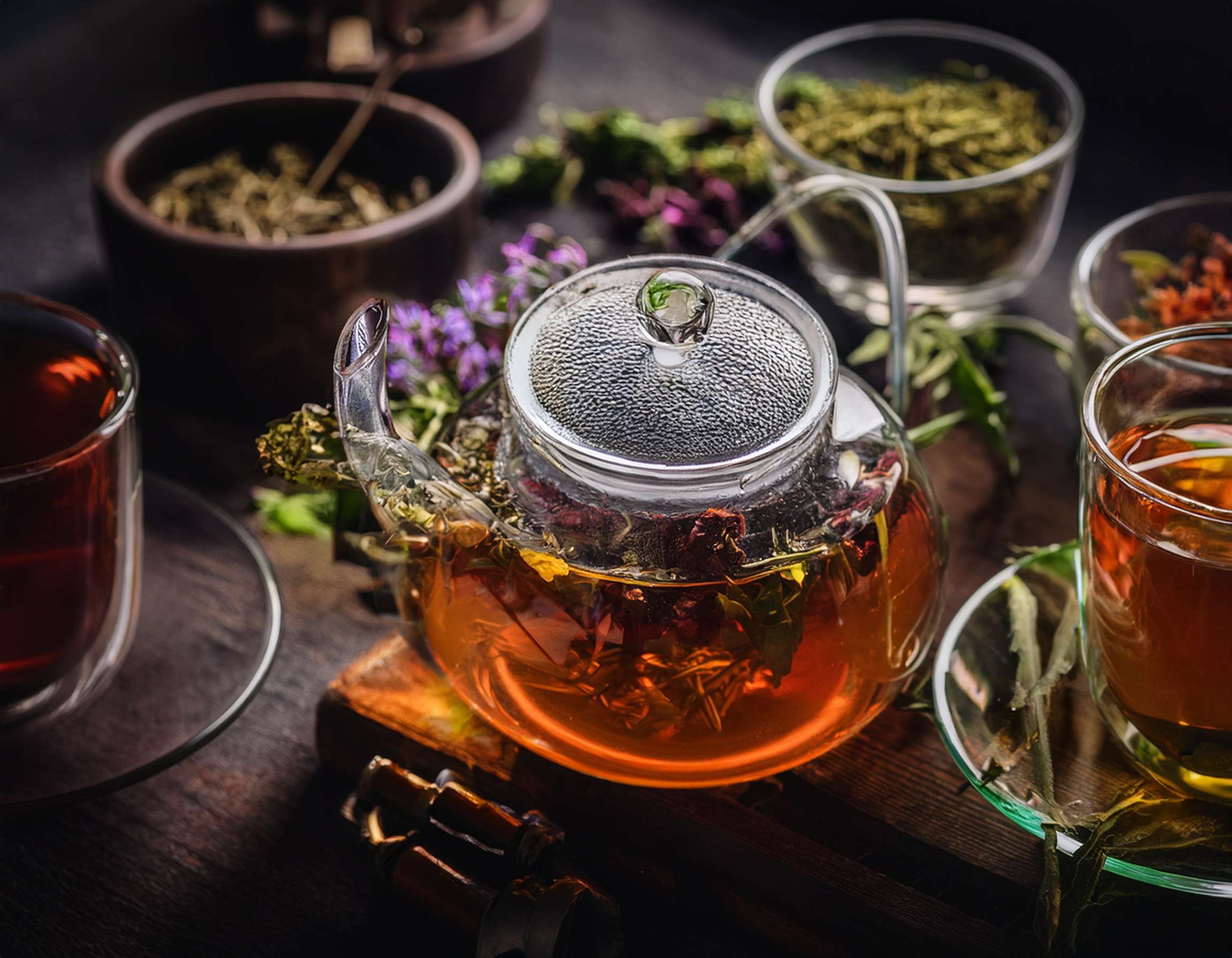
Best way to brew loose leaf and tea bags
For loose leaf, use 1 tablespoon per 8 ounces of water. For tea bags, use 1 bag per cup. Heat water to just off the boil, about 200 to 205 degrees Fahrenheit. Steep 7 to 10 minutes for fuller flavor.
If you want a stronger cup, add more leaf instead of steeping forever. Very long steeps can taste bitter. Cover your mug while it steeps to hold in aroma.
For hot brew: pour hot water over the leaf or bag, cover, steep, then sip.
For overnight cold brew: add 2 tablespoons loose leaf to 16 ounces of cool water, cover, and chill 8 to 12 hours. Strain and enjoy over ice.
How much tulsi tea per day and best timing
A common range for healthy adults is 1 to 3 cups per day. Morning is great for gentle focus, afternoon helps with stress, and evening supports wind-down. Start with 1 cup to see how you feel. Then adjust to your schedule and goals.
Flavor upgrades and simple blends
Tulsi tastes great on its own, and it also plays well with others.
- Lemon, ginger, or honey for comfort and warmth
- Cinnamon for a cozy, sweet-wood finish
- Mint for a crisp lift
Simple blends: tulsi with chamomile for bedtime, or tulsi with peppermint for clear breathing. These are easy, affordable, and friendly to new tea drinkers.
Side effects, interactions, and who should avoid it
Most people tolerate tulsi well. Possible side effects include nausea or an upset stomach in some people. Tulsi may interact with blood thinners, diabetes drugs, and thyroid medications. If you are pregnant, nursing, or preparing for surgery, talk with a healthcare professional first. If you notice dizziness, stomach pain, or unusual symptoms, stop and check in with a professional.
Buying quality tulsi and storing it for fresh taste
Choose organic tulsi when you can. Check harvest or best-by dates. Whole leaves that smell fresh and spicy are ideal. Store in an airtight container, away from light, heat, and moisture. Aim to use it within 6 months for the best flavor and aroma.
Conclusion
You now know the top holy basil tea benefits: stress relief, calmer mood, immune and respiratory support, gentle focus without caffeine, and possible help with healthy blood sugar. Tulsi is simple to brew, easy to enjoy daily, and flexible enough to fit many routines. Try a 7-day tulsi ritual, one cup per day, and note changes in stress, mood, and focus. Ready for a cozier week? Put the kettle on and take your first calm sip today.
Stay Connected for More Natural Living Inspiration
If you enjoyed this post about herbal wellness and love discovering natural ways to refresh your home and wellness, don’t miss out on future recipes and clean-living tips! Subscribe to the blog for weekly DIYs, wellness inspiration, and herbal remedies delivered straight to your inbox.
Don’t forget to visit my Amazon storefront for the links to my favorite essential oils, herbal teas, and natural recipes. I also create YouTube ambiance videos for sleeping; a channel I created to help people who have trouble sleeping. The link to all social media content is here.
Thanks for coming by!

Leave a Reply