
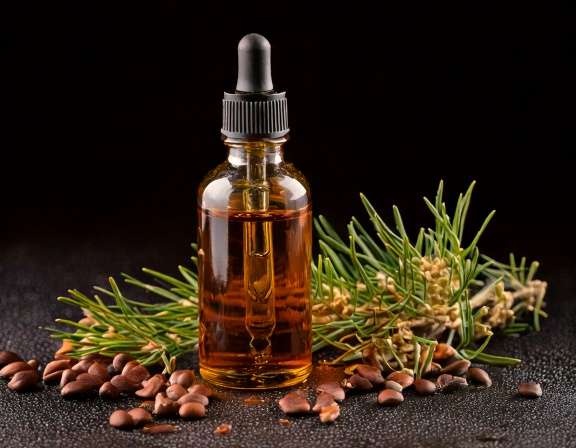
(DISCLAIMER: I am not a doctor, and you should consult your healthcare professional before starting any health regimen. Product links are commissioned and supports the blog)

Key Takeaways
- Cedarwood essential oil can help make coarse beard hair feel softer and easier to manage.
- It may calm itch, support the skin under the beard, and cut down on beardruff.
- The scent is warm, dry, and woodsy, so it smells clean without feeling too strong.
- Always dilute it in a carrier oil, and patch test before using it on your face.
- Small amounts work best, and simple beard oil and balm recipes make it easy to try at home.
Your beard can look full and still feel rough. It can catch on your shirt, itch by noon, and carry a scent that turns heavy fast if your grooming oil is too loud. That mix of dryness, flakes, and overdone fragrance is common, especially when your beard gets longer.
Cedarwood essential oil offers a simpler fix. When you dilute it well and use it with a good carrier oil, it can help soften coarse hair, calm the skin under your beard, and add a warm woodsy scent that stays close instead of filling the room.
The details matter, though. The real benefits come from how you blend it, how much you use, and how your skin responds.
What cedarwood essential oil can do for a dry, itchy, or wiry beard
A beard often feels rough for one reason: it needs moisture, and so does the skin under it. When that skin gets dry, the beard starts to feel stiff. Then the itch begins, and flakes show up on dark shirts like chalk dust.
Cedarwood essential oil can help, but it doesn’t work alone. In beard care, it shines when blended into oils like jojoba, argan, or sweet almond. Those carrier oils do much of the heavy lifting. Cedarwood adds skin support, a clean scent, and some useful properties that can make your routine more effective.
Its main appeal is balance. It can condition without feeling sticky, and it can soothe without smelling sweet. That’s a rare mix in beard products.
How it helps soften beard hair without leaving it greasy
Coarse beard hair loses moisture fast. It also bends in odd directions, which makes it look frizzy even when it’s clean. A diluted cedarwood blend helps by coating the hair lightly and reducing that straw-like feel.
The softness mostly comes from the carrier oil. Jojoba is a favorite because it feels close to the skin’s own natural oils. Argan adds slip and shine without much weight. When cedarwood is added in small amounts, the blend often feels more polished and easier to wear.
That means less drag when you comb, fewer flyaways, and a beard that feels calmer to the touch. You don’t need a glossy finish. Most people want hair that feels flexible, neat, and comfortable.
Cedarwood also fits well into a daily routine because the scent stays restrained. So you can use enough oil to condition the beard without walking around in a cloud of fragrance.
Why it can calm beard itch and cut down on flakes
Beard itch usually starts at the skin, not the hair. Dryness, irritation, trapped oil, and poor cleansing can all stir it up. Once scratching starts, the cycle gets worse.
Cedarwood essential oil has a reputation for soothing irritated skin, and some research points to anti-inflammatory and antifungal activity. That matters because beardruff often shows up when dry skin and yeast imbalance meet under a dense beard. When the skin barrier improves, flakes often settle down too.
A softer beard usually starts with calmer skin under it.
There’s also some interest in cedarwood for hair growth. An older study published in Archives of Dermatology found that a blend including cedarwood helped some people with alopecia areata. That’s worth knowing, but it doesn’t mean cedarwood will transform a patchy beard on its own. Beard growth depends on age, genetics, hormones, and skin health. Cedarwood may support a healthy beard environment, yet it isn’t a miracle fix.
The scent advantage, warm, woodsy, and not too much
Some beard oils smell like cologne poured straight into a bottle. Cedarwood goes the other way. It smells grounded, dry, and clean. The effect is more “well-kept jacket” than “fragrance counter.”
That is why many people like it for beard care. The scent feels natural, but it still has shape. You notice it when you apply it. A few minutes later, it sits close to the beard and doesn’t compete with everything else you wear.
Using less matters here. One or two extra drops can shift the blend from subtle to heavy, especially in a small bottle. On the face, restraint usually wins.
What cedarwood smells like in a beard oil blend
Cedarwood often smells like fresh wood shavings, a dry pencil note, or the inside of a clean cabinet. Some versions lean smooth and soft. Others have a sharper, drier edge.
In a beard oil, it usually comes across as earthy and tidy. There is no sugary finish, and there is little flash. That makes it easy to wear every day, even if you don’t like strong scents.
For many beards, cedarwood gives that “clean barbershop shelf” feel. It smells cared for, not decorated.
Best scent pairings if you want it fresh, crisp, or slightly sweet
A simple blend often smells better than a crowded one. Cedarwood pairs well with rosemary if you want a brisk, sharper edge. Lavender softens it and gives the blend a calmer tone. Bergamot can add brightness and lift, which helps if straight cedar feels too dry for your taste.
Use a light hand with all of them. Beard blends live right under your nose, so strong combinations can wear you out by midafternoon.
Start with cedarwood as the base note, then add one partner oil, not three.
If you use bergamot, check the type. Some forms are phototoxic and can raise sun sensitivity on skin. A bergapten-free version is safer for leave-on face products, and even then, modest amounts make the blend better.
How to use cedarwood essential oil on your beard safely
Essential oils are concentrated. Your beard might feel rugged, but the skin under it is still face skin, and face skin gets irritated fast. Cedarwood should never go on your beard or cheeks undiluted.
A good beginner rule is simple: mix 2 to 3 drops of cedarwood essential oil into 1 teaspoon of carrier oil. That lands around a 1 to 2 percent dilution, which is a sensible range for many leave-on beard products. If your skin is reactive, start lower.
Patch testing also matters. Put a small amount of the diluted blend on your inner arm, then wait 24 hours. If you get redness, burning, swelling, or itching, skip it.
A simple dilution rule that keeps beard care easy
If you don’t want to do math, keep it small. For one teaspoon of jojoba or argan oil, use 2 drops of cedarwood. For a 1-ounce bottle, about 5 to 6 drops is a safe, easy starting point.
That amount gives you scent without overload. It also lowers the chance of irritation, which is useful when you’re applying the blend often.
Keep the bottle in a cool, dark place. Shake it before use, especially if you’ve added more than one oil.
How often to apply it, and when to stop
How often you use it depends on your beard and skin. A short beard may need only a few drops every other day. A longer beard, or one that feels rough after washing, may do better with daily use.
The best time to apply it is after a shower or after washing your beard. Hair is slightly damp then, and the oil spreads more evenly. Rub a small amount between your palms, work it through the beard, then massage the skin underneath.
Stop if your skin stings, turns red, or gets itchier. Also pause if you notice bumps or a rash. People who are pregnant, nursing, managing eczema, or dealing with a skin condition should check with a doctor first. The same goes for anyone with known plant or fragrance allergies.
Easy DIY cedarwood beard recipes you can make at home
Homemade beard care doesn’t need a chemistry set. A few ingredients, clean tools, and a careful hand are enough. Keep the blends simple at first. Your nose and skin will thank you.
Quick beard oil for softness and daily itch relief
For an easy daily oil, fill a 1-ounce dark glass bottle with jojoba oil. Then add 5 to 6 drops of cedarwood essential oil. Cap it, shake well, and let it sit for a few hours before the first use.
This blend is light, easy to spread, and good for daily conditioning. Jojoba helps tame coarse hair without a slick finish, while cedarwood adds that dry wood note and may help settle itch.
Use 3 to 6 drops after a shower, depending on beard length. Warm the oil in your palms, press it into the beard, then work your fingers down to the skin. Finish with a comb or brush.
If your beard is extra dry, swap part of the jojoba for argan oil. A half-and-half mix gives a bit more softness and shine.
Simple beard balm for light hold and a subtle woodsy scent
A balm adds hold, which helps if your beard puffs out or grows in odd directions. It also seals in moisture longer than oil alone.
To make a small batch, melt 1 tablespoon beeswax, 1 tablespoon shea butter, and 2 tablespoons jojoba oil in a heat-safe bowl over warm water. Once melted, remove it from heat and stir in 6 to 8 drops of cedarwood essential oil. Pour the mix into a small tin and let it cool fully.
This lands around a gentle 1 to 2 percent dilution, depending on your exact volume. The scent stays close, and the finish feels neat rather than waxy.
Rub a pea-sized amount between your hands until it softens. Then smooth it over the beard and shape as needed. Balm works best when your beard feels dry at the ends or needs a little control around the cheeks and chin.
Start with less than you think you need. Too much balm can flatten the beard and leave buildup behind.
Conclusion
A rough beard often needs less drama and more care. Cedarwood essential oil fits that job well because it can support softness, calm itch, and add a clean woodsy scent in one small step.
The key is keeping it diluted and light. Start with a simple carrier oil, use only a few drops, and watch how your beard and skin respond over a week or two.
When it works, the change feels subtle in the best way. Your beard gets easier to touch, easier to style, and easier to live with.
Stay Connected for More Natural Living Inspiration
If you enjoyed this post about herbal wellness and love discovering natural ways to refresh your home and wellness, don’t miss out on future recipes and clean-living tips! Subscribe to the blog for weekly DIYs, wellness inspiration, and herbal remedies delivered straight to your inbox.
Don’t forget to visit my Amazon storefront for the links to my favorite essential oils, herbal teas, and natural recipes. I also create YouTube ambiance videos for sleeping; a channel I created to help people who have trouble sleeping. The link to all social media content is here.Thanks for coming by!



Leave a Reply