
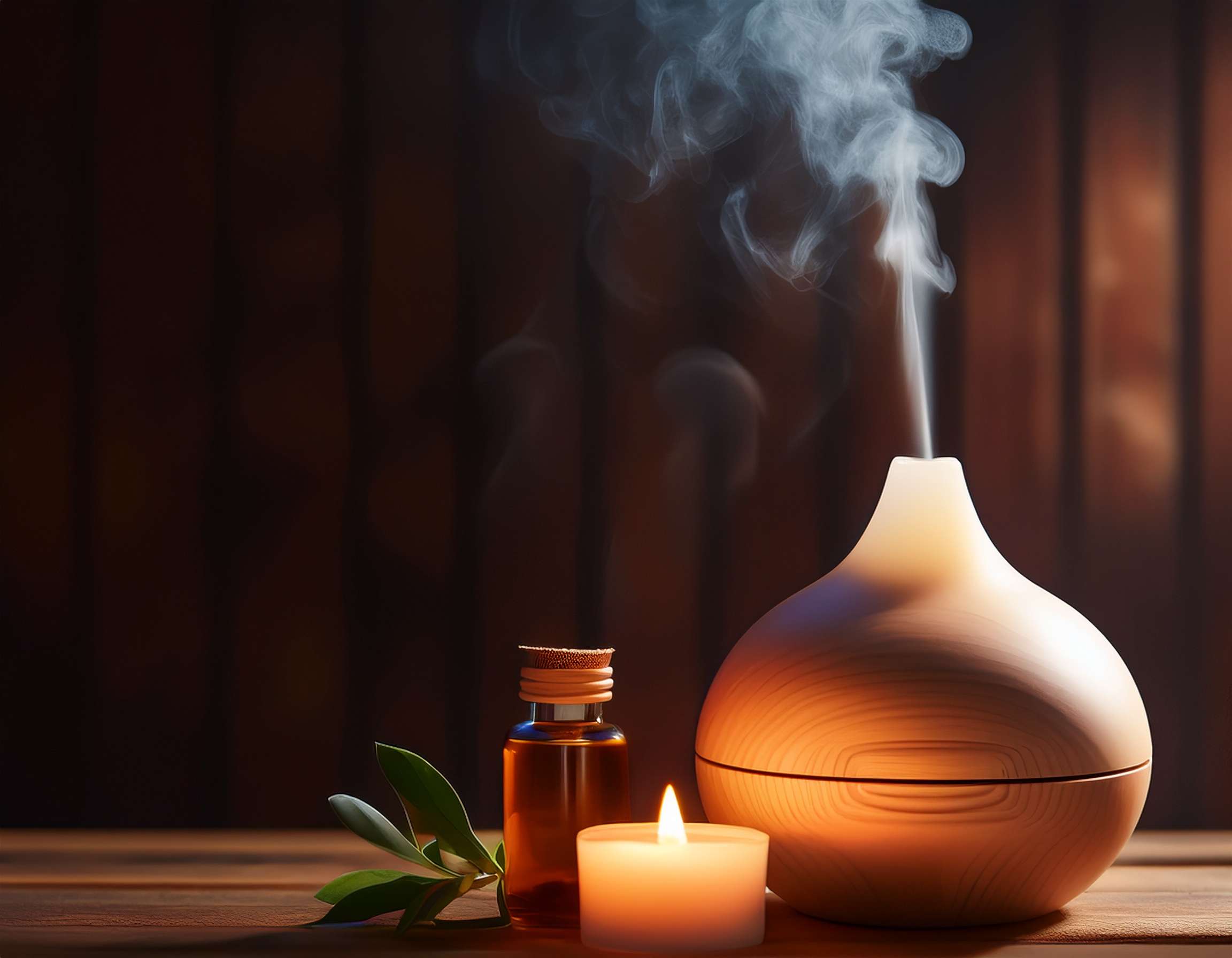
(DISCLAIMER: I am not a doctor, and you should consult your healthcare professional before starting any health regimen. Product links are commissioned and supports the blog)

Key Takeaways
- Most standard humidifiers are not made for essential oils, which can harm air quality.
- Only use oils if the manual says the unit is oil-safe or has an aroma tray.
- Putting oils in the water tank can wear down plastic parts and leave residue.
- Sensitive people, kids, and pets may react poorly to strong airborne oils.
- If you want scent, an essential oil diffuser is usually the safer choice.
It sounds like a smart combo, cool mist plus a calming scent. But in most cases, the safe answer is only sometimes. If you add oils to the wrong machine, you can damage the humidifier and create a mess that lingers.
The idea of an essential oils humidifier setup is appealing, especially in winter. Still, a traditional humidifier and an ultrasonic humidifier are not the same tool as a diffuser. They may look like cousins on the shelf, but they do different jobs.
The short answer: only some humidifiers are oil-safe
A traditional humidifier is built to add moisture to the air. That’s it. Pure essential oils are concentrated plant extracts, and they don’t mix with water the way many people expect. So, when oils go into a regular tank, they often float, cling to parts, and coat the inside.
That’s why the safest rule is simple. If the manual does not clearly say you can use essential oils, assume you can’t.
If your humidifier manual doesn’t say “oil-safe,” keep essential oils out of the water tank.
Some newer models, like top fill designs or units with a specific tank size, are made for both moisture and fragrance. These may include an aroma tray, scent pad, or a separate chamber. In that case, the oil goes in the tray, not in the water itself. Several humidifier safety guides make this distinction, including this oil-safe humidifier guide and these humidifier best practices.
It helps to think of it like cooking. You wouldn’t pour olive oil into a coffee maker just because both use liquid. The machine has a job, and the wrong liquid can gum things up fast.
If you mostly want essential oil blends, use a diffuser. If you mostly want moisture, use a humidifier. If you want both, buy a unit that says it handles both safely.
Why a regular humidifier and essential oils don’t always mix
The biggest problem is buildup. Essential oils can leave a film inside the tank, on filters, and around the misting parts, leading to clogging and increasing the risk of mold buildup if not cleaned. Over time, that residue can shorten the life of the unit. It can also make cleaning harder, which matters because humidifiers already need regular care.
There’s also the issue of materials. Some oils are strong enough to affect plastic, rubber, or seals. The fine mist from a cool mist unit can be affected by oil residue. Not every machine will fail quickly, but repeated use can wear parts down faster. Pure Air Adviser’s safety overview also points to these risks when people use oils in machines not designed for them.
Then there’s the air itself. A light lavender scent may feel cozy, but not everyone loves it. Strong oils can bother people with respiratory issues, allergies, migraines, or scent sensitivity. Young children and pets can also be more reactive to airborne oils, so it’s wise to use extra care in shared spaces.
That doesn’t mean essential oils are bad. It means they need the right method. For example, eucalyptus essential oil is popular during respiratory issues, but it still belongs in a diffuser or approved aroma tray, not a random tank. If you enjoy that fresh, clearing scent, this guide to eucalyptus aromatherapy for easier breathing offers better ways to use it.
In other words, the risk usually isn’t the oil alone. It’s using the oil in the wrong machine.
Safer ways to enjoy aroma without ruining your humidifier
The easiest fix is to separate moisture from scent. Run your humidifier for dry air, and use a nebulizing diffuser or aroma stones for essential oils. That setup gives you more control, and it usually keeps both devices cleaner.
If your unit does have an aroma tray or oil pad, keep the routine simple:
- Check the manual first
Look for wording like oil-safe, aroma tray, or essential oil compatible. - Use the right spot
Add oils only to the tray or pad, never the water tank unless the maker says to. Always use distilled water in the tank to prevent mineral deposits. - Start small
One or two drops are usually enough. Too much scent can feel heavy fast. - Clean after use
Wipe the tray and follow the care steps for cleaning a diffuser so residue doesn’t build up and you maintain a fine mist.
A mild oil often works best at first. Lavender essential oil, sweet orange, and a little peppermint essential oil are common picks. If your goal is mood support more than humidity, you might like these top mood-boosting essential oils. If you want more scent ideas for compatible units, this 2026 roundup of oils used with humidifiers can help you start with lighter options.
For those who prefer aesthetics, look for units with faux wood finishes, indicator lights, auto shut-off safety features, or a built-in night light. A waterless aroma kit is another safe way to enjoy scents without a humidifier.
Placement matters too. Keep the machine in a well-ventilated room, and don’t run heavy fragrance all day. Short sessions are often enough. A room should feel fresh, not like you walked into a candle shop with the door closed.
Finally, trust your senses. If the humidifier smells off, the mist changes, or the tank gets slick, stop using oils right away and clean the unit.
The bottom line
Yes, you can sometimes put essential oils in a humidifier safely, but only if that humidifier is an essential oils humidifier made for it. For most standard models, adding oils to the tank is a bad trade, a little scent now for a broken machine later.
When in doubt, opt for an essential oil diffuser as the primary tool for scent and keep moisture and aromatherapy separate. Your humidifier will last longer, your air quality will stay cleaner by following the manufacturer’s guidelines for cool mist production, and your essential oils will work the way they’re meant to.
Stay Connected for More Natural Living Inspiration
If you enjoyed this post about herbal wellness and love discovering natural ways to refresh your home and wellness, don’t miss out on future recipes and clean-living tips! Subscribe to the blog for weekly DIYs, wellness inspiration, and herbal remedies delivered straight to your inbox.
Don’t forget to visit my LinkTree for the links to my favorite essential oils, herbal teas, natural recipes, YouTube ambiance videos for sleeping; a project I created to help with insomnia symptoms and the second channel, Rooted in Nature YouTube Channel both channels feature herbal recipes for wellness and home.
Thanks for coming by!


Leave a Reply