

(DISCLAIMER: I am not a doctor, and you should consult your healthcare professional before starting any health regimen. Product links are commissioned and supports the blog)

As the days grow longer and flowers come to life, many of us look forward to spending more time outdoors. But for millions, spring signals an onslaught of sneezing, stuffy noses, and itchy eyes. Spring allergies can turn even the best days sour, draining your energy and sidetracking daily life. While allergy pills and sprays line drugstore shelves, more people are searching for natural solutions. Essential oils for allergies have stepped into the spotlight, offering plant-based relief that feels gentle yet powerful. This post reviews the best essential oils for spring allergies and gives you simple, safe ways to use them for long-lasting comfort.
Understanding Spring Allergies and Why Essential Oils Help
Spring allergies come when your immune system overreacts to things like pollen and mold. These triggers send your body into “defend” mode, creating inflammation and pumping out histamine. The result? Annoying symptoms like sneezing, sinus pressure, itchy skin, and watery eyes.
Using essential oils for allergies taps into nature’s built-in relief. Many oils give your body calming signals, dialing down the sneezing, swelling, and stuffiness. Science backs up a range of oils for fighting allergic reactions, thanks to their anti-inflammatory and soothing powers.
Common Spring Allergy Triggers
You don’t have to live in the woods to deal with allergies. Spring’s biggest offenders usually include:
- Pollen: Grasses, trees, and flowers kick up clouds of pollen that float through the air and irritate your airways.
- Mold spores: Damp spring weather means mold can grow quickly inside and outside your home.
- Dust mites: As you shake out rugs or open windows, dust mites escape into the air, stirring up allergies.
These triggers can stick around for weeks or even months, making relief feel out of reach without help.
How Essential Oils Work for Allergy Relief
Essential oils for allergies do more than smell nice. Plant-based oils like lavender, peppermint, and eucalyptus give your immune system a break in several ways:
- Reducing inflammation: Oils can calm angry tissues in your nose, throat, and skin.
- Soothing irritation: The natural compounds found in oils help relieve itching and swelling.
- Blocking histamine: Some oils may slow down your body’s release of histamine, the chemical behind sneezing and watery eyes.
- Purifying the air: Certain oils kill airborne germs and reduce indoor triggers.
A 2016 study in Evidence-Based Complementary and Alternative Medicine showed peppermint oil may ease allergy symptoms with its anti-inflammatory effect. Lavender oil has also shown promise in lowering histamine reactions in animal studies.
Top Essential Oils for Spring Allergy Relief
Not all oils work for every symptom. Some target congestion, while others quiet skin irritation. Here are the best essential oils for allergies during spring, and how they help.
Lavender Oil: Calming Histamine Response

Lavender is more than a calming scent for sleep. It’s known for reducing symptoms linked to allergies:
- Reduces inflammation: Lavender soothes tissues in your nose and throat.
- Slows histamine production: Fewer sneezes and less itching.
- Eases stress: Relaxing your mind can help your body deal with symptoms.
Try adding a few drops to your diffuser or diluted in a carrier oil for skin relief.
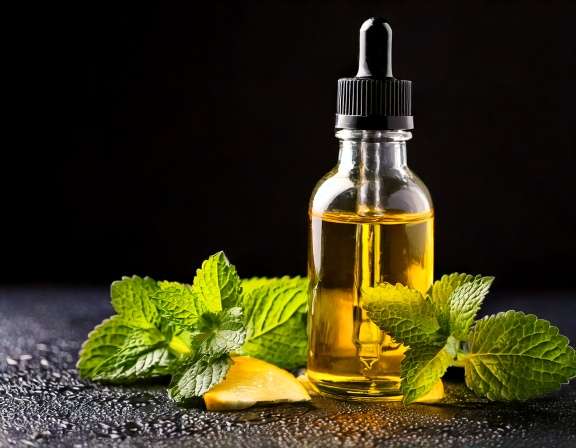
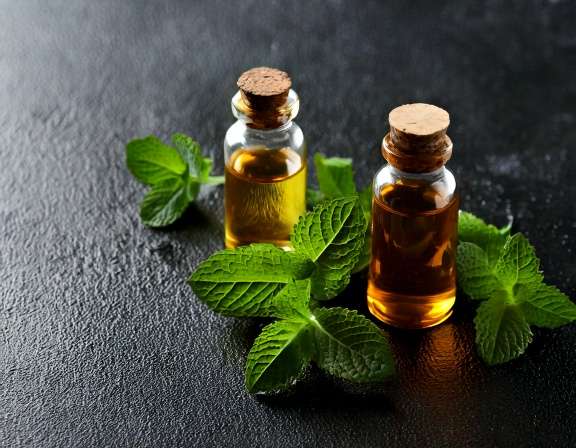
Peppermint Oil: Easing Congestion and Sinus Pressure

Peppermint packs a fresh scent that can break through congestion fast:
- Opens airways: Menthol in peppermint oil makes breathing easier.
- Reduces sinus pressure: Helps shrink swollen tissues in your nose.
- Cools irritated skin: Relieves itching and burning sensations.
For sinus relief, add a drop or two to steaming water and inhale deeply—or use in a diffuser for all-day comfort.
Eucalyptus Oil: Opening Airways and Fighting Allergens

Eucalyptus oil cuts through mucus and helps purify the air:
- Clears stuffy nose: Opens up tight sinuses.
- Fights airborne germs: Keeps your home’s air cleaner.
- Boosts breathing: Makes it feel easier to take a full breath.
Use a eucalyptus steam or run it in a diffuser during pollen season.
Tea Tree Oil: Reducing Airborne Triggers

Tea tree oil’s scent might be strong, but it delivers big results for allergy-prone homes:
- Cleanses the air: Known to kill mold spores and bacteria that spark allergic reactions.
- Cuts down allergen load: Less coughing and sneezing indoors.
- Treats skin irritation: Dab (diluted) on itchy rashes for calmer skin.
Add to homemade cleaning sprays or a room diffuser.
Other Noteworthy Oils: Lemon, Frankincense, and Roman Chamomile
A few more oils deserve attention for spring allergy relief:
- Lemon: Refreshes the air, lifts your mood, and can support easier breathing.
- Frankincense: Quiets inflammation and strengthens the immune system.
- Roman Chamomile: Gentle enough for children; calms itching and soothes red eyes.
Mix these with your favorite blends for an extra layer of support.
How to Safely Use Essential Oils for Allergies This Spring
Essential oils pack a punch, even in small amounts. The right method protects your health and delivers the best results.
Diffusion and Inhalation Methods
The safest way to use essential oils for allergies is breathing them in:
- Diffuse: Add 6-10 drops to water in an ultrasonic diffuser. Let the soothing vapor fill your room.
- Personal inhaler: Drop 1–2 drops on a cotton pad inside a special inhaler tube for on-the-go relief.
- Steam: Add 1–2 drops to a bowl of hot water. Place a towel over your head, lean in, and inhale the steam for 5–10 minutes.
Always start with less oil and increase as needed. Overuse can cause headaches or irritation.
Topical Application and Carrier Oils
Skin use offers targeted comfort. Follow these steps:
- Dilute every time: Never apply oils like peppermint or tea tree directly to skin.
- Mix with a carrier oil: Use coconut, jojoba, grapeseed, or sweet almond oil. A safe ratio is 1–2 drops essential oil per teaspoon of carrier oil (about 2% dilution).
- Spot test: Rub a small amount on your forearm first. Wait at least 24 hours to check for reactions.
Apply blends to your chest, neck, or wrists for best results.
Precautions and Potential Side Effects
Stay safe with a few simple steps:
- Do not use certain oils around babies, young kids, or pets. Some can be toxic or irritating.
- Never swallow essential oils unless directed by a qualified professional.
- Avoid contact with eyes and inside your nose.
- Talk to your doctor before using essential oils for allergies, especially if you’re pregnant or have asthma.
- Patch test every new oil to prevent serious reactions.
Conclusion
Essential oils for allergies offer real help during spring’s toughest weeks, calming symptoms and helping you feel more at ease. Choosing the right oil and using it safely makes a big difference. Try a few blends, adjust to what works for you, and enjoy the shift away from constant sniffles. If symptoms linger or worsen, reach out to a healthcare professional. With the right approach, you can breathe easy and welcome spring back into your life without the tissue box always in hand.
Stay Connected for More Natural Living Inspiration
If you enjoyed this post about essential oils and love discovering natural ways to refresh your home and wellness, don’t miss out on future recipes and clean-living tips! Subscribe to the blog for weekly DIYs, wellness inspiration, and herbal remedies delivered straight to your inbox.
Let’s stay connected, tap here for more essential oil products, essential oil blends, natural recipes, plus some ambience videos for your sleeping pleasure.
Thanks for coming by!

Leave a Reply