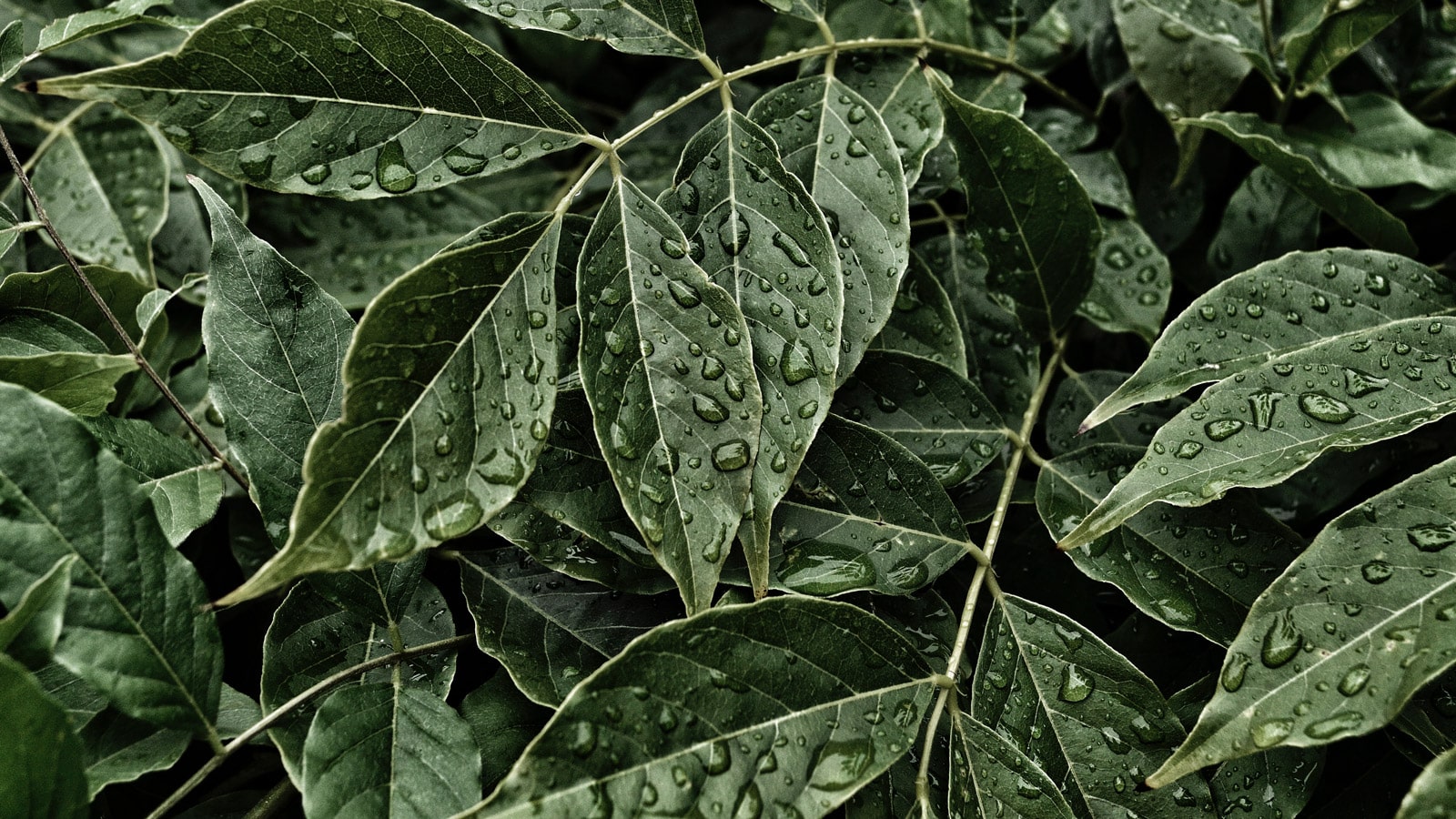

Discover the soothing benefits of plantain herb for skin and throat care. Learn how to use it safely in home herbal remedies.

Key takeaways
(DISCLAIMER: I am not a doctor, and you should consult your healthcare professional before starting any health regimen.)
- Plantain herb usually means broadleaf plantain or narrowleaf plantain, two common backyard herbs in the Plantago group.
- People often use it for minor skin support, including bug bites, stings, small scrapes, and other mild irritations.
- Fresh leaves are popular in a quick poultice, while dried leaves often go into teas, infused oils, and salves.
- Plantain tea is commonly used for a dry, irritated throat and sometimes as a gentle skin wash in home herbal care.
- Its soothing feel comes in part from plant compounds such as mucilage and tannins.
- Proper plant ID, clean harvesting, and common-sense safety matter every time.
Along sidewalks, beside garden beds, and across worn yard paths, plantain herb often grows where few other plants bother. Its leaves sit low to the ground, plain and easy to miss. Yet this common weed has a long place in folk herbalism, especially for skin support and soothing teas.
This article is about the medicinal herb plantain, usually Plantago major or Plantago lanceolata, not the banana-like fruit. If you’ve ever wondered why herbalists keep talking about this humble plant, you’re in the right place. Below, you’ll learn what plantain herb is, what it may help with, how people use it at home, and how to stay safe while harvesting or trying it.
What plantain herb is and why so many people use it
Plantain herb is one of those plants many people have stepped on for years without knowing its name. It often grows in compacted soil, along paths, in lawns, and around driveways. The leaves form a low rosette, and each leaf has clear parallel veins that run from base to tip like thin strings under the surface.
Two kinds show up most often. Broadleaf plantain, Plantago major, has wider oval leaves. Narrowleaf plantain, Plantago lanceolata, has long, slender leaves. Both send up leafless flower stalks from the center. These stalks carry tight clusters of small flowers and later seeds.
Why do so many herbalists keep plantain in mind? Because it has a long history as a soothing, slightly drying, skin-friendly herb. In practical terms, people reach for it when skin feels irritated or when they want a mild tea with a soft, moist feel. It isn’t fancy, but that’s part of its appeal. Like a sturdy pocketknife, it earns trust by being useful.
Broadleaf and narrowleaf plantain, how to tell them apart
Broadleaf plantain looks rounder and fuller. Its leaves hug the ground and can seem almost spoon-shaped. Narrowleaf plantain looks leaner, with pointed leaves that resemble long straps.
Both types have those strong string-like veins, and both grow from a central base. Their flower stalks stand upright and are often the easiest clue from a distance.
For most home herbal uses, people treat these two species in similar ways. Still, never harvest a wild plant unless you’re sure of the ID. A close look matters, especially if you’re new to foraging.
The plant compounds that give plantain its herbal value
Plantain’s feel tells you a lot about how people use it. It contains mucilage, which gives herbs a moistening, soothing quality. That helps explain why plantain tea feels gentle on a scratchy throat.
It also contains tannins, which have a tightening, astringent action. That’s one reason plantain is often linked with minor skin care. In addition, plantain contains other plant compounds, including flavonoids and related helpers that add to its long-standing herbal reputation.
You don’t need a chemistry degree to use that information. Put simply, plantain has a mix of compounds that make it feel calming, a little toning, and well suited to everyday herbal care.
The most common plantain herb benefits for skin, throat, and everyday care
Plantain herb has a loyal following because its uses are simple and realistic. This isn’t a cure-all, and it shouldn’t replace medical care. Still, traditional use and some research point to a few areas where it may be helpful, especially for minor skin issues and gentle soothing support.
Skin support comes first for most people. Fresh plantain is a classic warm-weather herb because it grows where bites, stings, and scrapes tend to happen, near trails, lawns, campsites, and gardens. It feels almost like nature left a small first-aid patch under your feet. That’s why many people tuck plantain into the same mental category as other natural first aid essentials.
After skin care, tea is the next common use. Plantain tea has a mild, grassy taste and a soft feel. People often sip it when the throat feels dry or rough. Some also drink it as a gentle everyday herb, though it works best when expectations stay grounded.
Plantain works best as a simple helper for minor, everyday issues, not as a stand-in for medical care.
Besides that, some people use cooled plantain tea as a skin rinse or wash. In home herbal traditions, that makes sense because the tea is mild and easy to prepare. If you already enjoy simple infusions, browsing these digestive herbal teas can give you a broader feel for how soothing herbs are often used at home.
Why fresh plantain is a favorite for bug bites, stings, and small scrapes
Fresh plantain shines because it’s often right there when you need it. People commonly use a leaf poultice for minor bug bites, mild stings, and small scrapes. The leaf is washed, bruised, and laid over the area for a short time.
Why do people like it so much? First, it’s fast. Second, the crushed leaf feels cool and moist. Third, it has that long folk record for calming everyday irritation. For a hiker or gardener, that can make plantain feel like a quiet little backup plan.
Keep the limits clear, though. Plantain poultices are for minor skin issues only. Don’t use them on deep wounds, infected skin, serious allergic reactions, or anything that needs urgent care.
How plantain tea may help soothe a dry, irritated throat
When dried plantain goes into hot water, it releases that gentle, slightly slippery feel many herbs lovers appreciate. That soothing texture is one reason people drink it for a dry, irritated throat.
The tea is usually mild, not dramatic. It won’t fix every cough or sore throat, but it may bring some comfort, especially when dryness is the main problem. People also use cooled tea as a gentle mouth rinse or skin wash in some home traditions.
Keep claims modest. Plantain tea supports comfort; it doesn’t replace proper care for severe throat pain, fever, trouble swallowing, or symptoms that stick around.
Simple ways to use plantain herb at home
Plantain is easy to use, which is part of its charm. You don’t need a long shelf of gear or a complicated recipe book. A few clean leaves, some dried herb, and a little patience go a long way.
Fresh leaves are the quickest choice for outdoor use. Dried leaves work well for tea. If you like to prepare ahead, infused oil and salve make plantain easier to store and carry. Think of fresh plantain as the quick answer, and preserved forms as the ready-to-go version for later.
How to make a quick plantain poultice when you need it fast
Start with a clean, correctly identified leaf from a safe area. Rinse it well. Then bruise or crush it between clean fingers, with a spoon, or in a mortar until the juices start to show. Place it over the minor irritated spot and leave it on briefly.
A more traditional method mentions chewing the leaf before applying it. People have done that for generations. Still, the cleaner choice is to use washed leaves and crush them with clean hands or tools, especially if the skin is broken.
Use common sense here. Clean plant material matters, and so does clean skin.
When to choose tea, infused oil, or salve instead of fresh leaves
Choose tea when you want a warm sip for throat comfort or a cooled wash for mild skin care. Dried leaves are handy because they store well and are ready in any season.
Pick infused oil when you’re preparing for later use. The oil pulls out plant properties over time and becomes a base for body care.
Reach for a salve when you want something portable and less messy. Salves are easy to keep in a bag, drawer, or travel kit. They don’t replace fresh leaves, but they make plantain much easier to use year-round.
How to harvest plantain safely and when to skip it
Plantain may be common, but safe use still matters. Where you harvest can matter as much as what you harvest. Avoid roadsides with runoff, sprayed lawns, industrial edges, and places heavily used by dogs. A clean-looking patch isn’t always a clean patch.
People with allergies or very sensitive skin should test carefully first. If you’re pregnant, nursing, taking medications, or managing an ongoing health issue, talk with a healthcare professional before using herbs regularly. That’s even more important for young children.
Also, know when to skip home care. Serious bites, infected wounds, spreading redness, breathing trouble, or strong swelling need medical attention. Plantain can support minor issues, but it shouldn’t delay proper treatment.
Where to forage plantain and how to clean and dry it well
Look for healthy green leaves in untreated areas away from traffic and contamination. Young to medium leaves are often the best choice because they tend to be cleaner and less fibrous.
Once home, rinse the leaves gently and pat them dry. If you’re drying them, spread them in a single layer in a warm, airy place out of direct sun until fully dry. Any leftover moisture can invite mold.
Store dried leaves in an airtight jar away from heat and light. Label the jar with the name and date so you know what you have later.
Important plantain herb safety tips to remember
The biggest safety rule is simple: be sure of the plant. Don’t guess. If your ID is shaky, leave it alone.
Next, watch for skin sensitivity. Plantain is generally considered gentle, but some people can still react. Try a small amount first.
Finally, treat plantain as supportive care, not primary care. That’s especially true with children, pregnancy, chronic illness, or symptoms that don’t improve.
That plain green rosette by the path is easy to ignore, but plantain herb has earned its place in home herbal care. It offers simple support for minor skin issues, soothing tea, and easy beginner-friendly preparations like poultices, oils, and salves. The best approach is a steady one, learn the plant well, harvest from clean places, and use it with care. When you respect both traditional wisdom and modern medical limits, one humble herb can teach you a lot.
Stay Connected for More Natural Living Inspiration
If you enjoyed this post about herbal wellness and love discovering natural ways to refresh your home and wellness, don’t miss out on future recipes and clean-living tips! Subscribe to the blog for weekly DIYs, wellness inspiration, and herbal remedies delivered straight to your inbox.
Don’t forget to visit my Amazon storefront for the links to my favorite essential oils, herbal teas, and natural recipes. I also create ambiance videos for sleeping on YouTube; a project I created to help with insomnia symptoms, and I also have a second channel, Rooted in Nature; both channels feature herbal recipes for wellness and home. The link to all social media content is here.
Thanks for coming by!

Leave a Reply