
(DISCLAIMER: I am not a doctor, and you should consult your healthcare professional before starting any health regimen. Product links are commissioned and supports the blog)

Key Takeaways:
Key takeaways are for a quick scan, then you can explore each benefit in detail.
- Supports better sleep and relaxation when diffused before bed.
- May ease feelings of stress and mild anxiety, helps create a calmer mood.
- Soothes skin irritation and redness due to anti-inflammatory and antimicrobial actions.
- Helps relax tight muscles and reduce minor aches after activity.
- Can offer gentle digestive comfort (do not swallow, use inhalation or diluted topical application).
- Works well with lavender for sleep and with bergamot for calm.
- Safe use matters, always dilute for skin, avoid ingestion, and patch test first.
What if a tiny bottle could help you relax, sleep better, and calm your skin after a long day? Many people turn to chamomile for a reason. It feels like a soft blanket for the senses. Whether you love a quiet bedroom diffuser or a simple skin serum, this gentle oil fits into daily life with ease.
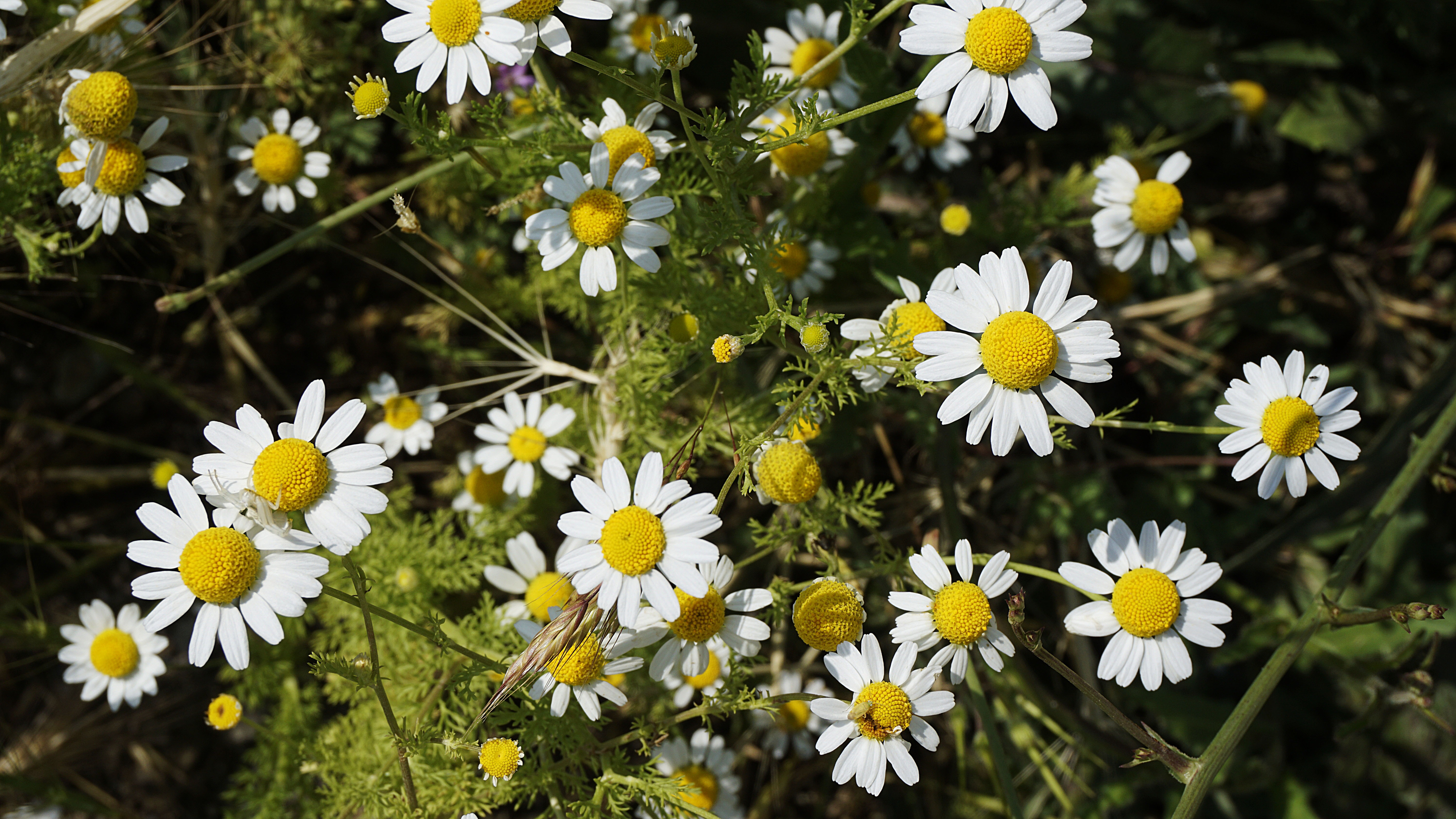
Chamomile essential oil comes from two plants: German chamomile (Matricaria recutita) and Roman chamomile (Chamaemelum nobile). Both are known for their soothing nature. This guide breaks down the top chamomile essential oil benefits, how to use it, and how to stay safe.
Here is what we will cover: sleep, anxiety and mood, skin soothing, muscle comfort, gentle digestive support, plus safety and buying tips. Important note, do not ingest essential oils. Use aromatherapy or properly diluted topical blends only.
Science‑Backed Chamomile Essential Oil Benefits for Sleep, Skin, Stress, and Pain
Research points to chamomile’s calming effect on the nervous system, skin, and sore muscles. Key compounds like bisabolol and chamazulene help quiet irritation and oxidative stress. Many studies use chamomile extracts or aromatherapy, and essential oil use aligns with these findings when applied with care. Keep expectations grounded, but steady, regular use often helps.
Better Sleep and Relaxation
Inhaling chamomile before bed can help you fall asleep faster and rest more deeply. The scent cues your brain that it is safe to slow down, which makes drifting off feel easier.
Try this simple routine:
- Diffuse 3 to 6 drops for 20 to 30 minutes before lights out.
- Dim screens, read a few pages, and keep the room cool.
- Breathe slowly, in for 4 counts, out for 6 counts.
Pairing chamomile with lavender often enhances calm at night.
Stress and Mood Support
Busy day, tight chest, racing thoughts. A few steady breaths of chamomile can act like a small pause button. In daily life, short inhalation breaks can help ease mild anxiety and settle mood.
Quick uses:
- Keep a pocket inhaler at work and take 5 slow breaths.
- Add 1 to 2 drops to a tissue, bring it near your nose, and breathe gently.
- Run a diffuser during short breaks, then pause.
Breathing pattern, inhale for 4 counts, exhale for 6 counts, for 1 to 2 minutes.
Soothe Skin Irritation and Redness
Chamomile is kind to sensitive, red, or itchy skin. It can ease flare-ups from eczema, rashes, shaving bumps, or sun exposure. Its anti-inflammatory action helps reduce redness, while light antimicrobial effects support a clean skin barrier.
Safe dilution ideas:
- Face, 0.5 percent to 1 percent (1 to 2 drops per 2 teaspoons carrier).
- Body, 2 percent (6 drops per 2 teaspoons carrier).
Always patch test first and avoid broken skin.
Muscle Comfort and Minor Pain Relief
Sore neck, tight shoulders, or post-workout calves respond well to chamomile in a massage oil. It helps muscles relax and can take the edge off minor aches. Think of it as supportive care, not a cure.
How to use:
- Blend a 2 percent to 3 percent dilution for massage.
- Focus on the neck, shoulders, lower back, or calves.
- Try a warm compress, apply the diluted oil, then place a warm cloth over the area for 10 minutes.
Gentle Digestive Comfort
You can support mild belly discomfort without swallowing the oil. Inhalation may ease queasiness. A light belly massage can help with mild cramping.
Tips:
- Inhale the scent using a tissue or inhaler.
- For topical use, dilute to 1 percent, then massage the abdomen clockwise.
- Clear reminder, do not ingest chamomile essential oil.
How to Use Chamomile Essential Oil Safely at Home
Choose the method that matches your goal. Use diffusion for mood and sleep. Use topical blends for skin and muscle comfort. Start low, stay consistent, and give your body time to respond.
Diffusion for Sleep or Stress
- Add 3 to 6 drops to your diffuser’s water.
- Run for 15 to 30 minutes, then pause.
- Keep airflow steady and avoid constant all-night diffusion.
- Ventilate if pets are present and let them leave the room.
- For bedtime blends, pair chamomile with lavender or cedarwood.
Topical Use for Skin and Muscle Relief
Quick dilution guide:
- Face, 0.5 percent to 1 percent, 1 to 2 drops per 2 teaspoons carrier.
- Body, 2 percent to 3 percent, 6 to 9 drops per 2 teaspoons.
- Kids, 0.25 percent to 0.5 percent with pediatric guidance.
Best carriers include jojoba, sweet almond, or fractionated coconut.
Steps:
- Mix in a clean bottle.
- Patch test on the inner forearm.
- Wait 24 hours.
- If clear, apply to the target area.
Bath tip, mix drops in a tablespoon of carrier oil or unscented liquid soap before adding to water.
German vs. Roman Chamomile: Which Should You Choose?
- German chamomile (Matricaria recutita) is deep blue, rich in chamazulene, and great for irritated or inflamed skin.
- Roman chamomile (Chamaemelum nobile) smells sweeter and is often preferred for mood and sleep.
Both are calming. Pick based on your main goal.
Simple Blends and Easy Recipes
- Sleep diffuser, 3 drops chamomile + 2 drops lavender.
- Calm mind inhaler, 8 drops chamomile + 5 drops bergamot on an inhaler wick.
- Sore muscles body oil, 2 percent, 6 drops chamomile + 4 drops lavender in 2 teaspoons carrier.
- Red, sensitive skin serum, 0.5 percent, 1 drop chamomile in 2 teaspoons jojoba.
Adjust to your scent preference and always dilute for skin.
Buying and Storage Tips
Buying checklist:
- Look for the Latin name, country of origin, batch number, and a GC/MS report if available.
- Choose dark glass bottles from trusted sellers.
Storage:
- Keep bottles tightly closed, away from heat and light.
- Many oils last 1 to 2 years, you can refrigerate to extend shelf life.
- If the smell turns sharp or off, the oil may be oxidized. Replace the bottle to avoid skin irritation.
Safety, Side Effects, and Who Should Avoid Chamomile Oil
Do not ingest chamomile essential oil. Use it only for aromatherapy or properly diluted on the skin. If you have medical conditions, talk with a healthcare professional before use.
Allergies and Medication Interactions
- If you are allergic to ragweed or other plants in the daisy family, use extra care.
- Be cautious if you use blood thinners or sedatives. Stop use and speak to your doctor if you notice unusual bruising, dizziness, or heavy drowsiness.
- Stop use before surgery per medical guidance.
Pregnancy, Nursing, Kids, and Pets
- Avoid essential oils in the first trimester unless approved by your provider.
- For nursing or young children, use very low dilutions with pediatric guidance. Avoid use on infants under 3 months.
- With pets, diffuse in a ventilated area, allow them to leave the room, and avoid direct application unless advised by a veterinarian.
Patch Testing and What To Do If Irritation Happens
- Apply a small amount of the diluted blend to the inner forearm.
- Wait 24 hours. Check for redness, itching, or burning.
- If irritation occurs, wash with mild soap and carrier oil, stop use, and seek medical advice if symptoms persist.
Quick FAQs About Chamomile Essential Oil Benefits
- Can I ingest chamomile essential oil? No.
- How many drops should I diffuse for sleep? Start with 3 to 6 drops, run 20 to 30 minutes before bed.
- Is it good for acne-prone or sensitive skin? Yes, when diluted well. Start at 0.5 percent and patch test.
- Which is better for skin, German or Roman chamomile? German chamomile often suits red, irritated skin. Roman chamomile is great for mood and sleep.
- Can I use chamomile oil every day? Yes, when diluted and used as directed. Take breaks if skin feels sensitive.
- Does the blue color stain skin or fabric? German chamomile can tint light fabrics. Let it absorb and avoid contact with pale textiles.
- What blends well with chamomile for calm or sleep? Lavender, bergamot, cedarwood, and sandalwood blend nicely.
Conclusion
Chamomile essential oil shines for better sleep, a calmer mood, soothed skin, and relaxed muscles. Keep safety first, do not ingest, always dilute for skin, patch test, and check with a professional if you have medical questions.
Try this tonight, 3 drops chamomile and 2 drops lavender in the diffuser. Keep simple notes for a week and see what changes. With steady, thoughtful use, you can build a calm daily routine that supports your body and mind.
Stay Connected for More Natural Living Inspiration
If you enjoyed this post about herbal wellness and love discovering natural ways to refresh your home and wellness, don’t miss out on future recipes and clean-living tips! Subscribe to the blog for weekly DIYs, wellness inspiration, and herbal remedies delivered straight to your inbox.
Don’t forget to visit my LinkTree for the links to my favorite essential oils, herbal teas, natural recipes, YouTube ambiance videos for sleeping; a project I created to help with insomnia symptoms and the second channel, Rooted in Nature YouTube Channel both channels feature herbal recipes for wellness and home.
Thanks for coming by!


Leave a Reply