
(DISCLAIMER: I am not a doctor, and you should consult your healthcare professional before starting any health regimen. Product links are commissioned and supports the blog)

Key takeaways from vetiver blending
- Use vetiver as the anchor so the blend stays smooth instead of muddy.
- Lavender softens vetiver and makes it easier to use in evening blends.
- Cedarwood and frankincense add depth, which works well for grounding scents.
- Citrus lifts vetiver and keeps it from feeling too dark or heavy.
- Start with fewer vetiver drops than the other oils, then adjust one drop at a time.
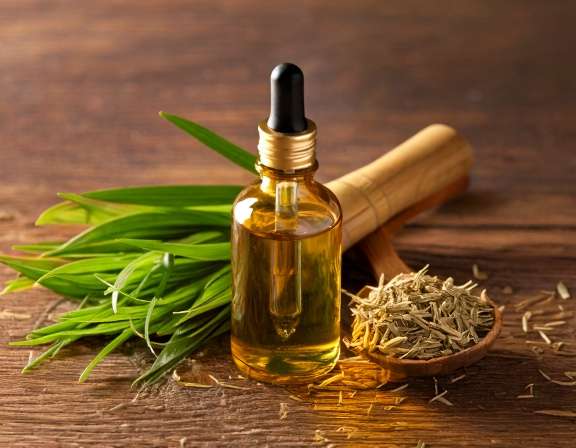
Vetiver smells earthy, woody, smoky, and rooty, with a faint balsamic edge. On its own, it can feel dense, which is exactly why it pairs so well with lavender, cedarwood, frankincense, and citrus oils.
A small amount of vetiver essential oil can pull a blend together without making it heavy. That makes it useful for bedtime diffusers, quiet-focus blends, and fresh daytime mixes.
This post keeps things simple with beginner-friendly ratios and a few diffuser recipes you can use right away. Start low, because vetiver is strong, and a little goes a long way.
Vetiver is the quiet base note in the mix. Let the other oils do the talking.
Why vetiver blends so well with these four oil families
Vetiver has a heavy, earthy scent that sits close to the ground. It smells like roots, damp soil, old wood, smoke, and a little sweetness if you catch it in the right light. Some bottles smell darker and more leathery, while others lean brighter and greener.
That range is part of the reason it blends so well. Vetiver gives a mix weight, while the partner oils decide where it goes. Lavender makes it gentler, cedarwood makes it feel more wooded, frankincense gives it a resinous hush, and citrus adds lift so the scent doesn’t sink too low.
What lavender adds to vetiver blends
Lavender smooths the rough edges of vetiver. It brings a cleaner, softer note that keeps the blend from feeling too smoky or too dry. Put the two together, and the scent feels calmer without losing its depth.
This pairing works well when you want a bedroom blend or a slow evening scent that doesn’t shout. Lavender also helps vetiver feel more approachable if you’re not used to earthy oils yet.
How cedarwood and frankincense deepen the mix
Cedarwood and vetiver fit together with very little effort. They both live in the woodsy corner of the scent world, so cedarwood makes vetiver feel smoother and more polished instead of sharper or muddier. The result is steady and warm.
Frankincense brings a different kind of depth. It has a resin-like, slightly dry scent that makes vetiver feel rounder and more grounded. That pairing works well in blends for journaling, meditation, or any slow routine where you want the aroma to stay in the background.
Why citrus oils brighten vetiver instead of overpowering it
Citrus oils like lemon, orange, grapefruit, and tangerine add brightness to vetiver. They don’t erase the earthy base, they sit on top of it and make the whole blend feel lighter.
The trick is balance. Citrus works best with a small amount of vetiver and one softer oil, like lavender or cedarwood, so the blend stays clear. Too much vetiver can dim the citrus. Too much citrus can leave the blend thin and forgettable.
Simple vetiver blend recipes you can make in a diffuser
These blends keep the drop counts low enough for a small room. If you’re using a bedroom diffuser, 4 to 6 drops total is usually enough.
A calming lavender and vetiver bedtime blend
This is the easiest place to start if you want something soft and familiar. Lavender carries the scent, cedarwood adds a little structure, and vetiver gives the blend a grounded finish.
Use 3 drops lavender, 1 drop vetiver, and 1 drop cedarwood in your diffuser. It smells clean, steady, and low-key, which makes it a good choice for winding down after a long day.
A grounding cedarwood and frankincense blend for quiet focus
When you want something steady instead of sweet, this blend works well. Cedarwood smooths the edges, frankincense adds a meditative feel, and vetiver holds the whole thing together.
Use 2 drops vetiver, 2 drops cedarwood, and 1 drop frankincense. It suits journaling, reading, stretching, or any slow work session where you want the room to feel settled.
A bright citrus blend that keeps vetiver from feeling too heavy
Citrus changes vetiver fast. It gives the blend air and keeps the earthy base from taking over. That makes it a better daytime scent than a full-on rooty mix.
Try 1 drop vetiver, 2 drops sweet orange, 2 drops grapefruit, and 1 drop lavender for a bright, easy blend. For a fresher everyday version, use 1 drop vetiver, 2 drops lemon, 2 drops tangerine, and 1 drop cedarwood. Both feel lighter than a straight vetiver mix, but neither one loses the grounding note.
How to balance vetiver so your blend smells smooth, not too strong
Vetiver can take over a blend if you add too much at once. That’s why small batches matter. Start with one drop of vetiver, then build around it with two or three supporting oils. If you want a fuller primer on ratios and carrier oils, the essential oil blending for beginners guide is a useful companion.
A good rule is to keep the oil list short. Two to four oils total is enough for most diffuser blends. It makes the scent easier to read, and it helps you spot the note that needs adjusting.
When to add more citrus, cedarwood, or lavender
If the blend smells too earthy, add one more citrus drop. Citrus is the fastest way to lift vetiver and make it feel less heavy.
If the scent feels sharp or dry, add lavender. It softens the edges and keeps the blend from feeling stark.
If the mix smells flat, add cedarwood or frankincense. Cedarwood gives shape. Frankincense gives depth. Either one can keep the blend from falling apart.
Test one small batch first, then decide what to change next time. A five-drop or six-drop diffuser blend gives you room to adjust without wasting oil.
Best ways to use these blends in daily routines
A diffuser is the easiest way to use vetiver blends. Try them in the bedroom at night, in the living room after dinner, or near your desk during quiet work. Short sessions are often enough, especially with strong oils like vetiver.
Personal inhalers also work well for citrus-vetiver blends. They’re small, portable, and easy to refresh when the scent starts to fade.
If you want to use these blends on skin, keep them well diluted in a carrier oil and patch test first. A roll-on is a simple option for wrists or pulse points, as long as vetiver stays in the background and doesn’t take over the whole mix.
Conclusion
Vetiver essential oil is powerful, flexible, and easy to pair when you keep the formula simple. Lavender softens it, cedarwood smooths it, frankincense adds depth, and citrus opens it up.
Start small, trust your nose, and make one change at a time. That’s usually how the best blends happen, not by piling on more oil.
Try one of the simple recipes first, then shift the balance until it smells right to you. Your favorite mix might be the one that feels calm, clean, and just a little unexpected.
Stay Connected for More Natural Living Inspiration
If you enjoyed this post about herbal wellness and love discovering natural ways to refresh your home and wellness, don’t miss out on future recipes and clean-living tips! Subscribe to the blog for weekly DIYs, wellness inspiration, and herbal remedies delivered straight to your inbox.
Don’t forget to visit my Amazon storefront for the links to my favorite essential oils, herbal teas, and natural recipes. I also create ambiance videos for sleeping on YouTube; a project I created to help with insomnia symptoms, and I also have a second channel, Rooted in Nature; both channels feature herbal recipes for wellness and home. The link to all social media content is here.
Thanks for coming by!


Leave a Reply