
(DISCLAIMER: I am not a doctor, and you should consult your healthcare professional before starting any health regimen. Product links are commissioned and supports the blog)

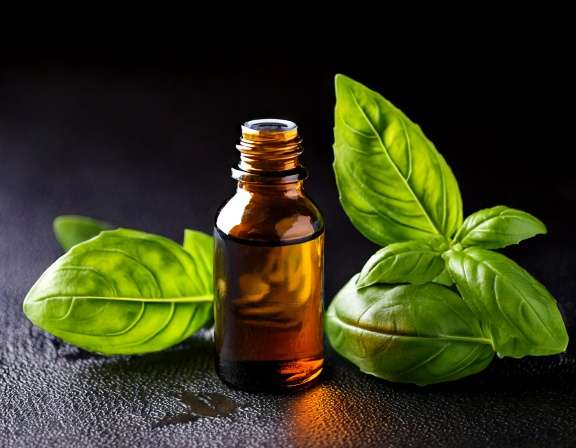
A small bottle of basil essential oil can bring a fresh, green lift to a slow morning or a crowded afternoon. Its herbal scent feels bright and familiar, a little like brushing your fingers over a basil plant in the garden.
The most useful basil essential oil benefits are often simple: a focused atmosphere, a comforting body-care ritual, and a naturally fresh home routine. Its chemotype, or dominant chemical profile, matters just as much as the scent. With a clearly labeled oil, low dilution, and thoughtful use, basil can fit beautifully into everyday aromatherapy.
Key Takeaways: What Basil Essential Oil May Offer
- Basil oil may help create a focused, fresh, or gently calming atmosphere during daily routines.
- Laboratory research shows antioxidant and antimicrobial potential in several basil oil profiles.
- The basil chemotype affects the aroma, ingredients, and ideal safety steps.
- A low 1% dilution is a comfortable starting point for regular adult body use.
- Aromatic use and cosmetic use are simple options for home routines.
- Pregnancy, medication use, and family use call for personalized guidance and extra label reading.
Basil Essential Oil Benefits for Focus, Skin Care, and Everyday Wellness
Many basil essential oil benefits come from traditional herbal practice, aromatherapy use, and laboratory research. These are useful starting points, especially for readers who enjoy gentle wellness routines. Still, basil oil works best as a supportive sensory tool, rather than a stand-alone health treatment.
The botanical name for sweet basil is Ocimum basilicum. Yet oils from this plant can smell quite different. One may feel soft and sweet, while another has a sharper, spicy character. That difference comes back to chemotype, which is why choosing a bottle carefully matters.
A Fresh Aroma for Focus and Mental Clarity
Basil has a crisp, herbal aroma that many people enjoy during work, study, journaling, or morning planning. A short diffuser session can make a room feel less stale and more awake, much like opening a window after a long afternoon indoors.
Linalool-rich basil is often chosen for a gentler and more balanced aromatic experience. Other basil profiles may smell brighter or more stimulating. Your own response matters most, so begin with a small amount and notice how the scent fits your routine.
A diffuser blend can become a useful cue. When you smell basil before writing a to-do list or opening your laptop, the scent can signal that it is time to settle in and focus.
Antioxidant and Antimicrobial Potential in Cosmetic Care
Research on basil oil has found antibacterial, antifungal, antioxidant, and broader antimicrobial activity in laboratory settings. Compounds such as linalool and several naturally occurring phenylpropanoids help explain why basil appears in natural deodorants, cleansing blends, and fresh-smelling body products.
Lab findings are encouraging, though they are different from proven results on human skin. In cosmetic care, basil essential oil is best appreciated for its aroma and supportive plant-based profile. A well-diluted blend can add a clean herbal note to a body oil or underarm roll-on.
Traditional Uses That Shaped Modern Aromatherapy
Traditional herbal practices describe basil as uplifting, relaxing, warming, and helpful for creating a comfortable atmosphere. Basil has also appeared in home routines for seasonal freshness, massage blends, and insect-repelling products.
These traditions give basil oil a meaningful place in modern aromatherapy. They also remind us that plant oils are concentrated materials. A modest amount often gives you the pleasant scent you want.
Why Basil Essential Oil Chemotype Matters Before You Use It
Basil essential oil is not one identical product. The plant variety, growing region, harvest conditions, and extraction method can change its main compounds. As a result, two bottles labeled “basil” may have different aromas and different usage guidance.
When shopping, look beyond the front label. A trustworthy supplier shares the botanical name, country of origin, chemotype when known, batch details, and testing information. Many brands provide GC/MS testing, which lists the main aromatic compounds in that batch.
A basil oil’s name tells part of the story. Its chemotype tells you far more about the bottle in your hand.
The Main Basil Oil Profiles to Know
Four commonly discussed basil profiles are linalool-rich, methyl chavicol-rich, methyl eugenol-rich, and methyl cinnamate-rich. Methyl chavicol is also called estragole, so both names may appear in a product description or test report.
Linalool-rich oils often smell softer, sweeter, and more rounded. Estragole-rich oils can have a sweeter anise-like edge and call for more careful, limited use. Methyl eugenol-rich and methyl cinnamate-rich oils also deserve close attention to the supplier’s directions.
You may see names such as sweet basil, French basil, European basil, exotic basil, or Comoran basil. These names are helpful clues, though the full product description is still the best place to confirm the oil’s profile.
How to Choose a Basil Essential Oil for Aromatherapy
Start with Ocimum basilicum on the label. Then check for a listed chemotype, a clear ingredient statement, and a dark glass bottle that helps protect the oil from light.
Storage matters too. Keep the cap closed and store the bottle in a cool, dry cupboard. An oil sold for aromatherapy belongs in your diffuser or properly diluted body-care blend. Its food-like scent does not make it a kitchen ingredient.
For a softer daily aroma, many readers prefer a linalool-rich basil option. Follow the supplier’s directions for that particular batch, since product guidance is part of safe, enjoyable use.
Simple Ways to Use Basil Essential Oil at Home
Basil oil works well in a diffuser, a light body oil, or a small cosmetic blend. Keep the approach simple. For regular body use, begin around a 1% dilution and use a carrier oil such as jojoba, sweet almond, or fractionated coconut oil.
A little bottle can last longer than you expect. Essential oils are concentrated, so a few drops are plenty for a gentle routine.
Short-Session Basil Focus Diffuser Blend
Ingredients
- 1 drop basil essential oil
- 2 drops lemon essential oil
- Water for your diffuser, based on the manufacturer’s fill line
Add the water first, then add the oils. Run the diffuser for a short session in a ventilated room while you plan your day, read, or work on one task. Start with fewer drops if you prefer a quieter aroma. Keep the diffuser on a stable surface, away from children and pets, and enjoy the scent with fresh airflow nearby.
One-Percent Basil Essential Oil Body Oil
Ingredients
- 15 mL jojoba oil, sweet almond oil, or fractionated coconut oil
- 3 drops basil essential oil
- One 15 mL dark glass bottle
Pour the carrier oil into the bottle, add the basil oil, and roll the bottle gently between your hands. Apply a small amount to the arms, shoulders, or legs after a shower. Keep the blend away from the face, eyes, and sensitive areas. A small patch test on the inner arm is a sensible first step for any new leave-on body product.
Gentle Basil Deodorant Roll-On
Ingredients
- 10 mL fractionated coconut oil or jojoba oil
- 1 drop basil essential oil
- 1 drop lavender essential oil
- One 10 mL glass roll-on bottle
Add the carrier oil and essential oils to the roll-on bottle, then cap and gently turn it several times. Apply a light layer to clean, intact underarm skin and allow it to dry before dressing. This is a fresh-smelling cosmetic option for a simple routine. Make a small fresh batch and store it in a cool place.
Basil Essential Oil Safety: Dilution, Diffusion, and Special Considerations
Safe use depends on the oil’s chemotype, concentration, route of use, age, health history, and quality. The good news is that a few calm habits cover most everyday situations: dilute topical blends, diffuse for short periods, choose good ventilation, and store bottles securely.
For a wider refresher on everyday dilution habits, these essential oil safety and dilution guidelines offer practical support. Keep oils away from eyes, lips, and other sensitive areas, and wash your hands after making a blend.
Internal use belongs with direct guidance from a qualified professional who understands essential oils and your personal health needs. This keeps your routine clear and appropriate for the specific oil you own.
Safe Dilution and Diffuser Habits for Beginners
For regular adult body use, 1% is a gentle starting point. In plain terms, that is about 3 drops of essential oil in 15 mL of carrier oil. A 2% blend may suit brief, limited use when it fits the individual and the product guidance.
Use a small patch test before applying a new blend more broadly. Begin with a short first exposure and pay attention to how your skin and senses feel. For diffusion, follow the manufacturer’s instructions, choose fresh airflow, and enjoy short sessions rather than leaving the diffuser running for long stretches.
When to Get Personalized Guidance Before Use
Pregnancy, breastfeeding, childhood use, asthma, fragrance sensitivity, skin conditions, liver concerns, bleeding concerns, and medication use all deserve a personalized conversation with a qualified clinician or pharmacist. This is especially helpful for people using anticoagulant or antiplatelet medicines.
Basil oils may contain estragole, methyl eugenol, or eugenol, depending on the chemotype. A tailored recommendation helps you choose an aromatic option that suits your life, your household, and your wellness routine.
Frequently Asked Questions
What does basil essential oil smell like?
Basil essential oil usually smells green, herbal, sweet, and slightly peppery. The exact scent changes with the chemotype. Linalool-rich basil often feels softer, while estragole-rich basil can have a sweeter, anise-like note.
Can basil essential oil go in a bath?
A bath blend needs a proper dispersing method, because essential oils and water do not mix evenly. A pre-made bath product formulated for essential oils is the simplest option. For home use, a diluted body oil after bathing is often easier to measure and apply.
Is basil oil a good choice for a morning routine?
Basil can be a lovely morning choice when you enjoy fresh herbal scents. Try a brief diffuser session while making breakfast, writing a plan, or opening the curtains. Keep the blend light so the aroma feels clean rather than overwhelming.
How long does basil essential oil stay fresh?
Most essential oils stay at their best when stored in a tightly closed dark glass bottle, away from heat and sunlight. Check the supplier’s suggested shelf life and batch information. A scent that has changed sharply or smells flat is a good reason to replace the bottle.
Can I blend basil with other essential oils?
Yes, basil pairs well with lemon, sweet orange, rosemary, lavender, bergamot FCF, and peppermint in carefully measured aromatic blends. Start with a simple two- or three-oil combination. This makes it easier to learn which scents you enjoy most.
A Fresh, Thoughtful Place for Basil Oil
Basil essential oil can bring a fresh, focused feeling to small daily rituals. Its promising cosmetic and antimicrobial potential adds interest, while chemotype and dilution keep the experience grounded and responsible.
Start with a clearly labeled bottle, a low-dilution blend, and a short diffuser session. Try one simple recipe, then keep a few notes about the aroma, the setting, and how the routine feels for you.
Stay Connected for More Natural Living Inspiration
If you enjoyed this post about herbal wellness and love discovering natural ways to refresh your home and wellness, don’t miss out on future recipes and clean-living tips! Subscribe to the blog for weekly DIYs, wellness inspiration, and herbal remedies delivered straight to your inbox.
Don’t forget to visit my Amazon storefront for the links to my favorite essential oils, herbal teas, and natural recipes. I also create YouTube ambiance videos for sleeping; a channel I created to help people who have trouble sleeping. The link to all social media content is here.
Thanks for coming by!



Leave a Reply