
(DISCLAIMER: I am not a doctor, and you should consult your healthcare professional before starting any health regimen. Product links are commissioned and supports the blog)

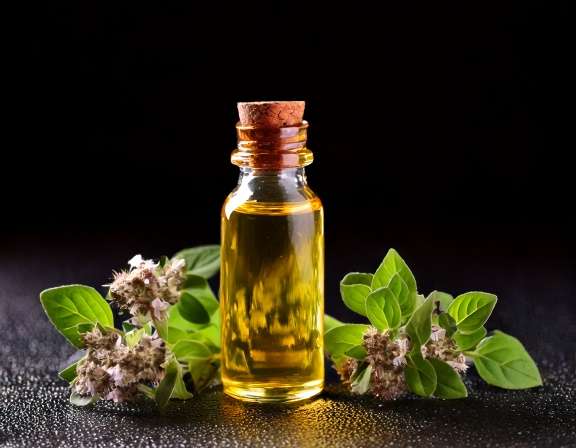
Oregano essential oil has a bold, green scent that brings to mind crushed leaves warming in a sunny kitchen garden. For beginners, its spicy herbal aroma can add character to a diffuser blend, a freshened entryway, or a simple cleaning routine.
Because oregano essential oil is concentrated and warming, a single drop often creates plenty of fragrance. These seven ideas, three easy recipes, and practical safety habits offer calm ways to enjoy it at home without adding essential oil to drinking water or herbal tea.
Key Takeaways for Using Oregano Essential Oil Safely
- Begin with one drop and give the aroma time to settle before adding anything else.
- Choose a quality oil labeled for aromatic use, with clear directions and botanical details.
- Open a window or use good airflow, especially with strong herbal scents.
- Dilute oregano carefully in a carrier oil for any skin application.
- Follow the product label because oil concentration and recommended use can differ by brand.
Oregano is a strong, warming oil, so low-dose aromatic methods suit beginners well. Keep bottles away from eyes, sensitive areas, children, and pets. During pregnancy, breastfeeding, asthma, allergies, or before internal use, seek guidance from a qualified professional.
7 Beginner-Friendly Ways to Use Oregano Essential Oil at Home
These simple methods let you enjoy oregano’s sharp, herbaceous scent in small amounts. Gentle exposure gives you more control over the experience and leaves room for softer companion oils.
Try a Short, Gentle Steam Inhalation
Fill a heat-safe bowl with hot water, then add 1 drop of oregano essential oil after the water is off the heat. Allow the steam to cool slightly, close your eyes, and breathe normally from a comfortable distance for two or three minutes.
A loose towel can help hold the aroma nearby, although it should never make the steam feel intense. Step into fresh air afterward. If steam feels too strong, use a diffuser or passive aroma stone instead.
Make a Simple Oregano Essential Oil Diffuser Blend
Add 1 drop oregano, 2 drops lavender, and 3 drops sweet orange to a water-based diffuser filled to its marked line. The lavender softens oregano’s peppery edge, while sweet orange adds a bright, sunny note.
Run the diffuser in a ventilated room for 30 minutes, then give the room a break for 30 to 60 minutes. One oregano drop is enough for a beginner blend, even in a larger room.
Use a Personal Aroma Inhaler for Short Scent Breaks
A blank personal inhaler, also called an aroma stick, keeps the scent close without filling an entire room. Place 1 drop oregano and 2 drops lavender on the cotton wick, then seal the inhaler according to its instructions.
Take one or two gentle breaths when you want a brief aromatic pause. Keep the wick away from your nose and skin, label the inhaler clearly, and reserve it for your own use. This method keeps the focus on scent and mindful breathing.
Create a Passive Aroma Spot With a Cotton Pad or Aroma Stone
Place 1 drop of oregano oil on a cotton pad, tissue, or porous aroma stone. Set it on a high, stable surface in a well-ventilated desk area, entryway, or laundry room.
Keep the scent source away from finished wood, fabrics, curious children, and pets. Passive diffusion is easy to adjust because you can move the pad farther away whenever the herbal aroma feels full enough.
Freshen a Room With a Properly Prepared Spray
A room spray needs a suitable dispersing agent or solubilizer so essential oils can distribute more evenly through the liquid. For a small bottle, combine 1 drop oregano with 2 drops lemon or lavender, plus water and the dispersing agent recommended for that product.
Label the bottle, shake before each use, and mist into the air rather than onto skin. Test a hidden area before using near fabric or furnishings. Small batches stay fresh and make it easy to adjust the scent.
Mix a Low-Oil Cleaner for Non-Porous Surfaces
Oregano adds an earthy herbal note to a basic spray for sealed tile, sinks, and counters. Use water with vinegar or castile soap according to your chosen formula, and keep the blend in a labeled glass bottle.
Never combine a vinegar or soap cleaner with bleach. Test the mixture first, and save it for suitable sealed surfaces rather than marble, granite, unfinished wood, or other acid-sensitive materials. For more ideas, browse these DIY non-toxic cleaning products with essential oils.
Prepare a Carefully Diluted Skin Blend Only When Appropriate
Aromatic methods are the easiest place to begin because oregano is a hot, concentrated oil for skin use. Anyone considering a topical blend can seek qualified guidance, use a low dilution such as 0.5% for sensitive skin, and patch test the finished blend first.
Keep oregano blends away from the face, broken skin, eyes, and mucous membranes. Undiluted use does not belong in a skin routine. Review this essential oil patch testing guide before trying a topical application.
Three Easy Oregano Essential Oil Recipes to Try First
Each recipe uses a small amount of oregano and pairs it with a softer scent. Label every bottle or blend with the ingredients and date, especially when several homemade products share the same shelf.
Balanced Oregano, Lavender, and Orange Diffuser Blend
Ingredients
- 1 drop oregano essential oil
- 2 drops lavender essential oil
- 3 drops sweet orange essential oil
- The diffuser’s recommended amount of water
Fill the diffuser with water to its marked fill line, then add the oils. Run the blend for a short session in a ventilated room and wipe the reservoir afterward according to the device directions. Lavender and orange round out oregano’s warm herbal scent with floral and citrus notes.
Small-Batch Kitchen and Bathroom Surface Spray
Ingredients
- 2 cups water
- 2 cups white vinegar
- 1 tablespoon unscented liquid castile soap or dish soap
- 5 drops oregano essential oil
- 10 drops lemon essential oil
Add the ingredients to a labeled glass spray bottle and shake gently before each use. Spray suitable non-porous surfaces, then wipe with a clean cloth after a small spot test. Keep this blend away from marble, granite, natural stone, and food-contact surfaces unless the surface manufacturer permits it.
A Mild Oregano Steam Bowl for a Quiet Evening
Ingredients
- 1 bowl of hot water
- 1 drop oregano essential oil
- 1 optional towel
Turn off the heat before adding the oregano oil. Wait until the steam feels comfortable, keep your face well back, and breathe normally for only a few minutes. A diffuser is a gentler choice for children, people with respiratory sensitivity, or anyone who finds steam irritating. Finish by opening a window, discarding the cooled water, and washing the bowl.
Essential Oil Safety Habits That Make Every Method Easier
Oregano essential oil offers plenty of aroma in a tiny amount. Use it sparingly, choose short sessions, and provide fresh airflow in the room. Product directions come first, especially with diffusers, inhalers, and ready-made blends.
For skin use, blend oregano into a carrier oil at a low dilution and patch test the final product. Store all oils upright, tightly closed, and out of reach of children and pets. Keep them away from eyes, mucous membranes, and delicate skin.
Essential oils complement personal wellness routines, household rituals, and the enjoyment of botanical scents. They also work best alongside appropriate care when a health concern needs professional attention. People with asthma, allergies, sensitive skin, pregnancy, or breastfeeding can ask a qualified professional before use. Aromatic methods are a comfortable first choice for most beginners.
With oregano oil, a lighter scent is often the more enjoyable scent. One drop leaves room to notice the lavender, citrus, or fresh air around it.
How to Choose and Store Oregano Essential Oil
Look for a label that lists the botanical name, such as Origanum vulgare, along with the plant part and extraction method when available. Batch or lot information and clear usage directions also show that a company has provided useful product details.
Store the bottle tightly closed in a cool, dark place away from sunlight and heat. Wipe the cap before putting it away. A built-in reducer or dropper makes measured use easier and helps prevent an accidental extra pour.
When to Choose a Gentler Aromatic Alternative
Lavender, sweet orange, lemon, and eucalyptus can create a softer room aroma when oregano feels especially bold. Each oil still deserves thoughtful use and label-based guidance, yet their lighter profiles can make a blend feel more open.
Use fewer drops when a blend seems faint, then let the scent develop before adding more. Aromatherapy can remain a pleasant daily ritual without oregano appearing in every diffuser session or home spray.
Frequently Asked Questions
Can oregano essential oil go in herbal tea?
Brewed oregano herbal tea and oregano essential oil are different preparations. Enjoy herbal tea prepared from culinary or tea-grade oregano according to its package directions. Essential oil should stay out of drinking water and tea unless a qualified professional provides individualized internal-use guidance.
How long does oregano essential oil last in a diffuser?
A short 20 to 30-minute session is a comfortable starting point for a strong oil like oregano. Give the room a 30 to 60-minute rest afterward, open a window when possible, and follow your diffuser manufacturer’s directions.
Can I use oregano oil in a candle warmer?
Aroma stones, cotton pads, and water-based diffusers offer more predictable ways to enjoy essential oils. Candle warmers can heat oils unevenly and change their scent over time. Choose a method designed for essential oils and keep it on a stable surface.
What carrier oil works well for diluted oregano oil?
Jojoba, fractionated coconut oil, and unscented sweet almond oil are common carrier choices for body blends. Select an oil that feels comfortable on your skin, measure carefully, and patch test the finished dilution before broader use.
Why does oregano pair well with lavender and citrus oils?
Oregano has a dry, spicy herbal profile that can dominate a blend on its own. Lavender brings a soft floral note, while sweet orange and lemon add brightness. Together, they create a warmer, more balanced aroma with only one oregano drop.
A Gentle Place to Begin
The seven beginner-friendly options make oregano oil easy to enjoy in a measured way. A diffuser blend, passive aroma stone, brief steam bowl, or lightly scented household cleaner can bring its garden-fresh character into an everyday routine.
One drop can be enough. A calm, well-ventilated space often feels better than a powerful cloud of fragrance. Try one recipe, notice how the aroma feels in your home, and build a personal aromatherapy ritual at a pace that feels comfortable.
Stay Connected for More Natural Living Inspiration
If you enjoyed this post about herbal wellness and love discovering natural ways to refresh your home and wellness, don’t miss out on future recipes and clean-living tips! Subscribe to the blog for weekly DIYs, wellness inspiration, and herbal remedies delivered straight to your inbox.
Don’t forget to visit my Amazon storefront for the links to my favorite essential oils, herbal teas, and natural recipes. I also create YouTube ambiance videos for sleeping; a channel I created to help people who have trouble sleeping. The link to all social media content is here.
Thanks for coming by!

Leave a Reply