
(DISCLAIMER: I am not a doctor, and you should see your physician before starting any health regimen.)

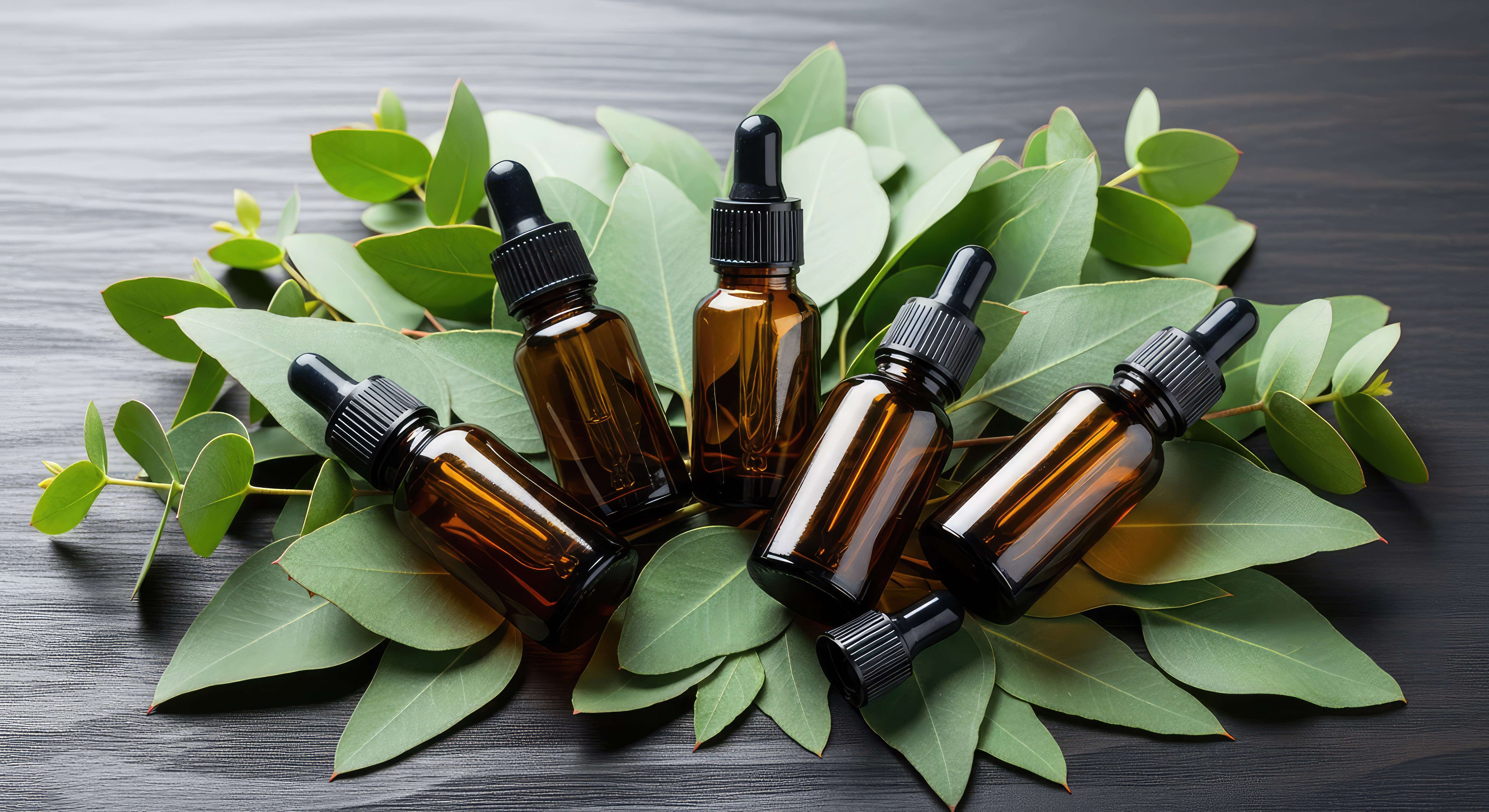
Stuffy nose, throbbing head, zero focus. A sinus infection can wreck your day, and sometimes your week. If you want natural relief without harsh meds, essential oils for sinus infection may help ease pressure and clear gunk fast.
The goal is simple, reduce swelling, open airways, and support recovery. Certain oils show promise for congestion, bacteria, and inflammation. With the right approach, a sinus infection essential oil treatment can complement what your doctor recommends while keeping side effects low.
In this post, you’ll get a quick look at what’s going on in your sinuses, plus why inflammation makes everything feel worse. You’ll see the best oils for sinus inflammation and mucus, like eucalyptus, peppermint, tea tree, and rosemary, and how they may help you breathe easier.
You’ll also learn safe ways to try essential oils for sinus pressure, including steam inhalation, warm compresses, and diffusing. We’ll cover dilution, frequency, and smart storage so your oils stay effective. Clear steps, no fluff.
Finally, I’ll list some precautions. Not every method fits every person, or every stage of illness. We’ll note what to avoid around kids, pregnancy, allergies, and meds, plus when to see a doctor. By the end, you’ll have a simple plan to use essential oils wisely for sinus relief.
Understanding Sinus Infections and the Power of Essential Oils
When your sinuses swell and clog, even simple tasks feel hard. A sinus infection is mostly about inflammation and blocked drainage. That is why relief often starts with easing swelling, thinning mucus, and calming irritated tissues. This is where essential oils for sinus infection can play a supportive role. They do not replace medical care, but they can help you breathe better and feel more comfortable while your body heals.
What a Sinus Infection Actually Is
Your sinuses are air-filled pockets behind your cheeks, forehead, and eyes. They produce mucus to trap dust and germs. When lining tissues swell, the tiny openings that drain mucus get narrow or blocked.
- Common triggers: a viral cold, allergies, or structural issues like a deviated septum.
- Symptoms: facial pressure, thick discharge, postnasal drip, headache, reduced smell, and tooth pain.
- Timeline: most start as viral. Bacterial infections can follow if mucus sits and bacteria overgrow.
The main problem is not just germs. It is inflammation that adds pressure and traps mucus. Tackle swelling and flow, and relief comes faster.
Where Essential Oils Can Help
A sinus infection essential oil treatment focuses on comfort and airflow. Certain oils may support your body’s process.
- Open-airway sensation: Peppermint contains menthol that activates cold receptors, which can make breathing feel easier.
- Mucus support: Eucalyptus, rich in 1,8-cineole, may help thin secretions and improve clearance.
- Calming irritation: Lavender and Roman chamomile can soothe irritated tissues and help you rest.
- Target surface microbes: Tea tree and thyme show antimicrobial effects in lab settings. This does not mean they cure an infection, but they may support a cleaner nasal environment when used around, not inside, the nose.
Used with care, essential oils for sinus pressure can make a clogged head feel lighter and less tense.
What the Science Suggests
Research on essential oils is mixed and often small, but a few patterns keep showing up.
- 1,8-cineole: Found in eucalyptus and rosemary. Studies suggest it may reduce inflammation and improve mucus transport in airways.
- Menthol: Improves the sensation of airflow. It can help you feel less congested even if it does not change nasal resistance much.
- Tea tree oil: In lab tests, it shows antimicrobial activity against some bacteria and fungi. Real-world impact in sinuses is less clear.
- Synergy matters: Blends that combine airway sensation, mucus support, and calming effects tend to feel more helpful than a single oil.
Bottom line, the best oils for sinus inflammation help with sensation, swelling, and mucus movement. That combination is what most people notice as real relief.
Expect Relief, Not a Silver Bullet
Set clear goals before you start. You want better airflow, less pressure, and improved rest.
- What to expect: easier breathing, thinner mucus, less facial tightness, and better sleep quality.
- What not to expect: a quick cure for a true bacterial infection. If symptoms last more than 10 days, or worsen after a brief improvement, see a clinician.
- Good signals: pressure eases, postnasal drip thins, your energy ticks up.
- Red flags: high fever, severe facial pain on one side, eye swelling, stiff neck, or confusion. Get medical care.
Think of essential oils as a comfort tool that works alongside hydration, saline rinses, and rest.
Best Oils and Why They Are Used
If you are building a simple plan, start with two or three oils that each bring a clear benefit.
- Eucalyptus (1,8-cineole): supports mucus flow and may ease swelling.
- Peppermint (menthol): creates a cooling, open-nose feel and can reduce headache tension.
- Tea tree: offers surface antimicrobial support for the skin around the nose and chest.
- Rosemary ct. cineole: similar to eucalyptus for airway support.
- Lavender: helps calm the nervous system, which can ease pain perception and improve sleep.
Use high-quality, pure oils. Check the chemotype when relevant, like rosemary ct. cineole, so you know what you are getting.
Safety First, Always
Essential oils are strong and need respect. A few rules keep your sinus infection essential oil treatment safe.
- Never put oils inside your nose: nasal tissue is delicate. Use inhalation, diffusion, or apply diluted to the chest or neck.
- Dilute every time: 1 to 2 percent for adults is standard. That is about 3 to 6 drops per 2 teaspoons of carrier oil.
- Watch for triggers: asthma, fragrance sensitivity, and migraines can flare with strong aromas.
- Avoid ingestion: unless directed by a licensed clinician with training in internal use.
- Extra care: pregnancy, nursing, kids, older adults, and people with chronic conditions should check with a clinician first.
When used thoughtfully, essential oils for sinus infection can reduce discomfort while your body does the healing work. Keep it simple, stay consistent, and listen to your symptoms.
Top Essential Oils for Sinus Infection Relief
When sinus pain and pressure hit, the right essential oils can help you breathe easier and rest better. The oils below support a simple sinus infection essential oil treatment plan that targets swelling, mucus, and comfort. Use them with steady, safe habits, and you will feel the difference.
Eucalyptus Essential Oil: Your Go-To for Clearing Congestion
Eucalyptus is rich in eucalyptol, also called 1,8-cineole. This compound acts like a natural expectorant, which means it helps thin and move stubborn mucus. Less gunk, less pressure. That is why eucalyptus is often a top pick among essential oils for sinus pressure.
- How it helps: eases swelling, supports mucus flow, and promotes easier breathing.
- Safe dilution: 1 to 2 percent for adults. That is 3 to 6 drops in 2 teaspoons of carrier oil.
- Simple inhalation tip: add 1 to 2 drops to a bowl of hot water, close your eyes, drape a towel over your head, and inhale for 3 to 5 minutes. Or place 1 drop on a tissue, cup it near your nose, and take slow breaths.
Keep oils out of your nose. Inhalation and topical use on the chest or neck, always diluted, is the safer path.
Peppermint Essential Oil: Instant Cool Relief from Sinus Pain
Peppermint contains menthol, which triggers cold receptors in the nose and skin. That cooling feel can reduce the perception of pain, ease headache tension, and help you feel more open. Many people use peppermint among the best oils for sinus inflammation to take the edge off pressure.
- How it helps: cooling comfort, less headache tension, a clearer sense of airflow.
- Safe use: dilute to 0.5 to 1 percent for areas near the face. Always keep away from the eyes and broken skin.
- Quick relief idea: blend 2 drops peppermint with 2 teaspoons carrier oil and massage a small amount into the back of your neck and upper chest. Breathe in the scent as it absorbs.
If you have fragrance sensitivity or asthma, start low and go slow.
Tea Tree Essential Oil: Fighting Infection Naturally
Tea tree oil shows antibacterial and antifungal activity in lab settings. While it does not replace medical care, it can support cleaner skin around the nose and chest while you recover. It also works well in steam blends designed for short, targeted sessions.
- How it helps: supports a cleaner surface environment where microbes thrive, especially when mucus lingers.
- Steam blend: add 1 drop tea tree and 1 drop eucalyptus to a bowl of hot water. Inhale gently for 2 to 3 minutes, rest, then repeat once if helpful.
- Skin caution: tea tree can irritate sensitive skin. Dilute to 1 percent, patch test on the forearm, and avoid use if redness or stinging occurs.
Never apply inside the nostrils. Keep it external and diluted.
Lavender Essential Oil: Soothing Inflammation and Stress
Lavender brings calm when pain and pressure make sleep hard. It has anti-inflammatory and soothing effects that can help with swollen sinuses and the stress that comes with poor breathing at night.
- How it helps: relaxes the nervous system, eases discomfort, supports sleep quality.
- Bedtime routine: diffuse 3 to 5 drops 30 minutes before bed. Or dilute to 1 to 2 percent and apply a small amount to the chest and shoulders.
- Headache support: place a drop of lavender in a teaspoon of carrier oil and massage into temples and jawline, avoiding the eyes.
Better rest helps your body handle pain and congestion more efficiently.
Lemon Essential Oil: Boosting Immunity Against Sinus Woes
Lemon oil offers bright, clean aromatics and antioxidant activity similar to vitamin C. It will not cure an infection, but it can support your immune routine and lift your mood when you feel drained.
- How it helps: supports general wellness and energy while you recover.
- Mood and air support: diffuse 3 drops lemon with 2 drops eucalyptus for a fresh, uplifting blend during the day.
- Sun safety: expressed lemon oil can be phototoxic. If you apply it to skin, dilute to 0.5 to 1 percent and avoid sun on that area for at least 12 hours.
Use lemon for daytime focus, then switch to lavender at night to dial down tension.
Pro tip for all oils: keep your plan simple. Choose two or three oils that target your main symptoms, like eucalyptus for mucus, peppermint for pain, and lavender for sleep. Stay consistent, and pair your essential oils for sinus infection with hydration and saline rinses for steady relief.
Safe and Effective Ways to Use Essential Oils for Sinus Treatment
Use these simple methods to ease pressure, support mucus flow, and breathe easier. Each approach fits into a sinus infection essential oil treatment you can do at home. Stick with gentle, consistent use. Never put oils inside your nose, and always stop if irritation starts.
Steam Inhalation: A Quick Fix for Stuffy Sinuses
Steam is one of the fastest ways to feel relief from congestion. It helps thin thick mucus, relax tight tissues, and open airflow.
How to do it safely:
- Heat water until steaming, not boiling. Pour into a bowl.
- Add 2 to 3 drops of essential oil. Good picks include eucalyptus, peppermint, rosemary ct. cineole, or a single drop of tea tree.
- Close your eyes. Drape a towel over your head and the bowl.
- Inhale through your nose for 5 to 10 minutes. Take breaks if it feels too intense.
Benefits you will notice:
- Looser mucus that moves and drains more easily.
- Less facial pressure as sinuses clear.
- Calmer airways from the warm moisture and aroma.
Smart tips:
- Start with one oil and the lowest number of drops.
- If you have asthma or fragrance sensitivity, try shorter sessions or skip steam.
- Repeat 1 to 2 times daily during peak symptoms.
Include this in your essential oils for sinus infection plan when pressure feels heavy or your nose is blocked.
Topical Application: Gentle Massage for Pressure Relief
A light, diluted massage can ease sinus pressure, soothe tight muscles, and help you rest. Always dilute essential oils before they touch skin.
How to dilute:
- Aim for a 1 to 2 percent dilution in coconut oil or another carrier.
- Easy math: 1 percent equals 1 drop per teaspoon of carrier oil, 2 percent equals 2 drops per teaspoon.
Where and how to apply:
- Neck, under the ears, along the jawline, and over the chest.
- For the face, use sparingly on outer sinus areas like the cheekbones and temples, never near eyes or inside the nose.
- Massage with light pressure for 1 to 2 minutes. Breathe in as you work.
Helpful blends:
- Eucalyptus or rosemary ct. cineole for mucus support.
- Peppermint for cooling comfort and headache tension.
- Lavender to calm irritation and aid sleep.
Safety notes:
- Avoid broken or irritated skin.
- Patch test first on the forearm.
- Use once or twice daily during flare-ups, then reduce as symptoms ease.
Topical use pairs well with essential oils for sinus pressure when you want steady, lasting relief.
Diffusion: Fill Your Space with Healing Scents
Diffusion keeps a mild, consistent aroma in the air. It helps manage ongoing sinus pressure, improves comfort, and supports rest without direct skin contact.
How to diffuse:
- Add 3 to 5 drops of essential oil to your diffuser, following the device’s fill line.
- Run for 20 to 30 minutes, then take a break. Use in the bedroom before sleep or in your office during the day.
Good picks and simple blends:
- Daytime clarity: 2 drops eucalyptus, 1 drop lemon, 1 drop rosemary ct. cineole.
- Evening ease: 2 drops lavender, 1 drop eucalyptus, 1 drop peppermint.
- Clean and calm: 2 drops tea tree, 2 drops lavender.
Best practices:
- Keep the room lightly scented, not strong.
- Ventilate as needed and watch for sensitivity.
- Use extra caution around kids, pets, and anyone with respiratory conditions.
Diffusion rounds out your sinus infection essential oil treatment by maintaining comfort between steam and topical sessions. When combined with hydration and saline rinses, these methods make the best oils for sinus inflammation work harder for you.
Precautions When Using Essential Oils for Sinus Issues
Essential oils can help you breathe easier, sleep better, and cut back on pressure when used with care. Safety matters, especially when your nose and airways are already irritated. Use these guidelines to keep your sinus infection essential oil treatment effective and low risk.
Start Low, Go Slow
Your nose and sinuses are sensitive. Strong scents can backfire and make symptoms worse.
- Begin with the smallest amount that works. One or two drops is plenty for steam or diffusion.
- Keep topical dilution at 1 to 2 percent for adults. That is 1 to 2 drops per teaspoon of carrier oil.
- Use short sessions first. Ten minutes of diffusion or steam is a smart start.
Tip: If you feel dizzy, tight in the chest, or nauseous, stop and switch to fresh air.
Never Use Oils Inside the Nose
Nasal tissue is delicate and dries out fast.
- Do not drip oils into nostrils or add oils to neti pot rinses.
- Stick to inhalation, diffusion, or diluted topical use on the chest, neck, and outer sinus areas.
- For face application, keep oils away from eyes and mucous membranes.
This rule keeps irritation, burns, and prolonged dryness off the table.
Watch for Triggers and Sensitivities
Some people react to scent or specific compounds.
- If you have asthma, migraines, or fragrance sensitivity, start with mild oils and short sessions.
- Menthol-rich oils like peppermint can feel intense. Use lower dilution near the face.
- Patch test every new blend on the forearm before wider use.
Red, itchy, or stinging skin means stop and rinse with a carrier oil, not water.
Age, Pregnancy, and Health Conditions
Extra caution keeps high-risk groups safe.
- Children: Avoid peppermint and eucalyptus around infants and young children. Diffuse lightly in open spaces or skip if anyone coughs or wheezes.
- Pregnancy and nursing: Use gentle oils like lavender in low amounts. Skip internal use and strong blends.
- Seizure history: Avoid high-camphor oils and use rosemary carefully.
- Pets: Cats and dogs are sensitive to diffusion. Ventilate rooms, and never apply oils to pets.
When in doubt, check with a clinician who understands aromatherapy.
Medication and Medical Care
Essential oils support comfort, they do not replace treatment.
- If symptoms last beyond 10 days, or get worse after a brief improvement, see a clinician.
- Seek urgent care for high fever, severe one-sided pain, eye swelling, or stiff neck.
- If you use blood thinners, have uncontrolled asthma, or chronic respiratory issues, clear new oils with your clinician first.
Pair essential oils for sinus infection with saline rinses, fluids, and rest for best results.
Phototoxic and Skin-Reactive Oils
Some oils need extra care on skin, especially when you head outside.
- Citrus oils like lemon can be phototoxic if expressed, not steam distilled. Use at 0.5 to 1 percent on skin and avoid sun on that area for 12 hours.
- Tea tree can irritate sensitive skin. Keep it at or below 1 percent and patch test.
- Do not use on broken, chapped, or irritated skin.
A small dilution goes a long way and avoids flare-ups.
Diffusion, Steam, and Ventilation
Airflow and timing reduce overload.
- Diffusion: 3 to 5 drops for 20 to 30 minutes is enough. Take breaks and keep rooms lightly scented.
- Steam: Use hot, not boiling water. Eyes closed, inhale gently for 5 to 10 minutes. Skip steam during active wheezing or if scents trigger coughing.
- Ventilate rooms and keep doors open when others share your space.
Clean diffusers after each use to prevent buildup and mold.
Quality, Storage, and Shelf Life
Good oils and clean tools protect your skin and sinuses.
- Choose pure, single-ingredient oils from trusted brands. Look for the Latin name and batch testing.
- Store in dark glass, tightly closed, away from heat and light.
- Most citrus oils oxidize faster. Replace after 1 to 2 years or if the scent smells sharp or off.
Fresh oils work better and reduce the risk of irritation.
Dosing and Frequency That Help, Not Harm
Consistency beats intensity.
- Use essential oils for sinus pressure 1 to 3 times daily during peak symptoms.
- Space sessions several hours apart. More is not better.
- Rotate oils if one starts to feel irritating, and take scent breaks during the day.
You want relief without overload, like feathery layers instead of a heavy coat.
Know When to Stop
Your body gives clear signals.
- Stop if you notice more burning, coughing, tight chest, or headaches after sessions.
- Switch to gentler oils like lavender if stronger oils feel harsh.
- If you are not improving after a few days of smart use, pause and reassess.
The best oils for sinus inflammation should help you breathe easier, reduce pressure, and let you rest, not create new problems.
By following these rules, essential oils for sinus infection fit cleanly into your care plan. Keep it simple, stay alert to your body’s feedback, and use only what you need for steady relief.
Conclusion
Essential oils for sinus infection work best as gentle support. You focused on easing swelling, thinning mucus, and improving airflow, then let rest and hydration do the rest. A simple plan beats a complicated routine every time.
Start with one or two favorites. Eucalyptus or peppermint can cover most needs, then add lavender at night for calm or tea tree for surface support. Keep sessions short, dilute well, and never use oils inside the nose. This balanced approach gives you a steady sinus infection essential oil treatment that fits real life.
Try a small blend today, like eucalyptus for mucus and peppermint for pressure. Track what helps, pause what does not, and keep your body’s signals front and center. If you want a wider toolkit, look at the best oils for sinus inflammation and rotate based on your main symptom.
Share what worked for you in the comments, or ask a question for next steps. For tailored advice, check in with a clinician who knows aromatherapy. When you keep it simple and consistent, essential oils for sinus pressure can make breathing feel easier and recovery feel doable.
Stay Connected for More Natural Living Inspiration
If you enjoyed this post about herbal wellness and love discovering natural ways to refresh your home and wellness, don’t miss out on future recipes and clean-living tips! Subscribe to the blog for weekly DIYs, wellness inspiration, and herbal remedies delivered straight to your inbox.
Don’t forget to visit my Amazon storefront for the links to my favorite essential oils, herbal teas, and natural recipes. I also create YouTube ambiance videos for sleeping; a channel I created to help people who have trouble sleeping. The link to all social media content is here.
Thanks for coming by!



Leave a Reply