
(DISCLAIMER: I am not a doctor, and you should consult your healthcare professional before starting any health regimen. Product links are commissioned and supports the blog)

Key takeaways
- Lavender smooths out brighter oils, so blends feel softer and easier to live with.
- Lemon brings a fresh lift, peppermint adds a cool edge, and eucalyptus gives airier depth.
- Smaller spaces need fewer drops, because strong scent can take over fast.
- Skin use needs dilution, patch testing, and care around kids, pets, and pregnancy.
A few drops of lavender essential oil can change the feel of a room in minutes. Blend it with lemon, peppermint, or eucalyptus, and the scent can move from sleepy to bright, clean, or clear without much effort.
That makes lavender one of the easiest oils to mix at home. It softens sharper notes, which is why it works so well in bedrooms, kitchens, bathrooms, and workspaces. Below are 10 simple blend ideas, plus quick safety notes and easy ways to use them.
Lavender works best when it plays a supporting role, not a loud one. The right mix can change the mood of a room without making it feel overloaded.
Key things to know before you mix lavender essential oil with other scents
Lavender is the calm base. Lemon adds sparkle. Peppermint brings a brisk, clean snap. Eucalyptus gives blends an open, airy feel. Together, they cover a wide range of moods, from quiet evenings to fresh morning resets.
The trick is balance. Too much peppermint or eucalyptus can feel sharp. Too much lemon can feel thin. Lavender keeps everything rounded, so the scent feels pleasant for longer.
What each oil brings to the blend
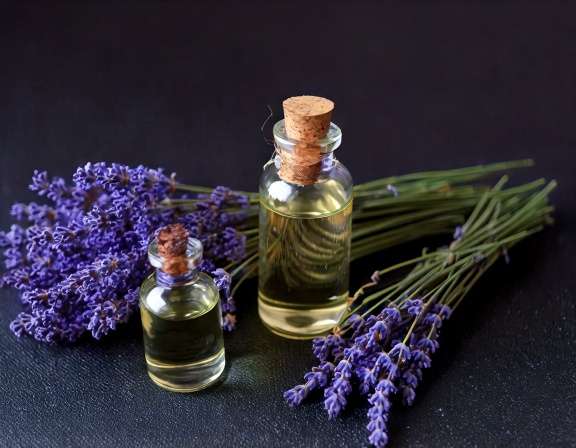
Lavender smells soft, floral, and steady. It works well in places where you want comfort without heaviness.
Lemon feels bright and clean, like open windows and wiped counters. It lifts a blend fast.
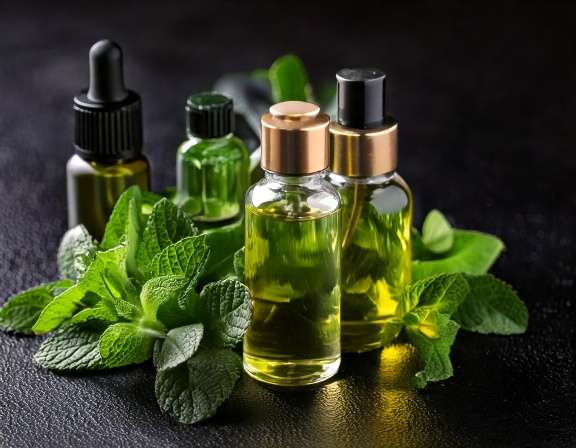
Peppermint is crisp and cool. It suits focus, after-work fatigue, and room sprays that need a quick wake-up.
Eucalyptus has a green, open scent that helps a room feel less stale. It pairs well with small spaces that need a fresher edge.
Simple safety and dilution reminders
For skin use, keep essential oils diluted to about 1% to 2% total in a carrier oil. A little goes a long way. Patch test first, and wait 24 hours.
Do not use essential oils neat on skin, and keep them away from eyes and mouth. Do not swallow them. Diffuse for 30 to 60 minutes, then let the room air out.
Stronger scent is not better scent. In many rooms, a lighter blend feels better and lasts longer.
If you’re new to home use, a beginner guide to using essential oils safely helps you start with the basics. Use extra care with children, pets, pregnancy, asthma, and sensitive skin.
Lavender essential oil blends for calm evenings and better sleep
Evening blends should feel soft, not sleepy in a heavy way. The right scent can slow the pace of a room the same way dimmer light does.
A soft lavender and lemon blend for a brighter bedtime routine
Try 4 drops lavender and 1 drop lemon in a bedroom diffuser. It keeps the room calm, but the citrus keeps the scent from feeling flat. This blend works well for reading corners, bedside tables, and nights when you want a clean finish before sleep.
For a linen spray, keep the blend very light and mist pillows from a distance. The goal is a gentle cloud, not a soaked pillow.
Lavender with peppermint for tired evenings and tension relief
Use 4 drops lavender and 1 drop peppermint in a diffuser after a long day. The peppermint should stay in the background. That way, the blend feels refreshing without turning sharp.
This mix works well in a living room after work, or in a quiet corner where you unwind with stretching. If tight shoulders are part of the picture, lavender essential oil for muscle soreness fits that kind of wind-down too.
Lavender and eucalyptus for a clean, open bedroom feel
Try 4 drops lavender and 1 drop eucalyptus in a bedroom or bathroom diffuser. The eucalyptus adds a cool, open note, while lavender keeps the blend restful.
This is a good choice after a hot shower, or on nights when the room feels stale. It gives the air a washed, settled feeling without smelling harsh.
Fresh blends that make kitchens, bathrooms, and laundry rooms feel clean
Some rooms need scent that clears the air, not scent that hangs around like perfume. That is where lemon and eucalyptus shine.
Lavender, lemon, and eucalyptus for an all-purpose room spray
For a room spray, use 4 drops lavender, 3 drops lemon, and 2 drops eucalyptus in a proper spray base. Mist the air after cooking, before guests arrive, or when the kitchen still smells like dinner.
The lemon brightens, eucalyptus cuts through stale notes, and lavender keeps the spray from feeling harsh. It works in kitchens, entryways, and mudrooms that need a quick reset.
A bathroom blend that feels crisp, airy, and spa-like
Try 3 drops lavender, 2 drops eucalyptus, and 1 drop lemon in a bathroom diffuser. The eucalyptus brings a cool, open feeling, which helps a small room feel less closed in.
Lavender softens the blend so it still feels calm. This one is a good fit for bathrooms with poor airflow or for a post-shower scent that feels neat and clean.
Lavender and lemon for laundry rooms and linen spaces
Use 4 drops lavender and 3 drops lemon on wool dryer balls, or in a laundry room diffuser. The scent feels fresh without smelling like heavy detergent.
This blend also fits closets, hallways, and linen shelves. It gives fabric spaces a light lift and keeps the room from feeling flat.
Mood-boosting lavender essential oil blends for focus, energy, and relief
Daytime blends need a different feel than bedtime blends. They should wake up the senses without making the room feel busy.
Lavender and peppermint for clear-headed focus
Try 3 drops lavender and 2 drops peppermint in a desk diffuser. The peppermint adds a clean edge, while lavender keeps the scent from feeling too sharp.
This blend works well for work sessions, homework, and chores that need a little mental push. It feels fresh enough for a morning start, but calm enough for long stretches.
Lavender and eucalyptus for stuffy days and seasonal comfort
Use 3 drops lavender and 2 drops eucalyptus in a diffuser for early mornings or closed-up rooms. The result feels open, cool, and easy to live with.
This is a solid choice during cold weather or on days when the house feels still. It brings a clearer scent to bedrooms, offices, and living rooms without overpowering the space.
Lavender, lemon, and peppermint for a cheerful reset
Blend 3 drops lavender, 2 drops lemon, and 1 drop peppermint in a room spray or diffuser. The lemon adds brightness, and the peppermint keeps the blend from feeling sleepy.
This works well for afternoon slumps, entryways, home offices, and car diffusers. It gives a room a cleaner, more awake feel without turning harsh.
Lavender, peppermint, and eucalyptus for a sharper afternoon lift
For tight, foggy afternoons, try 4 drops lavender, 1 drop peppermint, and 1 drop eucalyptus. The blend stays balanced, but it has more edge than lavender alone.
Use it near a desk or in a small diffuser when your head feels full and the room feels stale. A little air movement and a glass of water help the scent do its job.
How to use these lavender blends in different spaces at home
The same blend can feel different in a bedroom, a kitchen, or a car. Size matters, and so does the method you choose.
For a quick guide, here is a simple match-up:
- Diffuser for bedrooms, offices, and living rooms, because it gives a steady background scent.
- Pillow spray for personal bedtime use, since it keeps the scent close and soft.
- Room spray for kitchens, bathrooms, and shared spaces, because it freshens fast.
- Roller bottle for wrists, temples, or the back of the neck, when you want a personal blend.
- Shower steam for a quick lift, especially with eucalyptus blends in the morning.
A diffuser works best when you want the scent to linger. A spray is better when a room needs a fast reset. A roller keeps the blend private and portable.
How to adjust the scent so it feels balanced, not too strong
If a blend feels sharp, cut the peppermint or eucalyptus by one drop. If it feels flat, add one more drop of lavender or lemon.
Small rooms need fewer drops than large ones. A tiny bathroom can smell full with just a few drops. A living room can handle a little more without feeling crowded.
Keep notes on what works. Tiny changes can turn a rough mix into a blend you reach for again.
Conclusion
Lavender essential oil can do a lot of quiet work at home. It softens bright lemon, steadies peppermint, and rounds out eucalyptus so each blend feels more usable.
That is what makes these recipes so flexible. One blend can calm a bedroom, freshen a bathroom, or bring more focus to a desk.
Start with one mix in one room, then change the ratio until it feels right. The best scent is the one that fits your space and mood without trying too hard.
Stay Connected for More Natural Living Inspiration
If you enjoyed this post about herbal wellness and love discovering natural ways to refresh your home and wellness, don’t miss out on future recipes and clean-living tips! Subscribe to the blog for weekly DIYs, wellness inspiration, and herbal remedies delivered straight to your inbox.
Don’t forget to visit my Amazon storefront for the links to my favorite essential oils, herbal teas, and natural recipes. I also create YouTube ambiance videos for sleeping; a channel I created to help people who have trouble sleeping. The link to all social media content is here.
Thanks for coming by!
Leave a Reply