

(DISCLAIMER: I am not a doctor, and you should consult your healthcare professional before starting any health regimen. Product links are commissioned and supports the blog)

A fresh wave is driving more people to chemical-free cleaning with herbal disinfectants and natural household cleaners. Concerns about hidden toxins and indoor air quality aren’t slowing down, and neither is demand for safer, eco-friendly cleaning routines. Shoppers want solutions that skip harsh chemicals but still work especially with new research linking synthetic cleaners to allergies, asthma, and environmental harm.
Herbal disinfectants and natural household cleaners offer that balance by using simple, plant-based ingredients to cut through dirt and germs without the side effects of traditional sprays. Read on to learn why so many households are switching, the benefits that come with it, and what makes herbal products stand out as a better choice for your family and the planet.
Key Health Benefits of Chemical-Free Cleaning
Making the switch to chemical-free cleaning with herbal disinfectants and natural household cleaners isn’t just about what you’re avoiding, it’s about what you’re gaining. These natural products tap into plant-based ingredients that keep your home clean without compromising your well-being. Research shows eliminating chemical-heavy cleaners makes a notable impact on your health and day-to-day comfort, especially for families, pet owners, and people who are sensitive to harsh additives. Here’s how choosing herbal and natural alternatives can benefit you.
Reduced Exposure to Toxic Chemicals
Conventional cleaners usually rely on synthetic chemicals that can stick around in your air and on your skin, even after you’re done cleaning. Many contain well-known irritants like ammonia, bleach, phosphates, and formaldehyde, which have been linked to skin irritation, headaches, and hormone disruption.
By opting for chemical-free cleaning with plant-based ingredients; like essential oils, vinegar, or bio enzymes you skip these risks entirely. According to a study highlighted by Everyday Health, switching to natural cleaning products slashed indoor chloroform exposure by up to 86%. That means fewer harsh fumes to inhale and less risk of accidental skin contact with substances you’d rather not have in your home.
Consider the daily ways you’re exposed to cleaners:
- Breathing in sprays and fumes during use.
- Touching cleaned surfaces.
- Residue transferred to food prep areas and kids’ toys.
Chemical-free and herbal products break this cycle by using only simple, safe ingredients that biodegrade quickly and don’t linger in your living space. This switch is especially important if you have young children crawling on floors, pets licking surfaces, or anyone in your family with allergies or asthma.
Improved Indoor Air Quality
Did you know the products you use to clean can make your air dirtier? Traditional cleaning sprays, wipes, and powders often release volatile organic compounds (VOCs). These small airborne chemicals can irritate your eyes, throat, and lungs. Over time, exposure to VOCs from cleaning products is linked to an increased risk of respiratory problems, especially in women, children, and people with asthma or other lung conditions.
A recent review from Branch Basics and backed by the EPA shows plant-based, chemical-free cleaning products emit about half the VOCs found in regular cleaners. Most herbal disinfectants avoid artificial fragrances altogether or use naturally derived scents that don’t pollute your indoor air.
Here’s why this matters:
- VOCs can linger long after you clean.
- Poor air quality increases coughing, sneezing, and shortness of breath.
- People already affected by allergies or asthma can instantly notice a difference.
Cleaner air equals healthier breathing. It’s not just hype: studies show homes that switch to natural household cleaners see a sharp decline in respiratory complaints for everyone inside. Good indoor air quality should be a given, not a privilege and herbal products help make that possible.
Allergy and Sensitivity Relief
Do you or your loved ones struggle with rashes, itchy eyes, or mysterious runny noses after a big cleaning session? It could be your products. Many mainstream cleaners are loaded with artificial dyes, preservatives, and synthetic fragrances; each a common trigger for allergies, contact dermatitis, and sensitivities.
Herbal cleaning products and natural household cleaners turn the tables by avoiding these triggers:
- Free of artificial fragrances and colors.
- No harsh preservatives or unnecessary fillers.
- Simple ingredient lists you can actually read and recognize.
People with chemical sensitivities often feel immediate relief after switching to cleaner, greener products. Plant ingredients like lemon, baking soda, and citric acid not only clean but soothe and calm indoor environments. In fact, sustainabilitytracker.com and recent EPA data both highlight that cleaner, fragrance-free products are less likely to cause flare-ups of eczema, allergic reactions, or asthma attacks.
If you have children, elderly family members, or anyone with skin or lung sensitivities, swapping to herbal disinfectants and natural household cleaners can be life-changing. No more guessing what’s in your spray bottle, just genuine peace of mind every time you wipe down a surface.
Environmental Impact of Herbal and Natural Household Cleaners
When you switch to herbal disinfectants and chemical-free cleaning, you’re not just doing your home a favor, you’re making a positive choice for the planet. Ingredients, packaging, and supply chains make a huge difference in how cleaning routines impact water, wildlife, and the climate. Here’s how natural household cleaners offer a cleaner conscience along with cleaner countertops.
Biodegradable Ingredients and Safer Waterways
Traditional cleaning products are known for polluting waterways, but most people don’t realize the scale of the issue. Ingredients like phosphates and synthetic surfactants can stick around long after you rinse them down the drain, causing problems in rivers and lakes. They fuel algae blooms and upset the balance of aquatic habitats, putting fish and other wildlife at risk.
Herbal disinfectants and natural household cleaners break this cycle in key ways:
- Plant-based and mineral ingredients found in natural products (like vinegar, baking soda, citrus oils, and enzyme cleaners) are designed to biodegrade quickly.
- Microbes in the environment break down these compounds so they don’t build up or feed toxic algae blooms.
- No artificial fragrances or dyes, so there are fewer persistent chemicals in our water supplies.
Eco-certifications such as EPA Safer Choice or Green Seal highlight products with safer, fully biodegradable ingredients. These certifications ensure your household cleaners won’t leave a toxic trail behind. That’s better for tap water, local streams, and everyone including pets and kids, who relies on clean water every day.
Reduced Plastic Waste and Sustainable Packaging
Packaging is often overlooked, but it’s a big part of cleaning’s environmental cost. Most traditional cleaners come in single-use plastic bottles that go straight to landfills or wash into the ocean.
The natural cleaners market is taking real steps to fix this problem. Today’s brands are embracing:
- Refillable packaging that lets you buy concentrate packets, tablets, or pouches and reuse the same bottle.
- Concentrate-based products which dramatically cut down shipping weight and use less plastic per clean.
- Tools like compostable pods, glass bottles, or metal tins that reduce or eliminate plastic waste entirely.
- Partnerships with recycling programs, closed-loop supply chains, and materials like post-consumer recycled (PCR) plastics.
Major brands and indie startups are also rolling out labels like USDA Organic, EPA Safer Choice, and eco-labels to make it easier to spot true sustainable options. You now have more power than ever to choose cleaners that align with your zero-waste or low-plastic goals.
Lower Overall Carbon Footprint
Every step in the life of a traditional cleaning product, manufacturing, sourcing, packaging, shipping, and disposal adds to its carbon footprint. Most conventional options rely on petroleum-derived ingredients and energy-intensive production.
Natural household cleaners take a different path:
- They use plant-based ingredients that grow back each season, cutting down on fossil fuel dependency.
- Many companies source ingredients locally or regionally, reducing transportation emissions and supporting small farmers.
- Concentrates and refills mean fewer trucks on the road, saving fuel and lowering greenhouse gas emissions.
- Energy-efficient manufacturing, along with a focus on renewable energy, is becoming standard among top eco-friendly brands.
The result? Less pollution, fewer greenhouse gases, and fewer resources wasted from start to finish. Even small switches like choosing a concentrated refill pouch or a bamboo scrubbing brush, help shrink your cleaning routine’s environmental footprint.
In summary: Choosing herbal disinfectants and chemical-free cleaning isn’t just about safer surfaces at home. It’s real action against water pollution, plastic waste, and a heavy carbon footprint. Each swap, refill, or plant-powered purchase makes a measurable difference for your family and the future.
Are Herbal Disinfectants and Natural Cleaners Effective?
Plenty of people want chemical-free cleaning but wonder: Can herbal disinfectants and natural household cleaners really get the job done? The truth is, the answer depends on what you’re cleaning and which ingredients you use. Here’s what scientific studies and leading certifications say about going natural and keeping your home safe.
Science-Backed Cleaning Power
Researchers keep testing natural cleaners against conventional products, comparing their strength against germs and grime. While commercial chemical disinfectants like bleach and Lysol deliver broad, rapid germ-killing action, many natural alternatives focus on safer, gentler ingredients—sometimes with surprising effectiveness, but not always at the same level.
Let’s break down some of the most common ingredients in chemical-free cleaning products:
- Hydrogen Peroxide: At the right concentration, hydrogen peroxide is a proven disinfectant, killing bacteria, fungi, and some viruses on contact by releasing oxygen that breaks down cell walls. Used correctly, it performs close to commercial solutions without harsh side effects.
- Baking Soda: Baking soda is a gentle abrasive that scrubs away dirt and neutralizes odors. Its antimicrobial action is modest, though. It helps clean surfaces and control smell but isn’t a heavy hitter against harmful germs.
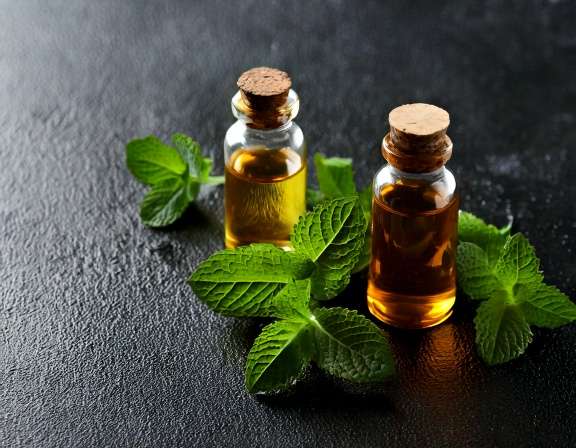
- Essential Oils (like tea tree, eucalyptus, thyme, and lemon oils): Lab tests show some essential oils have antimicrobial or antifungal effects. For instance, tea tree oil can stop the growth of certain bacteria and molds. Still, in the concentrations found in most household blends, their microbe-fighting power isn’t as strong as synthetic disinfectants.
- Vinegar and Citric Acid: Both ingredients help break down mineral deposits, grease, and bacteria. They’re not registered as disinfectants but do remove residue and make surfaces less inviting to new bacteria. Vinegar, for example, can reduce bacteria to a safe level on food surfaces, but doesn’t kill viruses like norovirus or influenza.
A review published in March 2025 highlights that herbal surface cleaners, made from plant extracts such as neem, lemon grass, and basil, show real promise against common bacteria but typically fall short against stubborn viruses and antibiotic-resistant bugs. Massive elimination of germs, like what you get with chemical disinfectants, is not usually matched by green cleaners, especially when fast, complete killing is the goal.
Still, for everyday cleaning, natural products usually score high on grease-cutting, safe surface use, and easing allergy symptoms. For households that want low-toxin cleaning and are not dealing with dangerous pathogens, herbal and natural household cleaners can absolutely keep things clean and fresh.
Certifications and Standards for Safety and Efficacy
For shoppers sorting honest products from hype, certifications are the ultimate shortcut. When you see these seals and logos, you can feel more confident that what’s inside the bottle lines up with both your values and proven performance.
Here are the top certifications you’ll come across for herbal disinfectants and natural household cleaners:
- EPA Safer Choice: The US Environmental Protection Agency’s Safer Choice label means a product’s full ingredient list meets strict human and environmental health standards. Lab tests confirm not just ingredients’ safety but actual cleaning power too.
- Green Seal: This independent, science-driven certification looks at everything from toxicology to packaging waste. Green Seal ensures products work as claimed while also sticking to strong rules for sustainability, energy use, and low environmental impact.
- EWG Verified: The Environmental Working Group’s mark highlights cleaners free from major health hazards. While it focuses on ingredient safety, brands must show transparency and strong evidence for both non-toxicity and effectiveness.
- EcoLogo, USDA Organic, and Cradle to Cradle: Each brings unique requirements. Some focus on organic content and sourcing, while others demand strict lifecycle analysis, ingredient tracking, and third-party toxicity checks.
- NPA Natural Seal and Ecocert: These programs monitor ingredient origins (like ensuring plant-based content is truly natural), ban synthetic toxins, and check for cruelty-free manufacturing and sustainable packaging.
What do these certifications look at?
- At least 95% natural or renewable ingredients.
- Comprehensive toxicity screening to rule out carcinogens, hormone disruptors, and heavy metals.
- Full ingredient transparency (no vague “fragrance” loopholes).
- Demonstrated cleaning performance (not just safety).
- Routine audits and renewals to keep standards high.
Products with these certifications aren’t just safe or “green”, they go through performance testing to make sure they actually clean. This process covers both how well they remove dirt and germs and how safely they do it for people and the planet. Certifications build a layer of trust and a sense of security, especially for families focused on real chemical-free cleaning.
The takeaway? While some natural cleaners may not match every germ-busting claim of their chemical cousins, ones with trusted third-party certifications are proven, safer choices for most households. You know you’re getting a high-quality herbal disinfectant or cleaner that actually does what it says it will without the toxic trade-off.
Latest Trends and How to Transition to Chemical-Free Cleaning
The chemical-free cleaning movement, focused on herbal disinfectants and natural household cleaners, is picking up speed fast. What used to be a niche preference is now mainstream, with new products, smarter labels, and simple DIY recipes turning up in homes around the globe. If you want cleaning solutions that care for both your family and the planet, while saving money, now is the best time to make the switch. Here’s what’s shaping the market, how to get started, and why going herbal pays off long term.
Industry Trends and Consumer Demand
The demand for natural household cleaners isn’t just a passing fad, it’s driving huge growth. Global research shows the natural household cleaners market was worth $6.97 billion in 2024 and is projected to hit $16.13 billion by 2032, growing at around 11.9% every year. North America leads in sales, but Asia-Pacific is catching up quick thanks to rising incomes and a growing focus on wellness.
What’s fueling this boom?
- Health and safety: Consumers are seeking safer alternatives that cut out harmful chemicals like ammonia, chlorine bleach, and parabens.
- Ingredient transparency: People want to read and understand what’s on the label. Brands that honestly list simple, plant-based ingredients are earning trust.
- Sustainable packaging: Companies now offer refillable bottles, zero-waste systems, and biodegradable packaging. Expect to see more powder concentrates and dissolvable tablets that skip plastic altogether.
- Innovative products: The market now features everything from probiotic surface sprays to enzyme-based degreasers and oxygen-boosted stain removers.
Leading brands for 2025:
- Branch Basics and Blueland (famous for concentrate refills and tablet-based cleaners)
- Grove Collaborative and Thrive Market (known for curated, B Corp-certified product lines)
- Seventh Generation and Attitude (leaders in plant-based performance and transparency)
Today, shoppers are willing to pay nearly 10% more for green cleaning products, and industry leaders keep improving both safety and cleaning muscle.
Easy Steps for Switching to Herbal Cleaning Products
Making your home chemical-free doesn’t happen overnight, but you can start small and see big results. Here’s a simple, stress-free plan to guide your swap to herbal disinfectants and natural household cleaners:
- Swap one product at a time.
- Replace your most-used cleaner first (like all-purpose spray or laundry detergent).
- Gradually switch out others as you run out.
- Decide: DIY or buy?
- DIY recipes save money and avoid hidden ingredients. Try classics like:
- All-purpose spray: Mix 1 cup water, 1 cup distilled white vinegar, a few drops lemon or tea tree oil.
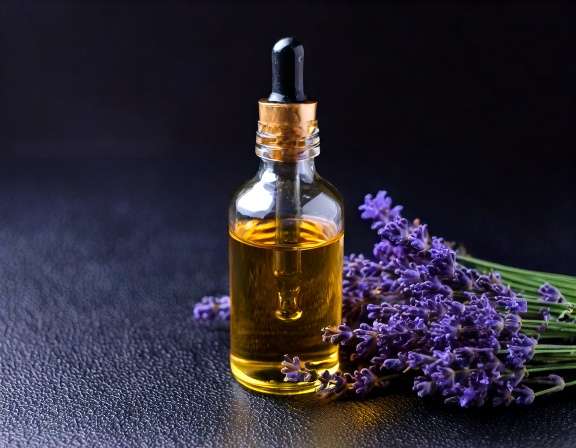
- Scrub: Blend ½ cup baking soda, 5 drops lavender oil, enough water to form a paste.
- Prefer convenience? Choose reputable brands with short, clear ingredient lists and eco-labels.
- DIY recipes save money and avoid hidden ingredients. Try classics like:
- Read every label.
- Look for transparent ingredient lists (avoid mystery words like “fragrance” or “parfum”).
- Skip products with SLS, parabens, phthalates, chlorine, ammonia, synthetic dyes, or artificial scents.
- Check for trusted certifications: EPA Safer Choice, Green Seal, USDA Organic.
- Use digital aids.
- Scan barcodes with apps like “Think Dirty” or “EWG Healthy Living” for quick toxicity ratings.
- Online brand reviews, ingredient glossaries, and eco-label guides are just a click away.
- Upgrade your cleaning tools and routine.
- Microfiber cloths, steam mops, and scrubbing brushes (bamboo or recycled plastic) all boost results without chemicals.
- Opt for multi-purpose products to cut clutter and lower costs.
Starter DIY Herbal Cleaning Recipes:
- Glass + Mirror Spray: 1 cup distilled water + 1 cup vinegar + 2 drops peppermint oil.
- Shower Spray: 1 cup water + 2 teaspoons castile soap + 10 drops eucalyptus oil.
- Carpet Refresher: Mix 1 cup baking soda with 5 drops lemon oil, sprinkle, wait 5 minutes, vacuum.
Your path to chemical-free cleaning is as easy as opening your kitchen cabinet or picking the right product at the store. Each small change makes a difference for your air, your skin, and your peace of mind.
Economic and Practical Benefits
Going herbal and chemical-free isn’t just about health or the planet, it also pays off for your wallet and home life.
How do herbal cleaners save you money?
- Concentrated formulas last longer. Many plant-based cleaners need less per use, so a bottle stretches further than standard chemical sprays.
- Multi-use recipes cut costs. DIY blends work for counters, windows, floors, and more. You don’t need a different product for every task.
- Refill and bulk options. Reusable bottles and concentrate packets mean you avoid paying for new packaging every time.
More advantages to switching:
- Less waste: Refill systems and homemade solutions slash single-use plastics and packaging waste.
- Safer home for everyone: No more worries about accidental poisonings or skin rashes from harsh chemicals.
- Cleaner indoor air: Fewer VOCs means fresher air and less dust.
- Simplicity: Fewer products, clearer routines, and no need to lock up cleaners away from kids or pets.
Proven long-term savings: According to customer surveys and retailer data, many households report spending 15–30% less on cleaning supplies when switching to chemical-free, multi-purpose herbal options and DIY recipes versus regular store-bought chemicals.
If you want to make the switch, the market has never offered more helpful products, resources, and cost-effective ways to adopt chemical-free cleaning. With a focus on herbal disinfectants and natural household cleaners, you make your daily life simpler, safer, and more affordable, all while supporting a greener future.
Conclusion
Swapping to chemical-free cleaning with herbal disinfectants and natural household cleaners brings real benefits. You get a safer home, fewer allergens, and far better indoor air, all while knowing you’re not polluting water or adding to plastic waste. Plant-based products and DIY blends take care of everyday messes, protect pets and kids, and still hold up on performance.
Cleaners made from natural ingredients like vinegar, essential oils, and safe plant-based surfactants cut down on toxins and leave behind nothing but peace of mind. Most are biodegradable, come in sustainable packages, and don’t linger as threats to your family or the planet.
Ready to make your home healthier and greener? Start with one swap today; your lungs, wallet, and the environment will thank you. If you’ve tried these options or want to share a favorite herbal cleaning tip, drop a comment below. Your experience can inspire others to take the next step toward safer, smarter cleaning.
Stay Connected for More Natural Living Inspiration
If you enjoyed this post about herbal wellness and love discovering natural ways to refresh your home and wellness, don’t miss out on future recipes and clean-living tips! Subscribe to the blog for weekly DIYs, wellness inspiration, and herbal remedies delivered straight to your inbox.
Don’t forget to visit my Amazon storefront for the links to my favorite essential oils, herbal teas, and natural recipes. I also create YouTube ambiance videos for sleeping; a channel I created to help people who have trouble sleeping. The link to all social media content is here.
Thanks for coming by!

Leave a Reply