
(DISCLAIMER: I am not a doctor, and you should consult your healthcare professional before starting any health regimen. Product links are commissioned and supports the blog)

Quick takeaways before you start
- Lavender is the best-known calming oil, and many people start with it first.
- Some citrus oils feel uplifting, and bergamot is a favorite for that softer, brighter mood.
- Most oils work best when you inhale them or use them in proper dilution.
- Never swallow essential oils, and never put them on skin without a carrier oil.
- Scent preference matters. The oil that feels soothing to you is the one worth keeping.
- Ongoing or severe anxiety needs professional support, even if aromatherapy helps a little.
A few drops of scent can change how a room feels in seconds. Lavender can soften the air, while citrus can make a heavy afternoon feel lighter.
Essential oils may help some people feel calmer, but they are not a cure for anxiety. If worry keeps coming back, oils can be one small part of your routine, not the whole answer.
This guide covers seven essential oils, what each one smells like, and simple ways to use them at home. Safety matters just as much as scent, so that part is built in too.
If the scent makes you tense, it is the wrong scent for that moment.
The 7 essential oils most people reach for when anxiety feels heavy
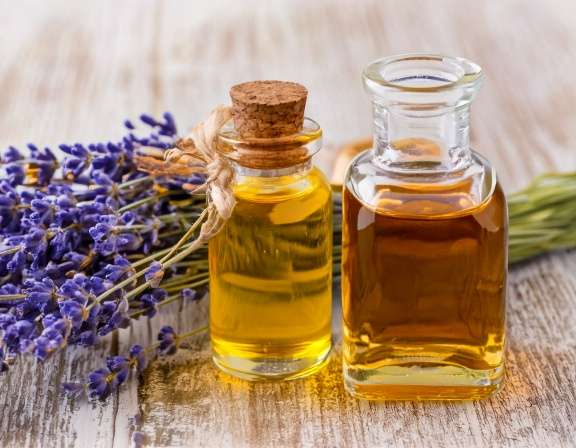
Lavender, soft, floral, and the classic calm-down scent
Lavender usually smells sweet, clean, and a little herbal, like fresh flowers with green stems. That mix is gentle enough for many people who want a softer kind of calm.
It is often the first oil people try for bedtime or stress. Put 1 drop on a tissue and breathe slowly, or use 3 drops in a small diffuser before sleep. A little goes far, so start small and see how it feels.
Bergamot, bright citrus with a warm, mellow edge
Bergamot smells sunny and citrusy, but it is smoother than lemon. There is a soft, tea-like finish that keeps it from feeling sharp or harsh.
That warmer citrus note can help a tense room feel less tight. Try bergamot with lavender in a diffuser during late afternoon stress. A fuller look at evening use appears in bergamot essential oil for stress relief, especially if you like citrus that stays gentle. Keep bergamot off sun-exposed skin, since citrus oils can raise sun sensitivity.
Chamomile, apple-like, gentle, and comforting
Chamomile can smell soft, sweet, and a little like apples or honey. Roman chamomile is often the lighter, more delicate one, while other types can feel a bit richer.
That cozy scent feels made for evening routines. Add a drop or two to a diffuser with lavender, or dilute it in a roller bottle for wrists before bed. If your evenings need a softer mood, chamomile fits without trying too hard.
Frankincense, resinous, woody, and grounding
Frankincense smells warm, earthy, and a little smoky, like still air after rain. It has a slower, steadier feel than floral oils, which is part of its appeal.
People often reach for it when the mind feels scattered. Breathe it from a tissue during slow breathing, or use it in a diffuser while you sit with a book or a journal. If earthy oils calm you most, using vetiver oil for grounding gives you another dry, rooty scent to try.
Ylang ylang, sweet, creamy, and a little exotic
Ylang ylang smells rich, floral, and almost perfume-like, with a tropical edge. Some people love it on the first sniff. Others find it strong right away.
That strong scent makes small amounts best. Blend 1 drop with lavender or bergamot in a diffuser, or use a diluted massage blend for the neck and shoulders. It can feel lush in a room, so less is usually better.
Clary sage, herbal, green, and softly musky
Clary sage smells earthy, green, and warm, with less sweetness than lavender. It feels more like crushed leaves than a bouquet.
Many people like it for evening quiet or when tension sits in the body. Try it with lavender in a diffuser, or mix it with bergamot for a fresher blend. The scent feels grounded, which makes it a good fit for slower nights.
Cedarwood, dry, woody, and grounding
Cedarwood smells like fresh-cut wood with a touch of smoke. It brings to mind a clean cabin, a cedar chest, or a walk through dry trees.
That steady wood note can make a room feel cozy when your thoughts are racing. Diffuse it before bed, or mix it with a carrier oil for a light wrist blend. It also pairs well with lavender when you want a softer, woodier scent.
Easy ways to use calming essential oils at home without overcomplicating it
Simple routines work best when you want something you can use today, not next week. The goal is a calm scent, not a strong perfume cloud.
For a diffuser, start with 4 to 6 total drops in a small unit. Follow the water line on the machine, then adjust down if the smell feels too strong. A few good blends are lavender plus bergamot for daytime stress, lavender plus cedarwood for night, and frankincense plus chamomile for a quiet evening.
If you want a fast option, inhalation is easy. Put 1 drop on a tissue or cotton ball and breathe slowly for a minute or two. A personal inhaler works well too, since you can keep it in a bag or desk drawer.
A roll-on blend is useful for wrists, temples, or the back of the neck. Fill a 10 mL roller bottle with carrier oil, then add 6 to 10 total drops of essential oil. Lavender with frankincense is a simple place to start. Lavender with cedarwood works well at night. Patch test first if your skin reacts easily.
A short bath can help too, but don’t drip oils straight into the tub. Mix them with Epsom salt or another carrier first, then add that mix to the water. Keep the scent light, since a bath should feel soothing, not intense.
How to use essential oils safely so the calm stays comfortable
Essential oils are concentrated plant extracts, so they need respect. A small amount can go a long way.
Never swallow them. Never put them on skin neat. Avoid your eyes, and wash your hands after use. If you want to use them on skin, dilute them with a carrier oil first.
Use extra care around children, pets, pregnancy, and sun exposure. Citrus oils can make skin more sensitive in the sun, so save them for nighttime diffusion or short inhalation. If you have asthma, epilepsy, migraines, allergies, or seizures, be cautious and check with a healthcare professional before trying anything new.
A scent should soothe, not strain. If it feels too strong, stop there.
If you notice irritation, headache, nausea, or breathing trouble, stop using the oil right away. That reaction means the blend is not working for you.
Conclusion
The best essential oil for anxiety is often the one that smells safest and softest to you. For some people, that is lavender. For others, it is bergamot, cedarwood, or chamomile.
Start with one or two oils. Use them in small, safe ways. Pay attention to how your body reacts, because scent is personal.
When anxiety feels persistent or severe, reach out to a healthcare professional. Essential oils can be a gentle part of your self-care routine, but they work best alongside real support.
Stay Connected for More Natural Living Inspiration
If you enjoyed this post about herbal wellness and love discovering natural ways to refresh your home and wellness, don’t miss out on future recipes and clean-living tips! Subscribe to the blog for weekly DIYs, wellness inspiration, and herbal remedies delivered straight to your inbox.
Don’t forget to visit my Amazon storefront for the links to my favorite essential oils, herbal teas, and natural recipes. I also create YouTube ambiance videos for sleeping; a project I created to help with insomnia symptoms and the second channel, Rooted in Nature YouTube Channel both channels feature herbal recipes for wellness and home. The link to all social media content is here.
Thanks for coming by!


Leave a Reply