
(DISCLAIMER: I am not a doctor, and you should consult your healthcare professional before starting any health regimen. Product links are commissioned and supports the blog)

Key Takeaways:
- Tea tree essential oil supports everyday wellness by helping you manage germs on skin and household surfaces.
- It can support seasonal comfort, especially when you want your home to smell fresh and your breathing to feel a little easier.
- “Antimicrobial” isn’t the same as “immune boosting,” so it’s best to keep expectations grounded.
- Safe use matters most: dilute it, patch test first, and never take it internally.
Tea tree essential oil has a strong, clean scent that practically announces, “Let’s tidy things up.” That’s why it shows up in so many natural living routines, from DIY cleaners to post-gym foot care.
When people talk about tea tree oil for immune support, they’re usually talking about something simple and practical: reducing the number of germs you come into contact with, supporting your skin’s comfort, and creating a fresher environment at home.
Used the right way, tea tree can be a helpful tool in your wellness kit. Used the wrong way (too strong, too often, or swallowed), it can cause problems fast. Let’s keep it useful, realistic, and safe.
What tea tree essential oil is, and why people link it to immune support
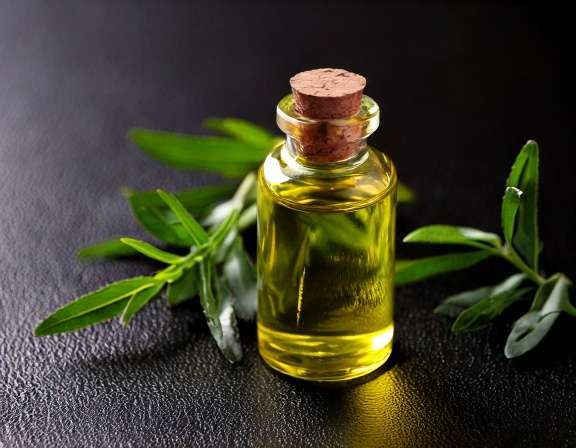
Tea tree essential oil comes from the leaves of Melaleuca alternifolia, a plant native to Australia. The oil is usually made by steam distillation, which pulls out the plant’s aromatic compounds into a concentrated liquid. That “concentrated” part is key. Tea tree oil is powerful, and a little truly goes a long way.
So why do people connect tea tree oil with immune support benefits?
In everyday wellness terms, “immune support” often means you’re trying to stack the deck in your favor. You’re not trying to force your immune system to work harder. You’re trying to lower your exposure to things that can stress it out, and help your body stay comfortable.
Tea tree oil fits into that idea in a few common ways:
Reducing germ exposure at home: Many people use tea tree in simple cleaning routines, especially in kitchens, bathrooms, gym gear, and high-touch surfaces.
Supporting the skin barrier: Your skin is like a built-in security system. When it’s irritated, broken, or out of balance, it’s easier for unwanted microbes to cause trouble. Tea tree is popular for occasional blemishes, foot odor, and scalp issues when used properly.
Comfort during seasonal stuffiness: The scent can feel clarifying, like opening a window in a stuffy room. Diffusing can support a “clearer” feel, even though it’s not a treatment for illness.
One of the most talked-about compounds in tea tree oil is terpinen-4-ol. In simple terms, it’s one of the main natural chemicals responsible for tea tree’s “germ-fighting” reputation.
A quick look at what research suggests, antimicrobial does not mean immune boosting
It helps to separate two ideas that often get mixed together.
Antimicrobial means something may kill or slow the growth of certain microbes (bacteria, fungi, and in some cases, viruses) in lab tests or on surfaces. Tea tree oil has been studied for antimicrobial activity, and that’s why it’s common in topical products and DIY cleaning recipes.
Immune boosting would mean it directly makes your immune system stronger inside your body in a reliable, proven way. That’s a much bigger claim, and it’s not what tea tree oil is best known for.
Most strong, practical evidence points to tea tree’s use in these areas:
- Topical support for certain skin concerns (when properly diluted)
- Household cleaning support
- Deodorizing and freshening routines
What it’s not for:
- Swallowing (it can be toxic if ingested)
- Treating infections or replacing medical care
- “Boosting immunity” as a guaranteed internal effect
If you want tea tree oil as part of your wellness habits, think of it like hand soap. It doesn’t “power up” your immune system, but it can help reduce what your immune system has to deal with.
Before you buy, quality matters. Look for: 100% pure oil, the botanical name (Melaleuca alternifolia), packaging in dark glass, and a scent that smells sharp and fresh, not stale. Tea tree oil can oxidize over time (especially with heat, light, and frequent opening). Oxidized oil is more likely to irritate skin, so storage and freshness aren’t just details, they’re part of safety.
Everyday wellness benefits you can actually use at home
Tea tree oil earns its spot in natural living routines because it’s useful in real life, not because it’s magical. It’s the kind of oil you reach for when you want things to feel cleaner, smell fresher, and stay more balanced.
A smart way to use tea tree is to focus on low-risk, high-payoff habits. That usually means diffusing in small amounts, using it in cleaning routines, and applying it to skin only when diluted and truly needed.
A few practical uses people love:
Home cleaning support: Add tea tree oil to a DIY cleaning spray to freshen and help manage germs on hard, non-porous surfaces. Always label DIY cleaners and keep them away from kids and pets. If you want more ideas for oils used this way, this guide on top antibacterial essential oils for cleaning and immune support is a helpful companion read.
Post-gym freshness: A diluted tea tree blend can be used on feet (never between toes if skin is broken), in shoes (spritzed, then dried), or added to a foot soak.
Scalp support: Tea tree is common in dandruff-style routines, but you still need to keep dilution gentle.
A quick dilution guide that keeps you in a safer range:
- Face (about 1%): gentle, best for occasional use only
- Body (about 2%): common for routine blends
- Spot use: extra care required, because overdoing it is easy
No matter what you’re making, patch test first. If burning, redness, or itching starts, wash it off with soap and water and stop using it.
Diffusing for a fresh home and easier breathing during stuffy seasons
Diffusing tea tree oil is one of the easiest ways to use it, and one of the easiest ways to overdo it. The goal isn’t to fog your house like a spa. The goal is a light, clean scent that makes the air feel fresher.
Here’s a simple approach that works for many ultrasonic diffusers:
- For a 100 to 200 mL diffuser: start with 2 to 4 drops
- For a 300 to 500 mL diffuser: start with 4 to 6 drops
Time matters as much as drop count. A good rhythm is 30 to 60 minutes on, then take a break. Crack a window if the room feels heavy, and don’t diffuse in a closed space for hours.
Less is more because tea tree oil is intense. Too much can cause headaches or throat irritation, especially for sensitive people.
If you like blends, try keeping it simple:
- Tea tree + lavender: clean and calming, great for an evening reset
- Tea tree + eucalyptus: sharp and “open” feeling during stuffy seasons
If you want ready-made blend ideas built around seasonal comfort, this post on allergy and immunity diffuser blends offers options that stay in the “support and comfort” lane without treating tea tree like a cure.
Important limits: don’t diffuse around babies, and be cautious with kids, older adults, asthma, and anyone prone to migraines. If someone in the room complains, turn it off. Your nose isn’t the only vote that counts.
Skin, feet, and scalp support, where tea tree shines when diluted
Tea tree oil is best known for skincare, but it should never go straight from bottle to skin. Think of it like hot sauce. One drop might be perfect in a whole recipe, but too much ruins the meal and can burn.
Common, diluted uses include:
- Occasional blemishes on oily skin
- Post-gym body odor support
- Foot odor and shoe freshness
- Itchy-feeling scalp (especially in winter or after heavy product use)
Simple, safer application ideas:
- Add 1 drop tea tree oil to a dollop of unscented lotion in your palm, then apply to a small area (hands off eyes).
- Mix tea tree into a carrier oil (like jojoba or fractionated coconut) and use it on feet after a shower.
- Add 1 to 2 drops to a single-use portion of shampoo, rather than the whole bottle, so you control strength each time.
Realistic timing helps keep expectations sane. With blemishes or scalp concerns, you’re usually looking for gradual improvement over several days to a few weeks, not an overnight transformation.
Tea tree oil is popular in natural first aid routines for minor, everyday issues, but always keep it diluted and basic. If you’re building a home kit, this guide on essential oils for a natural first aid kit is a solid starting point.
When to stop DIY and get medical help:
- Spreading redness, heat, swelling, or increasing pain
- Fever or feeling unwell
- Pus, red streaks, or a wound that’s not improving
- Suspected infection, especially on the face
Also, avoid the eyes, inner nose, ears, and sensitive areas. Tea tree doesn’t belong on mucous membranes.
Safety rules that matter most, dilution, kids, pets, and what not to do
Tea tree essential oil can be helpful, but safety isn’t optional. It’s the difference between a supportive routine and a bottle that ends up causing irritation, or worse.
First, the big one: never ingest tea tree essential oil. Not in water, not in capsules, not “just one drop.” Ingesting tea tree oil can be toxic and may cause serious symptoms that require medical care.
Next, treat tea tree like you would household cleaners: keep it out of reach. Kids are quick, curious, and small bodies react fast.
Pregnancy and breastfeeding are also times to be cautious. Many people choose to avoid stronger oils or use them only with professional guidance.
Pets need special care too. Cats are especially sensitive to many essential oils. Even diffusing can be an issue in small spaces. If you have pets, stick to short diffusion times, good airflow, and watch for signs of distress (drooling, hiding, coughing, unusual behavior). When in doubt, don’t diffuse.
Oxidation is another safety issue people miss. Tea tree oil that’s old or stored poorly is more likely to irritate skin. Keep the cap tight, store in a cool dark place, and don’t keep a bottle for years “just because.”
A simple way to think about it:
Do: dilute, patch test, ventilate when diffusing, and use small amounts.
Do not: ingest, apply neat to skin, use on babies, or diffuse in closed rooms for hours.
Patch test steps are simple: apply a tiny amount of your diluted blend to the inner forearm, cover, and wait 24 hours. If redness or itching shows up, that blend isn’t for you.
If someone has a strong reaction (hives, swelling, trouble breathing), seek medical help right away.
How to dilute tea tree oil correctly for common uses
Dilution sounds technical, but it can be easy once you have a few go-to examples.
Here are simple, picture-it-in-your-head ratios:
- For a 1% blend (gentle, often used for face-area spots):
Add 1 drop tea tree oil to 1 teaspoon (5 mL) carrier oil. - For a 2% blend (common for body areas like feet):
Add 2 drops tea tree oil to 1 teaspoon (5 mL) carrier oil. - For a small roller bottle (10 mL):
- 1%: 2 drops tea tree oil, then fill with carrier oil
- 2%: 4 drops tea tree oil, then fill with carrier oil
Good carrier oils include jojoba (light and skin-friendly), fractionated coconut (easy, low scent), and olive oil (simple and budget-friendly, but heavier). Store blends away from heat and light, and make small batches so you’re not using the same mix for months.
If you’re adding tea tree to a product like shampoo or body wash, the safest method is to add it to a single-use portion in your hand, not the whole container. That keeps the concentration from creeping up over time.
Conclusion
Tea tree essential oil can support wellness in a grounded, practical way: it helps you keep a cleaner-feeling home, supports skin and scalp routines when they’re acting up, and offers seasonal comfort when the air feels heavy. That’s the real value, not miracle claims.
The safety basics matter every time: dilute it, patch test, never ingest, and be careful around kids and pets. Freshness matters too, because old, oxidized oil is more likely to irritate.
If you want to add tea tree to your routine, start small, choose a quality bottle, and keep your dilution low. Pair it with the unglamorous stuff that actually supports immunity, like sleep, hydration, handwashing, and stress care. Consistency beats intensity, and your body will thank you for it.
Stay Connected for More Natural Living Inspiration
If you enjoyed this post about herbal wellness and love discovering natural ways to refresh your home and wellness, don’t miss out on future recipes and clean-living tips! Subscribe to the blog for weekly DIYs, wellness inspiration, and herbal remedies delivered straight to your inbox.
Don’t forget to visit my Amazon storefront for the links to my favorite essential oils, herbal teas, and natural recipes. I also create YouTube ambiance videos for sleeping; a channel I created to help people who have trouble sleeping. The link to all social media content is here.
Thanks for coming by!

Leave a Reply