


A room that smells like fresh pine can feel like a walk through cool woods after rain. Pine essential oil is a favorite for seasonal self-care because its crisp, woodsy aroma can make breathing feel fresher and a home feel more awake.
Used thoughtfully, pine oil brings atmosphere and sensory comfort to a wellness routine. It is not a treatment for infections, asthma, or respiratory conditions. Instead, it fits best alongside restful sleep, nourishing food, fresh air, hydration, and simple rituals like a warm cup of herbal tea.
A few drops, a well-ventilated room, and a properly diluted blend can go a long way.
Key Takeaways: How Pine Essential Oil May Support Respiratory Comfort and Wellness
- Pine essential oil has a crisp, forest-like aroma that can create a refreshing breathing experience during seasonal self-care.
- Pine has a long tradition in aromatic wellness routines, especially when the air feels stale or heavy.
- Alpha-pinene is one of pine oil’s well-known aromatic constituents and helps give pine its recognizable scent.
- Aromatherapy offers sensory comfort and atmosphere. It complements healthy routines rather than replacing personal health guidance.
- Keep diffusion sessions short, usually about 30 to 60 minutes in a ventilated room, and start with fewer drops.
- A routine adult chest blend can begin at about 1% dilution, which is around 1 drop per 5 mL of carrier oil.
- Choose a clearly labeled essential oil and pair your aromatic routine with a warm herbal tea for extra seasonal comfort.
Pine Essential Oil Respiratory and Immunity Support Benefits: What the Evidence Suggests
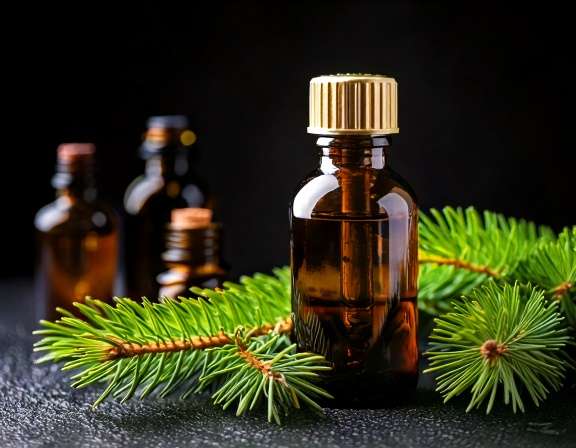
Pine essential oil is a concentrated aromatic extract commonly distilled from pine needles, twigs, or both. Scots pine, Pinus sylvestris, is one of the most familiar aromatherapy varieties. It has a bright, resinous scent that many people associate with clean air, evergreen branches, and the outdoors.
Pine oil contains natural aromatic compounds, including alpha-pinene, beta-pinene, myrcene, and limonene. Alpha-pinene is especially common in conifer oils and contributes to that sharp, clearing scent. Laboratory research has explored pine compounds for antimicrobial and soothing properties, while traditional use has long focused on fresh air and seasonal comfort.
The practical value of pine essential oil is its sensory effect. A pleasant scent can make a bedroom, living room, or self-care moment feel calmer and cleaner. For immunity-supportive routines, pine aromatherapy works best as one modest piece of the picture.
Fresh Aroma for a More Comfortable Breathing Experience
Pine’s woodsy scent is often used in a diffuser, on a tissue, or near a bowl of warm water. The aroma may create a feeling of more open, refreshed breathing, especially after time indoors or during dry seasonal weather.
That feeling is personal. Scent preferences vary, and a little pine can feel bright and inviting for one person while another person prefers a softer blend. Begin with a small amount in a ventilated space, then adjust based on comfort.
A fresh aroma can change the feel of a room, but it works best when the room also has fresh air.
How Pine Fits Into Everyday Immune-Supportive Self-Care
Healthy daily habits give your body the steady care it needs. Sleep, regular handwashing, nourishing meals, hydration, and time outdoors are simple foundations. A warm tea ritual can also bring comfort when you want something quiet and grounding.
Pine aromatherapy adds scent and atmosphere to those habits. Diffuse it while sipping tea, opening a window, or settling in for an early evening. It is a gentle companion to your routine, not the whole routine.
Simple Ways to Use Pine Essential Oil for Seasonal Respiratory Comfort
Start with the simplest options. Place 1 to 2 drops of pine oil on a tissue, hold it a comfortable distance away, and take a few slow breaths. This passive inhalation method is easy, portable, and gives you full control over the strength of the aroma.
Diffusers are another practical choice. Many home diffuser sessions last about 30 to 60 minutes, though a shorter 15 to 30-minute session is a comfortable place to begin. Use 2 to 4 drops for a small session, or about 3 to 5 drops per 100 mL of water when that matches your diffuser’s directions.
For steam, use hot water rather than boiling water. Keep the bowl on a stable surface, sit at a comfortable distance, close your eyes, and breathe normally. A light aromatic steam moment should feel easy and pleasant.
Fresh-Air Diffuser Blend With Pine, Lemon, and Eucalyptus
This blend has a bright, outdoorsy scent with a cool herbal edge.
Ingredients
- 3 drops pine essential oil
- 2 drops lemon essential oil
- 1 drop eucalyptus essential oil
Add the oils to your diffuser according to its water-capacity directions. The full blend suits a larger diffuser, while smaller units can use a reduced amount while keeping the same 3:2:1 ratio.
Run the diffuser in a ventilated room for a short session. Eucalyptus has a stronger aroma, so a lower amount may feel better in some households. The same thoughtful approach applies to every aromatic oil: begin gently, keep the space comfortable, and give everyone room to enjoy the scent at their own pace.
For more seasonal ideas, these safe aromatherapy tips for flu season offer practical ways to keep inhalation routines simple.
Gentle One-Percent Pine Chest-Rub Blend
A diluted chest or upper-back blend gives pine a softer, more personal use. The goal is a light layer of aroma on the skin, not a strong perfume.
Ingredients
- 1 teaspoon, or 5 mL, almond, jojoba, or fractionated coconut oil
- 1 drop pine essential oil
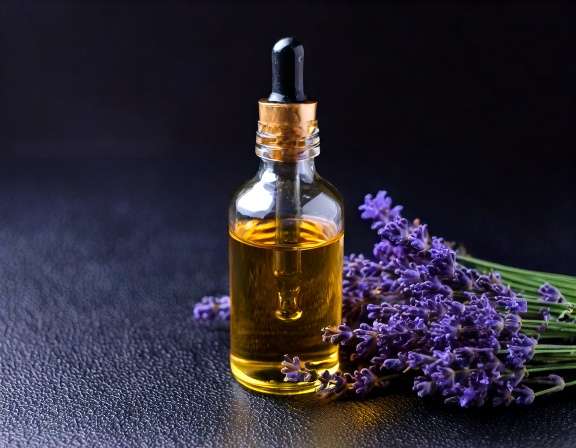
- 1 optional drop lavender essential oil
Stir the oils together in a small clean dish or bottle. One drop of pine in 5 mL of carrier oil is approximately a 1% dilution. Adding the optional lavender drop creates a slightly stronger total dilution, so use it only when that amount feels suitable for your routine.
Patch test the finished blend on a small area of skin first. When it feels comfortable, smooth a small amount over the chest or upper back. Keep the blend away from the face, nostrils, eyes, mucous membranes, and broken skin. Wash your hands after applying it.
Warm Herbal Tea Pairing for a Cozy Wellness Ritual
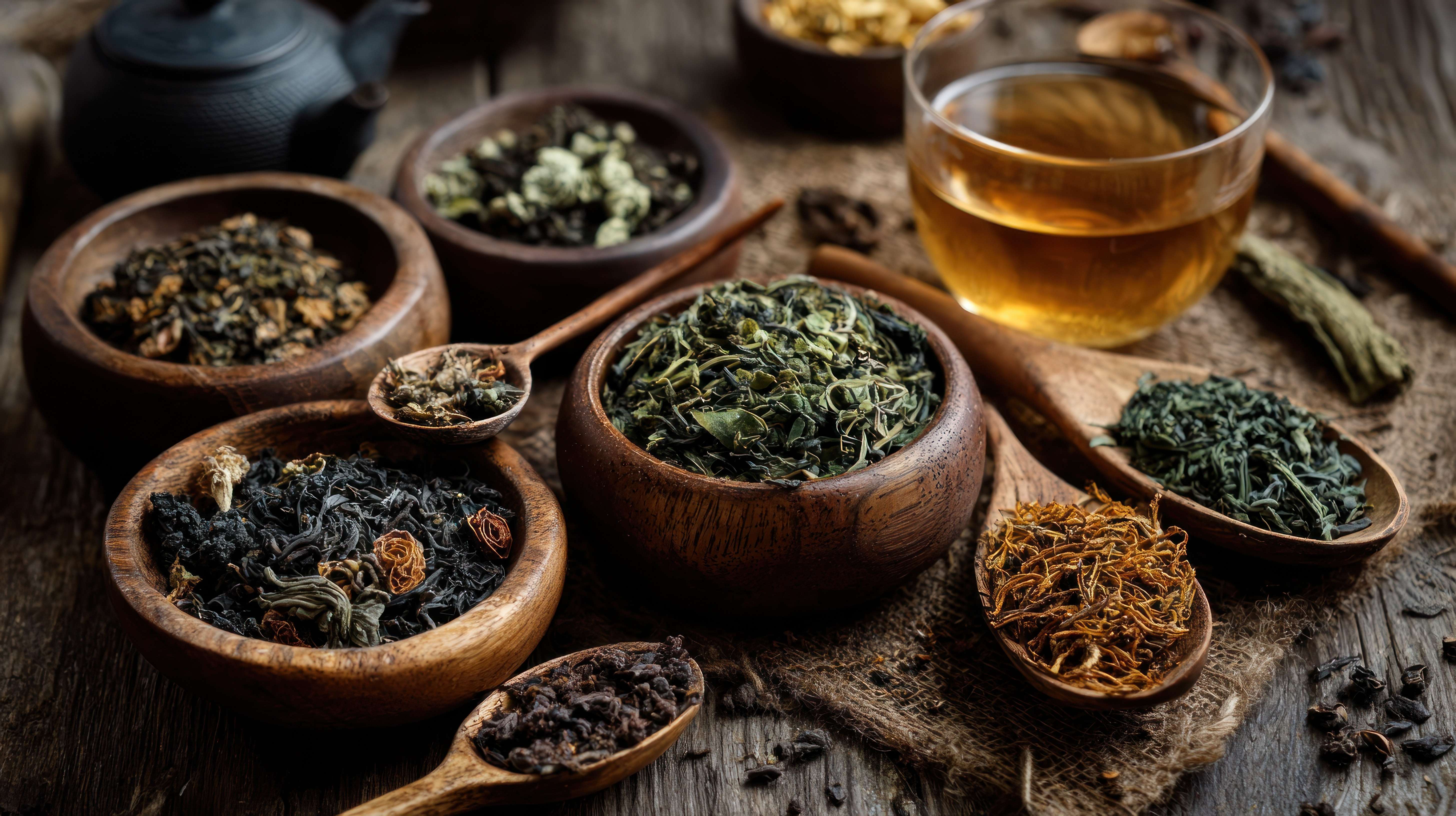
A warm cup of tea pairs beautifully with pine aromatherapy. The tea stays completely separate from the essential oil, which keeps the ritual simple and comfortable.
Ingredients
- 1 teaspoon dried ginger
- 1 teaspoon dried lemon balm
- 1 teaspoon dried thyme
- 2 cups hot water
- Honey and fresh lemon, if desired
Place the herbs in a teapot, mug infuser, or heat-safe jar. Pour in the hot water, cover, and steep for 8 to 10 minutes. Strain the herbs, then add honey or lemon if that suits your taste.
Enjoy the tea beside a diffuser or after applying a diluted chest blend. Pine essential oil belongs in aromatic and topical routines, not in the beverage itself. Ginger, lemon balm, thyme, and peppermint are all lovely choices, so choose herbs that fit your personal preferences and existing health guidance.
How to Choose Pine Essential Oil and Use It Safely
A good bottle begins with a clear label. Look for the Latin binomial, such as Pinus sylvestris for Scots pine, along with the plant part used, country of origin, extraction method, batch number, and supplier details. Many careful suppliers also offer constituent information or GC/MS testing, which shows the oil’s aromatic profile.
Freshness matters. Pine oils are rich in lively aromatic compounds, and older oxidized oils can feel harsher on sensitive skin. Store the bottle tightly closed in a cool, dark cupboard away from heat and sunlight.
Use pine oil with a light hand. Dilute it before skin application, patch test each new blend, and keep it away from eyes and mucous membranes. Short inhalation sessions and a ventilated room keep the experience pleasant.
Pregnancy, breastfeeding, childhood, asthma, reactive airways, epilepsy, hypertension, cardiac concerns, G6PD deficiency, allergies, fragrance sensitivity, and other medical conditions are all good reasons to ask a qualified health professional for personalized guidance. Children, especially infants and young children, need extra care with aromatic products. Keep essential oils away from a child’s face and choose child-appropriate guidance first.
If a scent or blend brings irritation, rash, headache, coughing, or breathing changes, pause use, move into fresh air, and get appropriate support.
Dilution Basics for a Comfortable Topical Blend
For a routine adult chest rub, 1% is a gentle starting point. That is about 1 drop of essential oil per 5 mL, or 1 teaspoon, of carrier oil. It gives you a soft pine aroma without making the blend unnecessarily strong.
Some experienced aromatherapy guidance uses 2% or 3% dilution for brief, localized use by healthy adults. For everyday seasonal comfort, the gentler 1% option is usually enough. Almond oil, jojoba oil, and coconut oil are common carriers, so choose one that suits your skin type and allergy needs.
Pine Needle Oil, Pine Oil, and Product Labels Are Not the Same
An aromatherapy oil distilled from pine needles or twigs is different from pine oil sold for industrial cleaning or fragrance use. The names can sound similar, but their intended uses, labeling, and handling directions may vary.
Choose a bottle clearly intended for aromatherapy use. Check the botanical name, read the supplier’s directions, and keep household cleaning products in their own category. A proper label makes it easier to use your oil with confidence and care.
Frequently Asked Questions
Can pine essential oil go into herbal tea?
Pine essential oil is best kept out of beverages. Enjoy your herbal tea as a separate part of the ritual, then use pine oil through a diffuser, tissue inhalation, or a properly diluted topical blend. This keeps both parts of your wellness routine simple.
What does Scots pine essential oil smell like?
Scots pine has a crisp, green, resinous scent. Many people describe it as forest-like, fresh, and slightly dry, with a familiar evergreen character. It blends well with lemon, lavender, eucalyptus, cedarwood, and rosemary.
How long does pine essential oil stay fresh?
A tightly sealed bottle stored in a cool, dark place often stays pleasant for years, though the exact timeline depends on the supplier and storage conditions. Check the bottle’s best-by guidance and pay attention to major changes in aroma, color, or texture.
Can I use pine essential oil in the shower?
A shower can be a lovely place for a light pine aroma. Add 1 drop to a washcloth placed away from the direct water stream, or use a properly diluted body oil after bathing. Keep the oil away from the face and use a small amount at first.
Can pine oil be used around pets?
Pets have their own sensitivities to scent. Use aromatic oils in a large, ventilated room, offer pets a clear way to leave the space, and keep bottles securely stored. A veterinarian familiar with your pet’s health needs can offer tailored guidance.
A Fresh, Thoughtful Pine Ritual
Pine essential oil can bring a fresh, comforting sensory experience to seasonal wellness days. A short diffuser session, a gentle 1% chest blend, and a warm herbal tea are three easy ways to enjoy its clean evergreen aroma.
Choose a well-labeled oil, store it with care, and start slowly. Thoughtful use keeps pine aromatherapy simple, comforting, and easy to enjoy alongside your personal health guidance and professional care when needed.
Stay Connected for More Natural Living Inspiration
If you enjoyed this post about herbal wellness and love discovering natural ways to refresh your home and wellness, don’t miss out on future recipes and clean-living tips! Subscribe to the blog for weekly DIYs, wellness inspiration, and herbal remedies delivered straight to your inbox.
Don’t forget to visit my Amazon storefront for the links to my favorite essential oils, herbal teas, and natural recipes. I also create YouTube ambiance videos for sleeping; a channel I created to help people who have trouble sleeping. The link to all social media content is here.
Thanks for coming by!

Leave a Reply