
(DISCLAIMER: I am not a doctor, and you should consult your healthcare professional before starting any health regimen. Product links are commissioned and supports the blog)

Key Takeaways
- Dilution matters. Peppermint oil should always be mixed well before it touches your mouth.
- Swish and spit. Do not swallow pure essential oil.
- Keep it simple. A small amount goes a long way.
- Oral care still comes first. Brushing, flossing, tongue cleaning, and water matter more than any minty shortcut.
- It is not a fix for dental problems. Bad breath from gum disease, cavities, or infection needs real treatment.
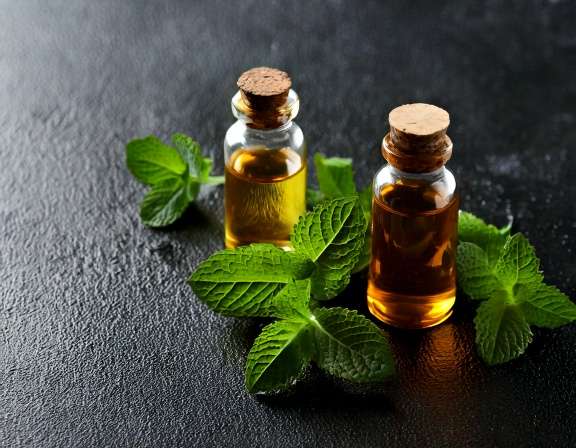
A minty mouth can feel cleaner in seconds, which is why peppermint essential oil gets so much attention for fresh breath. It can do more than mask odors, too. When used the right way, it may help reduce odor-causing bacteria and leave your mouth feeling cooler and cleaner.
The catch is simple: strong essential oil is not harmless. Safe use depends on dilution, small amounts, and a few smart habits. Keep reading for easy methods that fit into a normal oral-care routine without turning your bathroom shelf into a chemistry set.
Why peppermint oil can make your mouth feel fresher
Peppermint oil is popular because it has a clean scent and a cooling feel. That coolness comes from menthol, which makes your mouth seem fresher even before the smell fades. It may also help reduce some of the bacteria that feed on food particles and tongue buildup.
A dry mouth often makes breath worse. Peppermint can encourage a fresher mouth feel and may support saliva flow for some people. Saliva matters because it helps wash away tiny bits of food.
What causes bad breath in the first place
Bad breath often starts with trapped food, tongue coating, dry mouth, smoking, or gum problems. Coffee and garlic can make it louder for a while, but the root cause is usually bacteria. That is why mint alone can only do so much.
Why a fresh smell is not the same as a healthy mouth
A minty smell can cover odor for a short time, like opening a window in a stuffy room. A healthier mouth comes from lowering bacteria and cleaning well. Peppermint oil can support that effort, but it cannot replace brushing, flossing, or dental care.
Seven safe ways to use peppermint oil for fresher breath
Mix one drop into a gentle mouth rinse
Add 1 drop of peppermint essential oil to 1 to 2 cups of water, then stir or shake well. Swish for 20 to 30 seconds and spit it out. This works best as an occasional refresher, not a replacement for your normal routine.
Use peppermint oil in a homemade breath spray
For a quick spray, combine 3 tablespoons distilled water, 1 tablespoon vodka, and 1 drop peppermint oil in a small spray bottle. Shake before each use, then mist once or twice into the mouth. It is handy after meals or before you head out.
Add a tiny amount to coconut oil for oil pulling
Mix 1 teaspoon of coconut oil with 1 drop of peppermint oil. Swish it gently for 5 to 10 minutes, then spit it into the trash. Do this a few times a week at most. Keep the amount small, because more is not better here.
Brush with a diluted peppermint blend
You can mix a single drop into a dab of toothpaste in your palm before brushing. Some people prefer to add it to a brush only after the toothpaste is already on. Either way, do not apply peppermint oil straight to your gums or teeth.
Rinse after meals when you need a quick reset
After garlic, coffee, or lunch, a diluted rinse can help your mouth feel more neutral. This is useful when brushing is not possible right away. Still, water, flossing, and a proper brush later on do the real cleaning.
Use peppermint oil with tongue cleaning
A tongue scraper or soft tongue brush can do a lot for breath. If you want to pair it with peppermint oil, keep the oil very diluted and use only a tiny amount on the tool. Tongue buildup is one of the most common breath culprits.
Try it as part of a nighttime fresh breath routine
Night is when dry mouth tends to show up. Brush, floss, clean your tongue, and then use one safe peppermint method if it fits your routine. If you like herbal oral care, a mouth-safe oil such as clove essential oil for oral health is another topic worth exploring, but peppermint alone is enough for a simple evening habit.
Simple recipes readers can make at home
A small recipe can make the process easier, especially if you want the same result every time.
Quick peppermint breath spray recipe
Mix:
- 3 tablespoons distilled water
- 1 tablespoon vodka
- 1 drop peppermint essential oil
Pour into a 1-ounce spray bottle. Shake well before each use. Spray lightly into the mouth, one or two times at a time.
Store it in a cool, dark place and use it within a few weeks. If it smells off or looks separated in a strange way, make a fresh batch.
Gentle peppermint oil pulling blend
Mix:
- 1 teaspoon coconut oil
- 1 drop peppermint essential oil
Swish for 5 to 10 minutes, then spit it out. The best time is usually morning, before breakfast. Never swallow the mixture.
How to use peppermint oil safely around your mouth
Peppermint essential oil is strong enough to irritate delicate tissue. Use only small amounts, keep it away from your eyes, and never use it neat on your mouth. Quality matters too, so choose a product made for essential oil use, not a fragrance blend.
If it burns, stings, or tastes harsh, stop right away and rinse with water.
Signs you are using too much
Too much peppermint oil can cause burning, mouth irritation, nausea, or a headache. Some people also feel a dry or scratchy mouth. If that happens, stop using it and rinse well.
Who should ask a dentist or doctor first
People with ongoing bad breath, gum disease, mouth sores, peppermint allergy, pregnancy concerns, or young children should get professional advice first. Anyone with reflux or sensitive stomach issues should be careful with oral use as well.
When fresh breath needs more than peppermint oil
If bad breath keeps coming back, the problem may be cavities, gum disease, dry mouth, or a digestive issue. A minty rinse can hide the smell for a while, but it will not fix the source.
If good brushing, flossing, tongue cleaning, and safe home care do not help within a couple of weeks, a dental visit is the next step. Breath often tells the truth before the rest of the mouth does.
Conclusion
Peppermint oil can be a helpful tool for fresher breath when you use it with care. The best results come from small amounts, proper dilution, and simple routines that support, not replace, daily oral hygiene.
Keep the methods gentle, spit out what should not be swallowed, and pair peppermint with brushing, flossing, water, and regular dental visits. That is the kind of fresh breath that lasts longer than the mint.
Stay Connected for More Natural Living Inspiration
If you enjoyed this post about herbal wellness and love discovering natural ways to refresh your home and wellness, don’t miss out on future recipes and clean-living tips! Subscribe to the blog for weekly DIYs, wellness inspiration, and herbal remedies delivered straight to your inbox.
Don’t forget to visit my Amazon storefront for the links to my favorite essential oils, herbal teas, and natural recipes. I also create YouTube ambiance videos for sleeping; a channel I created to help people who have trouble sleeping. The link to all social media content is here.
Thanks for coming by!


Leave a Reply