
(DISCLAIMER: I am not a doctor, and you should consult your healthcare professional before starting any health regimen. Product links are commissioned and supports the blog)

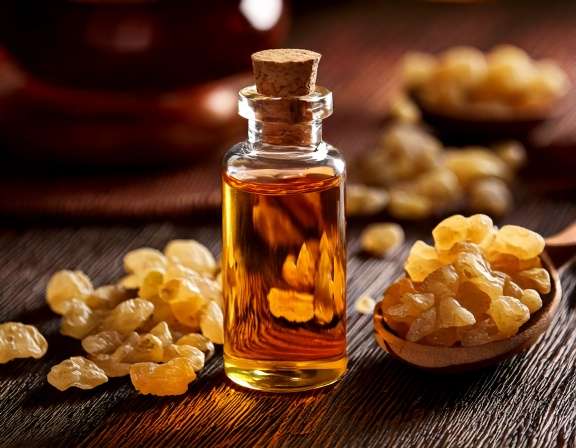
Frankincense essential oil brings a warm, resinous scent that feels calm without smelling heavy. Its earthy aroma pairs beautifully with bright citrus, making everyday cleaning feel less sharp and chemical.
For health-conscious households, homemade cleaners offer a simple way to control ingredients and reduce disposable packaging. These frankincense essential oil recipes target common kitchen and bathroom messes, while basic cleaning and safety habits do the important work. Start with the recipe that matches your surface.
Key Takeaways for Using Frankincense Essential Oil in Homemade Cleaners
- Frankincense pairs well with lemon and sweet orange for a fresh, grounded scent.
- White vinegar helps loosen mineral buildup and some greasy residue on suitable surfaces.
- Baking soda provides a gentle scrub for tubs, sinks, and dirty grout.
- Essential oils need proper dilution, and they don’t mix evenly with plain water.
- Label homemade cleaners, store them safely, and test each mixture on a hidden area first.
For more ideas, explore these non-toxic cleaning products with essential oils before building a larger cleaning routine.
Natural Cleaning Recipes That Use Frankincense Essential Oil
Frankincense essential oil works best as part of a diluted spray, mild scrub, or low-foam floor cleaner. The recipes below suit routine cleaning on appropriate sealed surfaces. They don’t replace medical-grade disinfectants, especially when a product label calls for a registered disinfectant.
Use clean bottles and fresh ingredients for every batch. Since essential oils can separate from water, shake sprays before each use and wipe surfaces with a clean cloth afterward.
Citrus and Frankincense All-Purpose Spray for Counters and Sinks
This bright blend combines frankincense with lemon and sweet orange. Orange oil contains d-limonene, a citrus compound often used in products that target greasy residue. You can find more practical ideas in this guide to orange oil for DIY cleaners.
Ingredients
- 14 fluid ounces water, preferably distilled
- 1/2 to 1 fluid ounce white vinegar
- 20 drops frankincense essential oil
- 20 drops lemon essential oil
- 20 drops sweet orange essential oil
- A suitable essential-oil solubilizer, used according to its label
Add the water and vinegar to a clean 16-ounce spray bottle. Leave a little room at the top so you can shake the mixture without pressure building inside the bottle. Follow the solubilizer instructions, then add the essential oils.
Shake well before every use. Spray sealed countertops, sinks, appliance exteriors, and bathroom fixtures, then wipe with a clean cloth. Avoid unfinished wood, natural stone, and delicate coatings until you’ve tested a hidden spot.
This recipe makes about 15 ounces. Label the bottle with its ingredients and date, then store it in a cool cabinet away from children and pets. Make a small batch rather than keeping it for months.
Frankincense and Vinegar Spray for Bathroom Fixtures
Vinegar works well against light soap film and mineral residue on many hard, nonporous bathroom surfaces. This formula suits faucets, porcelain sinks, tubs, and shower walls, but its acidity makes it unsuitable for stone.
Ingredients
- 1 cup white vinegar
- 1 cup distilled water
- 5 to 8 drops frankincense essential oil
- About 7 drops lemon or sweet orange essential oil
Combine the vinegar, water, and oils in a labeled spray bottle. Shake the bottle before spraying because the oils will separate. Apply a light coating to a suitable fixture and allow it to sit for two to three minutes.
Wipe with a soft cloth or non-scratch sponge. Rinse the surface when residue remains, especially around faucets and shower hardware. Use ventilation because vinegar’s smell can become strong in a small bathroom.
The recipe yields about 2 cups. Don’t use it on marble, granite, limestone, travertine, or other acid-sensitive stone. Vinegar can also damage certain metals, waxed wood, and specialty finishes, so check the manufacturer’s care instructions first.
Never combine vinegar with bleach. The mixture can release irritating chlorine gas.
Baking Soda and Frankincense Scrub for Tubs and Grout
Baking soda gives this paste mild abrasive power without the rough texture of scouring powder. Frankincense adds a warm scent while castile soap helps lift everyday grime.
Ingredients
- 1 cup baking soda
- 2 to 3 tablespoons unscented liquid castile soap or water
- 8 to 10 drops frankincense essential oil
Place the baking soda in a small bowl and stir in the essential oil. Add castile soap or water a little at a time until the mixture becomes a spreadable paste. A thinner paste works well on tubs, while a thicker blend stays in place on grout.
Apply it to soap scum, dirty grout, and the base of a tub. Let the paste sit for about five minutes, then scrub gently with a soft brush or sponge. Rinse the area well and remove any remaining powder.
This makes roughly 1 cup of scrub. Prepare it fresh or store it in a sealed glass jar for a short period. Keep water out of the jar, since added moisture can shorten its useful life.
Baking soda is mildly abrasive. Use light pressure on acrylic tubs, glossy finishes, and painted surfaces, and test a hidden area before treating the whole fixture.
Frankincense and Castile Soap Floor Cleaner for Sealed Tile
A small amount of castile soap can clean sealed tile and vinyl floors without creating a mountain of suds. Too much soap, however, leaves a dull film that attracts more soil.
Ingredients
- 1 gallon warm water
- 1 tablespoon unscented liquid castile soap
- 8 to 10 drops frankincense essential oil
Blend the frankincense oil into the castile soap first. This helps distribute the oil through the soap before you add the mixture to the gallon of warm water. Stir gently rather than whipping up foam.
Dip a mop into the bucket and wring it well. The mop should feel damp, not dripping. Clean the floor in sections, then allow the surface to dry fully before walking across it.
This recipe makes one gallon, enough for a standard floor-cleaning session. Discard leftover water instead of storing it, and wash the mop head after use. Use the mixture sparingly on sealed tile and vinyl, but avoid unsealed wood or any surface that shouldn’t become wet.
A Quick Frankincense Sink and Toilet Bowl Freshener
This small-batch powder freshens a damp sink or toilet bowl and helps lift light soil. It focuses on odor control and gentle scrubbing, not disinfection.
Ingredients
- 1/2 cup baking soda
- 8 to 10 drops frankincense essential oil
- Optional: 3 to 5 drops lemon essential oil
Stir the oils into the baking soda until the powder smells even throughout. Sprinkle it into a damp sink or toilet bowl, keeping the powder away from your face while applying it.
Let the mixture sit for about five minutes. Scrub the sink with a soft sponge or the bowl with a toilet brush, then rinse or flush thoroughly. Use a small amount at a time to limit powdery residue.
The recipe yields enough for one or two uses. Store it in a labeled, sealed jar in a dry cabinet. Never add it to a bowl containing commercial toilet cleaner, bleach, or another chemical.
How to Use Frankincense Cleaners Safely and Effectively
Essential oils don’t dissolve evenly in plain water. Some of the oil may float on top, which can create uneven exposure on a cloth or surface. A suitable solubilizer can help disperse the oils, but it must match the product directions. Shaking the bottle before every use remains important.
Choose glass or a bottle labeled compatible with essential oils. Mark each container with the ingredients and date. Small batches are easier to monitor, and cool storage away from heat, sunlight, children, and pets protects the mixture and your household.
Test every cleaner on a small hidden area first. Wait until the spot dries before checking for dullness, discoloration, swelling, or residue. Wear gloves if your skin reacts to household products, and keep all mixtures away from eyes, broken skin, and food.
Vinegar belongs on suitable nonporous surfaces. It can damage natural stone, some metals, waxed wood, and certain finishes. Baking soda can scratch delicate coatings when you press too hard, so use a soft cloth and gentle movements.
Never mix these recipes with bleach, ammonia, hydrogen peroxide, or commercial cleaners. Even ingredients that seem mild can create harmful fumes when combined. Open a window or run the bathroom fan during use.
Fragrance preferences vary, and essential oil sensitivities vary too. Use fewer drops if the scent feels strong, and stop using a blend if it causes skin or breathing discomfort.
Frequently Asked Questions
Does frankincense essential oil remove tough grease?
Frankincense contributes fragrance but isn’t a strong grease cutter on its own. For oily kitchen residue, use the citrus blend, allow it a short contact time, and wipe with a cloth suited to the surface.
Can I use these cleaners on a cutting board?
Avoid using the vinegar sprays or scented scrubs as a substitute for proper cutting-board sanitation. Wash the board with hot, soapy water, rinse it, and follow the care instructions for its material.
Will frankincense cleaner remove bathroom mold?
These recipes aren’t mold treatments. Small areas of surface mildew require the cleaning method recommended for your material, while recurring or extensive growth may need professional assessment.
Can I replace white vinegar with apple cider vinegar?
White vinegar is the better choice because it has a clearer appearance and a more predictable cleaning smell. Apple cider vinegar can leave color or residue, especially on pale grout and porous surfaces.
How should I choose between the five recipes?
Use the citrus spray for sealed counters and fixtures, the vinegar spray for suitable bathroom residue, and the baking soda scrub for soap scum. The floor cleaner suits sealed tile or vinyl, while the final powder works best for a quick sink or toilet refresh.
A Fresh, Earthy Finish for Everyday Cleaning
Five small-batch recipes can bring a clean, earthy scent to ordinary kitchen and bathroom routines. Frankincense essential oil works best when it supports sound cleaning habits, careful dilution, and a surface-safe formula.
Start with one labeled spray and test it before wider use. Choose lemon for a sharper finish, sweet orange for a warmer citrus note, or keep the blend softer with frankincense alone. A few careful ingredients can make routine wiping feel more pleasant without promising what a homemade cleaner can’t do.
Stay Connected for More Natural Living Inspiration
If you enjoyed this post about herbal wellness and love discovering natural ways to refresh your home and wellness, don’t miss out on future recipes and clean-living tips! Subscribe to the blog for weekly DIYs, wellness inspiration, and herbal remedies delivered straight to your inbox.
Don’t forget to visit my Amazon storefront for the links to my favorite essential oils, herbal teas, and natural recipes. I also create YouTube ambiance videos for sleeping; a channel I created to help people who have trouble sleeping. The link to all social media content is here.
Thanks for coming by!


Leave a Reply