
(Disclaimer: I am not a doctor, and you should consult your healthcare professional before starting any health regimen. Product links are commissioned and support the blog.)

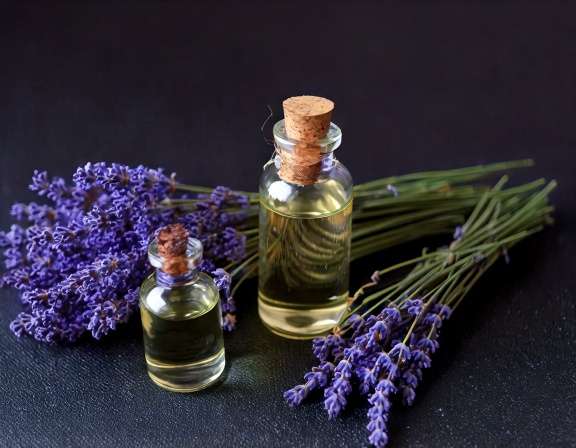
If you have been looking for a natural way to soothe discomfort, you might be interested in the benefits of lavender essential oil for head tension. Many people turn to this floral remedy for its calming properties, but knowing how to apply it properly is essential for a safe and effective experience. In this guide, I will share the best methods for using lavender essential oil to help you find relief and improve your overall sense of well-being.
Key takeaways for using lavender essential oil safely
- Use dilution on skin. Lavender essential oil should never go straight onto your skin. A carrier oil lowers the chance of redness or stinging.
- Start with the lowest amount. A 1% blend is a smart starting point for adults. If that feels fine, you can move up carefully.
- Inhalers need no carrier oil. They are made for smelling, not skin use, so the oil goes on the wick only.
- Warm compresses should stay gentle. Use warm, not hot, water, and keep the cloth damp rather than soaking wet.
- Stop if it bothers you. If the scent feels sharp, or your skin gets itchy or warm, stop right away.
- Check with a clinician first if you are pregnant, breastfeeding, treating a child, or have sensitive skin.
A tight band across the forehead can make the whole day feel smaller. So can the heavy, pressurized feeling behind the eyes, especially when your neck feels stiff and your shoulders stay lifted.
Lavender essential oil is a popular choice for those seeking a calming and relaxing experience, but the method matters as much as the scent. When using it topically, always mix it with a carrier oil to keep your skin safe. The best approach is to keep your applications simple, low-dose, and easy to repeat without overwhelming your senses.
This guide keeps things practical. You will see when lavender may help head tension, how to use it in massage oil, inhalers, and warm compresses, and how to keep each method gentle.
Small amounts work best. With essential oils, more can mean more irritation.
Why lavender essential oil is a favorite for head tension
Lavender has a soft, familiar scent that many people link with rest and ease. That is one reason it shows up in routines for lavender oil for pain relief, especially when stress pulls at the neck, jaw, and scalp. When seeking support for head tension, it is important to choose the right plant species. Lavandula angustifolia, or true lavender, is generally the preferred choice for relaxation, whereas grosso lavender is often higher in camphor, which can be more stimulating than soothing.
The strongest support is for inhalation. Smelling lavender may help the body settle, which can matter when your breathing gets shallow and your shoulders rise. Massage and warm compresses can also feel soothing, especially when the tension sits in the temples, neck, or upper back.
The science behind the scent
The calming properties of the oil are rooted in its chemical composition. The high concentrations of naturally occurring compounds like linalool and linalyl acetate work in harmony to help the nervous system settle, often promoting a state of restful sleep. This extract is typically obtained through steam distillation of the lavender flower, a process that carefully preserves these delicate aromatic compounds.
Historically, this floral extract has been utilized to help manage the symptoms of anxiety disorders, providing a natural background of calm. In the modern day, this translates to a tool that helps lower the volume in a loud room; as head tension often travels with stress, a calm scent can help deepen your breathing and soften tightened muscles.
When lavender may help most
Lavender is often used when head tension seems tied to stress, screen fatigue, or a busy schedule. Because its aroma is light, floral, and clean, it feels restful rather than sharp. This makes it an ideal companion for moments when you need to transition away from a hard workday or prepare for quiet self-care.
That scent can become a powerful cue. After a while, your body may start to associate the smell of lavender with slowing down. Whether you use it after commuting, before bed, or during a short break, the goal is to create a personal ritual for ease. Keep in mind that results vary; some people feel a clear shift in their tension levels, while others notice a more subtle sense of relaxation.
The safest way to use lavender essential oil on skin
Topical application requires careful preparation. Lavender essential oil should never be used undiluted on the temples, forehead, neck, or chest. A carrier oil is essential to spread the product effectively and help minimize potential skin discomfort.
Quality options for a carrier oil include jojoba, sweet almond, coconut oil, and avocado oil. For most adults, a 1% dilution is the ideal starting point. This ratio equates to approximately 6 drops of pure essential oil per 1 oz of carrier oil. A 2% blend is considered stronger and should only be explored if your skin tolerates the lower concentration well.
Patch testing is a vital step, even with a gentle oil like lavender. Apply a small amount of your mixture to the inner forearm and wait 24 hours to monitor for any reaction. Always keep the blend away from the eyes, lips, and broken skin, and remember to wash your hands after application.
How to make a simple massage oil blend
A basic massage oil takes only a moment to prepare.
- Pour 1 oz of your chosen carrier oil into a small glass bottle or a convenient roller bottle.
- Add 6 drops of pure essential oil to create a 1% blend.
- Cap the container and shake it gently to combine.
- Rub a small amount between your palms.
- Massage lightly into the neck, shoulders, or specific pressure points.
Keep your movements soft and gentle. The goal is not to use force to work out a knot, but rather to help your body unclench and find relaxation.
If you prefer a slightly more concentrated mixture, you can use up to 12 drops per 1 oz of carrier oil. However, a stronger blend is not necessarily better for everyone, especially when applying the oil near the face.
How much to use for a gentle adult blend
For beginners, 6 drops per 1 oz of carrier oil is sufficient. This small amount provides the aromatic benefits and skin contact you need without making the blend overly potent.
A little goes a long way when applying the oil near the head, as the skin in this area is delicate and the scent is positioned close to the nose. If the aroma feels too strong, simply dilute the mixture further or use less product during your next application.
Who should be extra careful with skin use
Certain individuals should exercise extra caution with any topical application of essential oils. This includes people with sensitive skin, known fragrance sensitivities, or a history of skin rashes.
Pregnant and breastfeeding individuals should consult with a clinician before incorporating lavender into their wellness routine. The same advice applies to children. Furthermore, anyone with asthma or a strong sensitivity to scents should proceed slowly, as even a pleasant aroma can sometimes feel overwhelming.
Using lavender in an inhaler for fast, portable relief
A personal aromatherapy inhaler is one of the easiest ways to utilize essential oils. It is small, dry, and tidy, which makes it an excellent choice for use at work, in a car, or while traveling.
Because this method relies on aromatic use, inhalers do not require a carrier oil. They are specifically designed for breathing in the scent rather than applying it to the skin. This means you can keep the aroma concentrated without risking skin irritation. If you want a low-mess option, this is often the cleanest solution. It can help at the first sign of tightness, allowing you to address tension before the pressure builds.
How to use a personal aromatherapy inhaler
A basic lavender inhaler is simple to set up for your daily routine.
- Open the inhaler tube and take out the internal wick.
- Carefully add 2 to 6 drops of lavender oil to the wick.
- Place the wick back into the tube and snap the cap on.
- Hold the inhaler near your nose and inhale deeply.
- Take a few slow, gentle breaths of the lavender oil to encourage relaxation.
The scent should feel soft, not sharp. If the aroma feels too strong, use fewer drops the next time you prepare your inhaler. A light, pleasant aroma is usually sufficient for this type of aromatherapy.
When an inhaler is a better choice than massage
An inhaler works well when you do not want to get oil on your hands, hair, or clothes. It is also a smart pick if you are in a public place and need a quick way to manage stress.
Massage makes more sense when the tension feels tied to tight shoulders or a stiff neck. Conversely, an inhaler is often the better choice when the stress feels sudden or when you simply want a few calming breaths to center yourself before you move on with your day.
How to make a warm compress with lavender for neck and head comfort
A warm compress can feel like a small pause in a long day. The gentle heat promotes muscle relaxation, while the soothing lavender scent adds a calming note that helps ease tension.
This method works well for the forehead, temples, or the back of the neck. Keep the temperature mild because hot water can irritate skin quickly. If you prefer to have the aroma throughout the room rather than on your skin, using a diffuser is a great alternative for environmental scent.
Simple warm compress steps
- Fill a bowl with warm water, not hot.
- Add 2 to 4 drops of lavender essential oil. If you enjoy layering scents, you can combine lavender with other oils to create unique essential oil blends for this method.
- Stir the water thoroughly, then soak a clean cloth.
- Wring out the cloth well so it is damp, not dripping.
- Fold it and place it on the forehead, temples, or neck.
Use the compress for 10 to 15 minutes. If the cloth cools too fast, warm it again. If the smell feels too strong, reduce the number of drops next time.
Best ways to use the compress without irritation
Place the compress where the tension sits most clearly. Many people find that applying the cloth to the temples helps with head pressure, while applying it to the neck is effective for general muscle relaxation.
The cloth should feel soothing, not wet and slippery. If any oil spots touch the skin and sting, wash the area with mild soap and water. A few drops of lavender essential oil are plenty for this purpose. Using too much can turn a calming moment into an irritated one, so always start with a smaller amount.
Helpful safety tips before you try any lavender method
Essential oils are highly concentrated plant extracts. That potency is part of their appeal, but it is also the reason why care matters when selecting your products. For the best experience, look for therapeutic grade options or organic lavender sourced from fresh lavender blooms. The quality of the oil often depends on a careful distillation process, which ensures the purity of the final product.
Keep lavender essential oil away from the eyes and mouth. Do not swallow it. Store the bottle out of reach of children and pets. If you are exploring more basics, essential oil safety and usage tips can help you build good habits around handling and dilution.
If a scent triggers a reaction, skip it. Some people are sensitive to fragrance, even when it is a natural one. A calming routine should feel gentle from the start.
Patch testing and skin reaction signs
Patch testing is simple. Put a small amount of diluted lavender blend on the inner forearm and leave it there for a day.
Watch for redness, itching, warmth, or stinging. If any of that appears, wash the area and stop using the blend. A small reaction is still a clear sign to back off.
When to ask a clinician first
Check with a clinician before using lavender if you are pregnant, breastfeeding, or giving it to a young child. Ask first if your headaches are new, severe, frequent, or different from usual.
It also makes sense to ask about essential oils if you have a medical condition or take regular medication. Head tension can have many causes, and a home remedy should always stay in its lane.
Frequently Asked Questions
Can I apply lavender essential oil directly to my skin without dilution?
No, you should never apply pure lavender essential oil directly to your skin. Always mix it with a carrier oil like jojoba or sweet almond oil to prevent irritation, redness, or stinging.
Is it safe to use lavender essential oil if I am pregnant?
It is best to consult with your healthcare provider before using any essential oils if you are pregnant or breastfeeding. They can provide personalized advice based on your medical history and specific needs.
How many drops of oil should I use for a safe massage blend?
For most adults, a 1% dilution is the ideal starting point, which equals about 6 drops of essential oil per 1 oz of carrier oil. Using too much oil can lead to skin sensitivity, so it is always better to start low and adjust if necessary.
Conclusion
Lavender essential oil can be a gentle part of a head tension routine when you use it with care. The safest approaches stay simple, whether you choose a diluted massage oil, a personal inhaler, or a warm compress. Incorporating lavender oil into your self-care routine provides a calming and relaxing way to handle daily stress and tension.
Start small, keep the scent light, and listen to your skin and your body. When a tight forehead or heavy neck shows up, the right lavender essential oil method can feel like a quiet reset.
Stay Connected for More Natural Living Inspiration
If you enjoyed this post about herbal wellness and love discovering natural ways to refresh your home and wellness, don’t miss out on future recipes and clean-living tips! Subscribe to the blog for weekly DIYs, wellness inspiration, and herbal remedies delivered straight to your inbox.
Don’t forget to visit my Amazon storefront for the links to my favorite essential oils, herbal teas, and natural recipes. I also create YouTube ambiance videos for sleeping; a channel I created to help people who have trouble sleeping. The link to all social media content is here.
Thanks for coming by!

Leave a Reply