

(DISCLAIMER: I am not a doctor, and you should consult your healthcare professional before starting any health regimen.)

Fleas driving you and your pets up the wall? You’re not alone, and you don’t have to resort to harsh chemicals. Explore how natural flea repellents like essential oils can offer a safer solution. From peppermint oil for fleas to lavender oil for flea prevention, these natural options promise peace of mind. Stick around to learn about easy DIY flea spray recipes and tips for keeping your home pest-free. Your pets deserve comfort, and with a natural approach, you can achieve it
Essential oils offer a natural and effective approach to flea control. Let’s explore why these aromatic compounds are gaining popularity among pet owners seeking safer alternatives to chemical pesticides.
Natural Flea Repellents Explained
Natural flea repellents, such as essential oils, work by exploiting fleas’ sensitivity to certain plant-derived compounds. These oils contain potent aromatic molecules that deter fleas from approaching treated areas or pets.
The mechanism of action often involves overwhelming the fleas’ sensory receptors, making it difficult for them to locate hosts. Some oils also disrupt the flea life cycle, preventing eggs from hatching or larvae from developing.
Essential oils for fleas can be applied topically, used in sprays, or diffused in living spaces to create an inhospitable environment for these pests.
Why Choose Organic Pest Control
Organic pest control methods, including essential oils, offer several advantages over conventional chemical treatments. These natural solutions are often gentler on pets and the environment.
Chemical pesticides can pose risks to pet health, potentially causing skin irritation, respiratory issues, or more severe side effects. In contrast, properly diluted essential oils typically have fewer adverse reactions.
Organic options also reduce the risk of pesticide resistance, a growing concern with traditional flea treatments. By choosing natural remedies, pet owners contribute to a healthier ecosystem while effectively managing flea infestations.
Elevating Pet Care with Essential Oils
Incorporating essential oils into pet care routines can enhance overall well-being beyond flea prevention. Many oils offer additional benefits such as skin soothing properties or stress reduction.
For instance, lavender oil not only repels fleas but also promotes relaxation in anxious pets. Peppermint oil can refresh your pet’s coat while deterring pests.
When used responsibly, essential oils can transform flea prevention from a necessary chore into a pleasant, bonding experience for pets and their owners. This holistic approach to pet care aligns with the growing trend towards natural wellness solutions.
Popular Oils for Flea Prevention
Several essential oils have proven particularly effective in repelling fleas. Let’s examine some of the most popular options and their unique properties.
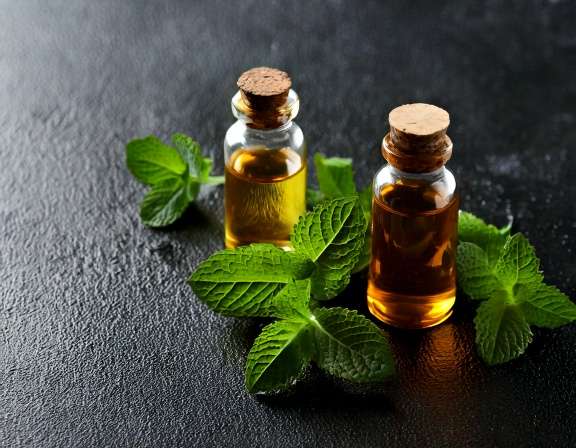
Peppermint Oil for Fleas
Peppermint oil stands out as a powerful natural flea repellent. Its strong, minty scent is overwhelming to fleas, effectively keeping them at bay.
This versatile oil not only repels fleas but also offers a cooling sensation that can soothe irritated skin. When diluted properly, peppermint oil can be safely applied to your pet’s collar or bedding.
For an extra boost of protection, consider combining peppermint oil with other flea-repelling essential oils in a DIY flea spray. Remember to always dilute essential oils before use and consult with a veterinarian if you have any concerns.
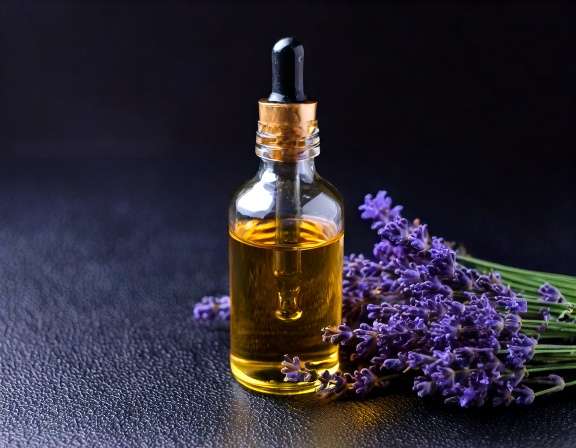
Lavender Oil for Flea Prevention
Lavender oil is renowned for its calming properties, but it’s also an excellent choice for flea prevention. Its sweet, floral scent is pleasant to humans but repulsive to fleas.
This gentle oil is often well-tolerated by pets, making it a popular choice for those with sensitive skin. Lavender oil can be used in various applications, from adding a few drops to your pet’s shampoo to creating a soothing spray for their bedding.
Beyond its flea-repelling capabilities, lavender oil can help reduce anxiety in pets, making it particularly useful during flea treatment sessions or other stressful situations.
Rosemary and Thyme’s Role
Rosemary and thyme essential oils are powerful allies in the fight against fleas. These herbs have been used for centuries in natural medicine and pest control.
Rosemary oil contains compounds that repel fleas and other insects effectively. It also promotes healthy skin and coat, making it a dual-purpose addition to your pet care routine.
Thyme oil, with its strong herbaceous scent, is another excellent flea deterrent. It’s known for its antiseptic properties, which can help prevent secondary infections from flea bites.
Effective Application Techniques
Proper application of essential oils is crucial for maximizing their flea-repelling benefits while ensuring your pet’s safety. Let’s explore the best practices for using these natural solutions.
Safe Dilution Guidelines
Diluting essential oils correctly is vital to prevent skin irritation and other adverse reactions in pets. Always use a carrier oil like coconut or olive oil to dilute essential oils before application.
A general rule of thumb is to use a 0.5-1% dilution for dogs, which translates to 1-2 drops of essential oil per tablespoon of carrier oil. For cats, who are more sensitive, use even lower concentrations or consult a veterinarian.
Never apply undiluted essential oils directly to your pet’s skin, and always perform a patch test before full application to check for any adverse reactions.
Application Methods for Pets
There are several safe and effective ways to apply essential oils for flea prevention on pets:
- Collar application: Add a few drops of diluted oil to your pet’s collar or a bandana.
- Spray method: Create a diluted spray to mist your pet’s coat lightly.
- Bedding treatment: Apply diluted oils to your pet’s bedding or favorite resting spots.
- Diffusion: Use a pet-safe essential oil diffuser in your home to create a flea-repelling atmosphere.
Always monitor your pet for any signs of discomfort or allergic reactions when introducing new essential oils.
DIY Flea Spray Recipe
Creating your own flea spray allows you to customize the formula to your pet’s needs. Here’s a simple recipe to get you started:
Ingredients:
- 1 cup distilled water
- 2 drops Peppermint Essential Oil
- 2 drops Lavender Essential Oil
- 1 tablespoon apple cider vinegar
Instructions:
- Combine all ingredients in a spray bottle.
- Shake well before each use.
- Lightly mist your pet’s coat, avoiding the face and eyes.
This natural spray can be used daily or as needed for flea prevention. Always test on a small area first to ensure your pet tolerates the mixture well.
Combining Oils with Other Remedies
Essential oils can be even more effective when used in conjunction with other natural flea control methods. Let’s explore how to create a comprehensive flea prevention strategy.
Integrating Oils with Herbal Solutions
Combining essential oils with herbal remedies can create a powerful, multi-faceted approach to flea control. Herbs like neem, eucalyptus, and cedarwood complement the effects of essential oils.
Consider creating an herbal flea powder by mixing diatomaceous earth with dried herbs and a few drops of essential oil. This can be sprinkled on carpets and pet bedding for added protection.
Another option is to brew strong herbal teas using flea-repelling herbs, then add a few drops of essential oil to create a potent spray for your home and yard.
Complementary Natural Flea Control Strategies
In addition to essential oils and herbs, there are several other natural strategies to enhance your flea prevention efforts:
- Regular vacuuming and washing of pet bedding
- Using a flea comb to manually remove fleas and eggs
- Maintaining a well-groomed lawn to reduce outdoor flea populations
- Introducing beneficial nematodes to your garden to control flea larvae
Pet owners on Reddit have shared success stories combining these methods with essential oil treatments for comprehensive flea control.
Scientific Research and Insights
While anecdotal evidence supports the use of essential oils for flea control, scientific research provides valuable insights into their effectiveness and safety.
Studies on Essential Oils’ Effectiveness
Several studies have examined the flea-repelling properties of essential oils:
- A 2009 study in the Journal of Medical Entomology found that peppermint oil showed significant repellent activity against cat fleas.
- Research published in Parasitology Research in 2014 demonstrated that lavender oil effectively repelled and killed fleas in laboratory tests.
- A 2018 study in Scientific Reports revealed that a combination of thyme and cinnamon oils was highly effective against flea larvae.
These findings support the use of essential oils as part of a natural flea control strategy, though more research is needed to fully understand their long-term efficacy and safety.
Real-Life Success Stories and Tips
Many pet owners have successfully incorporated essential oils into their flea prevention routines. Here are some tips and experiences shared by users:
- Consistency is key: Regular application yields the best results.
- Combine methods: Use essential oils alongside other natural flea control techniques for maximum effectiveness.
- Observe your pet: Pay attention to how your pet responds to different oils and adjust as needed.
- Start slowly: Introduce new oils gradually to ensure your pet tolerates them well.
“I’ve been using a lavender and peppermint oil spray on my dog’s bedding for months, and we haven’t seen a single flea!” – Sarah, dog owner
Remember, while essential oils can be highly effective, they should be part of a comprehensive flea prevention plan tailored to your pet’s specific needs.
Conclusion
Incorporating essential oils into your pet care regimen offers a natural and holistic approach to flea prevention, aligning with the increasing preference for eco-friendly and gentle alternatives. These potent plant extracts not only help keep fleas at bay but also enhance overall pet wellness through their additional therapeutic properties. By understanding the various benefits and safe application methods, you can harness the power of essential oils to create a more comfortable and pest-free environment for your furry companions. Embrace this natural solution as part of a comprehensive flea control strategy and enjoy the peace of mind that comes with choosing sustainable, effective care for your pets.
Stay Connected for More Natural Living Inspiration
If you enjoyed this post about herbal wellness and love discovering natural ways to refresh your home and wellness, don’t miss out on future recipes and clean-living tips! Subscribe to the blog for weekly DIYs, wellness inspiration, and herbal remedies delivered straight to your inbox.
Don’t forget to visit my Amazon storefront for the links to my favorite essential oils, herbal teas, and natural recipes. I also create YouTube ambiance videos for sleeping; a channel I created to help people who have trouble sleeping. The link to all social media content is here.
Thanks for coming by!

Leave a Reply