
(DISCLAIMER: I am not a doctor, and you should consult your healthcare professional before starting any health regimen. Product links are commissioned and supports the blog)

When pollen season arrives, millions deal with sneezing, itchy eyes, and stuffy noses. Traditional allergy medicines can help, but they often leave people wanting options with fewer side effects. Natural allergy relief has become a popular choice, with essential oils for allergies standing out for their soothing effects and pleasant scents.
If you’re tired of relying only on pills or sprays, you’re not alone. Many turn to diffuser blends for pollen and other natural remedies to breathe easier and support their well-being. In this guide, you’ll discover the top five essential oils for allergies, plus simple tips on how to use them safely and effectively for the best results.
Understanding Seasonal Allergies and Essential Oil Benefits
Seasonal allergies, or hay fever, strike when trees, grass, or weeds release pollen into the air. This surge in pollen trips up your immune system if it sees these proteins as threats. The results aren’t subtle, think sneezing, watery eyes, a scratchy throat, and a running or clogged nose. Many people also feel tired or irritable, especially on high pollen days.
Allergic reactions begin when pollen triggers your body to release histamines. These chemicals cause inflammation and your nose swells up, your eyes get red and itchy, and breathing feels like a struggle. Over-the-counter allergy meds help many, but they can leave you dry-mouthed or drowsy. It’s no wonder so many look for other ways to get natural allergy relief.
What Are Seasonal Allergies?
Seasonal allergies show up year after year, often in spring or late summer. Common triggers are:
- Tree pollen (spring)
- Grass pollen (late spring and summer)
- Weed pollen (late summer and fall)
- Mold spores (damp, rainy months)
Symptoms can range from mild discomfort to symptoms that wreck your day. Typical signs include:
- Runny or blocked nose
- Itchy, watery eyes
- Frequent sneezing
- Itchy throat or ears
- Fatigue
If you’re feeling a combination of these every spring or fall, you’re not alone. Millions share your struggle.
How Essential Oils Help With Natural Allergy Relief
Essential oils for allergies aren’t just about pleasant scents, they pack real benefits. Certain oils work by calming down the body’s response to allergens. They may ease inflammation, open nasal passages, and make breathing easier. Some oils can also tackle germs that ride along with pollen, like bacteria or fungi.
Here’s how they work their magic:
- Reduction of inflammation: Oils like eucalyptus and tea tree contain compounds that may help curb the body’s inflammatory response.
- Clearing airways: Peppermint and eucalyptus oils can help break up mucus and make breathing smoother.
- Soothing irritated skin and eyes: Lavender and chamomile provide a gentle, calming effect for itchy skin or watery eyes.
- Supporting immune health: A few oils may bolster your immune system, making you less reactive to allergens.
Using these oils with a diffuser blend for pollen lets you breathe in these soothing scents right when particles are floating in the air. In fact, studies point out that some essential oils, like eucalyptus, help by opening sinuses and breaking up congestion, which you can read about in this Healthline guide to essential oils for allergies.
Not every oil works for everyone, but the right pick, paired with smart use, provides a gentle, refreshing way to fight back against seasonal sniffles. If you want a deeper dive into which oils work best and how to use them, check out this helpful overview of essential oils for seasonal allergies .
Top 5 Essential Oils for Seasonal Allergies
Finding the right essential oils for allergies can transform pollen season from a struggle into something much more manageable. Certain oils stand out for their natural allergy relief, thanks to strong anti-inflammatory, soothing, and antimicrobial effects. If you want to support your wellness routine with less reliance on medication and more natural solutions, these five essential oils deserve a spot in your diffuser blend for pollen.
Lavender Essential Oil
Lavender essential oil is a favorite for allergy season, and for good reason. It provides natural anti-inflammatory and calming effects that target itchiness, watery eyes, and irritated throats. Research suggests inhaling lavender oil can even suppress allergic airway inflammation, helping reduce coughing, sneezing, and throat irritation for those fighting pollen overload. A 2014 study in a mouse model found that lavender oil inhalation curbed allergic airway inflammation and improved breathing comfort (PubMed). Thanks to its gentle nature, lavender can also safely soothe sensitive skin and calm irritation on contact, making it ideal for both airborne and skin-related symptoms (Medical News Today).
Key Benefits:
- Calms itchy eyes and throat
- Reduces inflammation, supporting easier breathing
- Gentle for use on skin, diluted with a carrier oil
Peppermint Essential Oil
Peppermint essential oil delivers fast relief when nasal passages feel blocked and pressure builds up. Its high menthol content works as a decongestant, quickly clearing clogged sinuses and easing pressure. Breathing in peppermint oil can make a noticeable difference if you’re struggling with stuffy or swollen nasal passages. According to American Sinus Institute, peppermint’s invigorating scent helps widen airways, making exhalation and inhalation feel easier almost right away. For those dealing with allergy headaches or facial pressure, peppermint doubles as a tension-relieving oil as well.
Key Benefits:
- Opens congested sinuses and relieves pressure
- Menthol offers a cooling, soothing sensation
- Fast-acting for day or night relief
Eucalyptus Essential Oil
Eucalyptus essential oil is known for promoting clear breathing and reducing swelling in the airways. Its active compounds, like eucalyptol, can loosen mucus and open nasal passages so you can breathe more freely. If pollen triggers coughing or chest tightness, eucalyptus can help ease those respiratory symptoms. Scientific reviews have pointed out its usefulness in treating coughs, thinning mucus, and supporting overall lung function (Healthline). With its fresh, sharp scent, eucalyptus is a regular feature in diffuser blends for pollen for a reason, it simply helps people feel less stuffy and more refreshed.
Key Benefits:
- Opens nasal airways and reduces congestion
- Decreases inflammation using natural compounds
- Valuable for both direct inhalation and seasonal allergy diffuser blends
Tea Tree Essential Oil
Sometimes, seasonal allergies can lead to skin breakouts or aggravated skin as well as irritation from airborne microbes. Tea tree essential oil is known for its antimicrobial and anti-inflammatory properties, which make it a powerful option for allergy relief. It can help clean the air through diffusion and, when diluted, soothe red or irritated skin caused by contact with pollen or allergens. Some experts believe tea tree oil helps destroy airborne pathogens and allergens (Medical News Today), making home spaces more comfortable during high pollen seasons (South Florida Sinus & Allergy).
Key Benefits:
- Fights airborne allergens and pathogens when diffused
- Calms itching, redness, and bumps with topical use (always dilute!)
- Useful for sanitizing surfaces where allergens collect
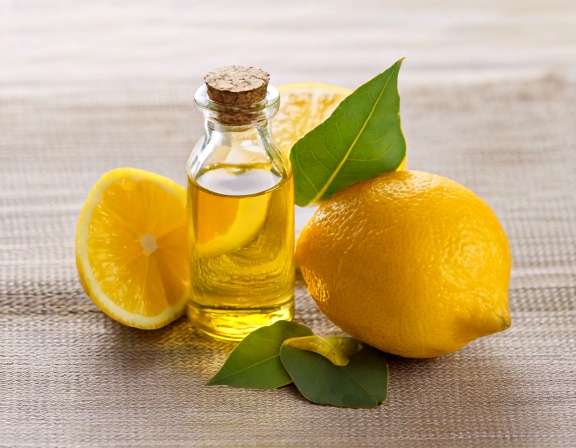
Lemon Essential Oil
Lemon essential oil stands out for its ability to boost the immune system, calm inflammation, and help reduce the body’s reaction to allergens. It’s considered helpful for clearing mucus, easing swelling, and giving a gentle immunity lift during allergy peaks. Studies show that lemon can even act with antihistamine-like effects, reducing allergic inflammation (Healthline). Lemon oil brings a bright, uplifting scent to diffuser blends for pollen and natural allergy relief, offering a clean, energizing aroma. A quick word of caution: lemon oil is phototoxic, so avoid sun exposure after using it on your skin.
Key Benefits:
- Reduces swelling and supports immune defenses
- Clears up mucus while delivering a fresh scent
- May act like a natural antihistamine
- Avoid direct sunlight after skin application
With these five essential oils, you can build an effective diffuser blend for pollen, use targeted topical relief (with proper dilution), or refresh your living space for greater comfort during allergy season. Each oil offers something special to help make seasonal allergies less overwhelming and keep natural allergy relief within easy reach.
How to Use Essential Oils for Allergy Relief Safely and Effectively
Ready to give essential oils a try for natural allergy relief? Knowing exactly how to use these oils can make a big difference in managing your symptoms and staying safe. The right approach means you can harness these powerful scents for lasting comfort, whether you’re diffusing oils into the air, applying them to your skin, or using steam for quick sinus relief. Let’s walk through the most effective and safest methods.
Diffuser Blends for Pollen & Respiratory Relief
A good diffuser blend for pollen can clear the air and help you breathe easier, right when allergies hit hardest. With hundreds of recipes online, it can feel overwhelming, so here are simple options using your top five essential oils for allergies.
Create these blends by adding oil drops to your device’s water reservoir (most hold 100-200 ml):
- Calming Allergy Blend
- 2 drops lavender
- 2 drops eucalyptus
- 2 drops lemon
- Sinus Soother
- 3 drops peppermint
- 2 drops eucalyptus
- 1 drop tea tree
- Pollen Buster
- 2 drops tea tree
- 2 drops lemon
- 2 drops lavender
These blends not only freshen your space but aim for easier breathing and less eye and nose irritation. You can find even more creative combinations for natural allergy relief in this list of DIY diffuser blends for allergies.
Try to run your diffuser for 30-60 minutes at a time. That’s usually enough for the oils to work without overwhelming your senses. Always keep pets in mind, as some oils like tea tree can be unsafe for cats and dogs even when diffused.
Topical Application & Steam Inhalation Methods
There’s more to essential oils than just breathing them in. Topical application and steam inhalation can target allergy symptoms fast, but both methods need a gentle, careful approach.
Topical Application Tips
- Always dilute essential oils before they touch your skin. Essential oils are strong and can cause irritation or even burns if used “neat” (undiluted).
- A safe rule: Mix 1-2 drops of essential oil with at least 1 teaspoon (5 ml) of a carrier oil like coconut, sweet almond, or jojoba.
- Gently rub your blend onto pulse points (like wrists, temples, or behind ears), chest, or the soles of your feet.
- Before diving in, do a patch test. Apply your diluted mix to a small spot (inside the elbow or behind the knee) and wait 24 hours. If there’s no redness or itching, you’re good to go.
- For more safety details, this guide on essential oils for allergy relief and topical use is helpful.
Steam Inhalation for Fast Sinus ReliefIf your nose feels blocked or you need quick help, steam inhalation is a trusted option:
- Boil water and pour about four cups into a large, heat-proof bowl.
- Add 2-3 drops of your chosen essential oil (eucalyptus and peppermint work great here).
- Place your face about 12 inches above the bowl and drape a towel over your head to make a “tent.”
- Close your eyes and inhale through your nose for 5-10 minutes, taking slow, deep breaths.
This method lets essential oils reach deep into your sinuses, providing almost instant relief for stuffiness and congestion. For details, check out this step-by-step guide to steam inhalation with essential oils.
Safety Reminders for All Methods
- Never ingest essential oils.
- Keep oils out of eyes, nose, and ears.
- Store oils out of reach of kids and pets.
Used mindfully, these natural methods can help you create a allergy relief routine that’s both safe and surprisingly effective. With a great diffuser blend for pollen allergies in your corner, you might just find a new springtime favorite.
Safety Guidelines and Precautions with Essential Oils
Essential oils for allergies and natural allergy relief can make a big difference in comfort during pollen season. But using these oils comes with responsibility. Even “natural” products can trigger problems if handled the wrong way. Before adding essential oils to any diffuser blend for pollen or using them directly on your skin, take a minute to learn the basics of safety. A few extra steps will help you enjoy all the benefits without unwanted surprises.
Safe Dilution and Patch Testing
Never use essential oils undiluted on your skin. These concentrated liquids pack a punch, using them straight can burn, irritate, or lead to allergic reactions.
- Mix essential oils with a carrier oil (such as coconut, sweet almond, or jojoba) before any skin contact.
- For adults, stick to a maximum 1-2% dilution. That means 1-2 drops of essential oil per teaspoon of carrier oil.
- Always patch test first. Place a bit of your diluted mix on a small area like your inner forearm. Wait 24 hours to see if any redness, bumps, or itching show up.
To better understand safe dilution and its importance, check the comprehensive Safety Guidelines from the Tisserand Institute.
Child and Pet Safety
Kids and pets are extra sensitive to essential oils even small amounts can cause issues. Oils like eucalyptus, peppermint, and tea tree may be off-limits for children under age six and can be dangerous for pets, especially cats and dogs.
- Diffuse oils in open, well-ventilated areas.
- Avoid using strong oils around babies, young children, or pets. Opt for hydrosols, which are gentler.
- Store all bottles out of reach, ideally locked away.
For a handy overview on what’s safe and what’s not, check the “Dos and Don’ts of Essential Oils” from WebMD.
Sun Sensitivity and Photosensitive Oils
Some essential oils for allergies, like lemon, are “phototoxic.” They can make your skin much more sensitive to sunlight and cause burns or blisters.
- After using lemon oil (or any citrus oil) on your skin, stay out of the sun or cover the area for at least 12 hours.
- Even with proper dilution, care is key when using these oils topically.
Inhalation and Diffuser Use
Inhaling essential oils or using a diffuser blend for pollen offers quick relief but only when done right.
- Don’t run your diffuser non-stop. Limit use to 30-60 minutes, with breaks in between.
- Keep windows slightly open if using oils in a small room.
- If you notice headaches, coughing, or any discomfort, stop use and air out the space.
For additional facts on inhalation safety, review Healthline’s guide to safe essential oil use.
Essential Oils as Complementary Support
Essential oils for allergies are best used as a complement to, not a replacement for, your health routine. They can support natural allergy relief when paired with other proven steps, such as avoiding triggers and following advice from a professional. Always consult with a doctor for ongoing or serious symptoms, especially when considering essential oils for children, those pregnant, or anyone with medical conditions.
Stick to these safety basics, trust your senses, and take it one step at a time. When you respect these guidelines, essential oils can be an uplifting, supportive part of your natural allergy relief plan.
Integrating Essential Oils into a Holistic Allergy Management Plan
Managing allergies goes beyond using a single remedy. For those who want natural allergy relief, essential oils for allergies are most effective when they fit into a complete wellness plan. You can think of them as teammates working with other healthy habits, not as the only star player. Here’s how to blend essential oils with smart everyday practices, so you get better results with less stress.
Make Your Environment Allergy-Friendly
Simply adding a diffuser blend for pollen won’t cancel out all allergens in your space. Start by making key changes at home:
- Keep windows closed during peak pollen hours.
- Use air purifiers with HEPA filters.
- Wash bedding and curtains often.
- Shower and change clothes after being outdoors.
A cleaner living space means fewer allergens for essential oils to fight. When you diffuse oils like lavender or eucalyptus, you’ll notice an even bigger difference in air quality.
Pair Natural Allergy Relief With Medical Guidance
Essential oils are just one part of managing allergies. Stay in touch with your doctor or allergy specialist, especially if symptoms are severe or keep coming back. Keep using prescribed antihistamines, inhalers, or treatments as needed. Medical advice and natural options can work together for stronger, longer-lasting relief.
For more on how to combine oils and conventional therapy, see this guide on the top essential oils for allergies and their uses.
Create Consistent, Simple Routines
Consistency is key for the best results. Aim to:
- Run your diffuser at the same time each day, like evenings or mornings.
- Use recommended topical blends after showering or before bed.
- Carry a diluted oil roller bottle for quick relief when you’re outside.
By making these steps habitual, you’ll avoid missing key moments when symptoms flare up. Your oils become a calm, trusted part of your routine.
Blend Essential Oils With Other Natural Supports
Combine essential oils with other natural habits to maximize results:
- Drink plenty of water to thin mucus and hydrate sinuses.
- Try a saline nasal rinse to clear pollen before using diffuser blends.
- Use cool compresses with diluted essential oils over your eyes for extra soothing power.
Taking a well-rounded approach brings comfort from many angles, making your allergy plan feel more like self-care than a chore.
Stay Flexible and Listen to Your Body
No allergy plan is one-size-fits-all. Some people need more environmental controls; others see big results from just a few changes. Pay attention to what works and adjust your plan over time. If you’re curious about which oils can target your symptoms or want creative ways to use them.
Integrating essential oils into your allergy relief plan sets you up for better breathing, clearer days, and a greater sense of control over what spring or fall brings. Try different methods, create simple rituals, and tweak your strategy as your needs change. Small changes add up, especially when they work together for lasting relief.
Conclusion
Essential oils for allergies offer more than a pleasant scent, when used correctly they bring welcome natural allergy relief and help turn pollen season into a smoother experience. Diffuser blends for pollen and simple topical routines supply day-to-day comfort without the heavy side effects of many medications.
Blending oils like lavender, eucalyptus, peppermint, tea tree, and lemon gives you flexibility to match your needs. Safe use means these oils add real value to your allergy management plan, empowering you to breathe easier and feel more in control.
Explore what works for your symptoms. Stick with evidence-based approaches and keep safety front and center. If you’ve tried any of these tips or have your own favorite diffuser blend for pollen, share your story below, your experience might help someone else find natural allergy relief.
Thanks for reading. Here’s to clearer days and simple, natural solutions that make every season easier.
Stay Connected for More Natural Living Inspiration
If you enjoyed this post about herbal wellness and love discovering natural ways to refresh your home and wellness, don’t miss out on future recipes and clean-living tips! Subscribe to the blog for weekly DIYs, wellness inspiration, and herbal remedies delivered straight to your inbox.
Don’t forget to visit my LinkTree for the links to my favorite essential oils, herbal teas, natural recipes, YouTube ambiance videos for sleeping; a project I created to help with insomnia symptoms and the second channel, Rooted in Nature YouTube Channel both channels feature herbal recipes for wellness and home.
Thanks for coming by!


Leave a Reply