(DISCLAIMER: I am not a doctor, and you should consult your healthcare professional before starting any health regimen. Product links are commissioned and supports the blog)

Key takeaways for making a safe rose essential oil sugar scrub
- Use sugar, a skin-friendly oil, and a small amount of rose essential oil for a basic scrub base.
- Keep rose essential oil in the 1% to 2% range for a wash-off body scrub, with 1% as the safest starting point.
- Aim for a texture that feels like damp sand, not soup or dry crumbs.
- Store the scrub in a clean, dry jar with a lid, and keep water out of the container.
A small jar of sugar scrub can feel like a little luxury on a tired day. With a few pantry staples, you can make a soft, fragrant scrub that feels at home on the bathroom shelf and in your hand.
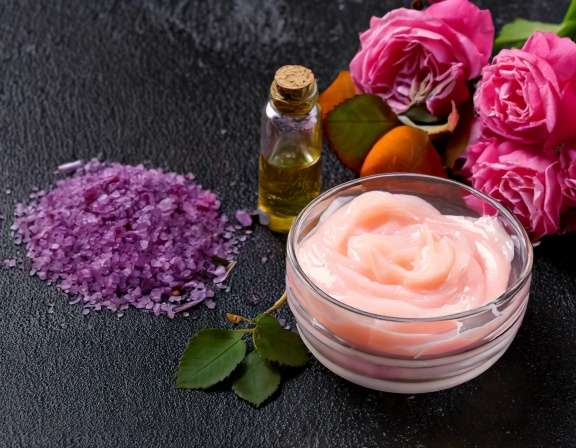
This recipe is beginner-friendly, budget-friendly, and made for small batches. It gives you smoother skin, a pretty rose scent, and simple guidance for rose essential oil dilution, so the scrub feels good and stays skin-smart.
A lighter scent can still feel lovely. More drops do not make a scrub better.
What you need from the pantry before you start
The best sugar scrub starts simple. You only need a few ingredients, and each one has a clear job. Sugar exfoliates, oil softens, and rose essential oil gives the blend its floral finish.
Here is the basic pantry lineup:
- Sugar for gentle exfoliation and that soft scrub feel.
- Carrier oil for glide and moisture.
- Rose essential oil for scent and a more polished finish.
- Honey or vanilla, if you want a sweeter, softer aroma.
You do not need a long ingredient list. In fact, a short one keeps the scrub easier to balance. Too many extras can turn it sticky, watery, or overly scented. A small batch is best, especially if you want to make the scrub fresh and use it up quickly.
Choose the right sugar for a gentle feel
White granulated sugar and brown sugar both work, but they feel different on the skin. White sugar is a little finer and usually feels softer as you massage it in. Brown sugar is slightly moister and can feel a bit more plush.
| Sugar type | Skin feel | Best for |
|---|---|---|
| White sugar | Fine and crisp | A lighter scrub for regular use |
| Brown sugar | Soft and moist | A gentler scrub with a warmer feel |
If your skin is sensitive, choose the finer sugar first. A rough scrub can feel scratchy fast, especially on dry arms, legs, or hands. The goal is a smooth polish, not a sandpaper effect.
Pick an oil that is easy to find and skin friendly
The oil binds the scrub together and helps it glide across damp skin. Olive oil is easy to find and gives the scrub a rich feel. Coconut oil adds body and a thicker texture. Sweet almond oil feels lighter, if you keep it on hand.
Your choice depends on the skin feel you want. A lighter oil makes the scrub feel less heavy. A richer oil gives it a cushiony finish. If you like a scrub that feels silky and spreads easily, start with olive or sweet almond oil. If you want something firmer, coconut oil works well.
Optional extras that add scent or softness
A tiny spoonful of honey can make the scrub feel more comforting. A small splash of vanilla can round out the rose scent and make the jar smell warm. Use these extras with care, because a little goes a long way.
Keep the add-ins modest. Too much honey can make the scrub sticky. Too much vanilla can overpower the floral note. The rose should stay at the center, with the extras in the background.
How to make rose essential oil sugar scrub step by step
This scrub comes together in minutes. Stir slowly, check the texture as you go, and adjust in small amounts. That is the easiest way to keep the batch smooth and useful.
For a small jar, use this simple base:
- 1 cup sugar
- 1/4 cup carrier oil
- 1 teaspoon honey, optional
- 1/4 teaspoon vanilla, optional
- 12 to 24 drops rose essential oil total for a small batch, depending on your target dilution and batch size
If you prefer to keep it extra gentle, stay near the lower end of the scent range. The scrub should smell floral without feeling strong.
Mix the sugar and oil until it feels like damp sand
Start with the sugar in a clean bowl. Pour in the oil a little at a time and stir with a spoon. Stop when the mixture clumps lightly in your fingers, much like damp beach sand.
If the scrub feels too dry, add a small splash of oil. If it feels too oily, add more sugar. That slow back-and-forth gives you control, which matters more than exact looks. A good scrub should hold together, but still spread easily on skin.
Add rose essential oil with the right dilution in mind
Rose essential oil is concentrated, so even a rinse-off scrub needs careful measuring. For body scrubs, a 1% to 2% dilution is a sensible range. If you are new to essential oils, start at 1%.
A helpful guide is about 6 drops per ounce at 1%, or about 12 drops per ounce at 2%. For a small batch, that means you measure the oil instead of guessing. Drop counts can vary with the bottle, so treat them as a guide, not a rule.
For more skin-use basics, see safe essential oil application guidelines. The same careful habits apply here, even in a wash-off product.
Finish with a smooth texture and a soft rose scent
Once the oil is mixed in, stir again until the scrub looks even. There should be no oily pool at the bottom of the bowl. The texture should feel damp and soft, with sugar grains coated well.
Give it one last sniff. The rose should smell gentle, clean, and floral, like fresh petals rubbed between your fingers. If the scent feels too faint, add just a few more drops. If it already smells full, stop there.
Safe dilution tips for rose essential oil on skin
Dilution matters because skin can react even when a product is rinsed off. A scrub does not sit on the skin for long, but the oil still touches a wide area. Keeping the amount low helps the scrub stay comfortable.
Start at the lower end if you are new to essential oils, if you have sensitive skin, or if you plan to use the scrub often. A softer scent can be more pleasant than a strong one, especially in a small bathroom where fragrance lingers.
Use less, not more, if you are new to essential oils
First-time users usually do best with a mild blend. Teens and anyone with easily irritated skin should also stay near 1%. The scent will still be lovely, and the scrub will still feel special.
Heavier scent does not mean better skin care. It often means a higher chance of irritation. Keep the rose note light and clean, like a ribbon of fragrance rather than a cloud.
Patch test before using the scrub all over
A patch test takes little time and can save you trouble. Apply a small amount to a small area, then wait and watch for redness, itching, or stinging. If your skin stays calm, the scrub is more likely to be a good fit.
Test on the inner forearm or another easy-to-check spot. Then rinse it off and leave the area alone for a day. That simple habit is worth keeping.
When to skip the scrub or ask for advice first
Skip the scrub on broken skin, freshly shaved skin, or any area that already feels irritated. Extra care is also smart during pregnancy, while caring for children, or when skin is already reactive.
If you have ongoing skin concerns, use trusted guidance before trying any essential oil recipe. Sensitivity can be unpredictable, and a floral oil is still a concentrated ingredient.
How to use, store, and enjoy your homemade sugar scrub
Use the scrub on damp skin, not dry skin. Water softens the surface a little, so the sugar can glide instead of dragging. Scoop out a small amount, massage it in with gentle pressure, and rinse well.
Hands, arms, and legs usually handle this kind of scrub well. The motion should feel light and unhurried. If it starts to sting or scratch, stop and rinse. A body scrub should leave skin feeling smooth, not rubbed raw.
Apply it to damp skin and rinse well
A pea-sized amount is enough for hands. For arms or legs, use a bit more and spread it in slow circles. Gentle pressure does the job.
Rinse with warm water and pat the skin dry. After that, a plain moisturizer can help lock in the soft feel. The scrub is only part of the routine, so keep the rest simple too.
Store it in a clean jar and use it soon
Scoop the scrub into a clean, dry jar with a tight lid. Keep water out of the container, because moisture shortens shelf life and can change the texture. A small mason jar or any similar container works well.
Small batches are the smartest choice. That matters even more if you add honey or other pantry extras. Make enough for a few uses, then mix a fresh jar when you want more.
Conclusion
A homemade scrub doesn’t need a long ingredient list or a complicated process; in fact, simplicity can lead to the best results. With just a few basic ingredients like sugar, which acts as a natural exfoliant, and oil, such as coconut or olive oil, you can quickly whip up a nourishing mixture.
By adding a careful amount of rose essential oil, you’ll not only infuse the scrub with a delightful fragrance but also offer skin benefits like calming and soothing properties. This process can easily be done in your kitchen, making it a convenient option for self-care. The result is something soft, fragrant, and easy to use, perfect for pampering yourself after a long day or for a refreshing morning ritual.
The best batches stay small, balanced, and lightly scented. When you measure the oil with care and keep the texture simple, the scrub feels calm and useful instead of fussy.
Mix one jar, test it on your skin, and enjoy the ritual as much as the result.
Stay Connected for More Natural Living Inspiration
If you enjoyed this post about herbal wellness and love discovering natural ways to refresh your home and wellness, don’t miss out on future recipes and clean-living tips! Subscribe to the blog for weekly DIYs, wellness inspiration, and herbal remedies delivered straight to your inbox.
Don’t forget to visit my Amazon storefront for the links to my favorite essential oils, herbal teas, and natural recipes. I also create YouTube ambiance videos for sleeping; a channel I created to help people who have trouble sleeping. The link to all social media content is here.
Thanks for coming by!

Leave a Reply