
(DISCLAIMER: I am not a doctor, and you should consult your healthcare professional before starting any health regimen. Product links are commissioned and supports the blog)

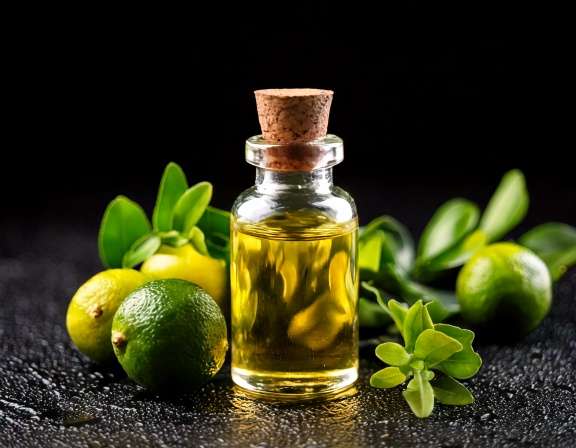
A lotion bar can turn a dry afternoon into a small, fragrant pause. Petitgrain essential oil brings a fresh green-citrus scent with a lightly woody edge to body products you can make in one kitchen session.
These beginner-friendly recipes include a solid lotion bar, a polishing sugar scrub, and a refreshing hand wash blend. Each uses simple ingredients, careful measuring, clean storage, and gentle adult topical dilution.
Key Takeaways for Using Petitgrain Essential Oil at Home
- Petitgrain typically comes from the steam-distilled leaves and young twigs of bitter orange, Citrus aurantium var. amara.
- Its aroma is greener, slightly bitter, and woodier than the bright sweetness of orange peel oil.
- Current supplier references commonly treat petitgrain as non-phototoxic, which suits thoughtfully diluted body-care blends.
- A 1% to 2% adult topical dilution is practical for homemade products, with 1% as a gentle starting point for leave-on formulas.
- The recipes below include a lotion bar, sugar scrub, and hand wash blend for everyday self-care.
- Choose a quality essential oil, measure with care, and keep concentrated oils away from eyes and mucous membranes.
Petitgrain Essential Oil for DIY Body Care: Scent, Benefits, and Safe Use
Petitgrain essential oil comes from bitter orange leaves and twigs rather than the fruit peel. DSM-Firmenich and Eden Botanicals identify its botanical source as Citrus aurantium var. amara, with steam distillation drawing out its aromatic compounds.
A green-citrus scent with woody character
Orange peel oil smells sunny and juicy. Petitgrain smells more like a citrus grove after rain, with green leaves, soft bitterness, and dry wood beneath the brightness.
That balanced profile works beautifully in body care. It gives a plain butter or carrier oil a clean, composed aroma without turning the finished product overly sweet.
Petitgrain pairs well with lavender for a softer evening scent. Frankincense adds a resinous note, while cedarwood creates a deeper, forest-like finish. Geranium also brings a rosy green accent. For citrus blends, choose bergamot FCF or another bergapten-free citrus oil when you want a sun-friendly formula.
Gentle dilution makes the aroma comfortable
Use petitgrain in a finished body product rather than applying the concentrated oil straight to skin. For adult leave-on products, start at about 1%, then use up to 2% when the product, skin type, and supplier guidance support that choice.
A 1% dilution equals about 1 gram of essential oil per 100 grams of finished product. A small digital scale gives more reliable results than counting drops, since drop size changes with the bottle and oil viscosity.
Petitgrain’s non-phototoxic status still calls for thoughtful skin use. Patch test each finished blend, follow your oil supplier’s usage guidance, and give sensitive skin a lower starting dilution. These essential oil skin safety tips offer a helpful refresher before making a larger batch.
How to choose ingredients for balanced DIY formulas
Lotion bars need a firm wax, a nourishing butter, and a liquid carrier oil. Beeswax adds structure, shea butter brings a cushiony feel, and jojoba or sweet almond oil helps the bar glide over warm skin.
Sugar scrubs use fine sugar for gentle polish and a skin-friendly oil for slip. Vitamin E is optional, yet it can help slow oxidation in the oil portion. Hand wash requires an unscented liquid soap or cleanser base plus a compatible solubilizer, which helps essential oil distribute evenly.
Fresh, clean tools and fragrance-free bases keep the petitgrain aroma clear and pleasant.
Three Simple Petitgrain Body Care Recipes to Make at Home
These small batches are for personal adult use. Calculate the essential oil amount as a percentage of the finished weight, and use a cosmetic scale whenever possible.
Soft Petitgrain Lotion Bars for Dry Hands and Elbows
Yield: About 100 grams
Preparation time: 20 minutes, plus setting time
Texture: Firm in the tin, silky against warm skin
Ingredients
- 30 grams beeswax, or a suitable vegan wax
- 35 grams shea butter
- 34 grams jojoba oil or sweet almond oil
- 1 gram petitgrain essential oil
Set a heat-safe measuring cup or small pouring pitcher over a pan of gently simmering water. Add the wax, shea butter, and carrier oil. Stir occasionally until the mixture becomes fully clear and liquid.
Lift the container from the heat. Let it sit for a minute, then stir in the petitgrain essential oil. Pour the blend into silicone molds, metal tins, or twist-up tubes. Allow the bars to set at room temperature until firm.
Glide a lotion bar over warm, dry skin, then massage in the thin layer it leaves behind. Hands, elbows, knees, and heels all welcome this rich texture.
Store bars in a clean, covered container away from sunlight and heat. When made with fresh ingredients, use within about six months for the brightest scent and best feel.
Green-Citrus Petitgrain Sugar Scrub
Yield: About 200 grams
Preparation time: 10 minutes
Texture: Soft, scoopable, and lightly polishing
Ingredients
- 150 grams fine sugar
- 48 grams jojoba oil, sunflower oil, or fractionated coconut oil
- 1 gram petitgrain essential oil
- 1 gram vitamin E oil, optional
Place the carrier oil, petitgrain, and vitamin E in a clean bowl. Stir the oil phase well first, so the essential oil spreads evenly through the mixture.
Add the fine sugar in stages, folding it through with a spoon or silicone spatula. The finished scrub should look glossy and feel easy to spread. Spoon it into a clean, dry wide-mouth jar and secure the lid.
Apply a small amount to damp hands, arms, or feet. Massage with soft circular motions, then rinse with warm water. The green citrus scent lifts through the steam while the sugar leaves skin feeling smooth.
Use this scrub on intact skin and scoop it with a dry spoon each time. Keep water out of the jar, store it in a cool cabinet, and enjoy it within four to six weeks for the freshest texture.
Refreshing Petitgrain Hand Wash Blend
Yield: A small test batch using 100 grams of cleanser base
Preparation time: 10 minutes
Texture: Your chosen hand wash texture with a mild green-citrus scent
Ingredients
- 100 grams unscented liquid hand wash or compatible liquid soap base
- 0.5 to 1 gram petitgrain essential oil
- A supplier-approved solubilizer in the amount recommended for your chosen oil and cleanser base
Water-based cleanser formulas need a solubilizer because essential oil and water naturally separate. Begin by measuring the petitgrain oil and combining it with the solubilizer at the manufacturer’s stated ratio. Stir until the blend looks uniform.
Next, add that mixture slowly to the hand wash base. Stir gently with a clean spatula or spoon, keeping the motion slow enough to limit foam. Transfer the blend into a clean pump bottle and label it with the ingredients and date.
Follow the product directions for gentle shaking if the base allows it. A small test batch helps you check scent strength, clarity, and dispensing before preparing more. The finished wash should smell fresh and light, rather than perfume-heavy.
How to Customize, Store, and Troubleshoot Your DIY Blends
Small changes can make each recipe feel more personal. More wax creates a firmer lotion bar, while a little more liquid carrier oil gives a softer glide. Fine sugar makes a smoother scrub, and a coarser sugar creates more noticeable polish.
For a soft evening blend, pair petitgrain with lavender while keeping the total essential oil percentage within your chosen dilution. Cedarwood gives the same recipes a warmer, woodsy direction. Add any companion oils to the total essential oil weight rather than increasing the overall percentage.
Label every batch with its ingredients and date made. Clean, dry containers protect anhydrous products such as lotion bars and scrubs, while a cool cupboard helps preserve their scent. Keep all blends away from direct sunlight and heat.
A grainy lotion bar benefits from gentle remelting until fully smooth, followed by prompt cooling in its mold. When a scrub feels oily, stir it well and fold in a small amount of extra sugar for a drier finish. If hand wash scent separates, review the solubilizer manufacturer’s ratio and create another small batch within its recommended usage range.
A simple patch test and first-use routine
Apply a small amount of the finished, diluted product to a small area of skin, such as the inner forearm. Give your skin time to show how it feels before using the product more broadly.
Start first batches at the lower end of the dilution range, especially with sensitive skin. Wash hands carefully after handling concentrated petitgrain essential oil, and rinse promptly with plenty of water if product reaches the eyes.
Frequently Asked Questions
Which petitgrain essential oil should I buy for these recipes?
Look for the botanical name Citrus aurantium var. amara and wording such as bitter orange leaf or leaf/twig oil. A reputable supplier provides the plant name, extraction method, and batch details.
Petitgrain from Paraguay is a common choice. Its crisp, leafy aroma works especially well in simple body products.
Can I use a vegan wax in the lotion bar?
Yes. Candelilla wax and carnauba wax are plant-based options, although both are firmer than beeswax. Start with a smaller amount than the beeswax weight, then make a test bar because each wax changes the final texture.
A softer butter or slightly more carrier oil can help balance a very firm vegan formula.
Can I put the sugar scrub in a glass jar?
A sturdy wide-mouth glass jar works well when handled with dry hands and placed on a stable bathroom surface. PET plastic cosmetic jars are also lightweight and convenient near a sink or shower.
Choose a container with a tight-fitting lid to keep the scrub fresh and clean.
Is petitgrain a good scent for gifts?
Petitgrain makes a lovely gift scent because it feels fresh, grown-up, and easy to pair with floral or woody oils. Include a simple label with the ingredient list, date made, and directions for use.
For gifts, prepare fresh small batches and share the same patch-test guidance you follow at home.
Can I use the hand wash in a foaming soap dispenser?
A foaming dispenser works best with a base designed for that style of pump. Check the cleanser supplier’s directions before transferring your blend, since thick hand washes may need a standard pump bottle.
The solubilizer step remains important in either format because it keeps the petitgrain oil evenly dispersed.
A Fresh Ritual for Everyday Body Care
Petitgrain essential oil gives homemade body care a clean green-citrus character that feels both bright and grounded. The lotion bar, sugar scrub, and hand wash offer easy starting points for a more fragrant daily routine.
Begin with a small batch, use accurate weights, and keep the dilution gentle. As you grow comfortable with the formulas, lavender, cedarwood, geranium, and frankincense can add your own signature touch.
Thoughtfully prepared body care turns a few simple ingredients into a ritual worth returning to.
Stay Connected for More Natural Living Inspiration
If you enjoyed this post about herbal wellness and love discovering natural ways to refresh your home and wellness, don’t miss out on future recipes and clean-living tips! Subscribe to the blog for weekly DIYs, wellness inspiration, and herbal remedies delivered straight to your inbox.
Don’t forget to visit my Amazon storefront for the links to my favorite essential oils, herbal teas, and natural recipes. I also create YouTube ambiance videos for sleeping; a channel I created to help people who have trouble sleeping. The link to all social media content is here.
Thanks for coming by!

Leave a Reply