

(DISCLAIMER: I am not a doctor, and you should consult your healthcare professional before starting any health regimen. Product links are commissioned and supports the blog)

Key Takeaways
- Essential oil roll-ons offer a simple way to apply diluted blends to areas of everyday discomfort.
- Peppermint, lavender, eucalyptus, rosemary, ginger, and clary sage are popular oils for muscle tension and joint comfort.
- A 10 mL roll-on bottle usually needs 4 to 6 drops of essential oil for about a 2 to 3 percent adult dilution.
- Always combine essential oils with a carrier oil and patch-test each new blend.
- Store finished roll-ons in a cool, dark place and use them as part of a well-rounded self-care routine.
Safety note: This information is for general wellness education. Talk with your healthcare professional before beginning a new health routine, especially if you’re pregnant, nursing, managing a health condition, taking medication, or making a blend for a child.
A sore neck, tired legs, or a tension headache can make an ordinary day feel much longer. A homemade essential oil roll-on offers a convenient way to add a little comfort to your routine without needing a sink, a mixing bowl, or a complicated recipe.
These blends combine essential oils with a gentle carrier oil, creating a portable option for massage and aromatherapy. You can choose the scent, adjust the blend, and keep the ingredients simple. With proper dilution and careful application, a DIY roll-on can fit easily into a calm, practical wellness routine.
Understanding Essential Oils for Pain Relief
Essential oils are concentrated plant extracts made from flowers, leaves, roots, bark, and other parts of a plant. Each oil has its own aroma and natural properties, which is why different oils are often chosen for relaxation, muscle massage, refreshing scents, or soothing self-care.
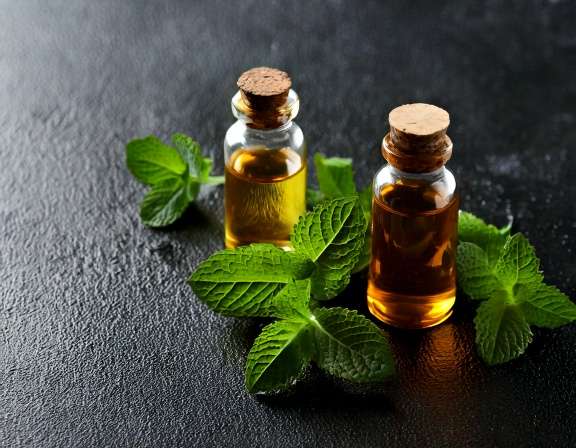
Peppermint is known for its cool, refreshing feeling. Lavender has a soft floral scent that pairs well with evening relaxation. Eucalyptus and rosemary bring a fresh herbal aroma to massage blends, while ginger adds a warm, spicy note.
Essential oils can support a comforting massage routine, though results vary from person to person. A roll-on works best when you use it alongside other simple habits, such as stretching, hydration, rest, mindful breathing, and good posture.
How Essential Oils May Support Comfort
A few essential oils are especially popular in blends for muscle aches, tension, and joint comfort:
- Peppermint essential oil contains menthol, which creates a cooling sensation on the skin. It is often used for head, neck, and muscle massage.
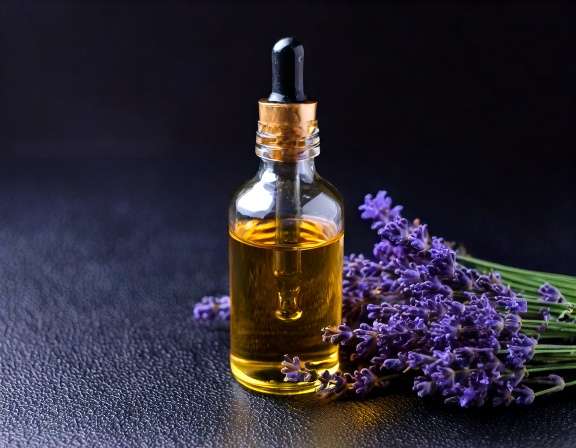
- Lavender essential oil has a calming floral aroma that can support relaxation during a soothing massage.
- Eucalyptus essential oil has a fresh, menthol-like scent and is commonly included in cooling body-care blends.
- Rosemary essential oil adds a crisp, herbal aroma to blends for tired muscles and everyday massage.
- Ginger essential oil brings gentle warmth and works well in blends for stiff-feeling areas.
- Clary sage essential oil has a sweet, earthy scent that pairs nicely with lavender, rosemary, and ginger.
A blend of two or three oils can create a more balanced aroma. Start with a small amount, then adjust your next batch based on the scent and skin comfort.
Best Essential Oils for Muscle Aches and Joint Comfort
When choosing oils for a DIY pain relief roll-on, consider both the purpose of the blend and the scent you enjoy using.
- Peppermint has a bright, cooling aroma that suits neck, shoulder, and muscle massage.
- Lavender is soft and floral, making it a good choice for tension and nighttime self-care.
- Eucalyptus has a clean, refreshing scent for cooling massage blends.
- Rosemary is crisp and herbal, with an aroma that works well in active, daytime routines.
- Ginger has a warm, spicy scent for blends used on tired muscles and joints.
- Clary sage is earthy and gently sweet, making it a comforting addition to massage oils.
Frankincense, sweet marjoram, and chamomile are also used in some aromatherapy blends. If you add a new oil, introduce it one at a time so you can observe how your skin responds.
Essential Oil Dilution and Skin Safety
Essential oils are highly concentrated, so dilution is an important part of every topical recipe. A carrier oil spreads the essential oils across the skin and makes the blend more comfortable to apply.
Good carrier oil choices include:
- Fractionated coconut oil
- Jojoba oil
- Sweet almond oil
- Grapeseed oil
- Apricot kernel oil
For a 10 mL roll-on made for most healthy adults, use 4 to 6 total drops of essential oil for about a 2 to 3 percent dilution. This is a gentle starting point for occasional topical use. Sensitive skin may prefer a 1 percent dilution, which is about 2 drops in a 10 mL bottle.
Apply a small amount of a new blend to the inside of your wrist or elbow and give your skin time to respond before regular use. Keep essential oils away from the eyes, lips, inner ears, and other delicate areas. Apply blends only to healthy, intact skin.
Peppermint and eucalyptus require extra care around young children. Use age-appropriate products and ask a qualified healthcare professional about essential oil choices for children, pregnancy, nursing, older adults, or anyone with a health condition.
Some essential oils increase sun sensitivity. Check the label and use extra care with blends that contain citrus oils before spending time outdoors.
How to Make a DIY Essential Oil Roll-On
A homemade roll-on takes only a few minutes to prepare. Clean equipment, fresh carrier oil, and accurate measurements help create a more consistent blend.
Supplies and Ingredients
You will need:
- One 10 mL glass roller bottle, preferably amber or cobalt blue glass
- Essential oils selected for your blend
- A carrier oil such as jojoba or fractionated coconut oil
- A small funnel or dropper
- Measuring spoons or pipettes
- A small label for the blend name and date
Wash the bottle, rollerball, and tools with warm, soapy water. Let everything dry completely before mixing. Water left inside the bottle can affect the finished oil blend.
Basic Directions
Add the essential oils to the clean, dry roller bottle. For a gentle adult blend, use 4 to 6 total drops. Place the funnel into the bottle and slowly add the carrier oil, leaving a little room beneath the rollerball insert.
Press the rollerball top into place, secure the cap, and roll the bottle between your hands to combine the oils. Label the bottle with the ingredients and date. Store it in a cool, dark cabinet away from heat and direct sunlight.
Three Easy Essential Oil Roll-On Recipes
Each recipe below makes one 10 mL roll-on at approximately a 2 to 3 percent adult dilution.
Cooling Muscle Roll-On
This blend has a fresh, cooling scent for shoulders, arms, legs, and other areas that feel tired after daily activity.
Ingredients
- 3 drops peppermint essential oil
- 2 drops eucalyptus essential oil
- 1 drop rosemary essential oil
- Jojoba oil or fractionated coconut oil, enough to fill a 10 mL roller bottle
Add the essential oils to the roller bottle. Fill the rest of the bottle with your carrier oil, leaving enough space for the rollerball insert. Secure the top and gently roll the bottle between your palms to mix. Apply to the desired area and massage it into the skin.
Lavender and Peppermint Tension Blend
The soft floral scent of lavender balances the cool aroma of peppermint in this simple massage blend.
Ingredients
- 3 drops lavender essential oil
- 2 drops peppermint essential oil
- 1 drop frankincense essential oil
- Jojoba oil or fractionated coconut oil, enough to fill a 10 mL roller bottle
Place the essential oils into the bottle, then add the carrier oil. Press the rollerball into place and cap the bottle. Gently shake or roll the bottle before applying a small amount to the back of the neck, shoulders, or wrists.
Warm Ginger and Rosemary Joint Massage Blend
Ginger and rosemary create a warm, herbal aroma that works well in a massage routine for knees, hands, elbows, and other areas that feel stiff.
Ingredients
- 2 drops ginger essential oil
- 2 drops rosemary essential oil
- 1 drop lavender essential oil
- 1 drop clary sage essential oil
- Jojoba oil or sweet almond oil, enough to fill a 10 mL roller bottle
Add the essential oils first, then fill the bottle with your chosen carrier oil. Fit the rollerball top securely and blend the oils with a gentle roll between your hands. Apply to the area and massage with slow, comfortable movements.
How to Apply an Essential Oil Roll-On
Roll a small amount onto areas such as the back of the neck, shoulders, lower back, knees, wrists, or forearms. Massage the oil into the skin with clean hands, then wash your hands after application, especially when using peppermint or eucalyptus.
Use the blend once or twice a day as part of your regular self-care routine. A small amount is usually enough. Give your skin a chance to respond before applying more.
Pair your roll-on with gentle stretching, warm showers, mindful breathing, hydration, or a few minutes of quiet rest. These small habits can make your aromatherapy routine feel more complete and consistent.
How to Store Homemade Roll-Ons
Keep your roll-on in a cool, dark place, such as a bedroom drawer or bathroom cabinet away from steam. Amber and cobalt glass bottles help protect essential oils from light.
Write the date and ingredients on each bottle. Use homemade blends within 6 to 12 months for the freshest scent and best texture. A change in smell, color, or appearance is a helpful reminder to prepare a fresh batch.
Frequently Asked Questions
Can I use an essential oil roll-on every day?
Many adults can use a properly diluted roll-on as part of a daily routine. Start with one application and observe how your skin feels. A lower dilution is a thoughtful choice for frequent use or sensitive skin.
How many drops should I add to a 10 mL roll-on?
For most healthy adults, 4 to 6 total drops create an approximately 2 to 3 percent dilution in a 10 mL bottle. Use about 2 total drops for a 1 percent dilution. Count all essential oils together, not each oil separately.
Which carrier oil is best for pain relief roll-ons?
Jojoba oil and fractionated coconut oil are popular because they feel light and have a long shelf life. Sweet almond and grapeseed oils also work well. Choose the carrier oil that feels comfortable on your skin and fits your storage needs.
Can I use these blends on my face?
These recipes are intended for areas such as the neck, shoulders, arms, legs, and joints. Facial skin is more delicate, so use a lower dilution and select oils that are appropriate for facial application. Keep every essential oil blend away from the eyes and lips.
Can children use essential oil roll-ons?
Children need age-appropriate dilution and oil choices. A qualified healthcare professional can help you choose suitable ingredients for a child’s age, skin type, and personal needs. Keep all essential oil bottles stored out of children’s reach.
How long do homemade roll-ons last?
A roll-on usually keeps well for 6 to 12 months when stored in a cool, dark location. Labeling the bottle with the date makes it easier to keep track of freshness.
A DIY essential oil roll-on is a simple way to bring plant-based aroma and massage into your everyday routine. Choose a few oils you enjoy, keep the dilution gentle, and start with a small amount. With clean supplies and thoughtful application, homemade blends can add a comfortable, personal touch to daily self-care.
Stay Connected for More Natural Living Inspiration
If you enjoyed this post about herbal wellness and love discovering natural ways to refresh your home and wellness, don’t miss out on future recipes and clean-living tips! Subscribe to the blog for weekly DIYs, wellness inspiration, and herbal remedies delivered straight to your inbox.
Don’t forget to visit my Amazon storefront for the links to my favorite essential oils, herbal teas, and natural recipes. I also create YouTube ambiance videos for sleeping; a channel I created to help people who have trouble sleeping. The link to all social media content is here.
Thanks for coming by!

Leave a Reply