
(DISCLAIMER: I am not a doctor, and you should consult your healthcare professional before starting any health regimen)
Key Takeaways
- Copaiba essential oil can add a calming note to aromatherapy routines focused on comfort and relaxation.
- For home use, diffuse it or apply it to the skin after diluting it in a carrier oil.
- Patch test topical blends, use a light hand with diffusion, and take extra care around children and pets.
- Copaiba can complement everyday wellness habits, but it doesn’t prevent or cure illness.
- Rest, nourishing food, hydration, and stress care are useful foundations for a steady wellness routine.
When busy days crowd out sleep and quiet moments, a soothing evening ritual can help you slow down. Copaiba essential oil has a warm, gentle aroma that many people enjoy in diffusers and diluted massage oils.
This guide covers what copaiba oil is, how people include it in wellness routines, and ways to use it with care. You’ll also find three simple recipes for home aromatherapy.
What Is Copaiba Essential Oil?
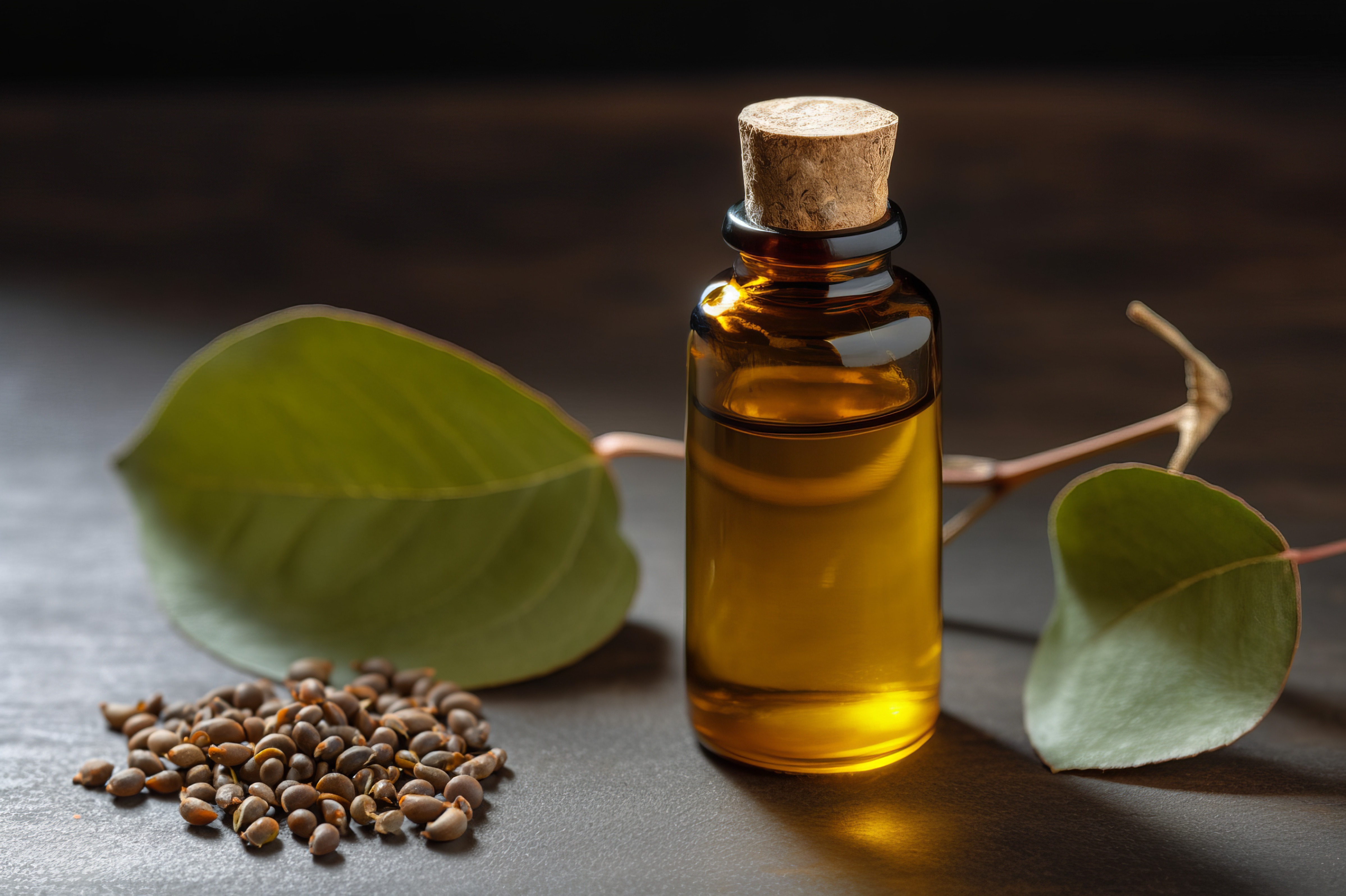
Copaiba essential oil is distilled from the resin of Copaifera trees native to the Amazon region. Its aroma is soft, warm, and woody, which makes it a popular choice for calming blends.
Many copaiba oils contain beta-caryophyllene, a plant compound also found in black pepper and some herbs. Beta-caryophyllene interacts with CB2 receptors in the endocannabinoid system. This compound is one reason copaiba is often included in soothing aromatherapy routines.
Copaiba blends easily with other oils and has a milder scent than pungent choices such as oregano. Still, essential oils are concentrated, so dilute copaiba before applying it to skin and follow the safety guidance on the product label.
Copaiba and immune wellness
People who use copaiba as part of an immune wellness routine often turn to it for a sense of calm and comfort. Relaxing rituals can make it easier to unwind, especially during demanding weeks or seasonal changes.
Research on beta-caryophyllene has examined its role in the body’s inflammatory signaling. Much of this work has taken place in laboratories or animal studies, so it doesn’t establish that copaiba oil prevents illness in people. Many aromatherapy users value it as one part of a broader routine that includes rest and self-care.
People often reach for copaiba when they want a calming aroma in the evening or a gentle massage oil after a long day. It may also suit those who prefer a softer scent in a diffuser.
Copaiba compared with other popular essential oils
Each essential oil has its own aroma and safety considerations. Copaiba’s softer scent makes it a useful base for blends, while other oils may suit different preferences.
- Tea tree has a fresh, medicinal aroma and is often used in skin-care and home-care blends. Dilute it well, since it may irritate sensitive skin.
- Eucalyptus creates a crisp aroma in a diffuser, but it may not be appropriate around young children. For more information, read Eucalyptus Oil for Congestion and Sinus Relief.
- Frankincense has a warm, resinous scent that many people enjoy in meditation and skin-care blends.
- Oregano has a strong, spicy aroma and can irritate skin if used without proper dilution.
Copaiba may be a good fit if you prefer a mild scent or want an oil that blends smoothly with lavender and other essential oils. Always dilute it, even if your skin usually tolerates essential oils well.
Copaiba Essential Oil and Immune Support
Copaiba resin has a history of traditional use in regions where Copaifera trees grow. Today, interest in copaiba often centers on its aromatic qualities and compounds such as beta-caryophyllene.
Aromatherapy is most useful as part of a wider wellness routine. A calming scent can help set the mood for rest, and a diluted massage oil can make a self-care ritual feel more comforting. Copaiba oil isn’t a substitute for medical care, and it shouldn’t be used to diagnose or treat an illness.
For everyday use, keep the focus on comfort. Diffuse copaiba while reading or winding down, or add a properly diluted blend to a relaxing massage. The aroma and ritual can support a peaceful home atmosphere without asking one oil to do everything.
Everyday ways to include copaiba
Immune wellness is supported by regular habits, not just by what you reach for during cold season. Make room for sleep, water, nourishing meals, movement, and manageable ways to reduce stress.
Copaiba can fit into those habits in a few simple ways:
- Diffuse it during a quiet evening to create a relaxed atmosphere.
- Add a diluted blend to a shoulder or foot massage as part of a bedtime routine.
- Use it in a massage oil after exercise when you want a soothing way to unwind.
- Pair it with lavender for a gentle, calming aroma.
For additional ideas, see Natural Immunity Support with Essential Oil Diffusers.
Copaiba oil for colds and seasonal discomfort
Some people use copaiba in a diffuser or massage blend when they want their home to feel calm and cozy during a cold. Its aroma may make a comforting addition to a rest routine, but it doesn’t cure a cold or replace appropriate care.
For a gentle seasonal blend, pair copaiba with lavender. Adults who enjoy a fresher aroma may add a small amount of eucalyptus, following the product label and household safety guidance. Avoid diffusing near young children, and give pets a way to leave the room.
Contact a healthcare professional if symptoms are severe, worsening, or lasting longer than expected. Seek prompt care for breathing difficulty, chest pain, or other urgent symptoms. Take extra care with infants, pregnancy, immune suppression, or ongoing health conditions.
How to Use Copaiba Oil Safely at Home
Copaiba is often considered mild in aroma, but it is still a concentrated essential oil. Follow these basic safety steps:
- Dilute copaiba before applying it to skin. A 1 percent dilution is about 6 drops of essential oil per 1 ounce of carrier oil. Some adults choose up to 2 percent for short-term use on a small area.
- Patch test a diluted blend on a small area of skin and wait 24 hours before wider use.
- Keep essential oils away from the eyes, mouth, and other sensitive areas.
- Don’t ingest essential oils unless a qualified healthcare professional who understands essential oil use has advised you to do so.
- Use extra care around babies and children. Ask a pediatric professional before using essential oils with them.
- Diffuse in a ventilated room, use short sessions, and make sure pets can leave the space.
- Choose a reputable product that lists its Copaifera species. When available, review the supplier’s GC/MS testing information.
- Store the bottle tightly closed in a cool, dark place, away from children and pets.
Stop using the oil if you notice skin irritation or discomfort while diffusing. Ventilate the room and move to fresh air if the aroma causes a headache, nausea, or breathing discomfort.
Three Copaiba Essential Oil Recipes
Use these recipes as written, and check the safety guidance for every oil in a blend. The topical recipes use a 1 percent dilution for a 1-ounce carrier oil base.
1. Copaiba and Lavender Evening Roller
Ingredients
- 1 ounce jojoba oil or fractionated coconut oil
- 4 drops copaiba essential oil
- 2 drops lavender essential oil
- 1-ounce roller bottle
Add the carrier oil and essential oils to the roller bottle, then cap and gently roll it between your hands to combine. Apply a small amount to the shoulders or feet as part of an evening wind-down. Patch test before regular use.
2. Copaiba Comfort Massage Oil
Ingredients
- 1 ounce sweet almond oil, jojoba oil, or another carrier oil
- 6 drops copaiba essential oil
- 1-ounce glass bottle
Pour the carrier oil into the bottle, add the copaiba, and cap securely. Shake gently before each use, then massage a small amount into the shoulders or legs. Avoid irritated or broken skin.
3. Copaiba and Lavender Diffuser Blend
Ingredients
- 2 drops copaiba essential oil
- 2 drops lavender essential oil
- Water, according to the diffuser manufacturer’s directions
Add water to your diffuser as directed, then add the essential oils. Run it for a short session in a ventilated room. Keep the diffuser out of reach of children and pets, and let animals leave the room if they choose.
If you enjoy respiratory-focused aromatherapy, you may also like Hyssop Oil for Natural Cold and Cough Relief. Follow the same care with dilution and diffusion.
Copaiba Oil for Infection and Cough
Online searches sometimes describe copaiba oil as a remedy for infection or cough. Keep its role clear: copaiba can be part of a soothing aromatherapy routine, but it isn’t a replacement for care when you suspect an infection.
For everyday cough comfort, people often find warm drinks, rest, and a humidifier helpful. Honey may soothe a cough for adults and children over 1 year old. Never give honey to a child under 1 year old.
For a calming aroma, diffuse copaiba with lavender. Adults who enjoy eucalyptus can add it in small amounts, while following label directions and avoiding use around young children. If you want ideas for home cleaning during cold season, visit Top Antibacterial Essential Oils for Cleaning and Immunity.
Build a Simple Routine
A small, repeatable ritual is easier to maintain than a complicated lineup of oils. Choose one way to use copaiba, such as a short evening diffusion session or a diluted foot massage, and notice how it feels in your routine.
Pair aromatherapy with habits that support general well-being. Protect your sleep, drink water throughout the day, eat nourishing meals, take a short walk when you can, and make time to decompress.
Daily and seasonal use
For an evening routine, diffuse copaiba for a short session while you read or tidy up. You can also apply a 1 percent diluted blend to your feet or shoulders. Keep the routine consistent if you find the aroma relaxing.
During cold season, diffuse a few times a week rather than running the diffuser all day. Pair copaiba with lavender, or choose another compatible oil that suits your household. Take breaks and stop using the blend if it becomes unpleasant or causes discomfort.
If you are building a home wellness kit, Essential Oils to Keep in a Natural First-Aid Kit offers more ideas for choosing oils and storing them safely.
Frequently Asked Questions
Can copaiba essential oil support immune health?
Copaiba can be part of a wellness routine centered on rest and comfort. Its soothing aroma may help create a relaxing atmosphere, but it hasn’t been shown to prevent illness.
Can I apply copaiba oil directly to my skin?
Dilute copaiba in a carrier oil before applying it. A 1 percent dilution is about 6 drops per 1 ounce of carrier oil. Patch test the blend first, and stop using it if your skin becomes irritated.
Can I diffuse copaiba around children or pets?
Use caution. Keep diffusion sessions short, provide ventilation, and allow pets to leave the room. Ask a pediatric professional before using essential oils around babies or young children, since many oils may not be suitable for them.
Can I take copaiba essential oil internally?
Don’t ingest copaiba unless a qualified healthcare professional with knowledge of essential oils has specifically advised you to do so. For home aromatherapy, diffusion and properly diluted topical use are the straightforward options.
Can copaiba essential oil cure a cold or infection?
No. Copaiba may add comfort to a relaxation routine, but it doesn’t cure colds or infections. Contact a healthcare professional if symptoms are severe, worsening, or persistent.
A Gentle Place for Copaiba in Your Routine
Copaiba essential oil can bring a warm, calming aroma to a diffuser or a diluted massage blend. Choose one simple recipe, use it safely, and pair it with the everyday habits that help you feel cared for. If you take medication, are pregnant or breastfeeding, or manage a chronic condition, check with a qualified healthcare professional before adding essential oils to your routine.
Stay Connected for More Natural Living Inspiration
For more wellness tips, subscribe to the blog for weekly posts about essential oils, teas, and herbs. Want an ad free experience with DIY essential oil, herbal recipes and tips? Head here for a distraction free experience.
Thanks for stopping by!


Leave a Reply