

(DISCLAIMER: I am not a doctor, and you should consult your healthcare professional before starting any health regimen. Product links are commissioned and supports the blog)

A small glass jar filled with dried botanicals can turn an ordinary evening into a softer, more mindful pause. Add a few drops of clary sage essential oil, and the herbs hold a warm scent for quiet breathing, journaling, or a bedside routine.
These jars are for smelling only. Don’t eat, drink, apply, or add the mixture to bathwater. Lavender gives the blend a familiar floral note, chamomile adds a gentle apple-like aroma, and rosemary brings a crisp green finish. Start with a simple formula, then let the scent settle before deciding what you think.
Key Takeaways for Making a Calm Herbal Jar
- Use herbs that are fully dry. Moisture can lead to spoilage or mold inside the jar.
- Add only 2 to 3 drops of clary sage essential oil to each cup of dried herbs.
- Choose lavender, chamomile, or rosemary according to the scent you enjoy.
- Seal the jar and let it rest for 24 hours before judging the finished aroma.
- Treat the blend as an aromatic object only. Don’t use it in food, tea, bathwater, or on skin.
Essential oils are concentrated, so careful handling matters. Adding more oil doesn’t always create a better scent. Too much can make the jar sharp, overpowering, or unpleasant to smell.
Clary Sage Essential Oil and Herbs in the Same Blend: How the Pairing Works
Dried herbs give the jar its shape, color, and texture. Essential oil supplies a concentrated scent that settles across the plant material. When you combine them in a dry bowl and stir well, the oil spreads over the herbs instead of collecting in one strong spot.
Clary sage essential oil has a soft, herbal character with earthy and slightly sweet notes. It isn’t as immediately floral as lavender or as bright as rosemary. Instead, it creates a rounded middle note that helps the blend feel warm and balanced.
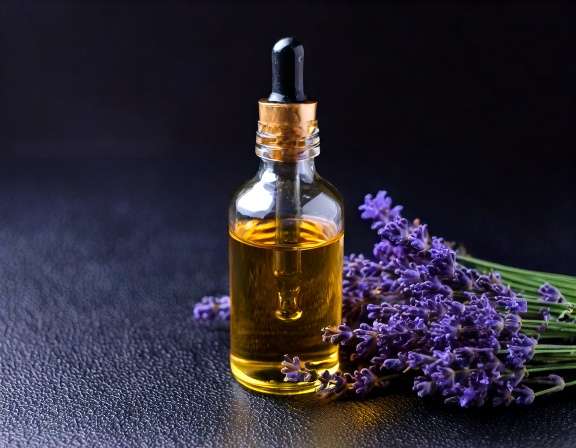
Lavender is the most familiar pairing for a simple evening jar. Its dry buds look pretty through glass, and the scent is floral without feeling heavy. Chamomile flowers bring a gentler herbal aroma with a light apple-like quality. Rosemary changes the mood of the blend with a fresh, green scent that feels cleaner and more alert.
The choice depends on the atmosphere you want near the jar. Lavender fits a slow evening routine, chamomile suits reading or quiet reflection, and rosemary works well during a morning reset or light household task.
Dried herbs hold the visual charm of the jar, while clary sage provides the concentrated aromatic accent.
A few drops can scent a full cup of plant material because essential oil is highly concentrated. Keep the lid closed when the jar isn’t in use, and open it only for brief scent breaks. For more ideas using this oil in evening routines, explore these calming clary sage diffuser blends, then keep this dry-herb project separate from diffuser use.
Three Easy Calm Self-Care Jar Recipes to Try
Before making any recipe, wash and dry your hands. Use a clean, completely dry bowl, spoon, and glass jar with a tight-fitting lid. Even a small amount of water can shorten the blend’s shelf life.
Place the dried herbs in the bowl first. Drip the essential oil over the herbs, then stir with a clean spoon until the aroma seems evenly distributed. Transfer the mixture to the jar, seal it, and let it rest for 24 hours before evaluating the final scent.
Lavender and Clary Sage for a Soft Evening Ritual
This is the simplest and most floral option. Lavender buds create a familiar, gentle scent, while clary sage adds an earthy sweetness beneath the flowers. Rose petals are optional, but a small pinch adds color and a faint rosy note.
INGREDIENTS
- 1 cup dried lavender buds
- 3 drops clary sage essential oil
- A small pinch of dried rose petals, optional
Put the lavender and rose petals in a clean, dry bowl. Drip the clary sage oil over the herbs, then stir slowly until the scent spreads through the mixture. Spoon the blend into a dry jar and close the lid.
After 24 hours, open the jar briefly at the start of your evening routine. Keep it a comfortable distance from your face, take a few natural breaths, and close the jar again. The herbs should remain in the container, away from tea, food, bathwater, and direct contact with your body.
Chamomile, Lavender, and Clary Sage for a Gentle Herbal Scent
Chamomile makes this blend soft, lightly floral, and apple-like. Lavender keeps the aroma recognizable, while clary sage adds a warm herbal layer. This combination fits a quiet reading session, a journaling habit, or a few slow breaths before bed.
INGREDIENTS
- 3/4 cup dried chamomile flowers
- 1/4 cup dried lavender
- 3 drops clary sage essential oil
Combine the dried chamomile and lavender in your dry bowl. Add the oil one drop at a time, stirring between drops so the scent doesn’t collect in one area. Transfer the mixture to the jar, seal it, and leave it undisturbed for 24 hours.
Open the jar during a quiet reading or writing routine. Smell from a comfortable distance, then close the lid when you’re finished. The chamomile in this recipe is a dried aromatic herb, not an ingredient for a drink. Don’t steep it as tea or use it in any consumable recipe.
Rosemary, Lavender, and Clary Sage for a Fresh Green Blend
Rosemary gives this version a crisp, green scent. Lavender softens its sharper edge, and clary sage adds a slightly sweet herbal note. The result suits a morning reset, a desk break, or a tidy-up routine when you want a fresher atmosphere.
INGREDIENTS
- 1/2 cup dried rosemary leaves
- 1/2 cup dried lavender
- 2 to 3 drops clary sage essential oil
Check the rosemary before mixing. It should be fully dry, brittle, and free from moisture. Add the rosemary and lavender to a clean bowl, then drip in the oil and stir until the scent is spread through the herbs.
Place the mixture in a dry jar and seal it for 24 hours. Open the jar briefly during your morning routine, then close it tightly. If the rosemary smells dusty, damp, or musty, discard it instead of trying to refresh the blend with additional oil.
How to Use, Store, and Handle Your Essential Oil Herb Jar Safely
Open the jar for a short scent break, then close it again. Hold it away from your face and smell from a comfortable distance. Never press the opening directly beneath your nose, since the concentrated aroma may feel harsh or irritating.
Keep the jar sealed whenever you aren’t using it. Store it in a cool, dry place away from direct sunlight, children, and pets. A shelf away from a sunny window is better than a warm bathroom, where steam can enter the herbs and create moisture.
The clary sage essential oil in these recipes is for external aromatic use only. Don’t swallow it, add it to herbal tea, mix it into food, pour it into bathwater, or apply it undiluted to skin. Keep the oil and finished jar away from the eyes and other sensitive areas.
If your skin reacts easily, wear gloves while mixing and wash your hands afterward. Avoid touching your face until you’ve cleaned your hands and work surface. Anyone who is pregnant or breastfeeding should seek professional guidance before using essential oils. Extra care is also needed around young children, pets, and people with asthma, allergies, or seizure disorders.
Inspect the herbs each time you open the jar. Throw away the mixture if it becomes damp, moldy, sticky, or unpleasant-smelling. Don’t taste the herbs, even if they appear clean and edible.
A scent that feels too strong doesn’t need more oil. Add a little more fully dried herb to dilute the aroma, stir carefully, and seal the jar again. Let it rest for several hours before testing it. If the smell remains irritating, discard the blend.
A Small Scent Ritual With Room to Breathe
Lavender gives a soft floral mood, chamomile brings a gentle herbal feel, and rosemary adds a fresh green finish. Each pairing changes the character of clary sage essential oil without making the project complicated.
Begin with the smallest amount of oil, allow the sealed jar to rest for 24 hours, and make the ritual your own. A few slow breaths, a journal page, or a quiet pause can give the jar a natural place in your day. Keep it as a simple sensory practice, never as a substitute for medical care or a consumable herbal remedy.
Stay Connected for More Natural Living Inspiration
If you enjoyed this post about herbal wellness and love discovering natural ways to refresh your home and wellness, don’t miss out on future recipes and clean-living tips! Subscribe to the blog for weekly DIYs, wellness inspiration, and herbal remedies delivered straight to your inbox.
Don’t forget to visit my Amazon storefront for the links to my favorite essential oils, herbal teas, and natural recipes. I also create YouTube ambiance videos for sleeping; a channel I created to help people who have trouble sleeping. The link to all social media content is here.
Thanks for coming by!
Leave a Reply