
(DISCLAIMER: I am not a doctor, and you should consult your healthcare professional before starting any health regimen. Product links are commissioned and supports the blog)

Key Takeaways:
- Blue lotus oil may support relaxation because its aroma can feel calming and grounding in the moment.
- Many people use it for mood and ritual, especially Meditation, journaling, and slow evening routines.
- Skincare use can feel soothing when diluted, particularly in a carrier oil for massage or after-shower care.
- Labels matter, because “blue lotus essential oil” or “sacred blue lily” can mean absolute, CO2 extract, infused oil, or fragrance.
- Choose quality by checking the botanical name and method, and expect a realistic price for true extracts.
- Use it safely, start low, patch test, and be extra cautious with pregnancy, meds, asthma, and pets.
- Keep it simple, try a diffuser, a personal inhaler, or a bath blend pre-mixed with a carrier oil.
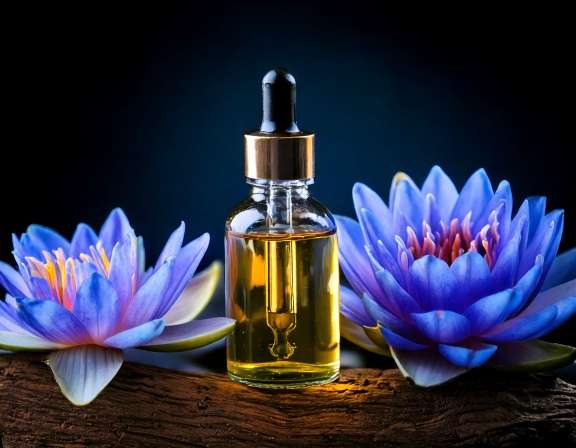
The day softens, the lights go low, and the air turns warm with a sweet floral note that feels almost velvety. That’s the kind of moment people chase to experience Blue Lotus Essential Oil Benefits when they reach for blue lotus essential oil in an evening routine.
Here’s a helpful truth upfront: what’s sold as “blue lotus essential oil” is often not a classic steam-distilled essential oil. Many bottles are a blue lotus absolute (a concentrated aromatic extract), or a blue lotus infused oil (flower infused into a carrier oil). That doesn’t make it bad, it just changes how you use it.
This guide keeps expectations realistic. Blue lotus, scientifically known as Nymphaea caerulea and commonly called the blue water lily, was revered in Ancient Egypt and can support relaxation rituals, mood, sleep routines, and gentle body care, but it’s not a cure-all. Next, you’ll learn what it is, how to shop smart, and simple ways to use it safely at home.
What blue lotus oil is, and why labels can be confusing
Blue lotus usually refers to Nymphaea caerulea, an aquatic water lily with a long history in fragrance and traditional ritual use. Its scent is often described as sweet-floral, slightly green, and softly spicy, like a flower steeped in warm tea.
The confusion starts at the bottle. True steam-distilled blue lotus essential oil is rare, because the plant doesn’t yield much oil through distillation. So, many products use other methods (or skip the plant entirely).
Common product types sold as “blue lotus essential oil” include:
- Blue lotus essential oil absolute: A thick, highly aromatic extract made with solvent extraction, mainly used in perfumery and blends.
- Blue lotus CO2 extract: Less common, sometimes available, often closer to the plant’s aroma profile.
- Blue lotus infused oil: Flower infused into a carrier oil (like jojoba or fractionated coconut), already diluted.
- Fragrance oil: A lab-made scent blend, not the same as a plant extract, and not ideal for aromatherapy goals.
To avoid buying a pretty label and nothing else, check these basics before you pay:
- Botanical name listed (look for Nymphaea caerulea or Nymphaea caerulea specifically).
- Extraction method stated (absolute, CO2, or infused).
- Country of origin and sourcing notes (even a short note helps).
- Batch or lot number so it feels traceable, not generic.
- Testing transparency, such as third-party testing when possible.
- Price that makes sense, because true extracts usually aren’t bargain-bin cheap.
If a label only says “blue lotus perfume oil” or “fragrance,” expect scent, not plant chemistry.
Absolute vs infused oil vs fragrance, how each one acts in real life
Essential oil absolutes smell rich and deep, and a tiny amount goes far. They blend beautifully into body oils and perfume-style rollers, but they need careful dilution because they’re potent and can irritate sensitive skin.
Infused oils smell softer, like a flower pressed between pages. Since they’re already in a carrier, they’re often easier for body care and massage. The trade-off is strength, you may need more product to notice the scent.
Fragrance oils can smell lovely, but they behave differently. They’re made for scent, not therapeutic aromatherapy. If you want blue lotus essential oil benefits tied to plant extracts and mindful rituals, including psychoactive properties from alkaloids like apomorphine (a dopamine agonist) and nuciferine, skip fragrance oils and choose an essential oil absolute, CO2 extract, or a clearly labeled infusion.
How to buy it without getting fooled
First, read the front label, then read the back like you’re scanning ingredients at the grocery store. Next, look for the botanical name (Nymphaea caerulea). After that, confirm whether it says absolute, CO2 extract, or infused.
If the product is an absolute or CO2 extract, ask the brand for GC/MS when available. GC/MS is a lab report that shows the main aromatic compounds in the extract. Not every product will have it, but transparent brands usually explain what they can provide.
Finally, watch for vague terms like “perfume oil,” “scented oil,” or “aroma oil,” especially when there’s no botanical name. When in doubt, choose the brand that explains sourcing, gives dilution guidance, and doesn’t hide behind pretty words.
Blue lotus essential oil benefits for mood, stress, and sleep routines
Blue lotus scent links directly to the nervous system. When you inhale its aroma, your brain connects it to memory and emotion fast. That’s why one smell can feel like a soft blanket, while another feels like a loud room. Blue lotus tends to land in the “soft blanket” category for many people.
So, what are the realistic blue lotus essential oil benefits here? Most are experience-based. People often report feeling calmer, more settled, more ready for rest, and sometimes even a gentle euphoria or spiritual awareness. Others use it to promote lucid dreaming, set a romantic mood with aphrodisiac qualities, or to make meditation feel less like a task and more like an exhale.
Results vary, because your brain writes part of the story. Still, a consistent aromatherapy ritual can train your body to unwind, the same way a bedtime tea signals that sleep is close. If you want more ideas for emotional support aromas, this guide on top mood-boosting essential oils pairs well with blue lotus routines.
Here are a few safe, simple ways to try it:
- Diffuser (evening calm): Add 2 to 4 drops (or less if it’s an absolute) and diffuse for 20 to 30 minutes.
- Steam-free inhale: Put 1 drop on a tissue, wave it through the air once, then inhale gently.
- Roller for ritual: Use a low dilution (about 1 percent) and apply to pulse points like wrists or neck, then breathe slowly.
Relaxation and mood support, the calming floral that helps you exhale
Blue lotus shines when you treat it like a pause button, not a power tool. In other words, it’s for slowing down, not forcing yourself to feel calm, especially during meditation and relaxation.
Try this 2-minute reset when your shoulders creep up toward your ears:
- Place 1 drop on a tissue or inhaler wick (not on skin).
- Inhale slowly for a count of 4, then exhale for a count of 6.
- Repeat for 6 breaths, keeping the exhale longer than the inhale.
That longer exhale nudges the body toward rest mode. Keep the scent light at first, because “too much” can feel cloying or headache-triggering for some people.
For a personal inhaler, keep it simple: add 5 to 8 drops total to the inhaler wick, with blue lotus as the main note (especially if it’s an absolute). Then cap it and let it meld for an hour before use. Take 1 to 3 gentle inhales, then stop. Aromatherapy works best in small waves. For added ritual, pair with a diluted roller applied to pulse points.
A softer bedtime ritual, pairing blue lotus with sleep-friendly oils
Blue lotus can be a beautiful supporting note in sleep blends, especially when you pair it with familiar comfort oils. Lavender, frankincense, cedarwood, and bergamot FCF (the non-phototoxic version) often play well with its floral warmth.
Two easy diffuser blends:
- Quiet Room Blend: 2 drops lavender, 1 drop cedarwood, 1 drop blue lotus.
- Slow Thoughts Blend: 2 drops frankincense, 1 drop bergamot FCF, 1 drop blue lotus.
Diffuse for 20 to 30 minutes, then turn it off. Fresh air matters, so crack a door or keep good ventilation.
If you like a pillow mist, go lighter than you think. Mix 1 drop of blue lotus (preferably infused oil, or a very small amount of absolute) into 1 tablespoon of unscented alcohol-free witch hazel, then add 2 tablespoons distilled water in a small spray bottle. Shake hard each time, mist the air above the bed (not the pillow), and keep it away from eyes. Patch test the scent in your space first, because pillows hold aroma like a sponge.
Skin and self-care uses, plus safe ways to apply it
Blue lotus in skincare is often less about “fixing” skin and more about how your routine feels. The right scent can turn basic body oil into something you want to do, not something you rush through.
When diluted well in a carrier oil, blue lotus offers antioxidants and anti-inflammatory properties from flavonoids like quercetin. These may support collagen production, help with hyperpigmentation, and enhance your skincare vibe while helping dry-looking skin feel more comfortable (mainly because carrier oils do the heavy lifting). Think of it like adding a soft soundtrack to a massage; the carrier oil nourishes, while the aroma sets the tone.
Good carriers for body use include jojoba oil, fractionated coconut, sweet almond, and grapeseed. For a richer feel, try avocado oil on very dry areas, although it’s heavier.
Safety matters here. Always patch test. Also avoid use on broken skin, near the eyes, or on sensitive areas. If you have asthma, migraines, allergies, or a history of skin reactions, start extra low or skip topical use and choose diffusion instead.
Pregnancy and nursing deserve special caution, because scent sensitivity and skin reactivity can change. If you take prescription meds, have a mental health condition, or use sedating medicines, talk with a clinician before using strong aromatics for sleep routines.
If you’re building a small home kit for everyday care, this roundup of natural first aid kit essentials can help you keep your basics organized without buying too much at once.
Dilution made simple, how many drops to use (and when less is better)
Dilution doesn’t need to feel like math class. For most essential oils, these are common starting points, using 1 ounce (30 ml) of carrier oil:
- 0.5% dilution: about 3 drops per ounce (good for face-area products and very sensitive skin)
- 1% dilution: about 6 drops per ounce (gentle daily body oil or roller use)
- 2% dilution: about 12 drops per ounce (short-term body use, like massage oil)
Because blue lotus absolute can be stronger than typical essential oils, start at half those amounts if you’re working with an absolute, especially on sensitive skin.
Drops vary by bottle and viscosity, so don’t chase perfection. Start low, see how your skin responds, then adjust slowly. Most important, never use it undiluted, and keep it away from eyes, inner nose, lips, and other delicate areas.
Easy ways to use it, diffuser, roller, bath, and body oil
Diffuser (low and slow): Add 2 to 4 drops total to your diffuser, using less if the aroma feels heavy. Run it 20 to 30 minutes, then pause. If you share a home with pets, diffuse in a well-ventilated space and make sure they can leave the room.
Roller blend (simple daily ritual): Fill a 10 ml roller with jojoba or fractionated coconut oil. Add about 2 drops blue lotus absolute for a very gentle start (or 4 drops if it’s a lighter extract), then roll on wrists and breathe normally. If you add other oils, keep the total drop count low.
Bath oil (never add oil straight to water): Mix 1 teaspoon of carrier oil or an unscented bath base with 2 to 4 drops blue lotus (less for an absolute). Stir that blend into the bath water, then soak. If you feel any skin tingling, get out and rinse.
After-shower body oil: Apply plain carrier oil to damp skin first, then add a few drops of your pre-mixed blue lotus body blend in your palm and smooth it over arms and shoulders. This method keeps the scent soft and reduces the chance of irritation.
Conclusion
Blue Lotus Essential Oil Benefits often show up in quiet ways: a calmer mood, a softer landing at bedtime, and self-care that feels more inviting. When you treat it as a ritual scent in your aromatherapy practice, not a miracle fix, it tends to fit beautifully into real life.
Still, label clarity matters. Know whether you’re buying an absolute, CO2 extract, or infused oil, then start with a low dilution and patch test. Choose brands that share sourcing details and basic safety guidance.
Pick one method to try this week, either a short diffuser session or a gentle roller blend. Track how it feels for a few nights. That small note of floral calm might become your new favorite cue for relaxation.
Stay Connected for More Natural Living Inspiration
If you enjoyed this post about herbal wellness and love discovering natural ways to refresh your home and wellness, don’t miss out on future recipes and clean-living tips! Subscribe to the blog for weekly DIYs, wellness inspiration, and herbal remedies delivered straight to your inbox.
Don’t forget to visit my Amazon storefront for the links to my favorite essential oils, herbal teas, and natural recipes. I also create YouTube ambiance videos for sleeping; a channel I created to help people who have trouble sleeping. The link to all social media content is here.
Thanks for coming by!

Leave a Reply