
(DISCLAIMER: I am not a doctor, and you should consult your healthcare professional before starting any health regimen. Product links are commissioned and supports the blog)

Key Takeaways
- Benzoin is a resin oil (often thick and sticky) with a warm, vanilla-like base note.
- It’s often used for calm, grounding aromatherapy and skin comfort in diluted blends.
- Siam and Sumatra benzoin both work similarly, but they smell different in blends.
- Start low with topical use (often 1 to 2 percent dilution) and patch test first.
- Benzoin can stain fabrics and should be kept away from eyes, kids, and pets.
Benzoin essential oil is one of those scents that feels like warm blankets and quiet evenings. It’s not a floral, and it’s not bright like citrus either. It comes from a tree resin, and it has a sweet, vanilla-like aroma with a soft balsamic warmth that makes blends smell “finished.”
People use benzoin essential oil in natural wellness for the same reason they reach for comfort foods when life feels loud. It can support calm routines, add a protective feel to skincare blends, and make a room smell cozy fast. If you’ve heard about benzoin oil healing properties, this guide keeps it realistic, practical, and safe.
What benzoin essential oil is and how it’s made
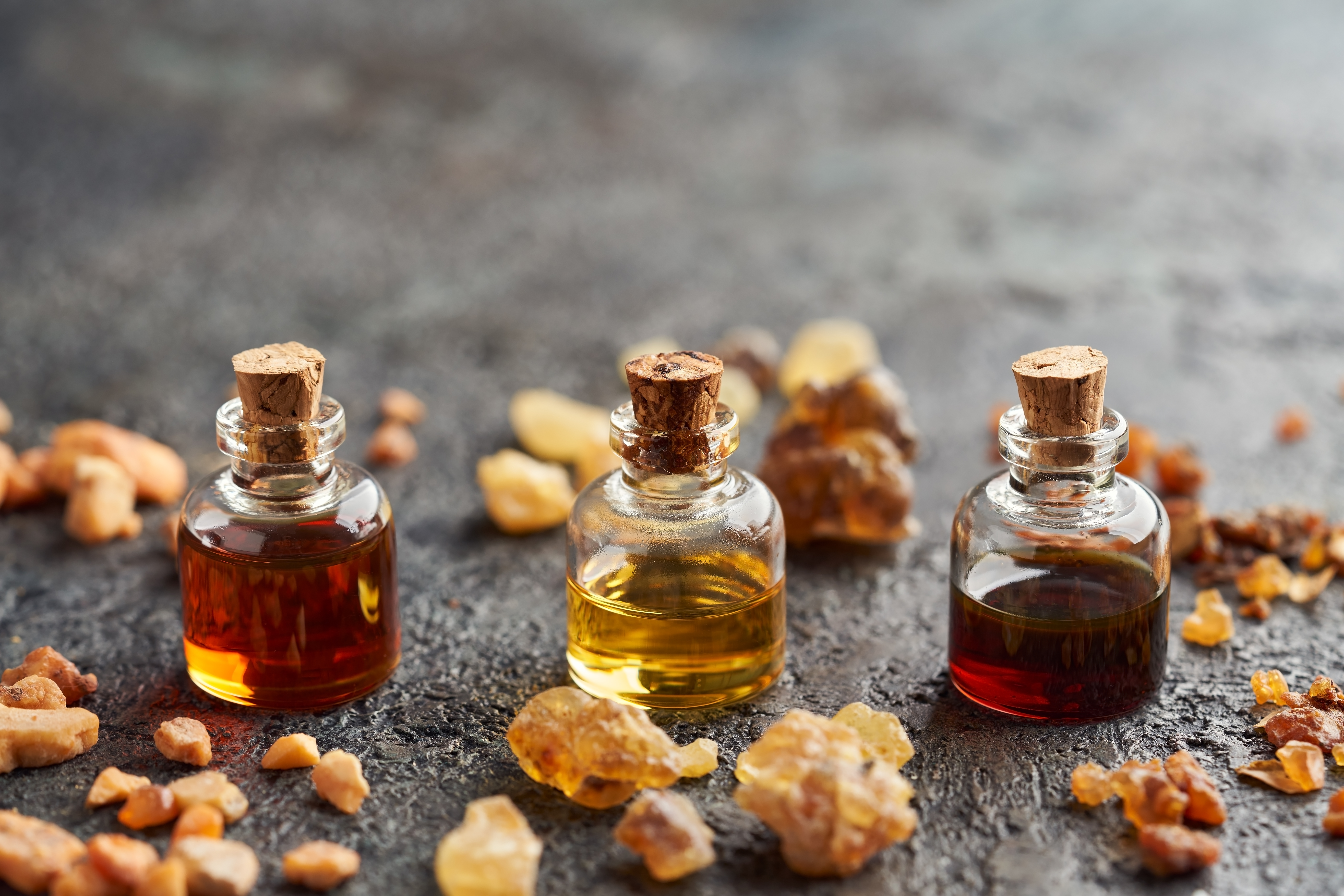
Benzoin comes from the resin of Styrax trees. When the bark is cut, the tree releases a sap-like resin that hardens over time. That resin is collected and processed into aromatic material used in perfumery and aromatherapy.
You’ll usually see two main types on the market: Siam benzoin (often tied to Styrax tonkinensis) and Sumatra benzoin (often tied to Styrax benzoin). Both have that signature sweetness, but they don’t smell identical.
How it’s extracted (and why it can feel sticky)
Benzoin resin doesn’t always behave like thin, watery essential oils. It’s naturally thick, and it can crystallize or feel tacky.
Because of that, benzoin is commonly sold as:
- Benzoin resinoid or benzoin absolute (often made with solvent extraction)
- CO2 extract (less common, but sometimes available)
- Pre-diluted benzoin (mixed into a carrier oil to make it easier to use)
That “stuck honey” texture isn’t a flaw. It’s part of the resin’s nature. Warming the bottle in your hands for a minute can help it pour.
Scent profile and why it’s a base note
Benzoin smells sweet, warm, and resinous, with a vanilla-like softness (without smelling like frosting). In blends, it acts as a base note, meaning it lingers longer than top notes like lemon or orange.
Think of it like the bassline in music. You might not notice it first, but you miss it when it’s gone.
What to look for on a label
A good benzoin product label makes your life easier. Look for:
- Botanical name (Styrax tonkinensis, Styrax benzoin, or similar)
- Country of origin
- Extraction method (absolute, resinoid, CO2 extract, or pre-diluted)
- Dilution info if it’s already mixed with a carrier oil (this matters for safety and blending)
If a bottle just says “benzoin fragrance oil” with no details, skip it.
Siam vs Sumatra benzoin: what’s the difference?
This is mostly about aroma.
Siam benzoin usually smells sweeter and more vanilla-like. It tends to blend beautifully with lavender, orange, and gentle spice oils when you want a soft, cozy vibe.
Sumatra benzoin often smells deeper and more resinous, sometimes a little smokier. People like it in grounding blends with woods like cedarwood.
Both are used for similar goals in aromatherapy and DIY body care, so you’re not choosing “better,” you’re choosing the scent you want to live with.
Buying tips: choosing a quality benzoin oil
Benzoin can be amazing, but the quality range is wide. A few simple checks help a lot:
Packaging: Pick dark glass bottles. Light and heat can mess with aroma over time.
Brand clarity: Trust brands that share the botanical name, extraction method, and origin.
Freshness: Resin extracts can last longer than some citrus oils, but they still degrade. Avoid dusty bottles from unknown sellers.
Testing: If a brand mentions batch testing or quality reports, that’s a good sign.
Watch for vague dilution: Benzoin is often sold diluted because it’s thick and can be irritating used straight. If it’s pre-diluted, the label should tell you the ratio or percent. If it doesn’t, you can’t blend safely with confidence.
Benzoin oil healing properties: top health benefits backed by traditional use
Benzoin has a long history in incense and topical preparations, and modern aromatherapy still uses it for comfort-based goals. The evidence varies by use, and aromatherapy is best viewed as support for well-being, not cures.
Here’s where benzoin tends to shine in everyday life:
Aroma comfort: Benzoin is often used for calming routines, mood support, and “grounding” when you feel scattered. Many people find warm resins feel steady and soothing.
Skin feel and dryness support: In properly diluted blends, benzoin is often used to help dry, rough skin feel more comfortable and protected, especially in colder months.
Blend harmony: This sounds less “health related,” but it matters. Benzoin can make blends smell smoother and less sharp, which can help you actually use your DIY oils consistently.
Calming scent for stress, tension, and better sleep routines
Some days feel like your brain has 27 tabs open. Benzoin won’t close them all, but it can help set a calmer tone.
Warm, resinous scents are commonly used in aromatherapy to support:
- relaxation after a long day
- grounding during tense moments
- a more comforting bedtime routine
Try simple approaches that don’t overdo it:
- Diffuser: use it in the evening for a cozy room vibe
- Aroma inhaler: great for travel or work breaks
- Tissue method: a drop on a tissue, kept nearby (not rubbed on skin)
If you’re building a sleep routine, pair scent with something physical, like dim lights and a consistent bedtime. Aroma works best when it becomes a cue.
Skin support for dry, rough patches and the look of cracked skin
Benzoin is popular in skincare-style blends because it can add a comforting, “sealed-in” feel when mixed into a carrier oil. People often use it for rough elbows, winter-dry hands, or feet that need extra love.
A few grounded reminders:
- Always dilute. Benzoin products vary (absolute vs pre-diluted), so read the label.
- Patch test first, especially if your skin is reactive.
- Avoid using it on broken skin or areas that are actively irritated.
Gentle carrier oils tend to pair well here, like jojoba or sweet almond oil. If you want a deeper carrier oil refresher, this guide is helpful: Best carrier oils and dilution ratios for DIY skincare.
How to use benzoin essential oil safely at home
Benzoin can be sweet and gentle-smelling, but it’s still a concentrated aromatic extract. Safe use matters.
Here are the practical basics that keep things simple:
- Avoid eyes and mucous membranes.
- Keep it away from kids and pets (diffuse with caution, and use good airflow).
- If you’re pregnant or nursing, check with a qualified clinician before using essential oils.
- Stop using it if you notice redness, itching, or burning.
Also, a real-life heads-up: benzoin can stain fabric. If you apply a blend to wrists or chest, let it absorb before putting on a favorite shirt.
Diffuser and inhalation uses (plus blend ideas that smell amazing)
Benzoin is a base note, so it plays well with oils that can feel sharp on their own. Keep diffuser sessions reasonable (many people do 30 to 60 minutes, then take a break), and always ventilate.
Scent pairings that usually work:
- Citrus (cozy and bright): sweet orange, bergamot
- Woods (grounding and calm): cedarwood
- Florals (soft and sleepy): lavender
- Spices (warm and “snug”): cardamom
If your benzoin is thick, it can stick to bottle droppers. Go slow, and wipe threads clean so caps don’t glue shut.
Topical uses: simple dilution guide and best carrier oils
For topical blends, keep dilution boring and safe. Most adults do well in this range:
- 1 percent for sensitive skin or first-time use
- 2 percent for general body use (hands, feet, arms)
If you’re prone to reactions, stay closer to 1 percent. Use even lower on older adults or very sensitive skin.
Where to apply:
- Wrists (avoid rubbing right before touching your face)
- Chest (great for cozy bedtime blends)
- Feet (nice at night, and lower risk of accidental eye contact)
Where not to apply (for many people):
- Face, especially near eyes and nose, unless you’re experienced and very conservative
Benzoin is also sometimes linked with skin sensitivity for some users, so a patch test is worth the time. And one more detail that trips people up: benzoin is often pre-diluted, so your “drop math” changes. The label tells the truth, not the vibe.
For broader essential oil safety and practical home use, this post is a solid companion: Must-have essential oils for a natural first-aid kit.
Best everyday uses for benzoin oil (wellness, home, and DIY)
Benzoin fits best into routines you’ll actually repeat. Not fancy. Not complicated. Just small comforts that add up.
Here are a few easy, realistic ways people use it:
1) “Reset the room” diffuser scent: When cooking smells linger or the day feels heavy, benzoin can soften the air and make a space feel calmer.
2) Evening wind-down ritual: Put a drop on a tissue while you read, stretch, or do skincare. It’s a small signal to slow down.
3) Hand and foot comfort oil: Add it to a carrier oil blend for winter-dry hands or rough feet (diluted, patch tested, and not on broken skin).
4) Cozy linen and closet aroma (without touching fabric): Put a scented cotton ball in a jar with a breathable lid, or tuck it inside a drawer corner where it won’t touch clothing. Benzoin can stain, so keep it contained.
5) Meditation or journaling anchor: Warm scents can help you stay present. A quick inhale from an aroma inhaler can become a simple cue, like lighting a candle.
Seasonal support: cozy chest rub blends and steamy shower aroma
In cold months, lots of people want extra comfort. Benzoin is popular here because it feels warm and soothing in aroma, not because it “treats” illness.
For a cozy seasonal routine:
- Chest rub style blend: Use a low dilution in a carrier oil, apply to chest or neck area (away from eyes), and wash hands after.
- Steamy shower aroma: Instead of adding oils to bathwater (not ideal), place a few drops on a washcloth outside the direct stream, or diffuse in the bathroom before the shower so the scent is already in the air.
Keep it simple and gentle. Comfort is the goal.
Natural perfume and grounding roller blends
Benzoin is loved in DIY perfume because it acts like a “fixative style” base note. It helps lighter scents stick around longer.
To build a natural perfume vibe, pair benzoin with:
- sweet notes (vanilla-like blends, soft florals)
- top notes (orange or bergamot to brighten)
- woods (cedarwood for depth)
One practical note: benzoin can thicken roller blends. If the roller feels sluggish, warm the bottle in your hands and roll it between your palms for 20 seconds.
Conclusion
Benzoin essential oil is best thought of as a comfort scent with real DIY value. It can support calm routines, add warmth to diffuser blends, and help dry skin feel more comfortable when properly diluted. Start with low dilution, patch test, and buy from brands that clearly list the botanical name and extraction method. Try one simple use this week (like a bedtime tissue inhale or a cozy diffuser blend), then share how it went in the comments, especially if you found a combo you’d use again.
Stay Connected for More Natural Living Inspiration
If you enjoyed this post about herbal wellness and love discovering natural ways to refresh your home and wellness, don’t miss out on future recipes and clean-living tips! Subscribe to the blog for weekly DIYs, wellness inspiration, and herbal remedies delivered straight to your inbox.
Don’t forget to visit my LinkTree for the links to my favorite essential oils, herbal teas, natural recipes, YouTube ambiance videos for sleeping; a project I created to help with insomnia symptoms and the second channel, Rooted in Nature YouTube Channel both channels feature herbal recipes for wellness and home.
Thanks for coming by!
Leave a Reply