
(DISCLAIMER: I am not a doctor, and you should consult your healthcare professional before starting any health regimen. Product links are commissioned and supports the blog)

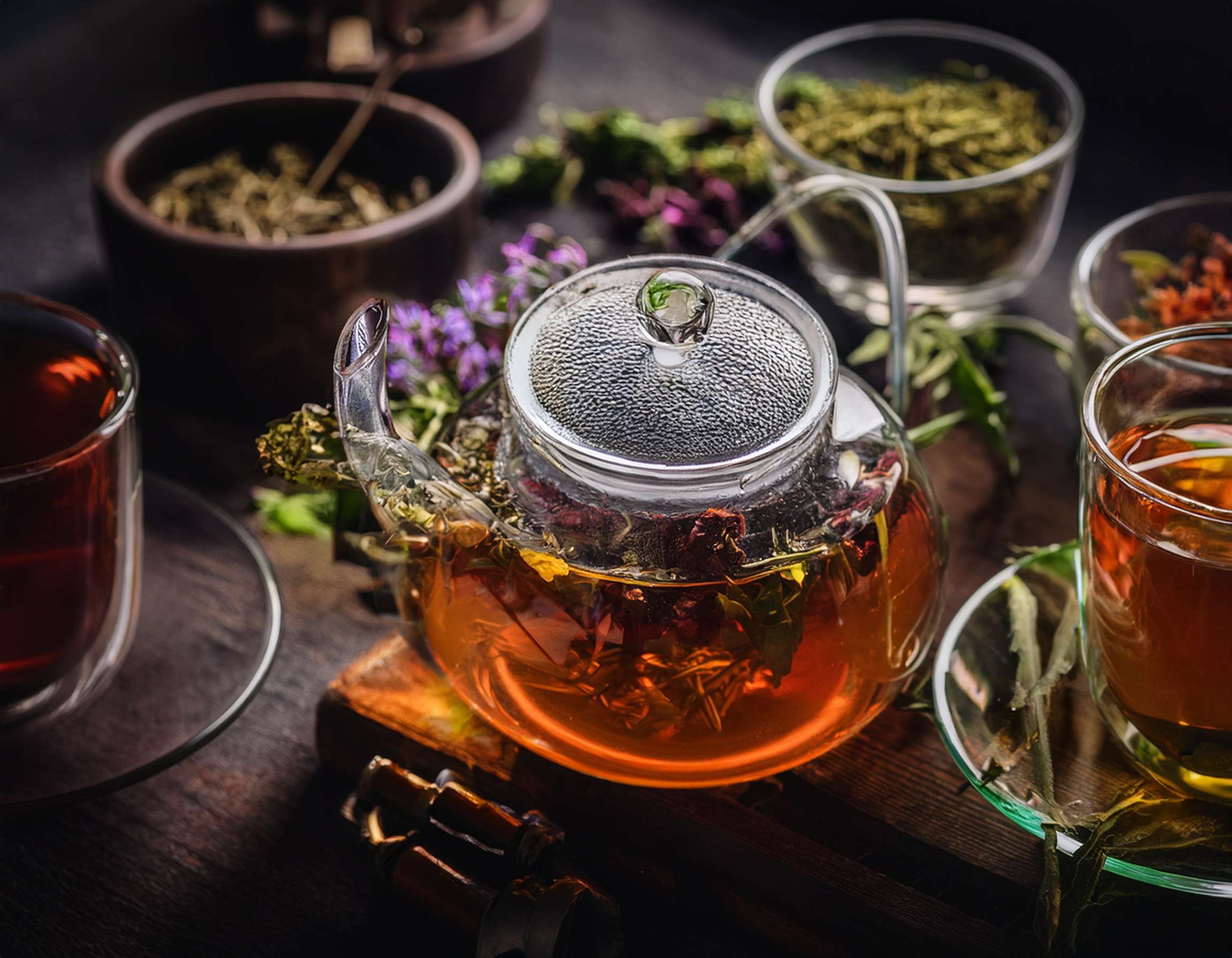
Some days feel loud even when your house is quiet. Your mind’s racing, your jaw’s tight, and your shoulders are trying to climb up your neck. On those days, a simple cup of tulsi tea (holy basil), enjoyed as a daily ritual, can gently support your nervous system and feel like a small reset button.
Tulsi isn’t a magic switch for stress, but it’s a comforting herb with a long tradition behind it. This guide covers what tulsi tea is good for on stressful days, the best steep time for a smooth cup, easy ways to fix the taste, and when it’s smarter to skip it.
Key Takeaways
- Tulsi tea is a calming, caffeine-free ritual for tense days.
- Steep too long and it can taste sharp, aim for 5 to 8 minutes.
- Cover your mug while it steeps to hold onto the aroma.
- If it tastes “medicinal,” blend it with citrus, ginger, or a little honey.
- Some people should avoid tulsi, especially during pregnancy, or with certain meds.
Tulsi tea on stress days: gentle support, not a knockout pill
Tulsi (holy basil), revered in Ayurveda as the “Elixir of Life” and a sattvic herb for balancing Vata and Kapha types, is an aromatic herb often used as a tea when you want calm without getting sleepy. The experience is part flavor, part scent, part routine. That alone matters, because stress relief is often about giving your body a consistent signal that you’re safe enough to slow down.
People often call tulsi an adaptogenic herb, meaning it’s traditionally used to help manage cortisol levels and the body’s stress response. The research on humans is still developing, but there is clinical interest in tulsi for stress-related symptoms, particularly its effects on the HPA-axis. If you want to see how researchers have evaluated the evidence so far, this systematic review of tulsi in humans is a helpful starting point.
What tulsi tea tends to do well on a stress day:
- Creates a pause you can actually feel (warm hands, slow sips, steady breathing), helping shift the body into parasympathetic activity for emotional balance.
- Smells herbal and comforting, which can shift your mood fast.
- Offers a “clear” calm for many people, not a heavy, drowsy feeling.
If you like pairing tea with scent, tulsi plays nicely with soft florals and citrus oils, creating a harmonious blend that tantalizes the senses. A few drops in a diffuser while your tea steeps can turn the whole room into a calmer place, inviting tranquility and a sense of peace. The aromatic properties of tulsi not only enhance the flavor of your tea but also contribute to a relaxing atmosphere, making it perfect for unwinding after a long day.
Imagine sitting in your favorite chair, sipping your calming tea infused with this delightful herb, as the gentle fragrance envelops you, melting away your stress and worries. This simple ritual transforms your tea-time experience into a holistic escape that nourishes both your body and spirit.
Best tulsi tea steep time (and how to avoid bitter, flat flavor)
Tulsi tea is forgiving, but steep time really changes the taste. Too short and it can taste thin, like hot water with a hint of herbs. Too long and it can get sharp and overly spicy, especially with tea bags or finely cut leaves. Steeping times may vary slightly between Rama Tulsi, Krishna Tulsi, and Vana Tulsi varieties.
A good everyday range is 5 to 8 minutes for dried tulsi leaves (bagged or loose). If you’re using fresh leaves, you may need 8 to 10 minutes because fresh herbs release flavor more slowly.
A few brewing details make a bigger difference than people think:
Water temperature: Use just-boiled water, then let it sit for about 30 seconds before pouring. Tulsi isn’t as fussy as green tea, but slightly cooled water can keep the herbal infusion smoother.
Cover while steeping: Tulsi’s charm is in its aromatic oils. Put a small plate or lid over the mug so those oils don’t drift off into the air.
Leaf amount: For loose leaf organic tulsi tea, start with about 1 to 2 teaspoons per 8 ounces of water. If it’s too strong, reduce the leaf, not the steep time (short steeping can taste weak but still “edgy”).
A simple method that works:
- Warm your mug with hot water, then dump it.
- Add tulsi, pour hot water, and cover.
- Steep 5 to 8 minutes, then strain or remove the bag.
- Taste, then adjust your next cup by changing leaf amount.
If you want a stronger cup, re-steeping can work, but the second steep is often softer and less punchy.
Taste fixes (plus who should skip tulsi tea)
Tulsi has a bold personality. Depending on the variety, it can taste clove-like, peppery, minty, or a little grassy. If your first sip makes you think, “This tastes like a health store,” you’re not alone. That’s because of its anti-inflammatory and antioxidant properties, which make it a staple for wellness enthusiasts.
Easy ways to make tulsi tea taste better
- Add citrus: A squeeze of lemon, or even a strip of orange peel, brightens the herbal taste.
- Use a little sweetness: Honey or maple syrup can round out the sharp edges (start small).
- Warm spices help: Ginger slices or a pinch of cinnamon makes tulsi taste cozier.
- Blend it: Tulsi pairs well with rose and mild green tea to support digestive health and the immune system. If you like gentle floral notes, try ideas from this calming green tea and rose petal blend recipe.
- Try it after meals: Some people enjoy tulsi more when their stomach is settled. If you’re building a tea shelf for comfort sipping, these herbal teas for digestion and bloating relief are worth keeping in rotation too.
Who should skip tulsi tea (or check with a clinician first)
Tulsi tea is gentle for many people, but “natural” still means it can interact with your body and meds. Thanks to the plant’s therapeutic properties, it can help reduce mental fatigue and improve mental clarity.
Use extra caution if any of these apply:
- Pregnancy or breastfeeding: It’s safer to avoid unless your healthcare provider says it’s ok.
- Blood sugar concerns: Tulsi may affect blood sugar, which matters if you have diabetes or take glucose-lowering medication.
- Blood thinners or upcoming surgery: Herbs can sometimes affect clotting. Don’t guess, ask.
- Trying to conceive: Some sources raise fertility-related questions based on limited evidence.
- Adrenal sensitivity: Consult a doctor, as tulsi may influence stress responses.
For a practical summary of potential pros and cons, see WebMD’s overview of holy basil tea risks. If you want a more supplement-style breakdown that includes research notes and side effects, Examine’s tulsi page is also useful.
If tulsi makes you feel nauseated, jittery, or lightheaded, stop and switch to something simpler like chamomile.
Frequently Asked Questions
How long should I steep tulsi tea for the best flavor?
Aim for 5 to 8 minutes with dried leaves or tea bags using just-boiled water cooled for 30 seconds. Cover your mug to trap the aromatic oils, preventing a flat or bitter taste. Fresh leaves may need 8 to 10 minutes since they release flavor more slowly.
What does tulsi tea taste like, and how can I improve it?
Tulsi can taste clove-like, peppery, or medicinal depending on the variety like Rama or Krishna Tulsi. Brighten it with a squeeze of lemon, a touch of honey, ginger slices, or blend with rose petals. Steeping correctly and adjusting leaf amount also helps avoid sharpness.
Is tulsi tea safe for daily use on stress days?
It’s generally gentle and caffeine-free, supporting calm without drowsiness for most people. However, skip it if pregnant, breastfeeding, on blood thinners, managing blood sugar, or trying to conceive—consult your doctor first. Stop if you feel nauseated or jittery.
Does tulsi tea actually help reduce stress?
Tulsi is an adaptogen traditionally used to balance cortisol and the stress response, with emerging research on its HPA-axis effects. It creates a soothing ritual with its herbal aroma and warm sips, promoting parasympathetic calm. Pair it with a quiet pause for best results, not as a cure-all.
Conclusion
Stress days don’t always need a big fix. Sometimes they need one small, steady daily ritual that tells your body it can unclench. Tulsi tea is great for that, as long as you steep it about 5 to 8 minutes and tweak the flavor to suit you. If you’re pregnant, managing blood sugar, or taking meds that affect bleeding, it’s worth skipping or getting guidance first. Next time your day feels too loud, make the cup, cover the mug, and give yourself ten quiet minutes that can contribute to restful sleep.
Stay Connected for More Natural Living Inspiration
If you enjoyed this post about herbal wellness and love discovering natural ways to refresh your home and wellness, don’t miss out on future recipes and clean-living tips! Subscribe to the blog for weekly DIYs, wellness inspiration, and herbal remedies delivered straight to your inbox.
Don’t forget to visit my Amazon storefront for the links to my favorite essential oils, herbal teas, and natural recipes. I also create YouTube ambiance videos for sleeping; a channel I created to help people who have trouble sleeping. The link to all social media content is here.
Thanks for coming by!

Leave a Reply