
(DISCLAIMER: I am not a doctor, and you should consult your healthcare professional before starting any health regimen.)

Key Takeaways
- Frankincense may help skin heal faster, ease redness and itch, and support firm-looking skin.
- Topical blends can comfort sore joints and muscles.
- The scent helps many people unwind and sleep better.
- Antibacterial action may support fresher breath and gum care.
- Use with care: always dilute, patch test, and avoid swallowing.
People reach for frankincense essential oil when they want calmer skin, fewer aches, and a deeper sense of peace. It smells warm and woody, like a walk through an old grove after rain. The oil comes from the steam-distilled resin of Boswellia trees, often Boswellia carterii or Boswellia sacra. Research supports skin healing and inflammation relief, with early lab findings exploring anti-cancer effects, though nothing proves it as a cure. Keep it safe, dilute before use, and don’t ingest essential oils.
Top Frankincense Essential Oil Benefits for Skin, Pain, and Mood
Skin benefits: faster healing, scar care, and anti-aging support
Frankincense essential oil may help small cuts and scrapes look better sooner. Many people notice less redness and itch. Long term, it can support smoother, firmer-looking skin by helping healthy collagen processes.
A 2025 animal study showed faster wound healing, likely tied to lower oxidative stress and calmer inflammation. Researchers point to boswellic acids, which help regulate repair signals and reduce damage from free radicals. While most lab work tests resin or boswellic acid extracts, the essential oil still brings helpful aromatics that work well in a thoughtful routine.
- Tip: for face care, use a 0.5 to 1 percent dilution in a gentle serum.
- Caution: don’t apply to open, deep, or infected wounds; patch test first.
Joint and muscle comfort: easing inflammation and soreness
Sore knees after a long day? Stiff fingers in the morning? Frankincense may help ease the feeling of tightness and reduce everyday soreness. It seems to calm the inflammatory pathways that fuel tender spots and swelling.
Keep expectations real. It supports comfort, but it isn’t a stand-in for arthritis treatment or care after injury.
- Tip: massage a 2 percent dilution with a carrier oil onto sore areas up to twice daily.
Calmer mind and better sleep through aromatherapy
The scent of frankincense is grounding, steady, and warm. Many people say it helps them feel more centered and less tense after a busy day. A simple aromatherapy routine can set the tone for better rest.
- Try this: add 3 to 5 drops to a diffuser for 20 to 30 minutes in the evening while you practice slow, steady breathing. Pair with lavender for bedtime.
- Note: results vary, but many report lower stress and improved sleep quality.
Oral health and germs: fresher breath and gum support
Frankincense shows antibacterial activity. Small studies have found lower mouth bacteria with frankincense-containing products, which suggests it may help with breath and gum care. The oil is potent, so go easy and use it sparingly.
- Cautious idea: add 1 drop to a cup of warm water with a dispersant, swish, then spit. Don’t swallow. Don’t use daily long term without dental guidance.
- Reminder: essential oils are strong and should not be ingested.
Note on cancer research: early lab work explores anti-cancer effects from boswellic acids and frankincense extracts. This does not prove a cure. Do not use frankincense to replace medical care.
How to Use Frankincense Essential Oil Safely and Effectively
Topical, diffuser, and bath: the best ways to use frankincense
- Face dilution: 0.5 to 1 percent, or about 3 to 6 drops per ounce of carrier.
- Body dilution: 2 percent, or about 12 drops per ounce of carrier.
- Diffuser: 3 to 5 drops for 20 to 30 minutes in a well-ventilated room.
- Bath: mix 3 to 6 drops with a tablespoon of carrier oil or an unscented bath base, then add to bathwater.
Never apply undiluted. Avoid eyes and mucous membranes. Wash hands after use.
Simple recipes and blends for real-life use
- Skin-soothing face serum: 1 oz jojoba, 4 drops frankincense, 2 drops lavender. Use on clean skin at night.
- Comfort rub for joints: 1 oz sweet almond oil, 10 drops frankincense, 4 drops ginger. Massage onto sore spots.
- Calm diffuser blend: 3 drops frankincense, 2 drops lavender, 1 drop cedarwood. Run in the evening.
Usage frequency: apply topicals up to twice daily; diffuse as needed within the 20 to 30 minute window.
Choosing a quality oil: purity and sustainability tips
Look for the Latin name on the label, such as Boswellia carterii or Boswellia sacra. Ask the brand for GC-MS test reports to confirm purity. Prefer companies that share origin, harvest notes, and batch testing. Skip fragrance oils and vague labels that say “aroma oil” without plant names. Store your bottle in a cool, dark place with the cap tightly closed.
How much to use and how often
Start low. Use one skin application per day for the first week. If your skin is happy, increase to twice daily. For diffusion, try one session per day at first, then up to two sessions of 20 to 30 minutes each. Shelf life is about 2 to 3 years when stored well. Always patch test before regular use.
Side Effects, Precautions, and Quick FAQs
Who should be careful or ask a doctor first
- Pregnant or breastfeeding people.
- Children under 6 for topical use.
- Anyone with asthma, epilepsy, or very sensitive skin.
- Those taking major medications, like blood thinners.
Pause essential oils 1 to 2 weeks before surgery unless your doctor says otherwise. Pets can be sensitive. If you diffuse, do it in a separate, ventilated room and let pets leave if they want.
Possible side effects and how to patch test
Some people get redness, itch, or a rash. To patch test, dilute your blend as planned. Apply a small amount to the inner forearm. Wait 24 hours and check for irritation. Frankincense is not known to be phototoxic. Sunscreen still makes sense for daytime routines. Stop use if irritation occurs.
FAQs: ingestion, shelf life, and best oil pairings
- Can I ingest frankincense oil? No. Do not ingest essential oils unless guided by a trained clinician.
- How long does it last? About 2 to 3 years when stored cool and dark with the cap tight.
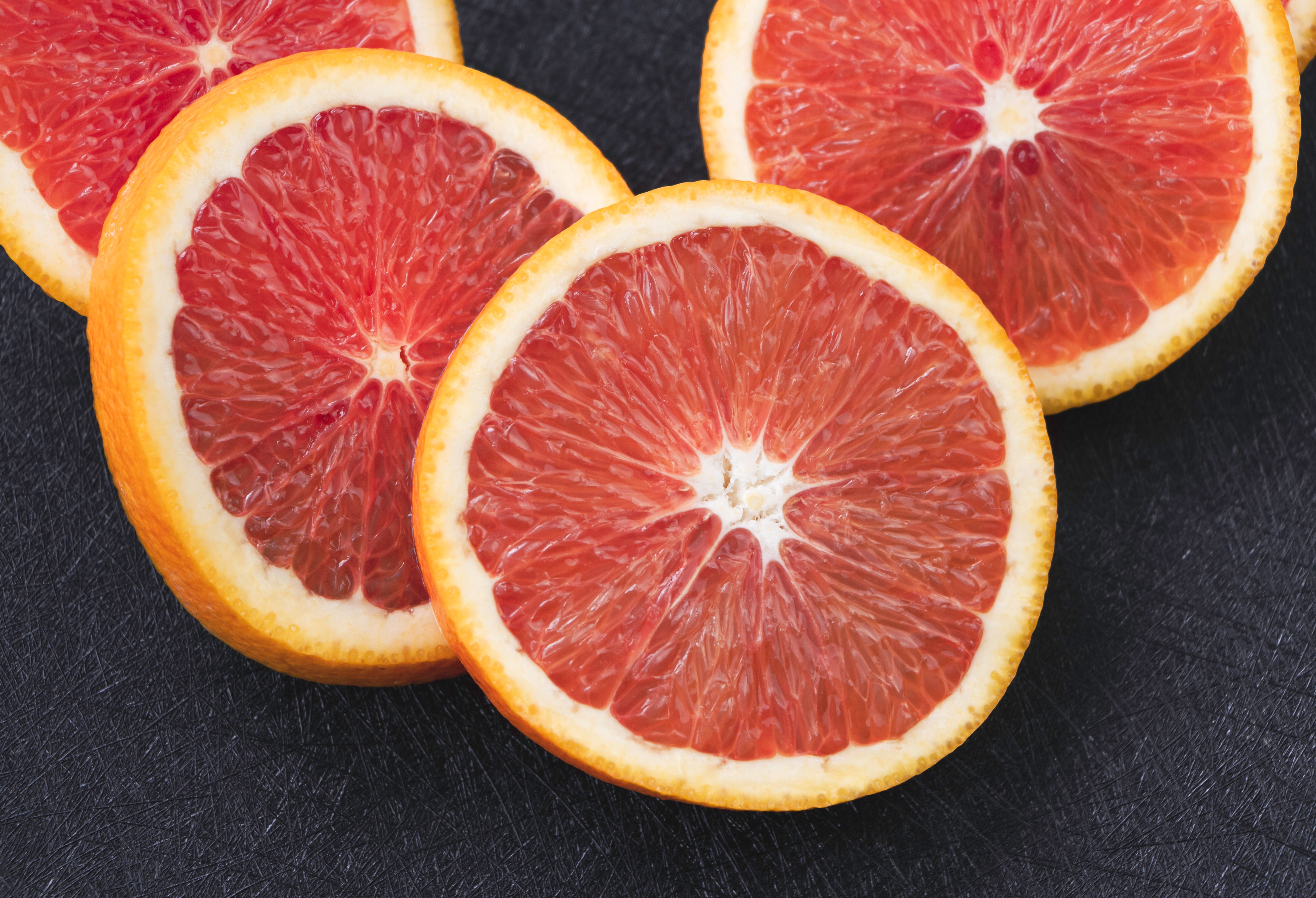
- Best pairings? Lavender for calm, myrrh for skin, cedarwood for grounding. Citrus oils smell bright. If you use them on skin, avoid sun due to possible photosensitivity from some citrus oils.
Conclusion
Frankincense essential oil supports three big goals: healthier-looking skin, more comfort for sore areas, and a calmer mood. Use it wisely, dilute for skin, patch test first, and never ingest. Want an easy next step? Try a 20-minute evening diffuser session or a gentle 1 percent face serum. If you have health conditions or take medications, talk with a clinician before you begin. With mindful use, frankincense can be a steady tool for daily well-being.
Stay Connected for More Natural Living Inspiration
If you enjoyed this post about herbal wellness and love discovering natural ways to refresh your home and wellness, don’t miss out on future recipes and clean-living tips! Subscribe to the blog for weekly DIYs, wellness inspiration, and herbal remedies delivered straight to your inbox.
Don’t forget to visit my LinkTree for the links to my favorite essential oils, herbal teas, natural recipes, YouTube ambiance videos for sleeping; a project I created to help with insomnia symptoms and the second channel, Rooted in Nature YouTube Channel both channels feature herbal recipes for wellness and home.
Thanks for coming by!

Leave a Reply