(DISCLAIMER: I am not a doctor, and you should consult your healthcare professional before starting any health regimen.)

Key Takeaways
- Chervil is a soft herb with a parsley-like look and a light anise note.
- It is used most often in cooking, especially in French-style herb blends and quick dishes.
- Chervil tea is mild, so it works best as a gentle daily ritual, not a cure-all.
- Safety still matters, especially during pregnancy, breastfeeding, or when taking medication.
Chervil is a delicate herb best known in cooking, but it also fits into mild herbal tea and simple home routines. If you are new to herbs, this is an easy one to start with because the flavor is soft and the uses are straightforward.
This guide is for beginners who want to know what chervil is, how people use it in tea or gentle herbal habits, and what to check before trying it. It has a long history in traditional use, yet it is not a strong medicine, so the safest way to think about it is as a light herb with a lot of charm.
Chervil at a glance: flavor, look, and where it comes from
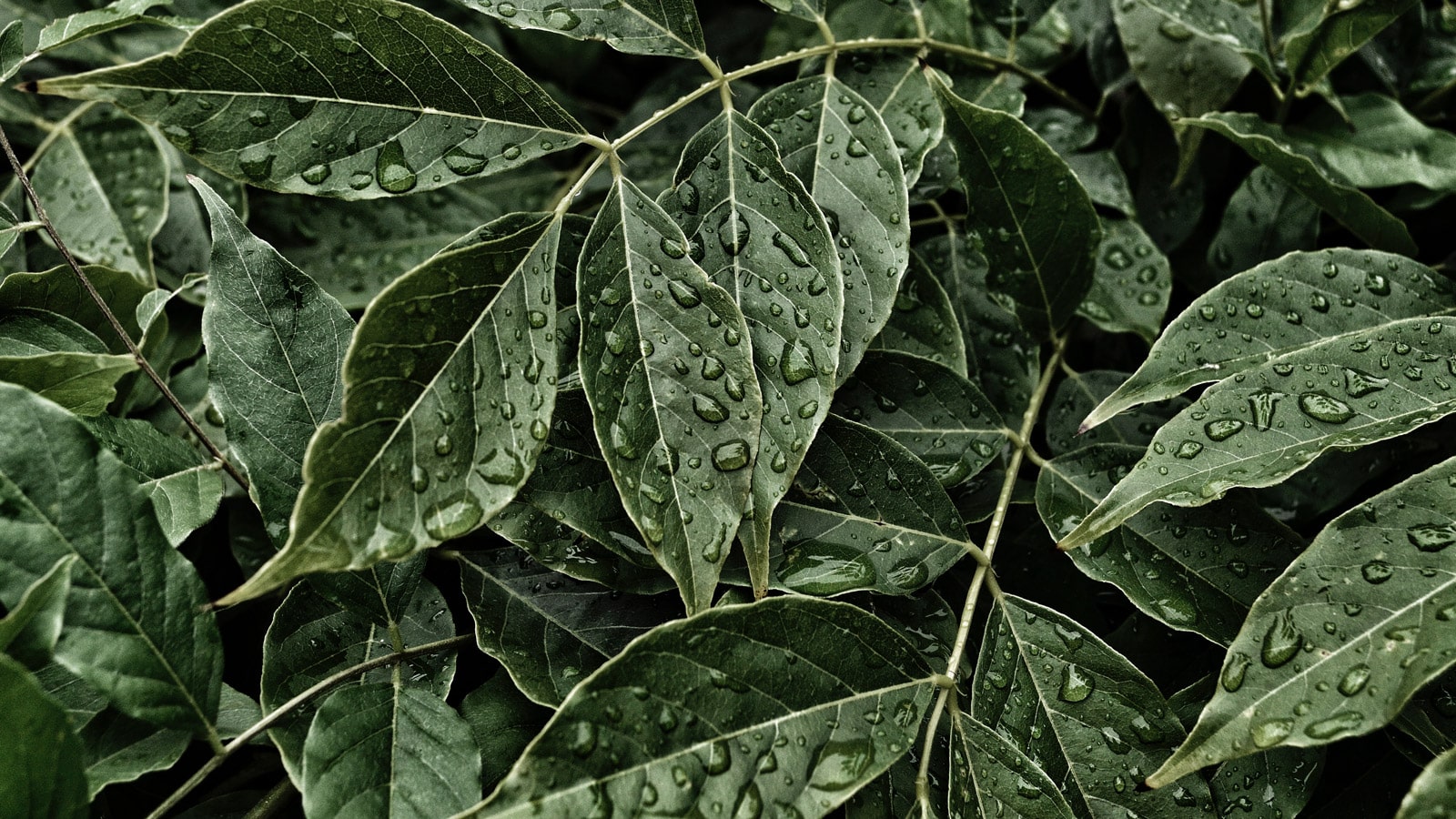
Chervil has fine, lacy leaves and a pale, fresh green color. It looks delicate in the garden and on the plate, which is one reason people often call it a soft herb. The taste is light too, with a hint of sweetness and a faint anise note.
In European cooking, especially French cooking, chervil has a long history. It often appears in fines herbes, a classic mix that also includes parsley, chives, and tarragon. Because the flavor is gentle, it works well where a stronger herb might take over.
How to identify chervil in the herb garden or store
Fresh chervil has feathery leaves that can remind you of flat-leaf parsley at first glance. The leaves are thinner, lighter, and more delicate, though, and the scent often has a subtle licorice-like edge. Cilantro smells brighter and sharper, so it feels different right away.
At the store, chervil is usually sold in small bunches. That size makes sense, because it wilts fast and loses flavor quickly. If the leaves look limp or yellow, the bunch is probably past its best.
Why its mild flavor matters in recipes and tea
The mild taste is what makes chervil useful. It adds freshness without crowding a dish, and it can soften a tea blend without making it heavy. That is helpful when you want something calm and light.
Chervil works best when you treat it gently, because heat and time can strip away its flavor fast.
Common ways people use chervil for wellness and in the kitchen
Most people know chervil as a culinary herb, and that is still its strongest role. It shows up in quick dishes where freshness matters, such as salads, eggs, soups, sauces, fish, chicken, and vegetables. Since the flavor fades with heat, many cooks add it near the end.
People also use chervil in simple herbal tea and in folk wellness traditions. Those older uses matter because they explain why the herb still gets attention today, but they are not the same as strong medical proof. Tradition can point to useful habits, yet it does not replace careful use.
Chervil tea and other gentle herbal preparations
Chervil tea is usually mild and soothing rather than bold. A small amount of fresh or dried leaf in hot water gives you a light drink that fits an evening routine or a calm pause after meals. Some people also blend it with mint or lemon balm for a softer flavor.
Because the herb is gentle, the tea is often chosen for comfort, not for a strong effect. That makes it easy to try, but it also means expectations should stay realistic. A cup of chervil tea is a simple herbal drink, not a sleep remedy.
Everyday cooking uses that keep the herb practical
Chervil belongs in recipes where freshness matters more than strong flavor. It works well in omelets, potato dishes, cream sauces, light soups, and soft herb butters. It also pairs well with spring vegetables and mild fish.
For the best flavor, add it at the end of cooking or use it as a garnish. If you cook it too long, the taste fades and the herb loses its bright edge. That is why chervil feels more like a finishing touch than a backbone herb.
Traditional wellness uses people still talk about
Older herbal traditions used chervil for digestion, appetite, bloating, and mild water release. Some folk uses also mention cold symptoms, cough support, headaches, and eye irritation. These are part of its history, especially in home herbal traditions.
Still, the evidence for those uses is limited. Chervil is better understood as a gentle herb with a long tradition, not a proven treatment. It may fit a simple wellness routine, but it should stay in the same category as other light kitchen herbs.
How to brew chervil tea and use it safely
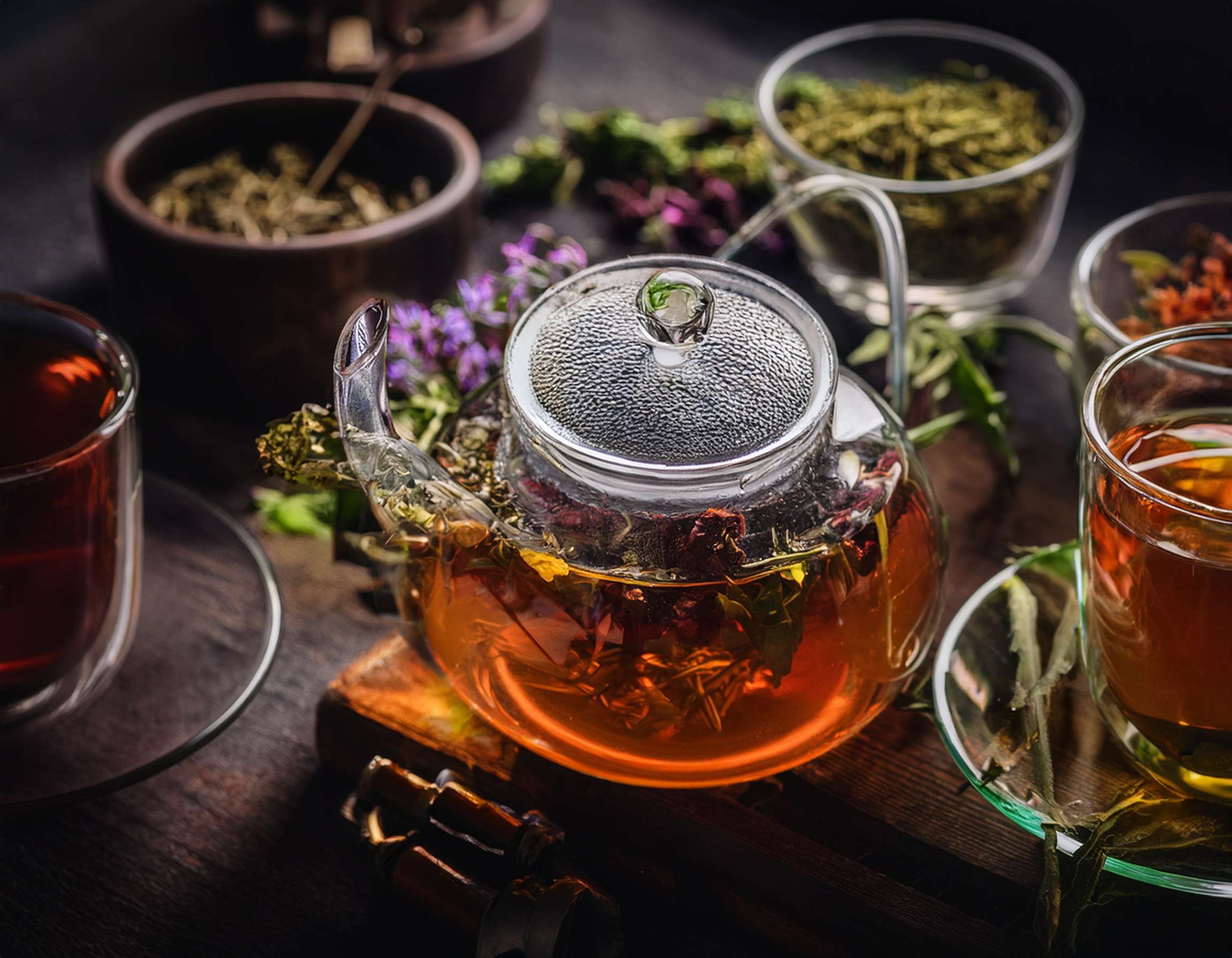
A simple chervil tea starts with a small amount of herb and hot water. Use about 1 teaspoon of dried chervil or 1 tablespoon of fresh chopped leaves per cup, then steep it for 5 to 10 minutes. Strain the leaves and drink it warm.
If you want a softer taste, mix chervil with mint, lemon balm, or a slice of lemon. Those pairings keep the tea light and pleasant. Start with one cup and see how it feels.
What matters most is restraint. More herb does not make a better cup, and stronger is not the goal here.
A simple way to make chervil tea at home
Put the herb in a mug or teapot, pour in hot water, and cover it while it steeps. Covering the cup helps hold the aroma in the tea. After steeping, strain the leaves and sip slowly.
You can use fresh leaves for a greener taste or dried chervil for convenience. Fresh chervil tends to taste brighter, while dried chervil is a little softer. Either way, the result should stay light.
What to expect from the taste and best times to drink it
Chervil tea tastes fresh, mild, and slightly sweet, with a small hint of anise. It is easy to drink because it does not hit the tongue the way stronger herbs do. That makes it a good fit for people who want a gentle herbal cup.
Many people drink it after meals or as part of a calm evening ritual. It can help you slow down, but it should not be treated like a sleep cure. A soothing habit is still just a habit, and that is enough.
Safety notes, allergies, and who should ask a professional first
Pregnant or breastfeeding people should check with a healthcare professional before using chervil regularly. The same goes for anyone with allergies, especially if they react to herbs in the carrot family. If you take medication, ask first as well.
Natural herbs can still cause side effects, and more is not better. If a tea feels off or causes a reaction, stop using it. A gentle herb should stay gentle.
How to store chervil and keep it fresh longer
Chervil loses flavor faster than sturdier herbs, so storage matters. Fresh bunches do best when wrapped loosely in a damp paper towel and kept in the fridge. Use them soon, since the herb can wilt in a day or two.
If you buy chervil often, small amounts are usually smarter than large bundles. That cuts waste and gives you a better chance of using it while it still tastes bright.
Dried chervil keeps the name, but it loses much of the fresh flavor people want from the herb.
Best storage habits for fresh chervil
Trim the stems if needed, wrap the leaves lightly, and place them in a bag or container in the fridge. Keep them away from excess moisture, since wet leaves rot faster. A small bunch stored well can still be useful for a short time.
If you are planning a tea or a meal soon, buy it close to the day you need it. That is the simplest way to keep the flavor useful.
Can you dry or freeze chervil for later use?
Freezing usually works better than drying if you want to keep some of the flavor. Dried chervil can still work in tea or cooked dishes, but it will taste less lively. Freezing chopped leaves in a sealed bag or small tray can help preserve more of the fresh note.
Neither method will match a fresh bunch. Still, they are useful if you want a backup for cooking or a very light herbal cup.
Conclusion
Chervil is a gentle herb with a soft taste and a long place in the kitchen. It shines in soups, eggs, sauces, and herb blends, and it can also fit into a mild tea routine when you want something calm and simple.
Its traditional wellness uses are part of its story, but they should stay in that lane, traditional uses, not strong medical claims. The best way to approach chervil is with respect for its lightness and a clear eye on safety.
If you want to try it, start small. Add it to a simple meal or steep a small cup of tea and see how its delicate character fits your routine.
Stay Connected for More Natural Living Inspiration
If you enjoyed this post about herbal wellness and love discovering natural ways to refresh your home and wellness, don’t miss out on future recipes and clean-living tips! Subscribe to the blog for weekly DIYs, wellness inspiration, and herbal remedies delivered straight to your inbox.
Don’t forget to visit my Amazon storefront for the links to my favorite essential oils, herbal teas, and natural recipes. I also create YouTube ambiance videos for sleeping; a channel I created to help people who have trouble sleeping. The link to all social media content is here.
Thanks for coming by!


Leave a Reply